Gold Coast Seaway

Gold coast Seaway

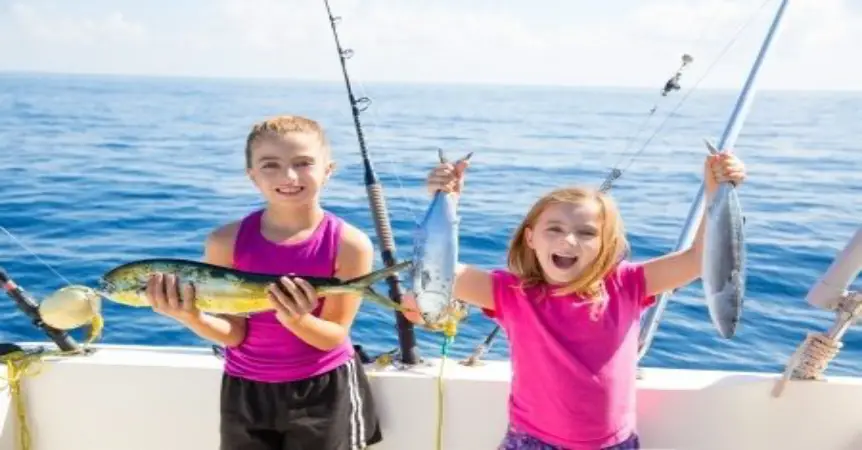
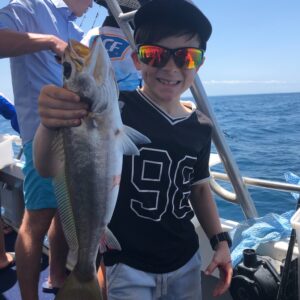
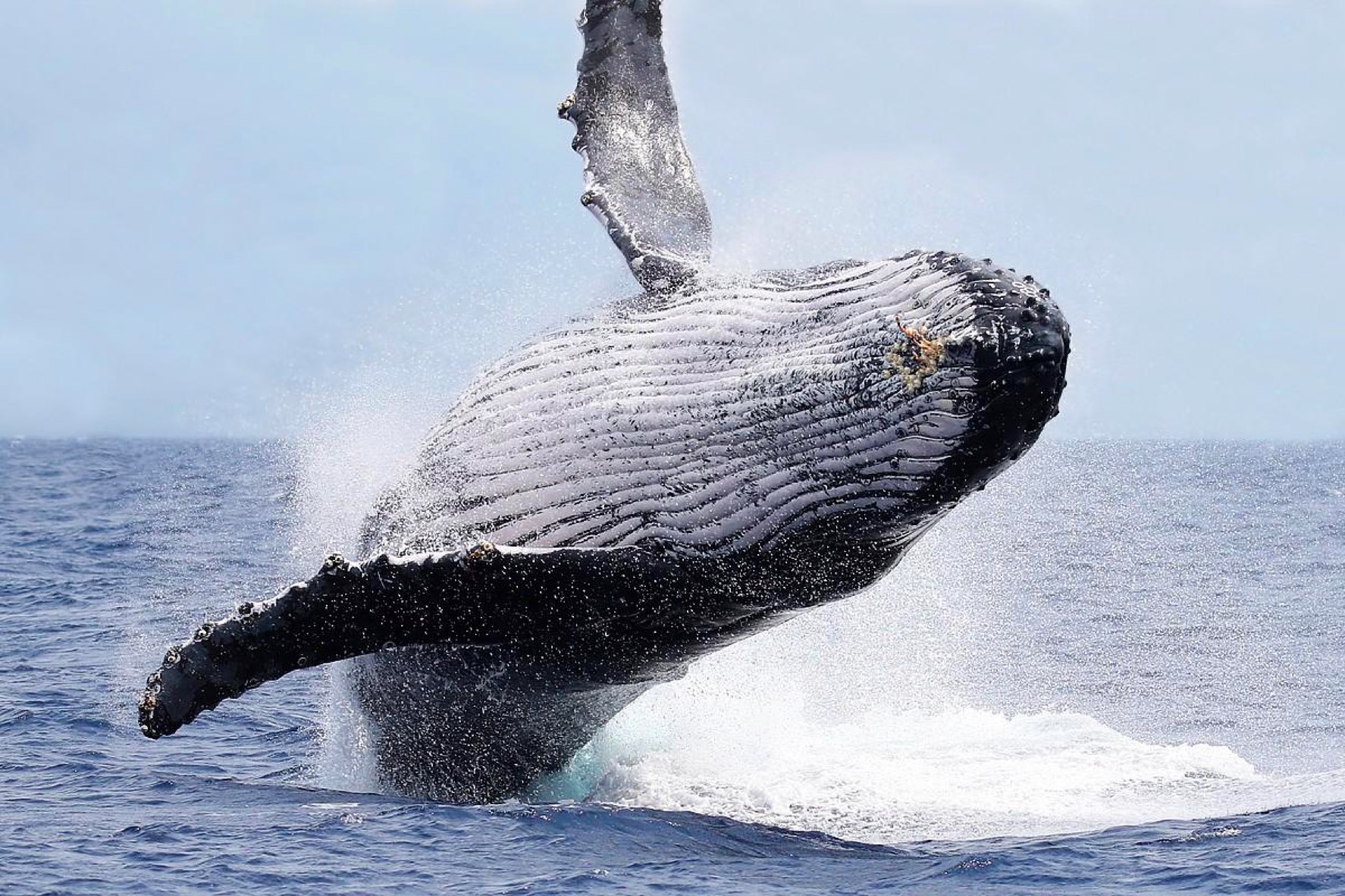
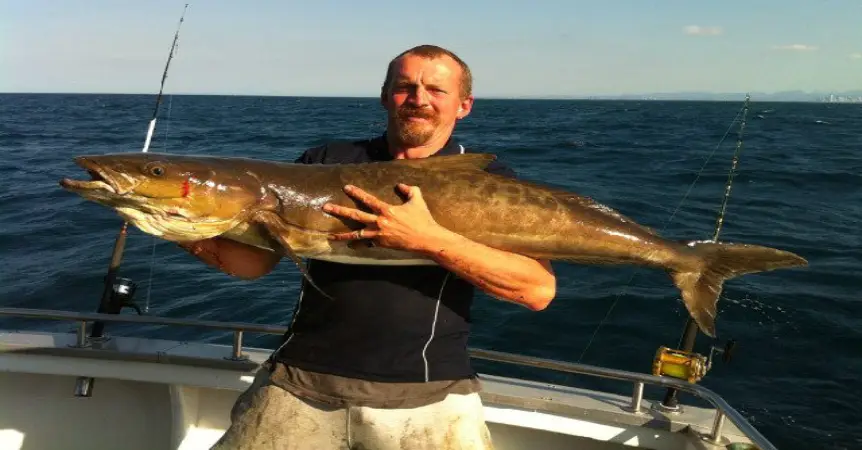
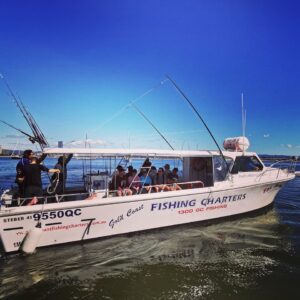
The Gold Coast Seaway or Southport Seaway is the main navigation entrance used on our charters from the Pacific Ocean in and out of the Gold Coast Broadwater and southern Moreton Bay. It is one of Australia’s most significant projects completed  It is located at the northern end of the Spit at Main beach where the Nerang River enters the open Ocean. The channel was built between 1984 and 1986, primarily to facilitate the safe passage of sea-going vessels. The passage was previously known as the Southport Bar (a very dangerous crossing originally). The mouth of the Nerang River was once located further south in Broadbeach. The main driving force for this movement is the northward drift of sand along the coast. This northward drift was responsible for the unstable and shifting conditions of the bar, which made crossing it so hazardous for small boats. Two large rock walls were constructed which greatly increased safety for vessels wishing to cross the bar. The man made entrance provides safe passage for both recreational and commercial vessel operators and can be quite busy at times. It is ideal for fisherman who wish to travel offshore to chase a myriad of both Pelagic and bottom dwelling species such as Snapper, Teraglin, Cobia, Mackerel, Marlin, Kingfish, Mahi Mahi and many more. There are numerous reefs within easy reach of the Gold coast Seaway entrance for those who are keen to get amongst the action. Whale sightings are also an added bonus once out of the seaway and on the open ocean. Southern humpback whales migrate up and down the coast between June-November every year. Remember to not get too close in your boat and keep a safe distance. Along the southern wall of the seaway you will find the Gold coast seaway tower, which in manned by locals for Volunteer marine rescues and coast guard. They provide a continuous listening watch on marine frequencies. It is advisable that all vessels log on with the tower before proceeding in to open waters.

Gold Coast Fishing Charters

How to choose a Gold coast fishing charter

Fishing Charters

How to Choose the Best Gold Coast Fishing Charter

Planning a deep sea fishing trip on the Gold Coast? Choosing the right fishing charter can make thefishing charters difference between an unforgettable adventure and a frustrating day on the water. With so many options available, it’s important to know what to look for to ensure a safe, comfortable, and productive fishing experience.

Why Price Isn’t Everything

While budget is important, the cheapest charter isn’t always the best choice. Operators offering rock-bottom deals often have to cut corners. This could mean shorter trips, less access to productive offshore reefs, or older, less comfortable vessels. Investing a little more usually pays off in terms of quality, safety, and the overall experience.

Skip the Ads, Do Your Research

Gold Coast beaches and marinas are full of advertisements for fishing charters. Don’t rely solely on flashy ads when choosing your trip. Instead, focus on the actual vessel, crew experience, and what the charter includes.

Choosing the Right Vessel

A stable, seaworthy boat is critical, especially if you plan to spend hours fishing offshore. Consider the following:

  • Size and Stability: Larger monohull fibreglass boats offer a more comfortable ride than smaller plate-alloy or catamaran boats, particularly in choppy conditions. While smaller boats may be faster, they can result in a bumpy, uncomfortable journey.

  • Amenities: Bigger vessels often include walk-in flushing toilets, enclosed cabins for storing personal items, and seating for a relaxed, safe fishing experience. These features are especially important if you’re bringing family or older anglers along.

  • Safety and Comfort: Always book a vessel that departs from a well-maintained pontoon or jetty. This ensures safer boarding and easier access.

Departure Points and Parking

Consider the convenience of the departure location. Some commercial marinas have limited parking and heavy foot traffic from shops or cafes. Make sure to park legally, as Gold Coast council rangers frequently patrol popular areas.

Booking Your Charter

Southport fishing chartersWhile local tour desks may offer convenience, calling the operator directly is the best way to book. Speaking with someone directly involved in the business allows you to ask detailed questions about:

  • Vessel specifications and comfort

  • Target fishing areas and species

  • Trip duration and inclusions

  • Safety measures and gear provided

Direct contact ensures you receive accurate information and a booking tailored to your needs.

Final Tips

  • Don’t rush your choice — research multiple operators.

  • Look for online reviews and testimonials from previous customers.

  • Ensure your chosen charter has safety equipment, experienced crew, and suitable facilities for all passengers.

By taking the time to select the right Gold Coast fishing charter, you’ll increase your chances of a successful, safe, and memorable day at sea.

Happy fishing!

Beach Fishing Gold Coast: Tips, Baits & Best Spots for Anglers

Beach Fishing Gold Coast: Tips, Techniques & Top Spots

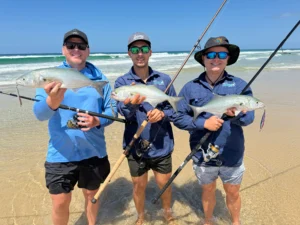
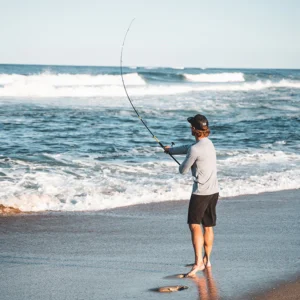
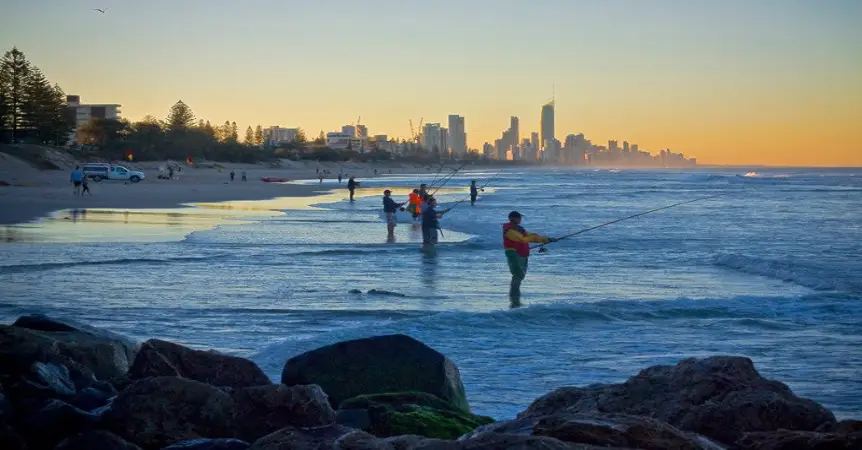
Beach fishing on the Gold Coast is an exciting and rewarding experience for anglers of all skill levels.beach fishing gold coast Stretching approximately 40 kilometres from the Tweed River to Main Beach, the Gold Coast offers endless opportunities to hook a variety of fish species, from the elusive Mulloway to bream, tailor, whiting, and flathead.
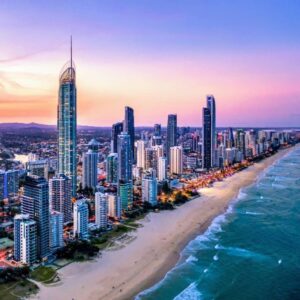
Whether you’re chasing the thrill of a blistering run or enjoying a relaxing day by the surf, beach fishing on the Gold Coast combines adventure, strategy, and a connection to nature that keeps anglers coming back.

Why Beach Fishing Gold Coast is Special
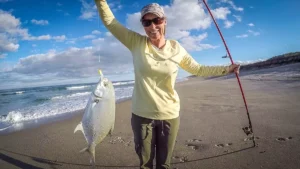
beach fishing gold coastFew experiences match the thrill of seeing a beach rod double over as line peels off the spool. After careful tackle preparation, selecting the right bait, and patiently watching the surf, that first strike is often surreal. You may find yourself wondering, “Is this a big Jewie?” or “Could it be a giant tailor?” The Gold Coast offers that anticipation — and with patience, the reward.

Beach fishing can be challenging, with tides, currents, and surf conditions impacting your success. However, the excitement of landing a big fish like Mulloway makes the effort worthwhile.

Target Species

While Mulloway is the ultimate prize for most Gold Coast beach anglers, there are plenty of other species to enjoy:

  • Bream – Found near rock walls, gutters, and estuary mouths.tailor fishing off the beach

  • Tailor – Aggressive and fast, providing an exciting fight.

  • Whiting – Common along sandbanks and in gutters.

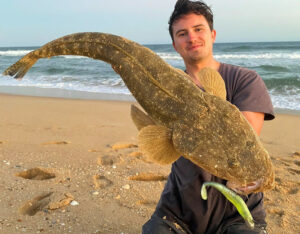
  • Flathead – Found on sandy bottoms and shallow bays.

  • Dart and Salmon – Great for action-packed sessions while waiting for larger targets.

Choosing the Right Location

Scout the beach at low tide to locate sandbanks, gutters, hollows, and other structures where fish may congregate. Asking locals or visiting your tackle shop can provide valuable insight on productive spots. Location is key — knowing where fish are likely to feed increases your chances of success.

Best Baits for Beach Fishing

Fresh is always best, and live bait is even more effective:

  • Mulloway (Jewfish): Live mullet, yellowtail, herring, pillies, and fresh whole squid.

  • Smaller species: Pipis, beach worms, yabbies, prawns, pilchards, and small fish strips.

Use only what you need, and remember that presenting your bait naturally will improve your catch rate. A little burley can help attract fish to your spot, but avoid overfeeding, which can scatter your target species.

Tackle for Beach Fishing Gold Coast

  • Rods: A minimum of 10 feet, designed for surf conditions and your line class.flathead off the beach

  • Reels: Strong threadlines or Alvey reels handle the harsh beach environment.

  • Line: Heavier outfits (10–15kg mono) for large baits and big fish; lighter outfits (6–10kg) for worms, pipis, and smaller baits.

  • Rod Holders: Essential for protecting your gear — PVC holders are a simple and cost-effective option.

  • Braid vs Mono: Mono is often easier to manage in the surf and at night, though braid provides extra sensitivity.

Timing and Conditions

  • Tides: The hours before and after high tide are most productive for Mulloway.

  • Wind & Swell: Avoid winds over 20 knots and large swells. Westerly offshore winds are ideal, while light onshore winds can also be productive.

  • Time of Day: Sunrise and sunset are prime times. Night fishing can be effective for Mulloway, tailor, and sharks but requires extra caution.

Safety Tips

  • Always check surf conditions and tides before fishing.gold coast beach fishing

  • Fish with a buddy whenever possible.

  • Wear sun protection and stay hydrated.

  • Keep an eye out for swimmers and board riders, especially during busy daylight hours

For anglers who don’t like the beach. Why not try a Gold Coast fishing charter with True Blue Fishing, this is a great way to maximize your chances of landing a trophy fish. Our experienced guides will show you the best spots, help you set up tackle, and teach techniques that work in local conditions.

Trolling Techniques – Gold Coast – Australia

Game Fishing

Gold Coast Trolling Tips and Techniques for Offshore Gamefish 🎣

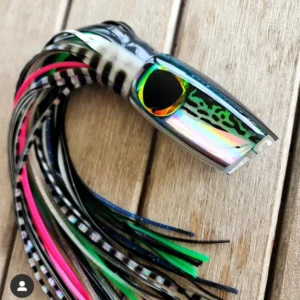
Trolling is one of the most productive and exciting methods for catching a wide range of offshore pelagicTrolling Lures for sailfish gamefish on the Gold Coast. From Bonito, Tuna, and Mackerel to the mighty Blue and Black Marlin, trolling allows anglers to cover large areas while targeting fast, aggressive species. However, many anglers struggle with trolling due to lack of experience or uncertainty about the right techniques. Here’s a comprehensive guide to trolling tips and techniques that will boost your offshore fishing success.


Terminal Tackle for Trolling

mahi-mahi-fishingProper tackle is essential for trolling, especially when targeting toothy pelagic fish. A heavy mono or wire leader is recommended to prevent bite-offs or damage from powerful tail slaps. A typical setup includes:
  • 5–6 feet of wire leader connected to 10 feet of double line

  • Use a Bimini twist, spider hitch, or plait knot to create a double line

  • Attach to a strong snap swivel with a cat’s paw knot

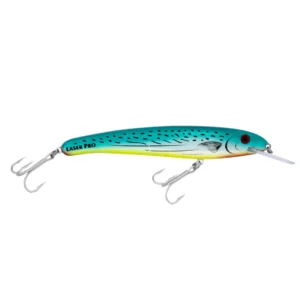
Carrying pre-rigged lures with appropriate hook sizes (3/0 to 10/0) is key for efficiency. Popular trolling lures include skirted lures, Rapala hard bodies, and Halco laser pros. Keep spare treble hooks handy for replacements.


Shallow or Surface Trolling Techniques

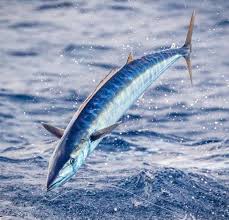
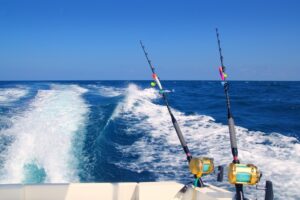
trolling tips Wahoo Gold coastSurface trolling refers to the depth of the lure, not the water itself. Many Gold Coast anglers troll over deep blue water while keeping baits or lures near the surface.
Target species for shallow trolling include:

  • Marlin & Sailfish

  • Mackerel & Wahoo

  • Mahi Mahi & Tuna

These fish feed on schools of baitfish like Yellowtail, Pilchards, Slimy Mackerel, and Flying Fish. Effective trolling mimics natural bait behavior:

  • Use a slow, skipping motion for skirted lures

  • Maintain a constant speed of 5–7 knots depending on current

  • Adjust speed for hard-body lures, ranging 2–11 knots for toothy predators

When trolling natural baits, ensure hooks are correctly placed to prevent escape. Live or dead baits should appear as natural as possible to attract strikes.


Marlin and Mahi Mahi Trolling

For big billfish like Marlin and Mahi Mahi, many Gold Coast offshore fishermen use artificial lures and teasers. Teasers, such as paddling birds or mirrored daisy chains, attract the fish to the spread before they strike the hooked lures.

Effective trolling spreads for smaller boats (15m or under) include:Trolling for Marlin

  • Two lures flat back behind the boat

  • Two lures on outriggers (wide)

  • Two lures in the prop wash (shotgun position)

Adjust speed and lure action if fish follow without striking. Sometimes speeding up or slowing down encourages an aggressive bite.


Slow Trolling Tips

Slow trolling is ideal for live bait like Yellowtail, Slimy Mackerel, or small Bonito. Baits must swim naturally:

  • Maintain a speed of around 2 knots

  • Live baits can be trolled directly behind the boat or using a downrigger

  • Use a treble “stinger” hook behind the main hook to secure strikes


Deep Trolling Techniques

Deep trolling targets fish well below the surface using:hard bodied lure

  • Deep-diving lures

  • Lead lines (with heavy rods)

  • Downriggers, which allow precise depth control and easy release when a fish strikes

Ensure natural baits run true without spinning. Improper hook placement or bait rotation can deter strikes from wary fish.


Why Trolling Works

Trolling is versatile and highly effective:

  • Covers more water than other fishing methodsGarmin international billfish tournament

  • Targets fast, large pelagic fish

  • Provides exhilarating reel-screaming runs when fish strike

With the right tackle, spread, and techniques, trolling can be both exciting and highly productive on the Gold Coast.

For those who don’t own a boat or want an expert-guided experience, Gold Coast trolling charters with True Blue Gold coast Fishing Charters are the perfect way to maximize your chances of hooking big gamefish.

Circle Hooks

Circle Hooks

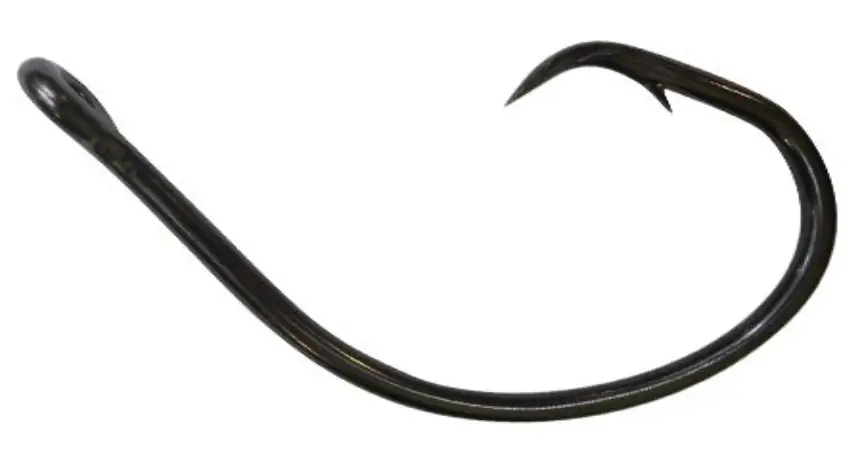
Circle hooks really are a great addition to any angler’s fishing safety. Because of its unique design and shape, it is safe for fish and increases successful catch and release. It is also safer for fisherman because the pointy end of the hook is turned so far inwards towards the shank of the hook that it cleverly decreases the possibility of fishos hooking themselves or their fishing buddies. Although not completely idiot proof it is vastly safer than other hook patterns.

The circle fishing hook design has been around a long time. Commercial long liners have used them with great success for decades while fishing for Tuna as have drop liners targeting Blue eye cod and Harpooka. Similar designs were created from bone by Aboriginals, who probably weren’t as bothered with catch and release. However, the circle pattern only recently gained popularity with recreational anglers.

However, the circle pattern fishing hook can’t replace all hooks. It is purely for bait fishing. The trick is to NOT strike the hook when you feel a nibble. Let the fish start run a little bit, then just raise the rod tip and start winding to tighten the line. As abnormal as this sounds, you have to let the circle hook do its job by pulling the bait away from the throat and slowly pivot into the side of the fish’s mouth. When hooked, the fish will not be able to shake this type of hook off like standard fishing hooks and the location the fish is pinned is almost always well away from throat and gills and usually right in the corner of the mouth.

Next time you are bait fishing, first make sure your tackle is up to scratch, then try experimenting with a circle hook. Most people will still struggle to keep their hook setting reflex in check. But with practice and patience, you too will be impressed when you see this weird, shaped piece of fishing safety gear in action. Circles are particularly good when deep water reef fishing and bites are hard to feel. We have found them to be very successful on bottom dwelling species like Snapper and Trag, But they also work well with pelagic species like Mackerel and Tuna.

Fishing With Kids

Fun With Kids

Fishing with Kids: A Fun and Educational Gold Coast Family Activity 🎣

Fishing with kids isn’t just a fun way to spend a day outdoors—it’s an opportunity to teach life skills, fosterTeraglin fishing gold coast with the kids confidence, and create memories that last a lifetime. Whether you’re a parent, guardian, or family member, introducing children to fishing offers countless benefits, both obvious and unexpected.
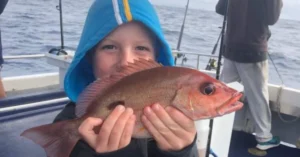
Here’s why you should take the next chance to bring kids along to your favourite fishing spot.


1. Encourage Kids to Unplug and Enjoy Nature

In today’s digital world, screens dominate kids’ lives—mobile devices, gaming consoles, and computers can often replace outdoor play. Teaching children to fish gives them a chance to unplug from technology and engage with nature. Watching the water, observing wildlife, and focusing on the fishing line helps kids improve attention spans and appreciate the mental and physical benefits of time spent outdoors.


2. Build Confidence and a Sense of Achievement

Few experiences are as empowering for a child as catching their first fish. Fishing teaches kids patience, persistence, and skill mastery, boosting their confidence with every cast and catch. From learning to cast a line to reeling in a fish, each small victory provides a sense of accomplishment that children carry with them beyond the fishing trip.


3. Teach Kids About Marine Ecosystems

deep sea fishing kidsFishing trips are a hands-on way to explore marine biology. Kids learn about the ecosystems fish inhabit—rivers, creeks, or offshore waters—while gaining knowledge about fish species, habitats, and the food chain. These educational moments spark curiosity about the natural world and instill a lifelong interest in the environment.
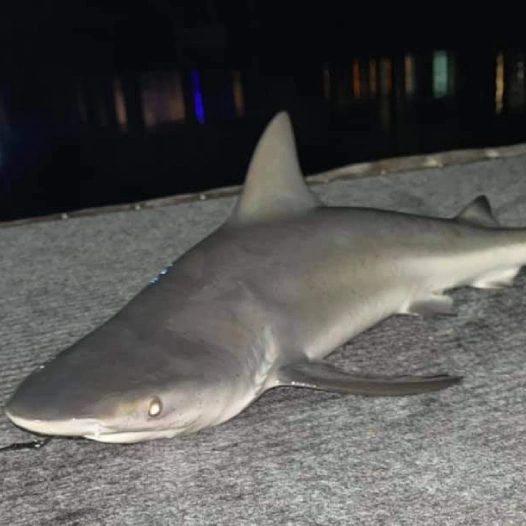

4. Promote Conservation and Responsible Fishing

Fishing is also a powerful way to teach children about conservation and sustainability. By educating kids on catch limits, fishing regulations, and proper catch-and-release practices, you can help instill responsible habits from a young age. Understanding the importance of taking only what they need ensures the next generation of anglers appreciates and protects fish populations.


5. Strengthen Family and Friend Bonds

Fishing provides the perfect backdrop for quality family time and bonding. Sharing the excitement of a big catch, laughing over missed attempts, and celebrating small victories creates lasting memories. Kids not only develop angling skills but also build deeper connections with parents, grandparents, and friends—making every trip a shared adventure.


Make Your Gold Coast Family Fishing Experience Unforgettable

If you’re looking to introduce your kids to fishing in a safe and enjoyable environment, Gold Coast family fishing charters are a great option. Expert guides provide all the gear, teach essential fishing skills, and take you to kid-friendly fishing spots for a day full of fun, learning, and adventure.

Shark Fishing Gold Coast | Extreme Offshore Shark Fishing Charters

Shark Fishing Gold Coast

True Blue Fishing Charters is the Gold Coast’s leading provider of shark fishing charters, offeringmako shak fishing adrenaline-charged offshore experiences targeting some of the biggest sharks in Australian waters.
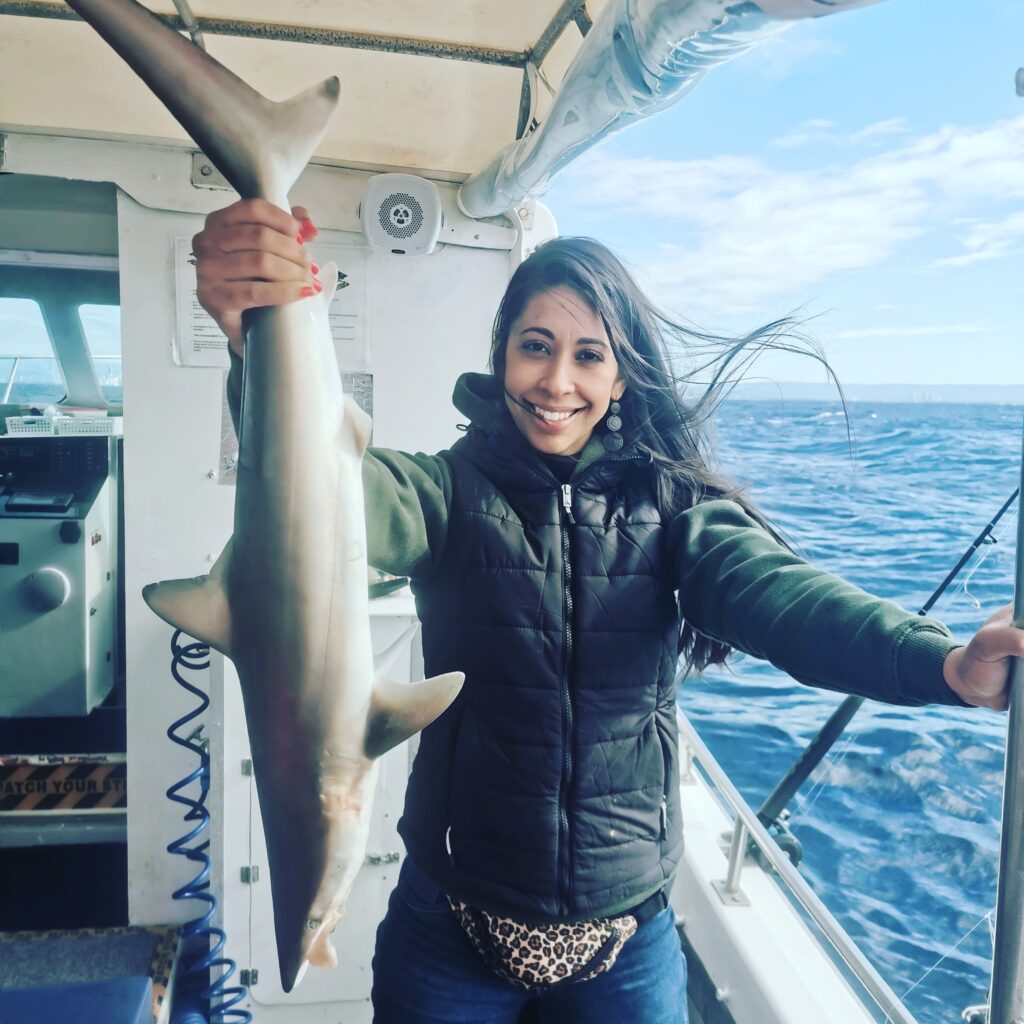
Feel the raw power as a shark weighing well over 300kg takes the bait. Prepare for long, brutal fights as you go head-to-head with true ocean predators. Shark fishing on the Gold Coast is not for the faint-hearted—but it’s unforgettable.

We regularly target and catch a wide range of shark species, including Bronze Whalers, Tiger Sharks, Hammerheads, Mako Sharks, Bull Sharks, and more.


Gold Coast Shark Fishing Charters – What to Expect

Our experienced owner-operators will power you offshore aboard our modern fibreglass vessels, SeaQuest and Fat Hooker. Once anchored on productive reef systems, the crew will brief you on the equipment, techniques, and safety procedures.

The baits are then set, and we begin chumming (burleying) the water to draw sharks in close. When the reel screams and line starts melting off, you’ll be harnessed up and ready for battle.

You can fight the shark solo or rotate the rod between your group. Gold Coast shark fishing charters are ideal for team building, corporate groups, and sporting clubs looking for a serious challenge.


Target Shark Species on the Gold Coast

Mako Sharks

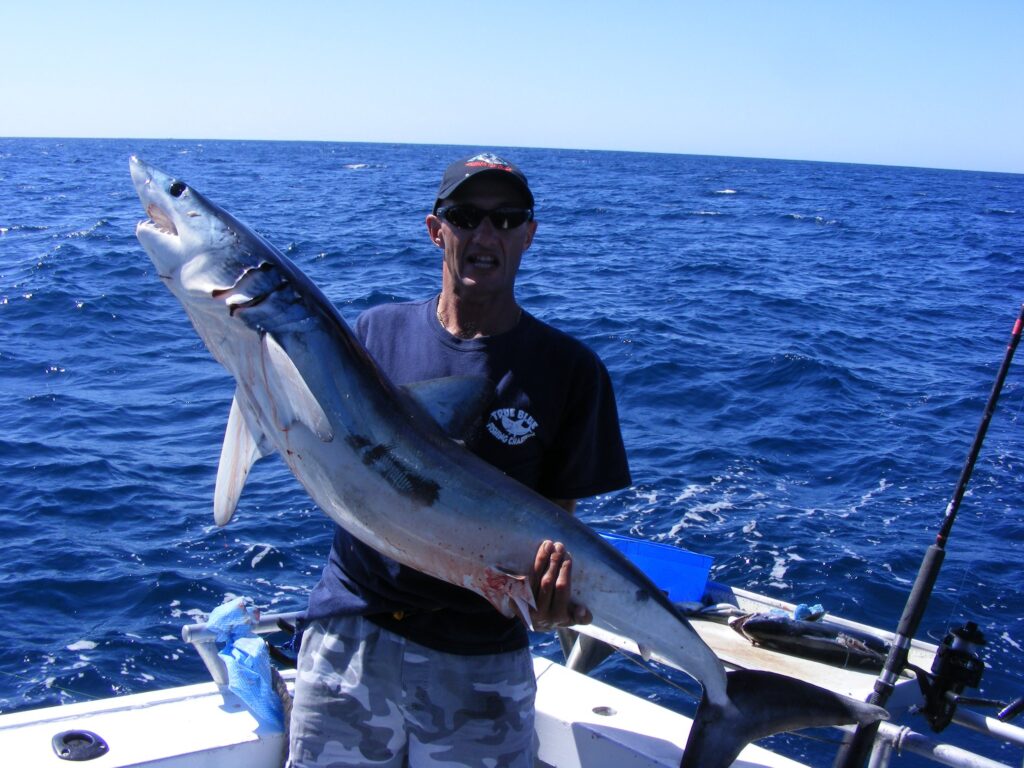
Mako sharks are famous for their speed, power, and aerial displays. Growing between 1.8–3.5shark fishing metres and weighing up to 400kg, makos are built for pure performance.
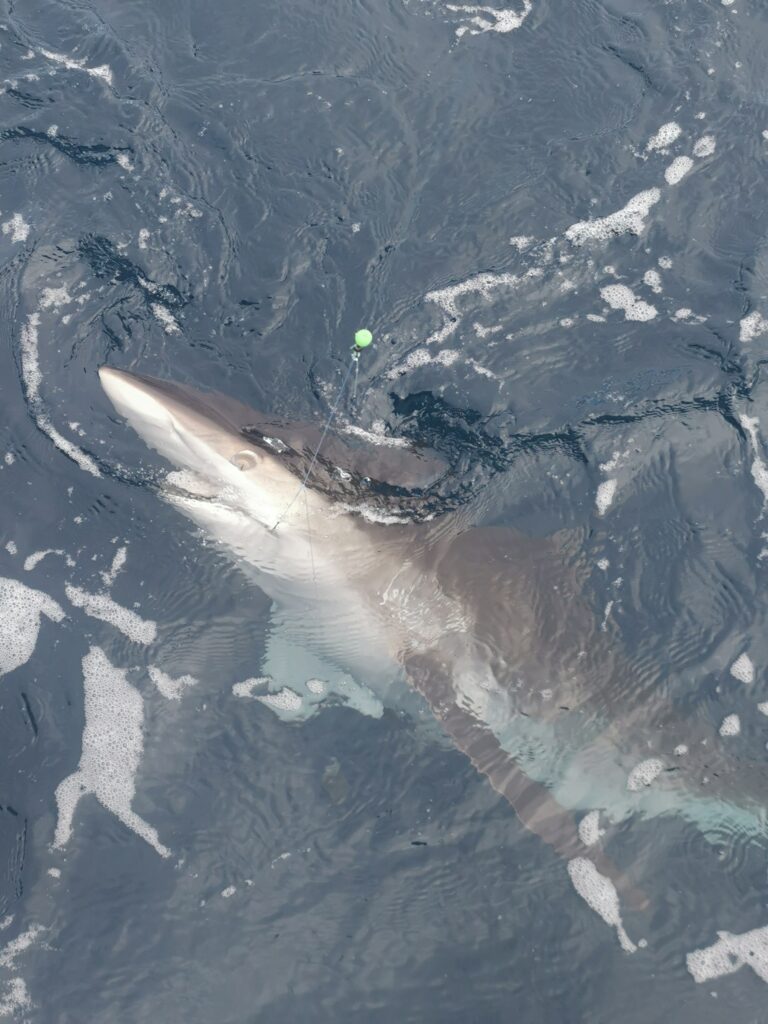
They feed primarily on fast-moving fish such as tuna, mackerel, bonito, and yellowtail scad. On our Gold Coast shark fishing trips, makos respond exceptionally well to burley and oily baits like tuna and slimy mackerel.

Expect blistering runs and relentless pressure—makos are true elite fighters.


Bull Sharks

Bull sharks (Carcharhinus leucas) are one of the most common sharks found on the Gold Coast. They inhabit close offshore reefs, canals, and river systems, often in surprisingly shallow water.

Females can reach 4 metres and weigh over 300kg. Bull sharks are thick, powerful, and relentless fighters, known for deep, sustained battles.

Most bull sharks on our charters are caught just a few miles offshore, making them a regular feature of Gold Coast shark fishing adventures.


Tiger Sharks

Tiger sharks are among the largest predatory sharks in the ocean, averaging 3.25–4.25 metres and weighing up to 635kg.

Recognisable by their dark body stripes, tiger sharks are solitary hunters with an incredibly diverse diet, including fish, turtles, dolphins, squid, and other sharks.

They are renowned for long, brutal fights, often lasting hours. Favourite baits include whole tuna, mullet, and large slab baits.


Hammerhead Sharks

Hammerhead sharks are instantly recognisable by their distinctive hammer-shaped heads. Species rangeshark fishing gold coast from 0.9 to 6 metres in length and are commonly found along continental shelves and reef systems.
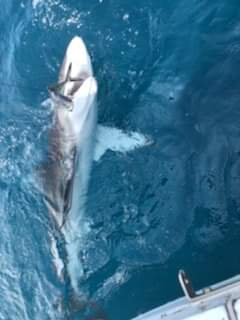
Hammerheads feed on fish and crustaceans and are often caught on live slimy mackerel and yellowtail. They’re a prized capture on lighter tackle and provide fast, exciting fights.


Bronze Whaler Sharks

Bronze whalers (Carcharhinus brachyurus) are extremely common on Gold Coast offshore reefs. They grow up to 3.5 metres and can weigh over 300kg.

These sharks are incredibly powerful and known for deep, stubborn fights that can last several hours. Bronze whalers respond exceptionally well to burley and are the most commonly caught shark on our Australian shark fishing charters.


Shark Fishing Bait & Tackle

Rods & Reels

Our Gold Coast shark fishing charters use top-tier Shimano tackle, including Tiagra 50W, 30W, and 30 reels, paired with custom game rods.

  • Tiagra 50Ws: Over 1,000m of 37kg mono

  • Tiagra 30s & 30Ws: Spool with 15–24kg line

All tackle is professionally maintained and charter-ready.


Traces & Terminal Tackle

Sharks are brutal on gear, so only heavy-duty tackle is used:

  • 12/0+ super-sharp hooks

  • 3–5m of 300kg multi-strand wire

  • 2–4m of 200kg Jinkai mono

  • Large ball-bearing snap swivels

  • Total trace length: 5–9 metres

All traces are pre-rigged by our crew before you arrive.


Gaffs, Tag Poles & Catch and Release

We prioritise tag and release shark fishing. Sharks are brought boat-side for photos and video, then safely released with minimal harm.

Sharks are not killed for trophies. This approach supports sustainable shark fishing on the Gold Coast and ensures future generations can enjoy the experience.


Gimbal Belts & Harnesses

Fighting large sharks for extended periods is physically demanding. To reduce strain, we provide Black Magic gimbal belts and harnesses, allowing you to fight big sharks safely and comfortably.


Bait & Burley (Chum)

We use a mix of live and dead baits, including:catching sharks Gold coast

  • Whole mackerel tuna (preferred)

  • Bonito

  • Mullet

  • Slimy mackerel

  • Yellowtail scad

A strong burley trail is essential. Both vessels are equipped with burley pots and mashers, using oily fish flesh to keep sharks engaged.


Book a Gold Coast Shark Fishing Charter

If you’re ready to experience the ultimate offshore adrenaline rush, shark fishing on the Gold Coast delivers like nothing else.

📞 Call 07 5510 9622 to book or learn more about our deep sea and shark fishing charters.

Frequently asked questions

Frequently asked questions true blue fishing

Below is a list of the most frequently asked questions about our charters

HOW DO I ENQUIRE, BOOK AND PAY?
Bookings can be made instantly Online, by Email or by phoning (07) 55109622     To Secure your booking we  require a holding deposit. This can be paid by visa, mastercard, or American express, either online, over the phone or via email, if you don’t have a credit card we can provide you our bank account details and you can pay by EFT or a deposit at your closest ANZ bank branch. The remaining balance is payable on the boat after boarding. Balance can be paid in cash, credit card or Eftpos. In the event of your charter being cancelled due to bad weather, you can either choose to go on a future date. if this isn’t possible we will fully refund any deposit paid.
Our email address is booknow@truebluefishing.com.au

IVE NEVER BEEN FISHING BEFORE, IS THAT A PROBLEM? – Absolutely not, we give you all the tuition you need to achieve an excellent fishing technique, Our friendly skippers and deckhands are more than happy to help you catch the fish of your dreams. First timers are made to feel more than welcome.

CAN I KEEP THE FISH THAT I CATCH? – Yes,  you choose to either keep or share your legal fish, if you prefer you can release your fish. All fish that are kept, are gilled and gutted by our crews and placed on ice, we will also bag your fish for you to take home and eat. Just bring an esky and leave it in your car, you can then get your fish home without stinking your vehicle out.

WHAT IS INCLUDED IN THE PRICE? – Included in the price is all bait, quality Shimano and penn fishing rods and reels, all terminal tackle, full tuition from our expert crews. Cold bottled water.

WHERE DO WE BOARD THE BOAT AND AT WHAT TIME? – Our Gold Coast fishing charters depart from The Spit pontoon, Muriel Henchman drive Main beach. Deep sea, reef, game, and shark fishing charters depart at 6am and 11am.

WHAT ABOUT PARKING?-There is plenty of free parking at the car park adjacent to the pontoon, just seconds away from the boat. Free parking all day. Please ensure you park legally, Council rangers have been issuing fines to illegally parked vehicles. Don’t park on the grass or in boat trailer designated spots.

HOW FAR DO YOU GO OUT TO SEA? – Up to 20 nautical miles but rarely more than 15 nautical miles from shore, it depends on the weather, target species and what’s on the bite on the day of your trip.

WHICH DAY DO I BOOK AND DO WE FISH IN BAD WEATHER? We recommend that you book your trip  early in your holiday stay, so that we can reschedule in case of unsafe weather, (ie. strong wind or and high seas) we don’t reschedule if rain is forecast or if it is raining, Bring a rain coat. our skippers receive numerous weather reports daily, in the event of high winds or big seas we will contact you if the trip needs to be rescheduled to another date. it is very important that we have a phone no. which we can contact you on. If your trip is cancelled due to bad weather, you will receive a full refund of your deposit.

WHAT ARE THE MINIMUM NUMBERS REQUIRED TO BOOK? – We build the group. Singles, twos, threes etc. are no problem.

CAN I BYO? Yes, food, alcohol/drinks, and fishing gear is no problem.

WHAT SPECIES WILL WE BE TARGETTING? It depends on the time of year, our most common targets include Snapper, Cobia, Tuna, Mackerel, Dolphin fish, Teraglin, Jewfish, Pearl perch, Cod, Marlin, Sampson fish and many more.

WHAT FISHING METHODS DO YOU USE? we use various fishing methods and techniques including bottom rigs, float lines, live baiting, trolling, spinning, jigging and more.

Whale Watching Gold Coast

Whale Watching Gold Coast

Whale watching Gold coast is becoming one of the world’s most natural experiences, and nowhere is itwhale watching on the Gold coast as entertaining as the pristine blue waters of the Pacific ocean off the Gold coast Queensland, Australia. This large coastal city has fast become known as a sensational whale watching destination. Every year thousands of southern humpback whale groups leave their feeding grounds in the Antarctic to begin their epic voyage North. A journey of almost 10,000 Kilometres. A larger number of the whale pods travel up along the east coast of Australia, passing the Gold coast and Brisbane on their way to their breeding and birthing grounds in the sub tropical waters of the Great Barrier Reef north of Hervey Bay.
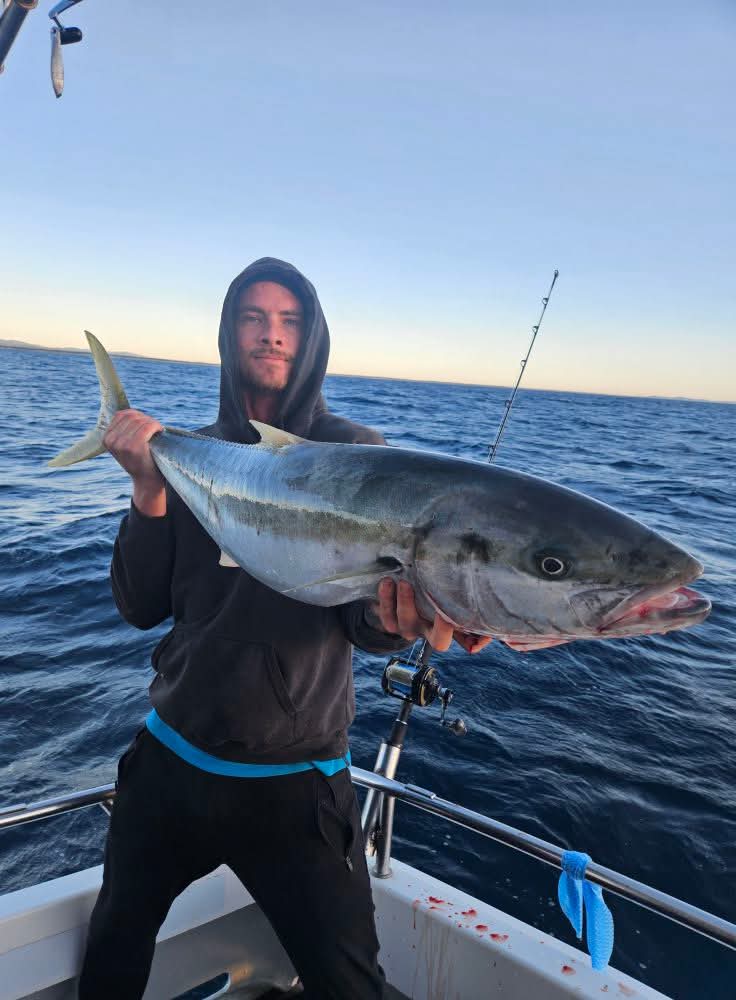
It is an amazing experience to watch, from close quarters 40 tonne whales leap out of the out of the ocean, lift their magnificent heads to watch the whale watchers observing them, wave with their flippers, splash their huge powerful tails as they dive and roll over in the ocean.

Humpback Whales are now a protected species and commercial whaling in Australia is now prohibited. However, off the coast of South-East Queensland in the early 1950’s and 1960’s around 45,000 whales were slaughtered for their blubber and meat which was turned into stock feed for Aussie farmers. The numbers of whales in the area severely declined.

Humpback Whales have since recovered very strongly in the Southern Hemisphere, increasing to an estimated 15,000 animals in 2014 and continuing to grow by about 12% every year. This is incredible when you think that they were almost hunted to extinction, there was thought to be only 400 left in the mid-sixties. Nowadays, Humpback Whales can relax as they enjoy additional protective measures, such as whale sanctuaries, in a number of countries including Australia. The Australian Whale Sanctuary provides safe haven for whales within Australian waters 200 nautical miles off the coastline. This makes for great whale watching Gold coast.

During whale season (June – November) True blue fishing is offering our fast vessels MV “Seaquest” and MV “fat hooker” for private charter for whale watching Gold coast (Monday-Friday). For groups of 1-16 people. Tour duration is 3 hours, departure times are flexible. For more info about our gold coast whale watching tours please give us a call on 07 5510 9622.

Whale watching


Seasonal Fishing Guide Gold Coast

Fishing Seasons

Gold Coast Seasonal Fishing Guide – Plan Your Offshore Adventure 🎣

The Gold Coast, famous for its stunning beaches, is also home to world-class offshore fishing,Seasonal fishing guide Cobia offering a rich diversity of species year-round. From agile Mackerel to elusive Marlin, every season brings new challenges and unforgettable catches. This comprehensive seasonal fishing guide will help you plan your next adventure, ensuring you target the right species at the right time.
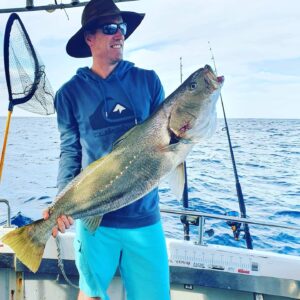
For the ultimate fishing experience, True Blue Fishing Charters provides access to the best offshore reefs, expert guidance, and quality tackle to maximize your catch.


Winter Wonders (June–August)

mullowaySnapper (April–November):
Snapper are a prized target on Gold Coast reefs during the cooler months. Known for their pink hue and substantial size, they respond well to baits like squid, pilchards, or fresh cut fish.

Pearl Perch (February–November):
Silver-bodied Pearl Perch dwell in deeper reefs and offer a reliable winter catch for anglers seeking both quantity and quality.

Kingfish & Amberjack:
These fast and powerful predators also appear in winter, particularly around offshore reef structures, delivering thrilling fights for light-tackle enthusiasts.


Summer Highlights (December–February)

Marlin:
Nothing beats the excitement of Marlin fishing. Their long bills, aerial acrobatics, and sheer powerBlack marlin fishing make them the ultimate challenge for sport fishers during the summer months.
Wahoo (November–May):
Fast and furious, Wahoo provide explosive runs that test your angling skill. They are best targeted around offshore reefs and current lines.

Flathead & Tuskfish:
Flathead are available year-round and are perfect for family-friendly angling. Tuskfish, with their vibrant colors and tenacious fight, remain a fun catch for all levels of anglers.


Autumn & Spring Adventures

Cobia (April–October):
Sleek and strong, Cobia often cruise near the surface, making sight fishing on burley trails highly effective. They are especially active in autumn when water temperatures begin to cool.

Mackerel (Spanish & Spotted – December–May):
Mackerel species offer both sporting action and excellent eating. Spanish mackerel can reach up to 20kg, while Spotties provide consistent catches in shallower waters.

Tuna (Mackerel – March–November, Yellowfin – December, January, May–November):
These torpedo-shaped speedsters are a thrill to chase. Yellowfin Tuna are a highlight for offshore anglers, renowned for their strength, endurance, and high-speed runs.


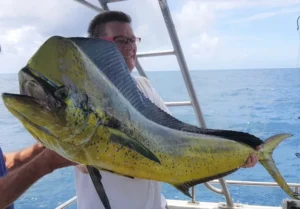
Summer Spectacles – Mahi Mahi (Dolphin Fish, December–April)

Mahi Mahi are visually stunning and highly acrobatic, making every hook-up a spectacle. Their vibrant blues, greens, and golds add a colorful dimension to offshore fishing, while their strong fight ensures memorable action.


Planning Your Trip

The Gold Coast delivers world-class fishing year-round, whether you are a beginner or a seasonedsnapper angler. Each season offers unique species, challenges, and rewards. From Snapper in winter to Marlin in summer, your fishing calendar is packed with opportunities.
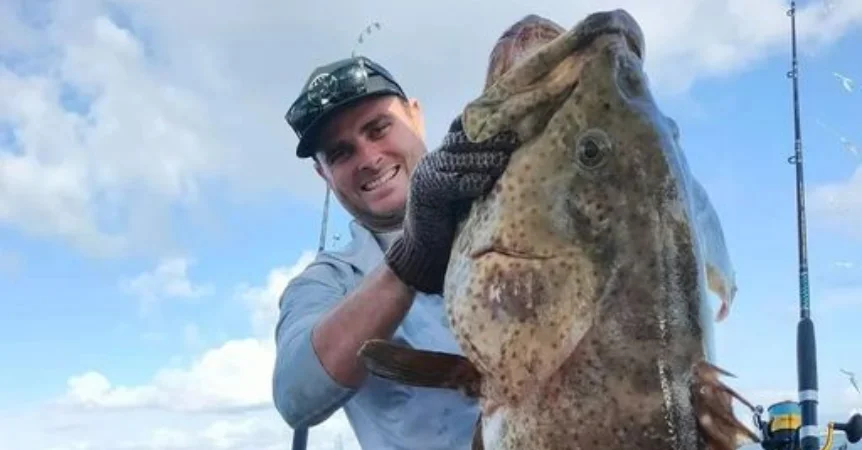
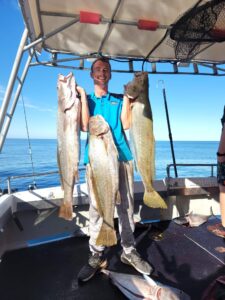
For the best results, consider booking a Gold Coast half day charter with True Blue Fishing Charters. Our experienced skippers know the best reef systems, current lines, and techniques to maximize your catch while keeping your day safe and enjoyable.


Book Your Adventure

Don’t wait—plan your next Gold Coast fishing trip today! Every season brings new opportunities, and with True Blue Fishing Charters Gold Coast, you’ll have access to the best offshore grounds, baits, and tackle for an unforgettable experience. Call 07 5510 9622 or visit our website to secure your spot.