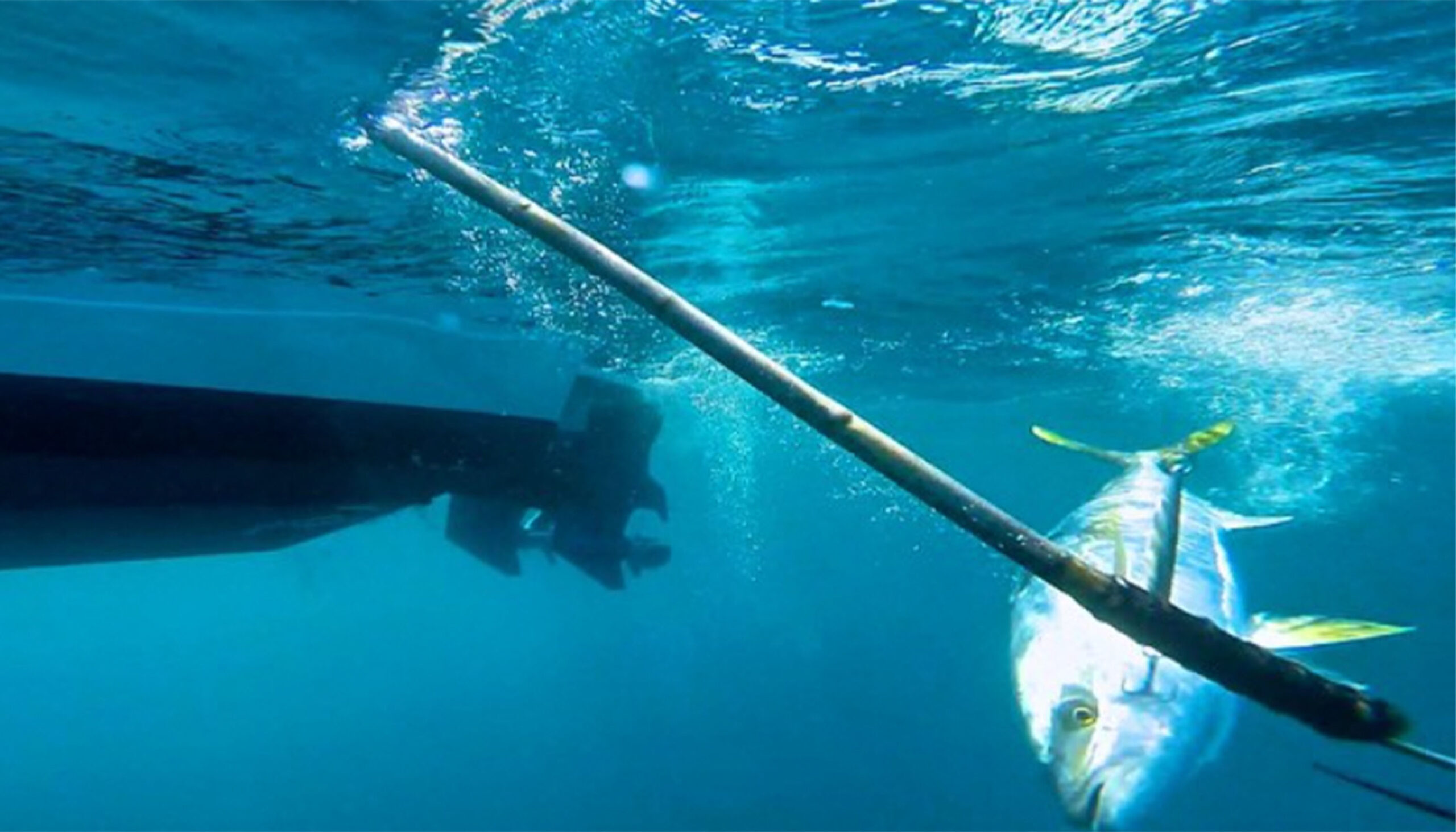
Gaff Hooks Explained: What They Are, When to Use Them & How to Use Them Safely 🎣
When targeting larger fish, few tools are as important — or as misunderstood — as the gaff hook. Used correctly, a gaff allows anglers to land big, powerful fish safely and efficiently. Used incorrectly, it can damage fish, cause injuries, or even cost you the catch of a lifetime.
In this guide, we’ll break down what gaff hooks are, the different types, when to use them, how to gaff a fish properly, and the safety considerations every angler should know.
What Is a Gaff Hook?
A gaff hook is a large, sharp hook mounted on the end of a handle or pole, designed to help lift and control big fish at the boat or rocks once they are alongside. Unlike landing nets, gaffs are typically used when: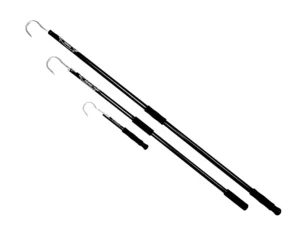
The fish is too large or heavy to net
The fish is being kept, not released
Control is needed quickly to avoid losing the fish
Gaffs are most commonly used in offshore fishing, rock fishing, and game fishing.
When Should You Use a Gaff?
A gaff should only be used when you intend to keep the fish. Because a gaff punctures the fish, it almost always causes fatal injury.
Common Situations for Using a Gaff
Landing tuna, wahoo, mackerel, cobia, mahi mahi
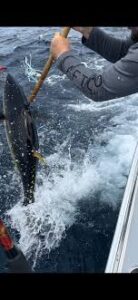
Bringing large reef fish aboard
Offshore trolling and live bait fishing
Rock fishing for large pelagics
When NOT to Use a Gaff
Catch-and-release fishing
Landing undersized or protected species
When a landing net is safer or more appropriate
If there’s any chance the fish will be released, a rubber landing net or lip-grip tool is the better option.
Types of Gaff Hooks
Not all gaffs are the same. Choosing the right one depends on your fishing style and target species.
🪝 Fixed Gaffs
These have a permanently attached hook.
Best for:
Small to medium offshore fish
Pros:
Simple and reliable
Affordable
No moving parts
🔗 Flying Gaffs
The hook detaches from the handle once it’s set in the fish and is connected by a rope.
Best for:
Very large or powerful fish (big tuna, marlin, sharks)
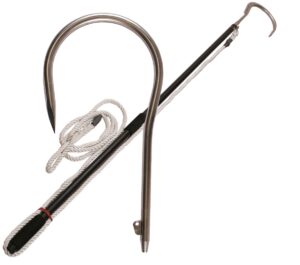
Game fishing
Pros:
Reduces leverage that can tear the hook out
Safer for landing huge fish
🪵 Short vs Long Gaffs
Short gaffs (60–90cm): Ideal for boats with low freeboard
Long gaffs (1.2–1.8m+): Better for rock fishing or high-sided boats
How to Gaff a Fish Properly
Correct technique is crucial for safety and landing success.
 Step-by-Step Gaffing Technique
Wait until the fish is tired
Never gaff a green fish still full of energy.Position the fish alongside the boat
Head facing forward, controlled and stable.Aim for the shoulder or head area
Gaff just behind the head or in the shoulder — avoid the belly.Commit to the shot
A confident, clean gaff is better than a hesitant poke.Lift smoothly and decisively
Use your legs and body, not just your arms.
Common Gaffing Mistakes to Avoid
❌ Gaffing too early
❌ Gaffing the belly or tail
❌ Using a gaff on fish meant to be released
❌ Swinging the gaff wildly
❌ Leaving gaffs loose on deck
These mistakes can lead to lost fish, injuries, or damaged gear.
Gaff Safety: Protect Yourself & Your Crew
Gaff hooks are extremely sharp and can be dangerous if mishandled.
Essential Safety Tips
Always keep the gaff secured when not in use

Never point a gaff toward another person
Communicate clearly when gaffing (“GAFF!”)
Wear gloves when handling gaffed fish
Store gaffs in holders, not on the deck
On boats, many injuries happen after the fish is gaffed — not during the strike.
Gaff vs Net: Which Should You Use?
| Situation | Best Tool |
|---|---|
| Catch and release | Landing net |
| Small to medium fish | Net or lip-grip |
| Large fish you’re keeping | Gaff |
| Game fishing | Flying gaff |
Choosing the right tool improves both fish quality and angler safety.
Caring for Your Gaff Hook
Like all saltwater tackle, gaffs need maintenance.
Rinse with fresh water after every trip
Lightly oil the hook to prevent rust
Sharpen regularly — a sharp gaff is safer than a dull one
Inspect rope and connections on flying gaffs
A poorly maintained gaff can fail when you need it most.
Ethical Use of Gaff Hooks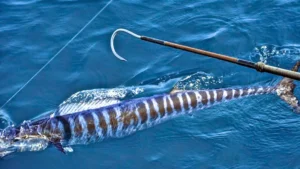
Responsible anglers use gaffs ethically:
Only on legal-size fish
Only when keeping the fish
Never on protected species
Good gaff technique ensures a quick, humane landing and better eating quality.
Final Thoughts
A gaff hook is one of the most effective tools for landing big fish — but only when used correctly. Understanding when to gaff, where to gaff, and how to do it safely can make the difference between success and disaster on the water.
Whether you’re offshore fishing chasing pelagics, rock fishing, or bottom fishing reefs, mastering gaff use is a key skill every serious angler should have 🎣
Related Posts

Plan Your Next Charter
Chasing reef fish, game species, or a great day out on the water? Our crew is ready when you are.