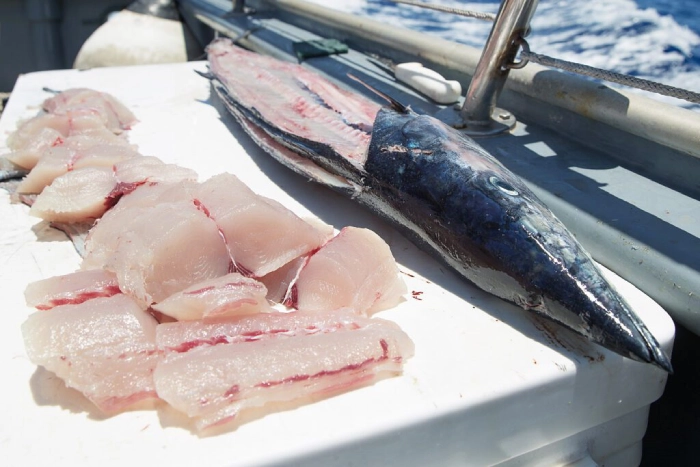
Many of our satisfied Gold Coast fishing charter customers ask us how to prepare and cook their catch, below is a variety of delicous fish recipes you can use to turn your catch into a gourmet feast.
Mark’s beer batter
a simple and easy way to cook fish fillets
Ingredients
1 can of xxxx Gold or similar light to mid strength beer
2 egg whites, beaten
2 teaspoons of olive oil
pinch of salt and pepper
2 cups of plain flour
Mix all ingredients together, add flour last, then use a hand held beater or whisk, beat until smooth and free of lumps, coat fish fillets in flour, then dip them into batter. Fry fish in hot oil (not less than 190 degrees celsius) for 5-10 minutes depending on thickness of fish fillets. Serve with chips and salad.
True blue fish cakes
fish cakes, fish burgers, rissoles call them what you like
Ingredients
1kg of boneless fish fillets, kingfish, trevally or sweep are ideal, but this recipe will work with almost any species.
1 small onion
2 celery stalks, finely chopped
1 red capsicum finely diced
grated lemon rind and 1/4 cup of lemon juice
3 drops of Tabasco sauce
salt and pepper
plain flour
1 large egg
1/2kg of potatoes boiled and mashed
125ml of milk
Sao biscuit crumbs
Place fish in pan and cover with water, add cellery onion, lemon juice and rind, tabasco and salt and pepper, boil uncovered for ten minutes then allow to cool and add mashed potatoes and mix thoroughly.
Shape into flat patties with your hands and then roll in flour and dip in egg and milk mix. after dipping coat with sao biscuit crumbs. Fry in hot olive oil for approximately 10 minutes depending on thickness.
Serve as a burger or on a plate with vegetables or salad.
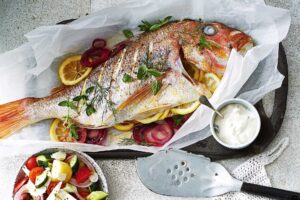
Barbecue Snapper with ginger and shallots
A delicious way to BBQ whole fish snapper can be substituted with other fish spieces.
Ingredients
1 whole snapper Gilled and gutted approximately 1-3 kgs, (will work with bigger snapper but cooking time will need to be increased to suit)
sea salt
Ground pepper
1 lime
5 shallots (spring onions)
1 cup of Corriander leaves
1 tablespoon of finely grated ginger.
Canola oil spray
Dressing ingredients
1 shallot (spring onion)
1 teaspoon finely grated ginger
3 tablespoons of corriander leaves
2 tablespoons lime juice
1 tablespoon of fish or oyster sauce
1 teaspoon sesame oil
Make the dressing first, finely slice green part of shallot and the corriander leaves, mix together with ginger, lime juice, fish sauce and sesame oil.
Ensure snapper has been thouroughly cleaned, gilled gutted and scaled, pat it dry with a paper towel, then make diagonal cuts through the thickest part of the flesh 2cm apart, cut in both directions to form a diamond pattern in the flesh. Season snapper with sea salt and ground black pepper.
Peel the lime with a sharp vegetable knife then separate into pieces (segments), slice spring onions diagonally, mix with corriander, lime segments and ginger then stuff the mix into the fishes gut cavity. Spray heavy duty aluminium foil with canola oil then wrap the fish tightly ensuring all edges are sealed up.
Pre heat barbecue plate to a medium heat. place fish parcel in the centre of the BBQ plate and cook for 10 minutes, then gently turn it over and cook for a further 8 minutes or until it flakes when tested in the thickest part.
Once the fish is cooked open the foil parcel and slip the fish onto a platter, pour the cooking juices over the fish and drizle the dressing over the top and serve. Delicous with steamed rice, garden salad or green vegetables.
Tuna steaks with tomato butter and asparagus
a sensational summer BBQ fish recipe that works well with Tuna, marlin or mackerel steaks.
Ingredients
4 fish steaks (Tuna, Marlin, Mackerel) will work with other species
120 grams butter
60 grams semi sun dried tomatoes
3 tablespoons baby capers (drained and crushed)
5 garlic cloves (crushed)
70ml virgin olive oil
350 grams asparagus spears
1 lemon
Place butter in bowl and add tomatoes, basil and 3 garlic cloves (crushed) and mash it all together, refrigerate until butter is firm then leave in a bowl at room temperature until required.
In a seperate bowl mix 2 tablespoons of olive oil and the remaining garlic. Toss the asparugus spears in the mix until they are evenly coated then season with salt, pepper and lemon juice and leave for 20 minutes.
Pre heat Barbecue grill to high heat, brush fish steaks with remaining oil mix, cook fish steaks for 2-3 minutes per side depending on thickness. Place a tablespoon of the tomato butter on each steak as soon as its removed from the BBQ and season with salt, pepper and lemon juice to taste.
Cook the asparagus on the BBQ plate making sure to turn it regularly for 3-4 minutes, serve asparagus with fish and a lemon wedge for a delicious summer time meal.
Grilled fish with salsa
A gourmet Italian style fish dish works well with Tuna, swordfish, mackerel, Shark and many many more.
Ingredients
Juice of 1 lemon
Sea salt and freshly ground black pepper
extra virgin olive oil
4 cloves of garlic (peeled and finely sliced)
a sprig of fresh mint leaves roughly sliced
a sprig of oregano leaves roughly sliced
5 x 1-2cm thick fish fillets or cutlets
Squeeze lemon juice into a bowl and 3 times as much extra virgin olive oil, season with sea salt and freshly ground black pepper, add garlic and stir in mint and oregano.
heat BBQ grill or frying pan until very hot, season fish fillets or cutlets with sea salt and pepper then cook for 2 minutes each side until golden brown, serve on plates and spoon the sauce over the top, serve with rice or green salad.
Oven Baked Teraglin (trag jewfish)
A simple tasty oven fish recipe, great for trag jew, snapper and other whole fish.
Ingredients
1 Teraglin (trag jew) 1-3kgs
140 grams of butter
2 lemons
1 lime
Gill gut and scale fish then rinse with water and pat dry with paper towel, slice one lemon and one lime, grease a large sheet of aluminium foil with butter, place fish in centre of foil and put slices of lemon and lime over, around and inside the fish, wrap tightly ensuring edges are sealed. Pre heat oven to 180 degrees celcius then bake for 20-30 minutes depending on size of fish. Serve on a platter decorated with parsley and lemon wedges. great with boiled potatoes and green vegetables.
Barbecue fish fillets
A simple BBQ fish recipe suitable for a wide variety of fish species.
Ingredients
6 medium size white fish fillets
juice of 1 lemon
2 tablespoon of olive oil
1 white onion (finely chopped)
2 tablespoon of chopped parsley
3 teaspoons Pernod
frehly ground black pepper
Place fillets in flat glass dish, combine lemon juice, parsley, olive oil, onion, pernod, pepper and pour over fillets, stand covered for 30 minutes. Cook fillets on barbecue plate at medium heat for approximately 3 minutes per side brushing with oil as you go.
Serve fillets with lemon and salad.
Chilli and Garlic fish parcels
A tasty fish recipe that be used with fish fillets or whole fish
Ingredients
4 Fresh chillis
4 garlic cloves
1 tablespoon of olive oil
sea salt
Ground pepper
1/2 cup of dry white wine
juice of one lemon
1 white onion
1 Roma tomato
butter
Grease heavy duty foil with butter and place whole fish or fillets in the centre, form foil into a bowl shape so it will hold juices.
finely slice chilli, garlic, onion and tomato and spread around fish, pour over olive oil, lemon juice and white wine, season with sea salt and ground pepper, then wrap foil into tight parcel ensuring that edges are sealed, double wrap with another piece of foil to avoid leakage. Can be cooked in the oven (180 degrees celsius) or on a BBQ plate at medium heat for approximately 20-25 minutes. Delicous when served with rice.
fish recipes, BBQ fish recipes, grilled fish recipes, oven fish recipes, tasty fish recipes, how to cook fish, gourmet fish recipes.
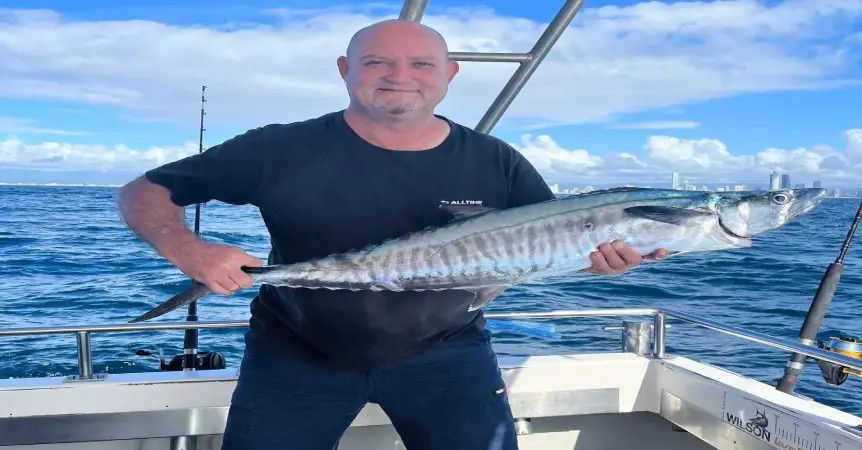
 fish. Mackerel are among the ocean’s fastest species, known for razor-sharp teeth and blistering high-speed runs. They provide both adrenaline-packed sport and excellent eating quality, making them a top target for South East Queensland anglers.
 Mackerel are structure-oriented hunters that congregate where bait is abundant. Key habitats include: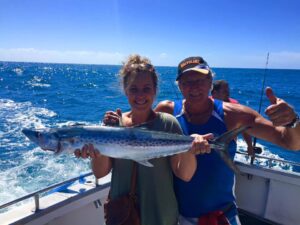
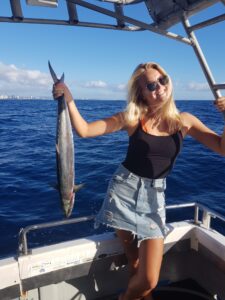 Locating mackerel is key. Keep a close eye on:
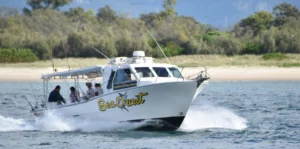 charters provide access to the best offshore grounds. Expert skippers know where to find schooling mackerel, which tackle and baits work best, and how to safely handle these powerful predators.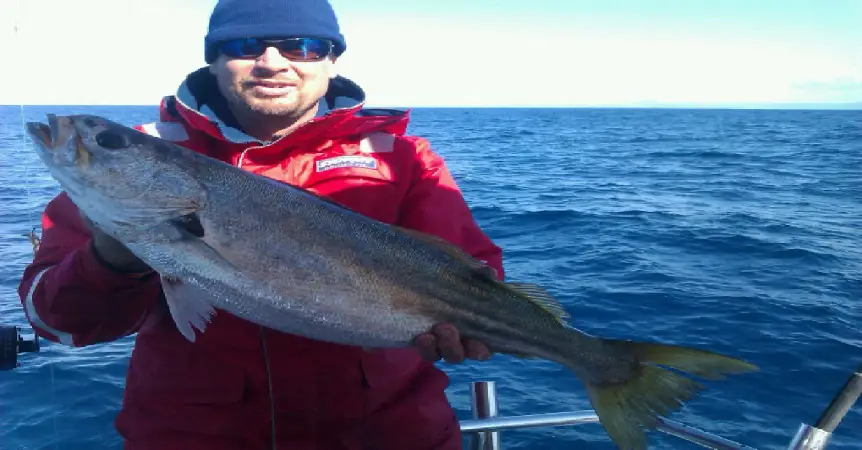
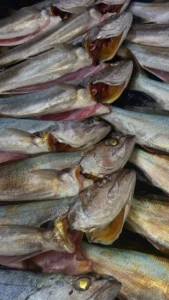 locally as trag, trag jewfish, or simply
 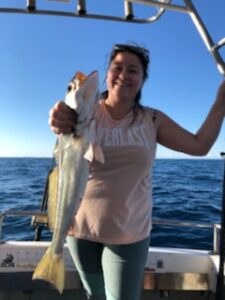 Teraglin respond well to both live and dead baits, and fresh bait is always preferable. Effective options include:
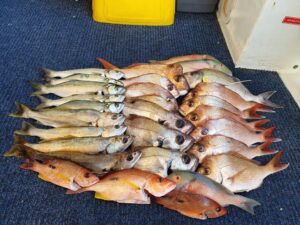 paternoster rig or a floater rig.
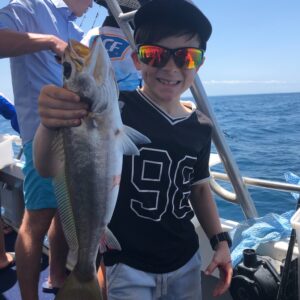 Teraglin hold close to structure and prefer hard bottom, drop-offs, and pinnacles. They are often found in mid-water or near the bottom, where they feed on small baitfish and crustaceans.
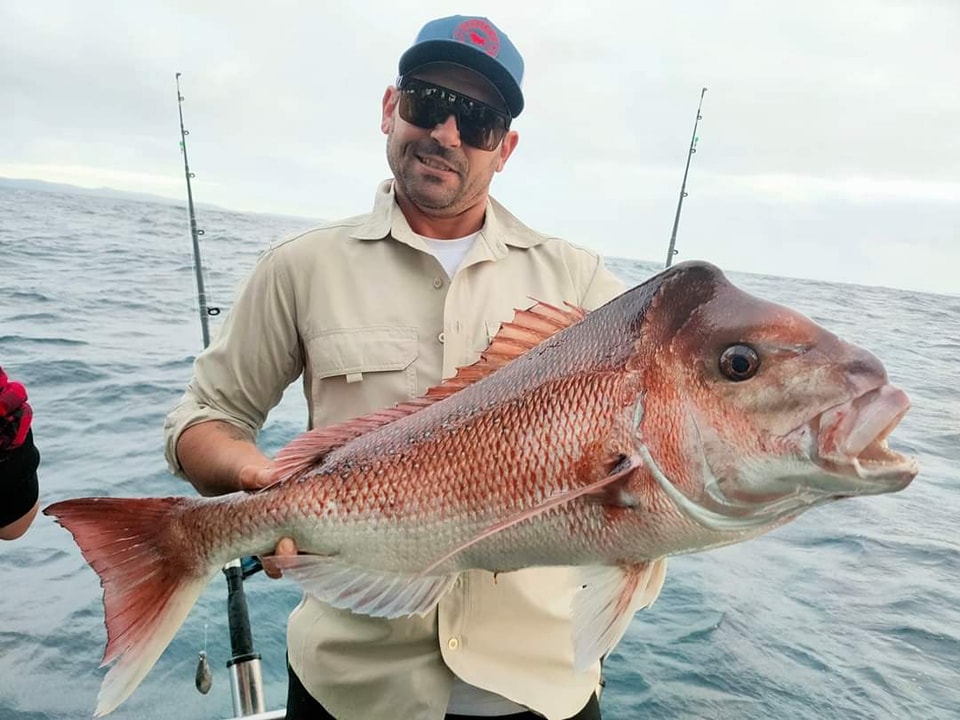
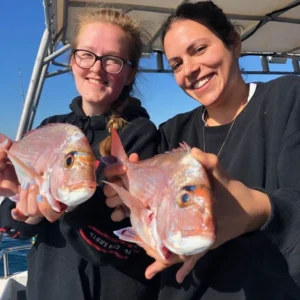
 recreational anglers. Known locally as knobbies, pinkies,
  Snapper movements on the Gold Coast follow a fairly predictable seasonal pattern. During the warmer
  oriented and feed over specific types of bottom, including:
 A GPS loaded with snapper marks makes offshore fishing far more efficient. Recording waypoints allows anglers to revisit productive ground year after year. For those who prefer a more traditional approach, accurately recorded land-based marks in a notebook can still be effective.
 Snapper inhabit a wide range of offshore environments, but the most productive areas usually feature
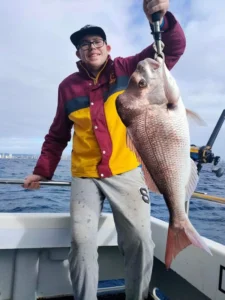
  Effective snapper baits include:
 Burley is one of the most important tools for successful snapper fishing, particularly when fishing at anchor. A consistent burley trail helps draw snapper up off the bottom and into the strike zone.
 There is a wide range of tackle suitable for snapper fishing, and you don’t need to spend a fortune. Avoid very cheap gear and aim for reliable mid-range equipment that will last.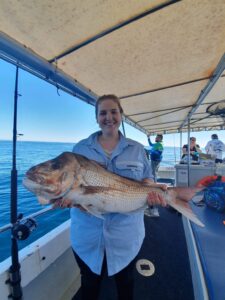
 Float lining involves establishing a burley trail and allowing a lightly weighted or unweighted bait to sink naturally through the water column. The key is patience and subtlety — the bait should drift down smoothly without unnatural movement.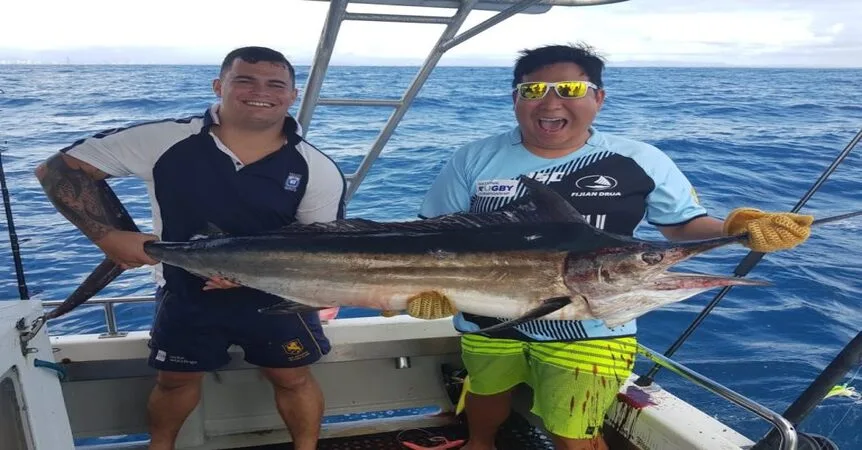
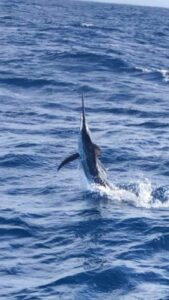
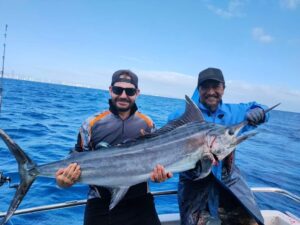
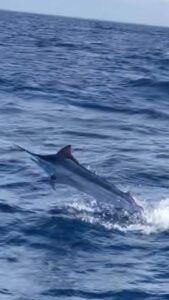
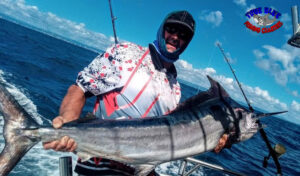 Gold coast. These fish usually congregate around the shallow reefs between 18-50 fathoms until the end of February. Although they are mainly juveniles between 50-150kgs they provide sensational sport fishing for those that pursue them in open waters. Black marlin are opportunistic feeders; they are known to devour loads of bait fish. Locating bait schools is the key to success when targeting black marlin off the Gold Coast.
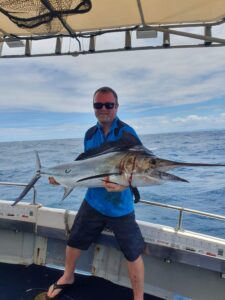 Bait can be located in a few ways. Use your depth sounder around local reef systems and watch for schools of bait balled up mid-way in the water column. This is usually a good sign that big predators are rounding up the bait fish and actively feeding. Current lines where two opposing currents meet also tend hold bait schools. Look for differences in water colour and lines of coral spawn. Working the edges of current lines will usually produce Black marlin and other pelagic species including
  usually also effective on Mahi mahi and
  Pay close attention to the bubble trail created by each lure. Lures ideally should leave a long trail of bubbles and should break the surface without jumping out of the water completely. A good speed is usually 6-7 knots, but wind and current direction and strength will play a role in determining the best speed to get your lures to ride correctly.
 Teasers also play an important role when trolling. Good teasers will raise inquisitive fish from down deep to investigate what they perceive as a school of bait following a boat. There are a wide variety of teasers available and if you are on a budget you can even make your own. We usually tow at least one teaser and sometimes two.
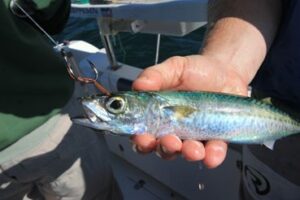 Live baits should be set at varying depths, often the fish will be down deep in the water column. Some days they will be up higher near the surface. When anchored we like to fish with the live baits set under balloons. It’s best to set one so it is only about 10 metres off the bottom and then set a second one up higher in the water column. Deep set baits are usually swallowed before the fish takes up all the slack line and solid hook ups are usually the result.
 instance when using smaller baits i usually use 6/0 mustad big gun or circle patterns. Then simply hook the bait in the shoulders behind the head. When using big size slimies. I like to use two hooks and usually put the first one through the baits nose and then the second stinger hook two thirds of the way down the baits back. Bridle rigs work a treat too.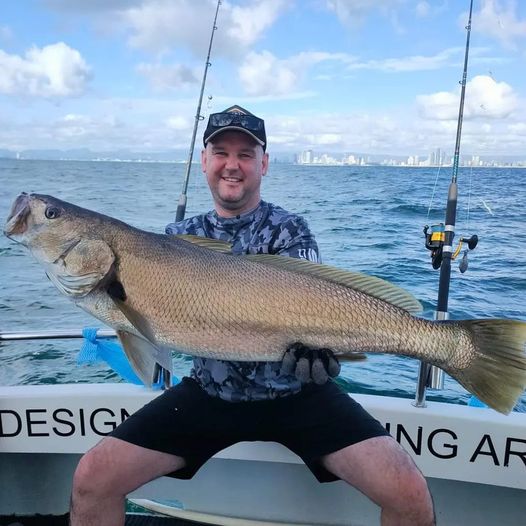
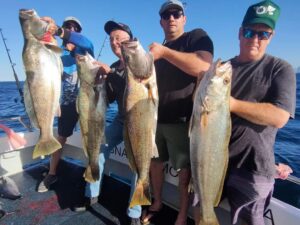 many anglers associate mulloway with estuaries and river mouths, offshore mulloway fishing on the Gold Coast can be extremely productive, particularly when targeting deep structure beyond the coastline.
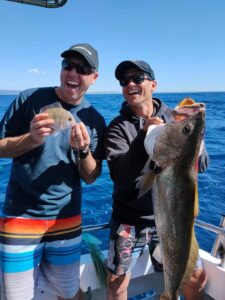 Offshore mulloway are structure-oriented predators that favour deeper water and areas where bait congregates. Key offshore habitats include:
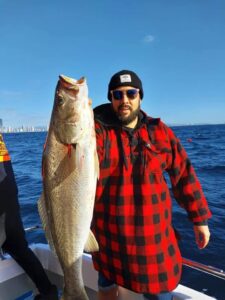 success rates:
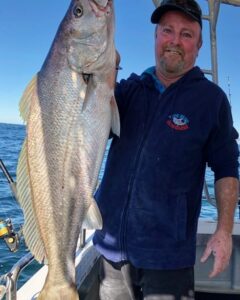 Offshore mulloway are powerful fish that demand reliable gear, especially when hooked near reef or wreck structure.
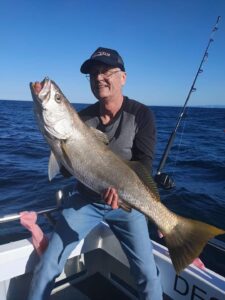 Lure fishing for offshore mulloway has become increasingly popular and can be highly effective when fish are active.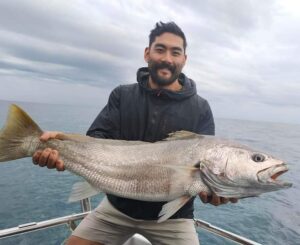
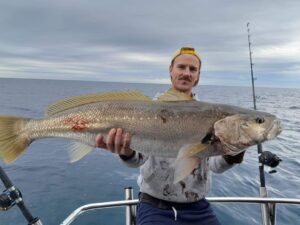 One of the advantages of offshore mulloway fishing is the variety of quality bycatch often encountered, including: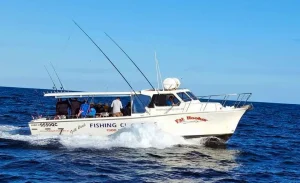
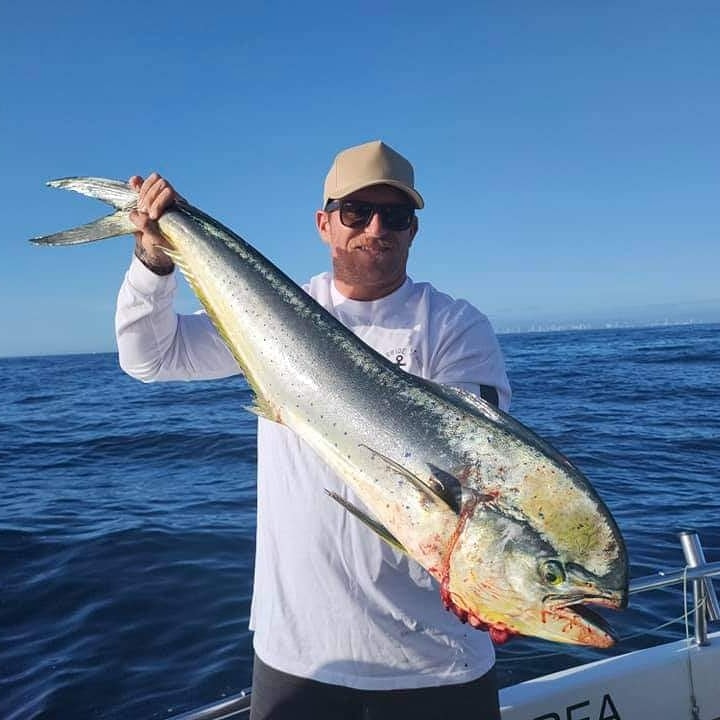
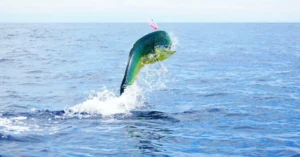
 South East Queensland. Known for their explosive strikes, acrobatic fights and stunning colours, mahi mahi are a favourite target for both experienced anglers and first-time offshore fishers.
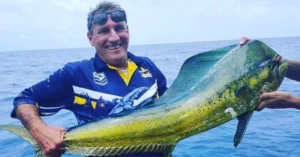 Mahi mahi are most commonly encountered off the Gold Coast during the warmer months, particularly from late spring through summer. These fish favour warm ocean currents, current lines and offshore structure, which are plentiful in local waters.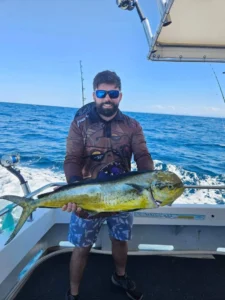
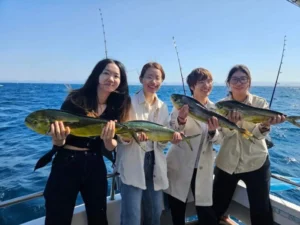
 When targeting mahi mahi off the Gold Coast, keep a close eye out for: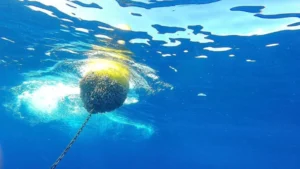
 deadly. Live yellowtail scad and slimy mackerel are prime offerings and should be fished at varying depths beneath balloons along current lines.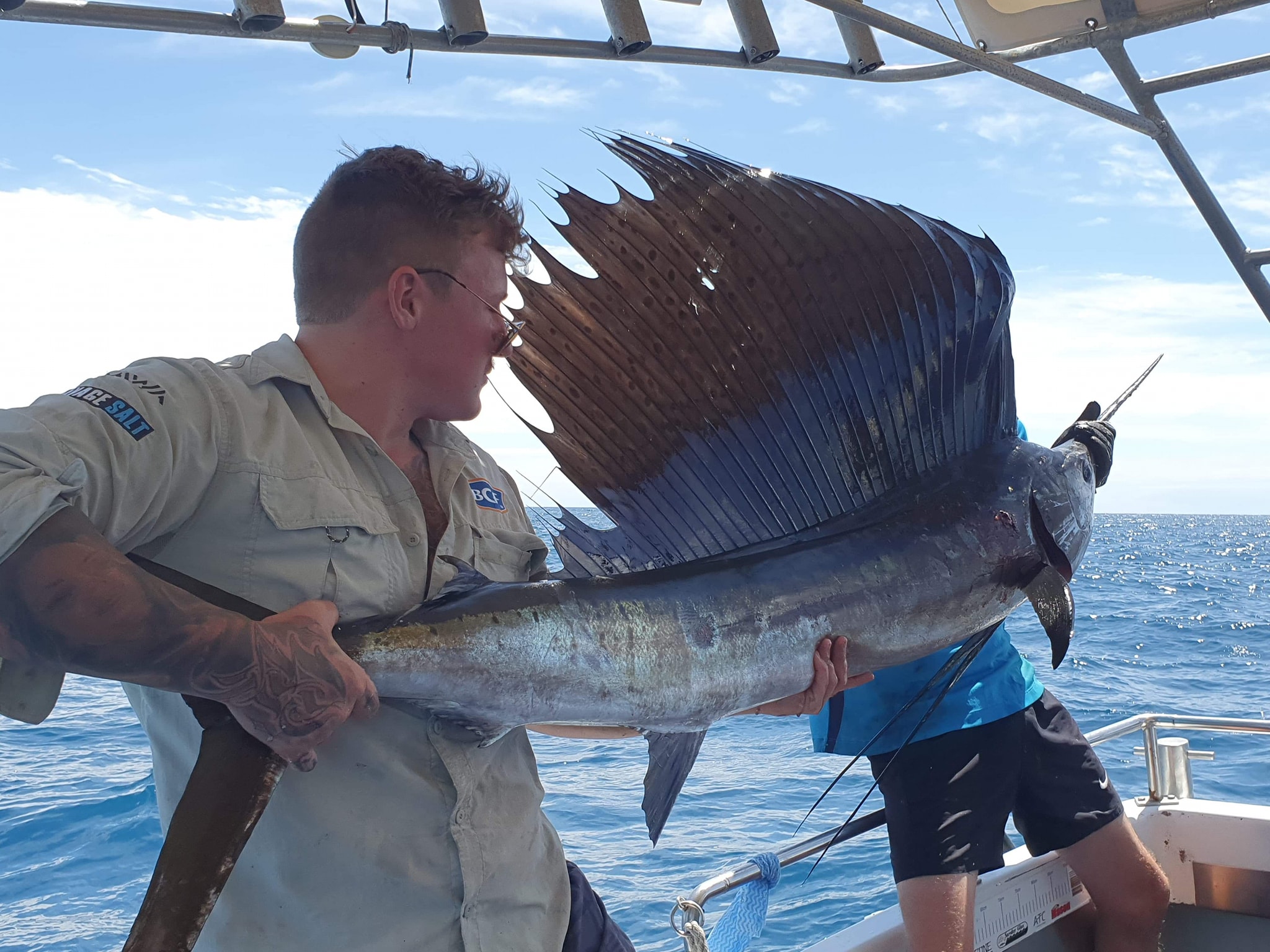
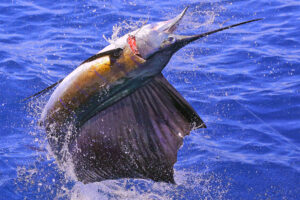 warmer sections of all the oceans of the world. They are blue to grey in colour and have a distinctive dorsal fin that is also known as a sail, which often stretches the entire length of the back. Another characteristic is the bill, resembling that of the Broadbill swordfish other
 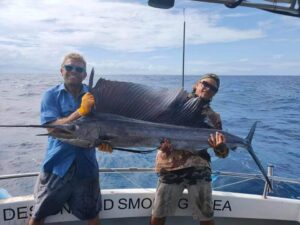 We rarely specifically target Sailfish here on the Gold Coast, but they are often taken as a by catch while targeting species like Tuna, marlin, Mackerel,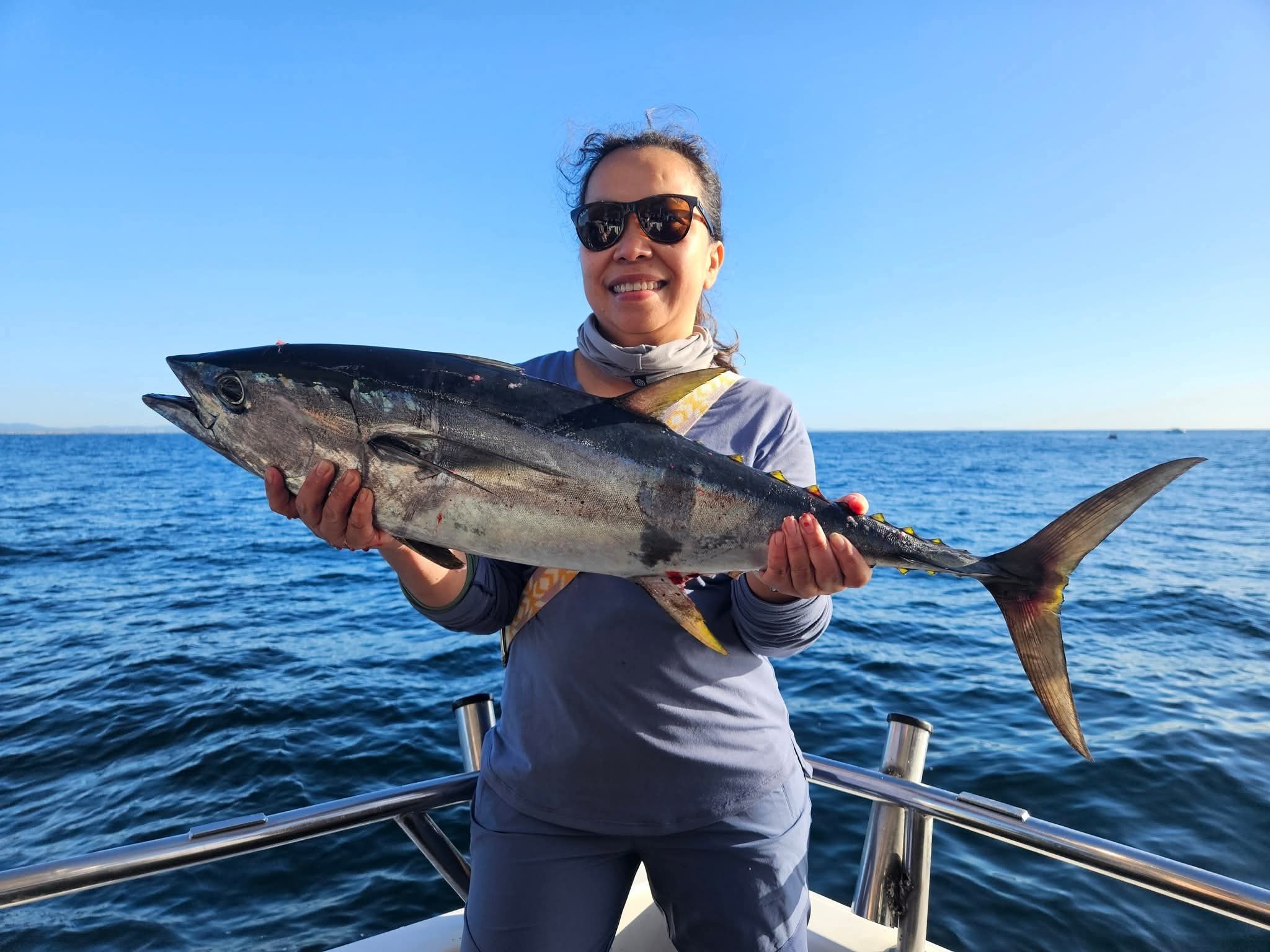
 shore, consistent bait activity and a wide range of
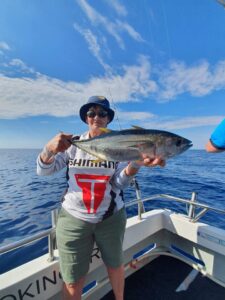
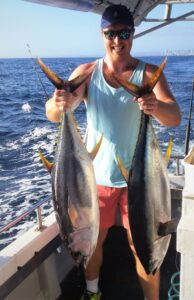
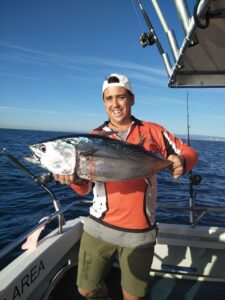
 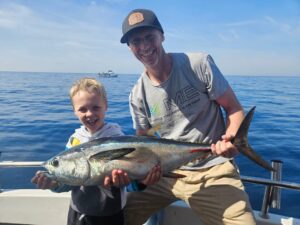 Longtail tuna are one of the most sought-after species on the Gold Coast. Often found feeding aggressively on the surface, longtails can grow large and are extremely powerful on light tackle. They are commonly spotted busting up baitfish near bait schools,
  activity. While not everyone’s first choice for the table, they are an exceptional baitfish for targeting larger pelagics such as marlin, sharks and big tuna.
 Effective trolling lures include:
 While trolling, always keep an eye out for:
 peels off at speed. Most tuna will hook themselves if the drag is correctly set.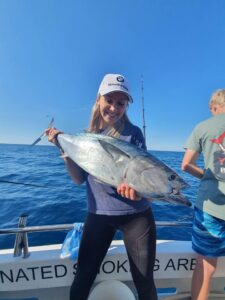
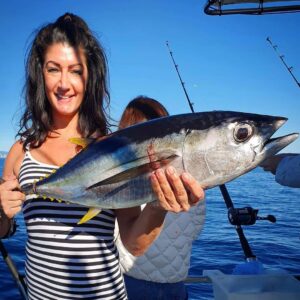 including:
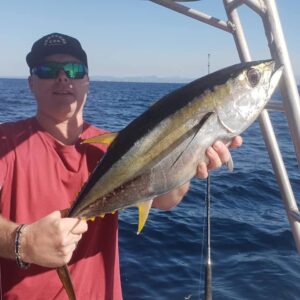 offshore fishing Queensland has to offer. With the right techniques, quality tackle and an understanding of tuna behaviour, anglers can enjoy consistent success targeting longtail tuna, yellowfin tuna, striped tuna, bonito and mackerel tuna throughout the year.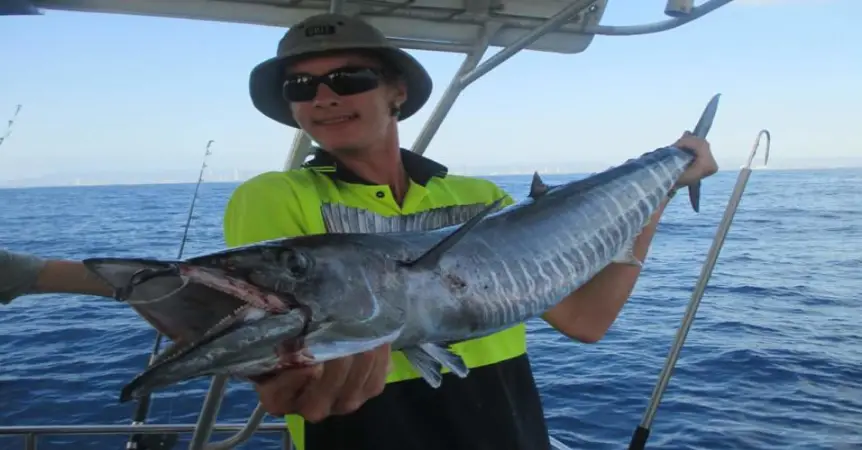
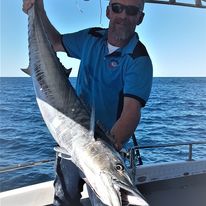 very similar in shape to a Mackerel but can be distinguished by its different jaw shape, and the length of its dorsal fin. Not to mention its colour pattern of cobalt blue bars over their long streamline silver sides. A big wahoo is a truly majestic fish when first removed from the water. By the same token, they lose their colour quickly. A prime sport fish regularly taken on board our offshore deep sea fishing charters off the Gold coast.
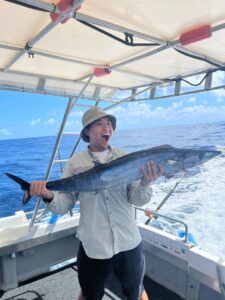 Heavy tackle is required to stop these brutes; we recommend a main line between 10-20kgs on a reel that has a good line capacity. The Wahoo’s initial run is usually long and extremely fast, only the best quality reels will stand up to them.