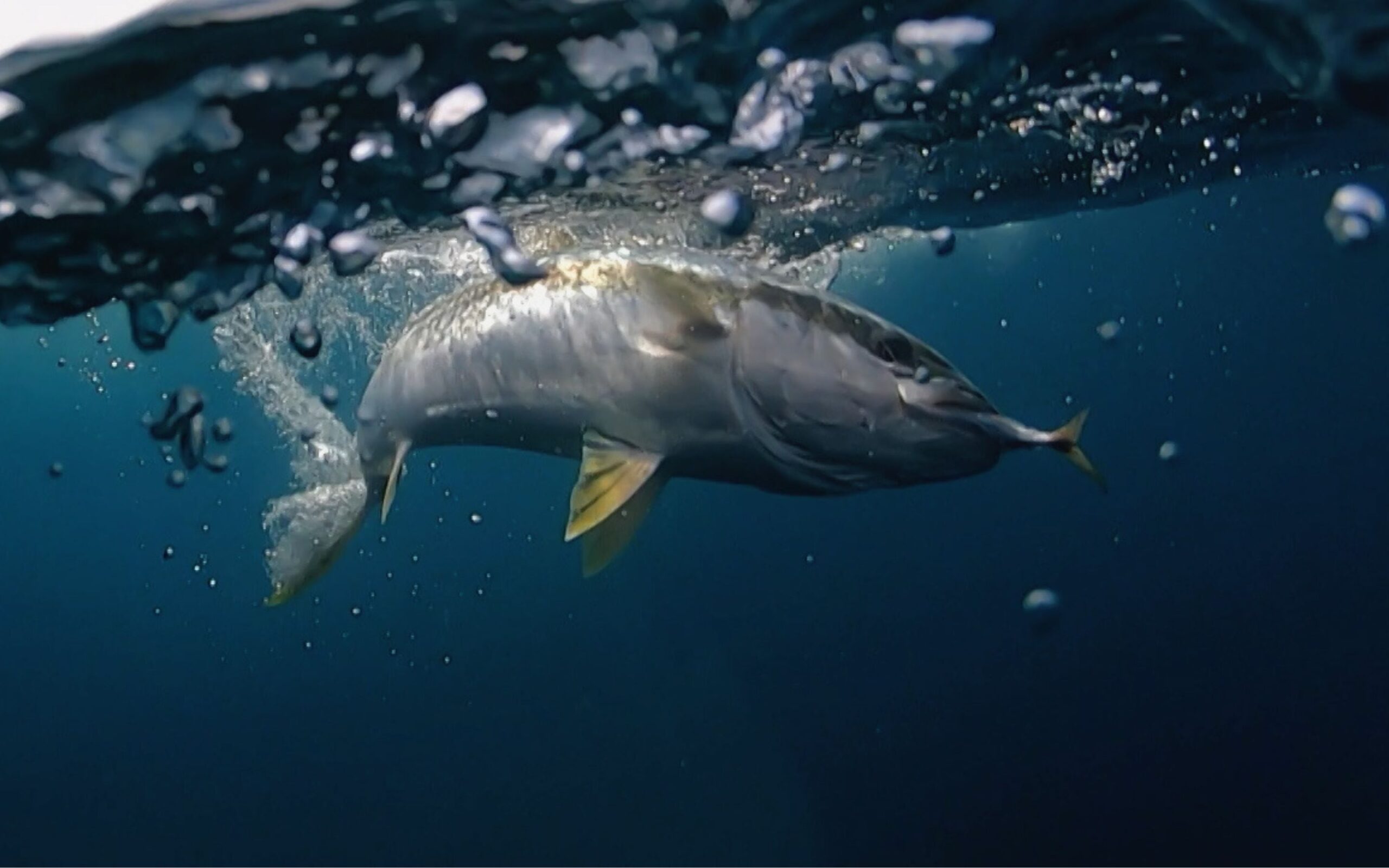
Kingfish vs Amberjack: Offshore Powerhouses Compared 🎣⚡
When it comes to hard-fighting offshore species, yellowtail kingfish and amberjack sit right at the top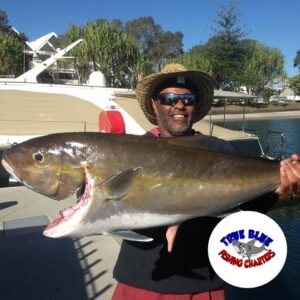 of the list. Both species are known for their brutal strength, stubborn resistance, and ability to test even experienced anglers. While they share similarities, kingfish and amberjack differ in behaviour, habitat, fighting style, and table quality.
Understanding these differences can help anglers target them more effectively and appreciate what makes each species unique.
Species Overview
Yellowtail Kingfish
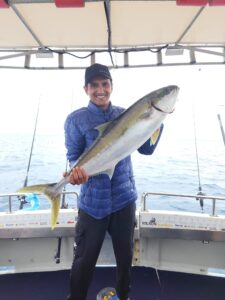 Kingfish are sleek, fast-moving predators built for speed and endurance. They are highly prized by sport anglers due to their aggressive nature and powerful first run.
Key traits:
🐟 Long, streamlined body
⚡ Explosive runs and fast strikes
🌊 Often mid-water or structure-oriented
Amberjack
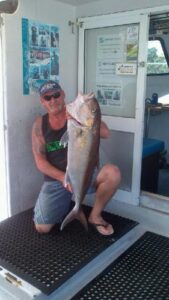
Amberjack are deep-bodied, thick-shouldered bruisers that rely on raw strength rather than speed. They are famous for their relentless pulling power and ability to dig deep.
Key traits:
🐟 Stocky, muscular build
💪 Sustained pressure and stamina
🪨 Tight association with deep reefs and wrecks
Habitat and Where to Find Them
Both species inhabit offshore reef systems, but their preferences differ slightly.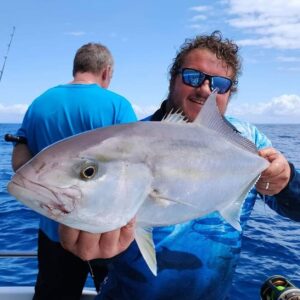
Kingfish:
Reef edges, pinnacles, pressure points
Mid-water zones above structure
Often follow bait schools
Amberjack:
Deeper reef systems and wrecks
Hold tight to structure
Common in strong current zones
On the Gold Coast, both species are encountered on deeper offshore reefs such as the 50-fathom grounds, where current, structure, and bait combine.
Feeding Behaviour and Aggression
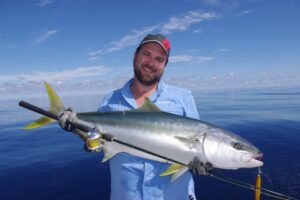 Kingfish are active hunters and respond aggressively to fast-moving presentations. They often strike jigs or lures on the drop or during rapid retrieves.
Amberjack are less flashy but extremely persistent. They commonly hit baits close to the bottom and immediately attempt to power back into structure.
Best Techniques: Kingfish vs Amberjack
Jigging
Kingfish:
Respond well to fast, erratic jigging
Will chase jigs through the water column
Often strike mid-retrieve
Amberjack:
Prefer slower, heavier jig presentations
Most strikes occur close to the bottom
Relentless once hooked
Live Bait Fishing
Live bait is deadly for both species.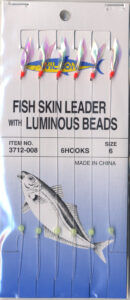
Effective live baits include:
🐟 Yellowtail (yakkas)
🐟 Slimy mackerel
Kingfish often take live baits mid-water, while amberjack usually grab them close to the reef.
Dead Baits
Dead baits such as rigged slimy mackerel are more commonly effective on amberjack, particularly when fished near the bottom during slower bite periods.
Fighting Style Comparison
This is where the differences become very noticeable.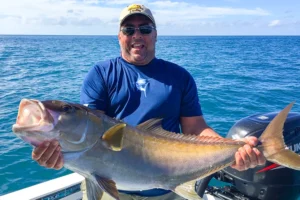
Kingfish Fight
⚡ Fast initial run
⚡ Sudden changes in direction
⚡ Requires drag control and boat positioning
Amberjack Fight
💪 Deep, heavy pulling power
💪 Constant pressure with few bursts
💪 Often turns into a vertical tug-of-war
Many anglers consider amberjack the harder fight purely due to their endurance.
Tackle Requirements
Both species demand heavy-duty tackle.
Recommended setup:
🎣 Heavy spin or overhead rods
🎣 Quality reels with smooth drags
🎣 Braided line for strength and sensitivity
🎣 Heavy abrasion-resistant leaders
Quick hook-sets and immediate pressure are critical to prevent reef bust-offs.
Eating Quality
Kingfish
Kingfish are highly regarded table fish when handled correctly.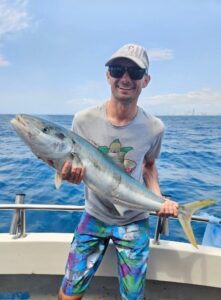
✔️ Firm white flesh
✔️ Excellent for sashimi, grilling, or smoking
✔️ Best when bled and iced immediately
Amberjack
Amberjack are edible but less prized.
✔️ Stronger flavour
✔️ Best when smaller
✔️ Often used for smoking or curries
Many anglers choose to release larger amberjack due to eating quality.
Conservation and Responsible Fishing
Both kingfish and amberjack are popular sportfish, making responsible fishing important.
Best practices include:
✔️ Observing legal size and bag limits
✔️ Releasing fish in good condition
✔️ Avoiding over-harvesting
Check current Queensland fisheries regulations before fishing.
Kingfish vs Amberjack: Which Is Better?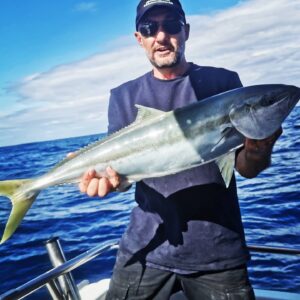
There is no clear winner—it depends on what you value most.
For speed and aggression: Kingfish 🏎️
For raw strength and endurance: Amberjack 💪
For eating quality: Kingfish 🍽️
For pure physical challenge: Amberjack 🎯
Many offshore anglers appreciate encountering both species on the same reef system.
Targeting Both Species with True Blue Fishing Charters
At True Blue Fishing Charters, offshore trips often encounter both kingfish and amberjack on deeper reefs. By combining jigging, live baiting, and precise drift control, anglers get the chance to experience the very best offshore fishing the Gold Coast has to offer.
Whether it’s the blistering run of a kingfish or the relentless pull of an amberjack, both species deliver unforgettable action.
Related Posts

Plan Your Next Charter
Chasing reef fish, game species, or a great day out on the water? Our crew is ready when you are.