Winter 2024 Gold Coast Offshore Fishing Report

Deep-Sea Action

Gold Coast Offshore Fishing Update

Tags: Offshore Fishing, Gold Coast Fishing, Angling Tips

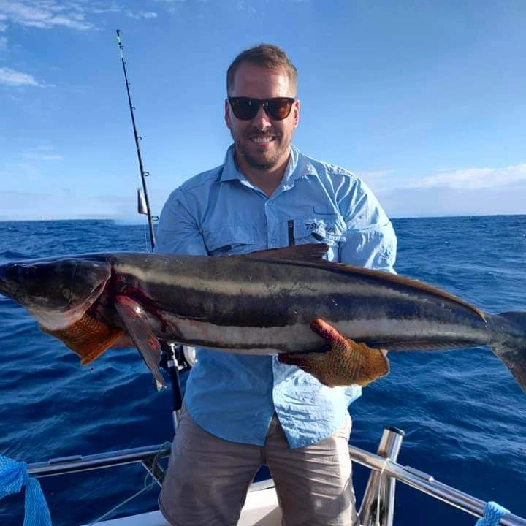
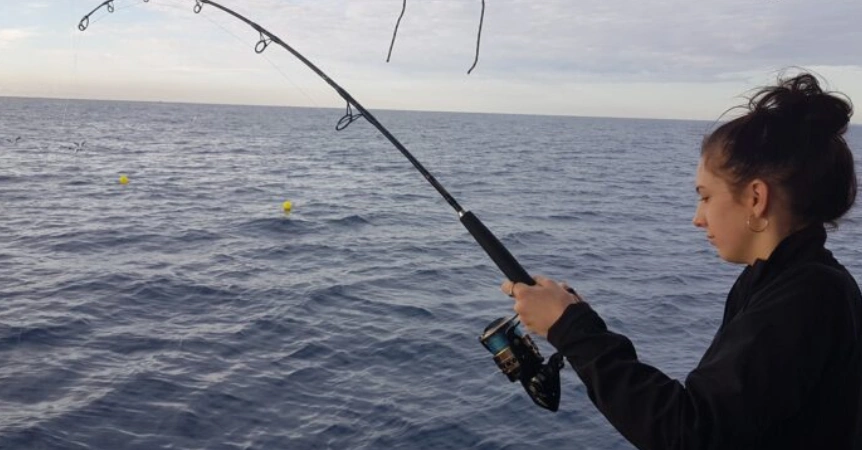
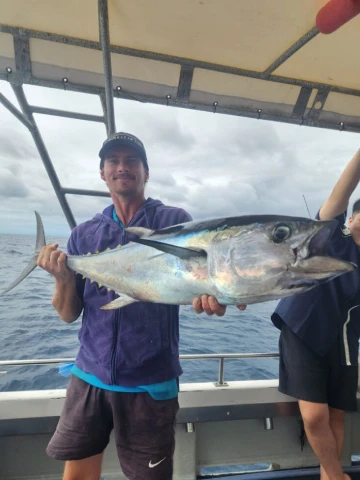
With the Snapper and Pearl Perch Closure in effect until August 16th, now is the ideal time to target the plentiful Longtail Tuna that have been congregating along our 18 and 24-fathom reefs this past month. Whether you’re using live baits, pilchards, or micro jigs, you’re likely to have success. Focus on areas where baitfish are schooling, and you should hook a couple of quality Tuna. The afternoon bite on the close reefs has also been productive, with potential catches of solid-sized Jewfish and Cobia
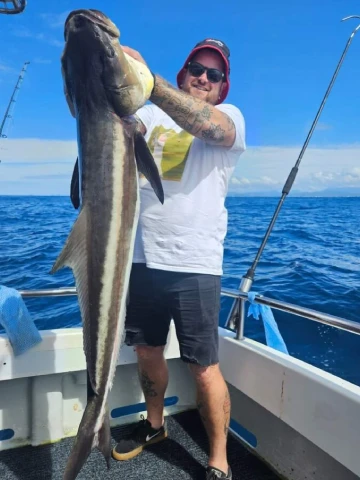
cobia

Hot Spots and Techniques

36-Fathom Reefs

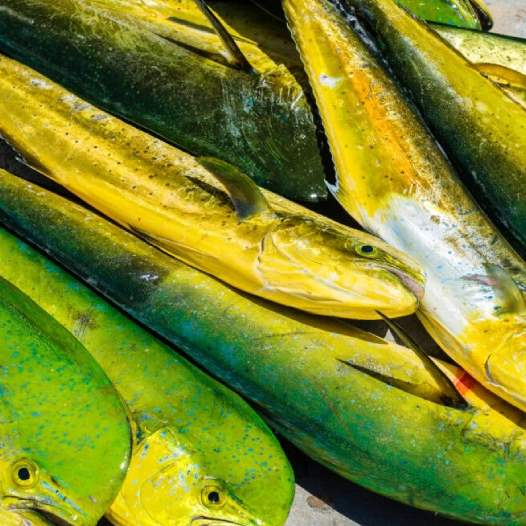
The 36-fathom reefs have been teeming with Dolphinfish, especially around the FADs (Fish Aggregating Devices) northeast of the Seaway. These vibrant fish are still biting well around the 50-fathom reefs, with some specimens measuring over 1 meter.

50-Fathom Reefs
Fishing on the 50-fathom reefs has been excellent, with light currents and active fish. Yellowtail Kingfish and Amberjack are aggressively hitting jigs. A standout session mid-week saw numerous hungry Kingfish along the 50-fathom reefs northeast of the Seaway.

24-Fathom Reefs
The 24-fathom reefs have been productive, offering catches of Cobia, Tuna, and Mulloway. These species have been biting well, and anglers can expect good action using various baiting techniques.

Inshore and Deep-Sea Fishing
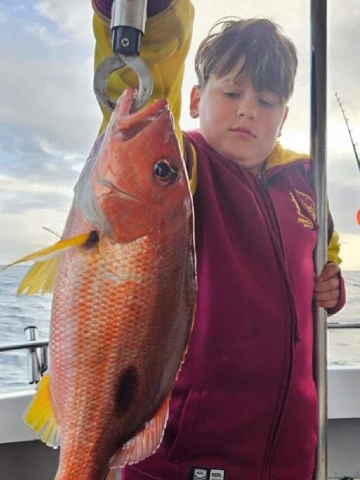
Bottom fishing on the inshore reefs has yielded Tuskfish, Trag Jew, Tailor, Cobia, Spanish Mackerel, and Longtail Tuna, particularly around the close reefs off Surfers Paradise.

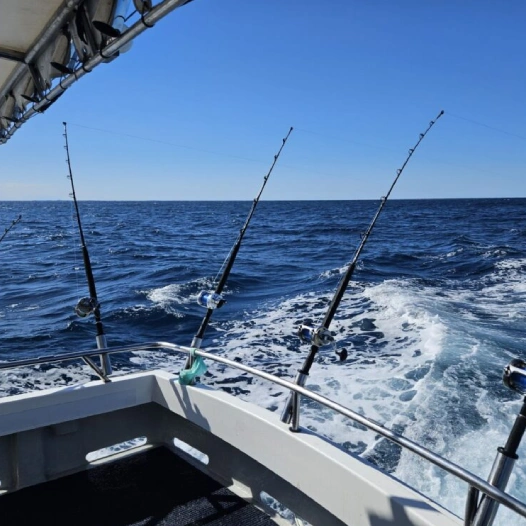
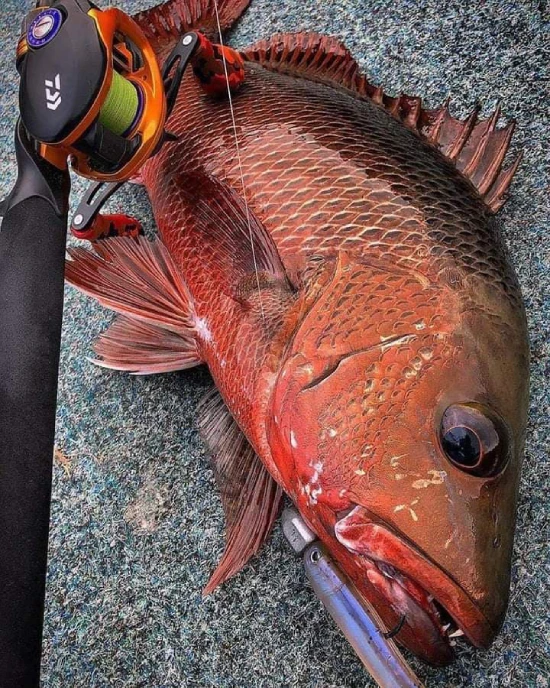
Further out in the deep, anglers using electric reels have reported catches of Flame Snapper, Bar Cod, and Kingfish at depths of 240-280 meters, with currents running between 0.6-2 knots. Additionally, Blue Marlin, Striped Marlin, and the occasional huge Yellowfin Tuna have been biting at depths of 450-500 meters east of the Jumpinpin area.

Continuing Pelagic Activity

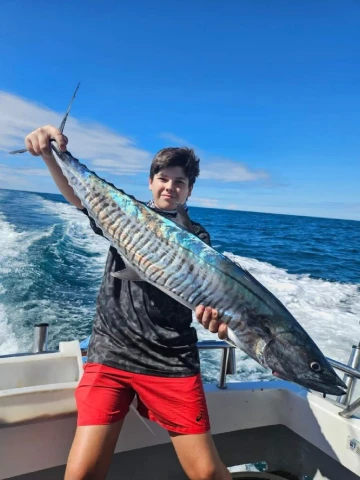
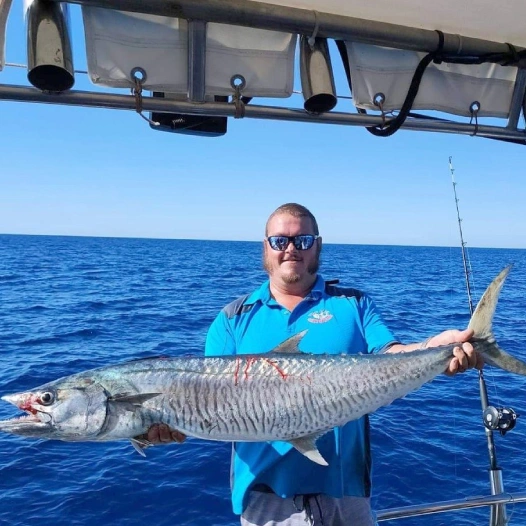
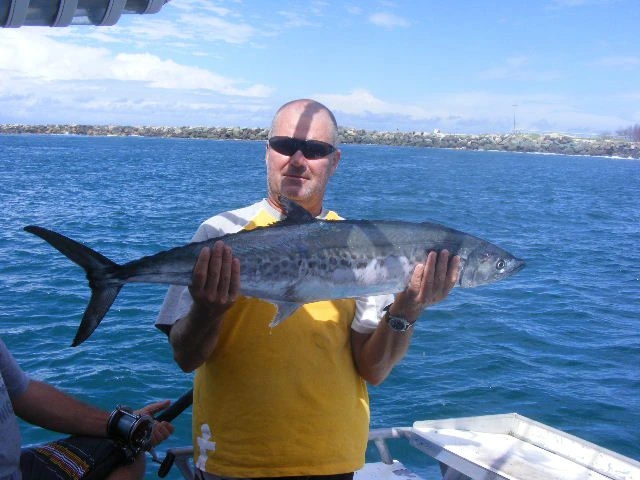
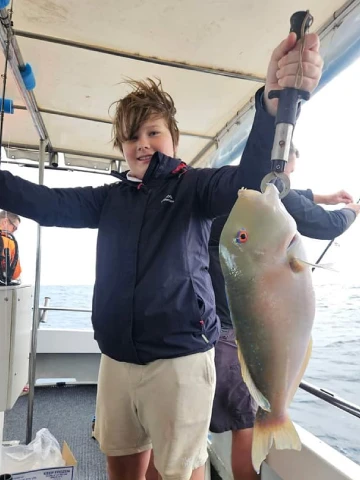
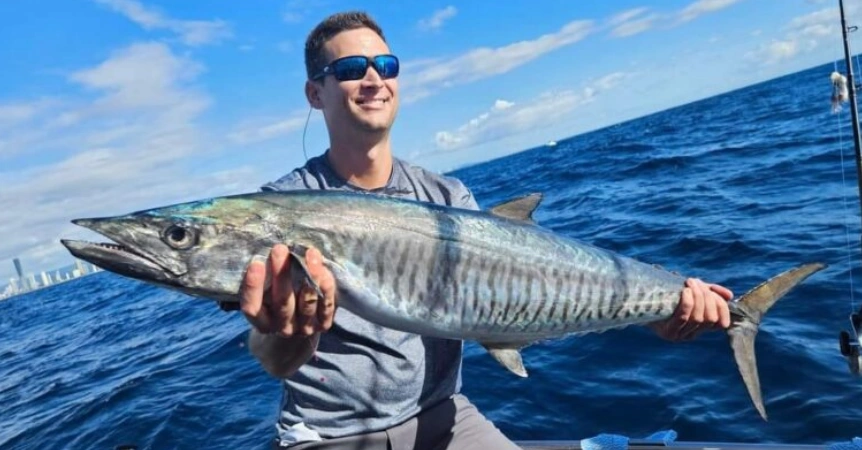
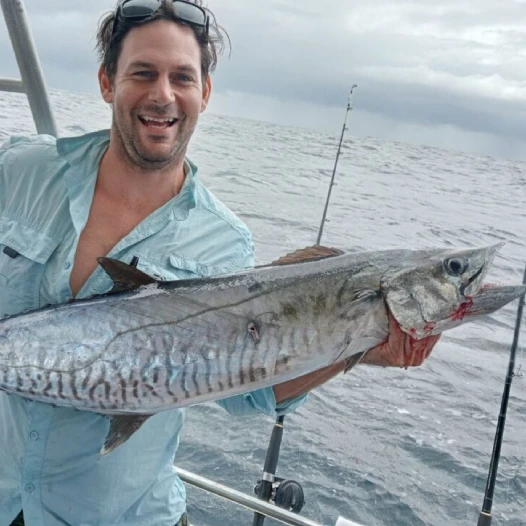
The 18 and 24-fathom reefs continue to produce catches of Spanish Mackerel and the occasional Spotted Mackerel. These pelagic species have been active, even over the past weekend.
Weather and Safety

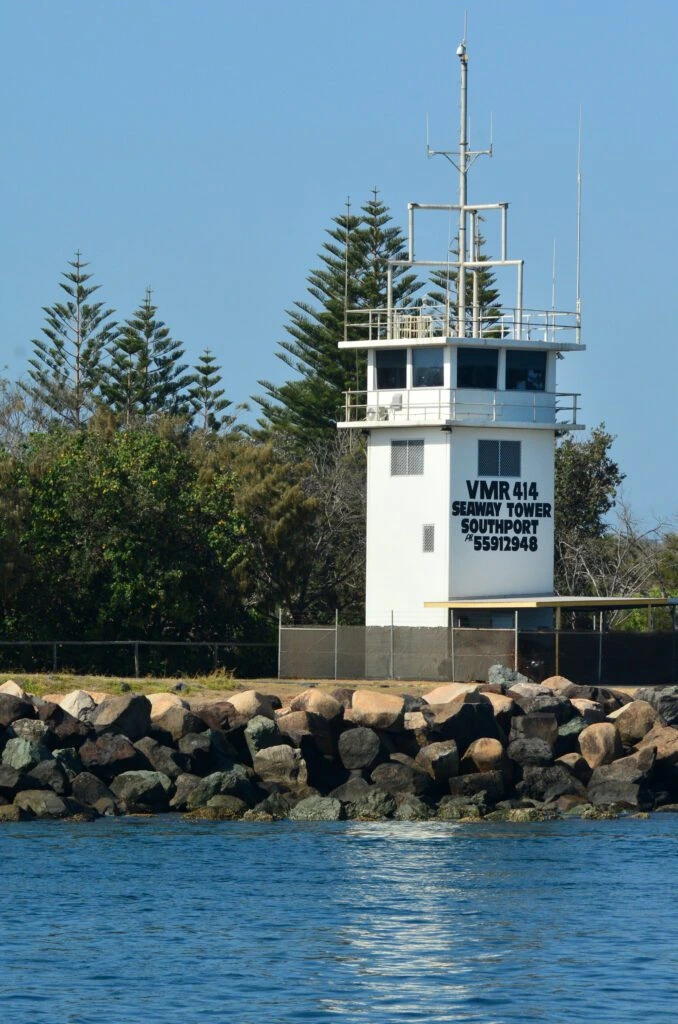
This weekend’s winter weather forecast predicts northwesterly winds of 15-20 knots offshore in the afternoons, with a brief window for early morning fishing on Saturday before the wind picks up. The swell is expected to increase during the next week, so it’s advisable to check the weather before heading offshore. Fishing in depths under 40 meters might be manageable, but always check the swell conditions via the Southport wave buoy before setting out.

Safety Warning: If heading north, be cautious of the dangerous swell over Deadman’s Bank, located on the north side of the Seaway. Always check the swell first and head southeast through the Seaway to at least 18-20 meters deep before turning north to your favorite spots. Additionally, be mindful of the numerous whales currently migrating through the area.
Your Ultimate Fishing Guide to Queensland: Tips, Charters, and Best Spots

Queensland Fishing Guide

Queensland, Australia, is a fishing enthusiast’s dream with its pristine beaches, clear waters, and diverse marine life. Whether you’re an experienced angler or a beginner, Queensland offers a variety of fishing adventures, from deep-sea charters to tranquil freshwater excursions. This guide will help you plan an unforgettable fishing adventure in Queensland, covering the best charters, essential tips, and top fishing spots.


Choosing the Best Fishing Charter in Queensland

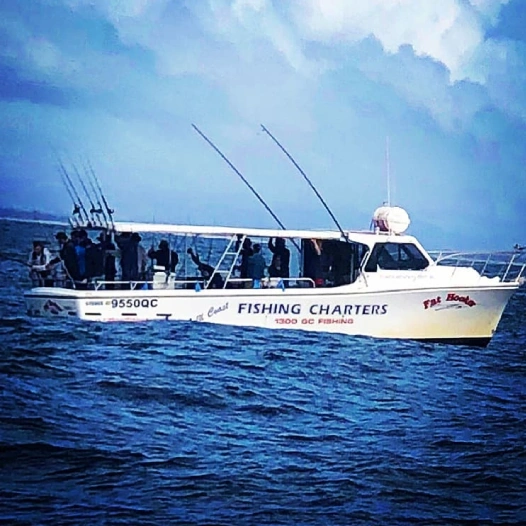
Booking a fishing charter is the best way to explore Queensland’s rich marine life and beautiful coastline. Fishing charters in Queensland cater to all skill levels, often providing necessary equipment like rods, reels, bait, and tackle. Whether you’re after big game fish or a relaxing day on the water, there’s a charter for you.

cobia

  • Deep-Sea Fishing Charters: For thrill-seekers, deep-sea charters are a must. Experienced captains take you to prime spots for catching marlin, tuna, and mahi-mahi. These trips offer an exciting challenge and the chance to land trophy-sized fish.
  • Coastal and Estuary Charters: Ideal for families and beginners, these charters offer a more relaxed experience. You can catch bream, flathead, and whiting while enjoying Queensland’s scenic coast. Guides provide fishing basics, making it a fun and educational trip.
  • When selecting a charter, consider the trip length, type of fishing experience, and amenities. Many trusted charters offer half-day, full-day, and multi-day options to fit your schedule. Check for refreshments, restroom facilities, and catch cleaning services.


Essential Tips for a Successful Fishing Trip

Ensure a successful and enjoyable fishing adventure in Queensland with these tips:

Deep-Sea Action

  1. Research Your Target Species: Learn about the fish you’re aiming to catch, including their behavior and feeding habits. This knowledge improves your chances of success.
  2. Check the Weather: Queensland’s weather can be unpredictable. Monitor forecasts to avoid rough seas or storms that could affect your trip’s safety and comfort.
  3. Pack Essentials: Bring sunscreen, a hat, sunglasses, and plenty of water. Don’t forget a camera to capture memorable moments.
  4. Listen to the Experts: On a charter, leverage the crew’s expertise. They offer valuable tips on fishing techniques, bait selection, and the best spots.
  5. Respect the Environment: Practice responsible fishing by following catch limits, handling fish carefully, and disposing of waste properly. Help preserve Queensland’s natural beauty.

Top Fishing Locations in Queensland

Queensland boasts numerous prime fishing spots for saltwater and freshwater anglers. Whether you prefer beach, river, or deep-sea fishing, there’s something for everyone.

  1. The Great Barrier Reef: Renowned for its biodiversity, the reef offers world-class deep-sea fishing. Target coral trout, red emperor, and giant trevally amid stunning coral formations.
  2. Fraser Island: Known as the world’s largest sand island, Fraser Island is perfect for beach and surf fishing. Its pristine beaches and clear waters are ideal for catching tailor, dart, and whiting.
  3. Gold Coast: With estuaries, rivers, and offshore reefs, the Gold Coast is a versatile fishing destination. Charters here offer estuary fishing for flathead and bream, and offshore trips for marlin and tuna.
  4. Whitsunday Islands: This picturesque archipelago offers excellent reef and game fishing. Explore the many islands and coral reef systems to target a wide range of species.

Queensland offers a wealth of opportunities to explore its diverse marine life. Whether you’re interested in deep-sea charters, estuary fishing, or beach fishing, there’s something for every angler. By booking a reputable charter, following essential tips, and choosing the best locations, you can look forward to an unforgettable Gold Coast fishing experience. Pack your gear, cast your line, and reel in the catch of a lifetime in Queensland, Australia.

Fishing the Coomera River on the Gold Coast: A Comprehensive Guide

River Fishing

Uncover the True Blue difference—premium gear, modern vessels, and local expertise that set our Gold Coast fishing charters apart.

Introduction:

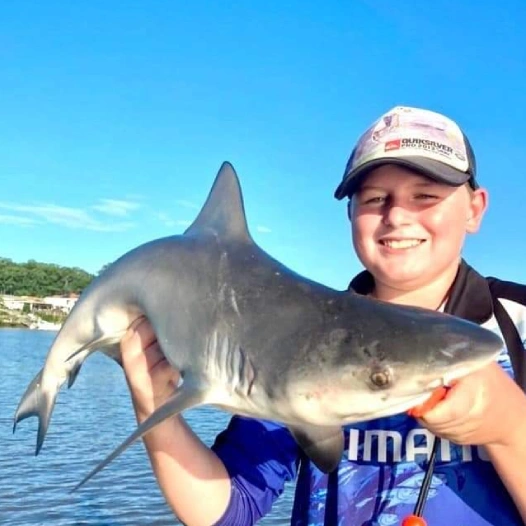
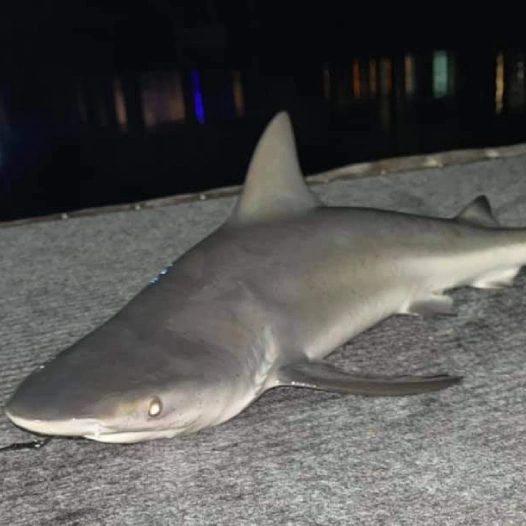
Kid holding bullshark

The Coomera River, nestled in the heart of the Gold Coast in Queensland, Australia, is a haven for anglers seeking diverse fishing experiences. This picturesque river flows gracefully, meandering its way through various landscapes, from coastal stretches to tranquil freshwater reaches. Join us on a journey to explore the angler’s paradise that is the Coomera River, uncovering the species, tackle, techniques, and essential tips that make this waterway a must-visit for fishing enthusiasts.

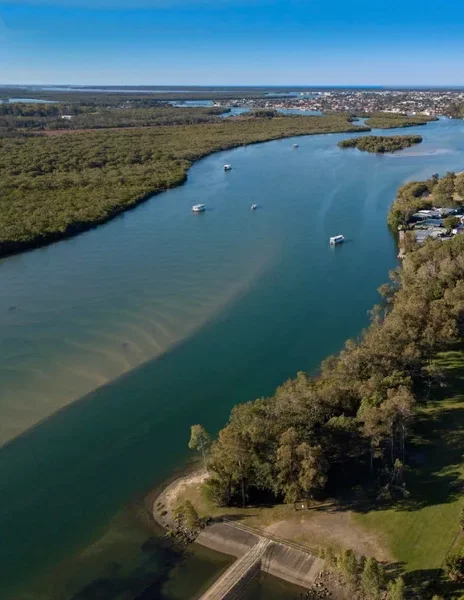
A River of Diversity: The Coomera River starts at the northern tip of Sovereign Island, where it meets the Gold Coast Broadwater. As it meanders southward, anglers encounter a variety of fishing environments, each with its own set of challenges and rewards.

Kid holding the fish1. Bream: The Coomera River is renowned for its healthy bream population. Light to medium spin gear or a bait caster outfit is perfect for targeting these feisty fighters. Use lightly weighted baits such as prawns, yabbies, or herring for the best results. Bream often lurk around structures like rock walls and jetties, so cast your line with precision and finesse.
2. Mangrove Jack: These elusive predators are a prized catch in the river. To increase your chances of landing one, use live baits like herring or prawns. Mangrove jack love structure, so focus your efforts around submerged logs, rock formations, and overhanging mangroves. A stealthy approach and well-placed casts are key to your success.

Fish Catching

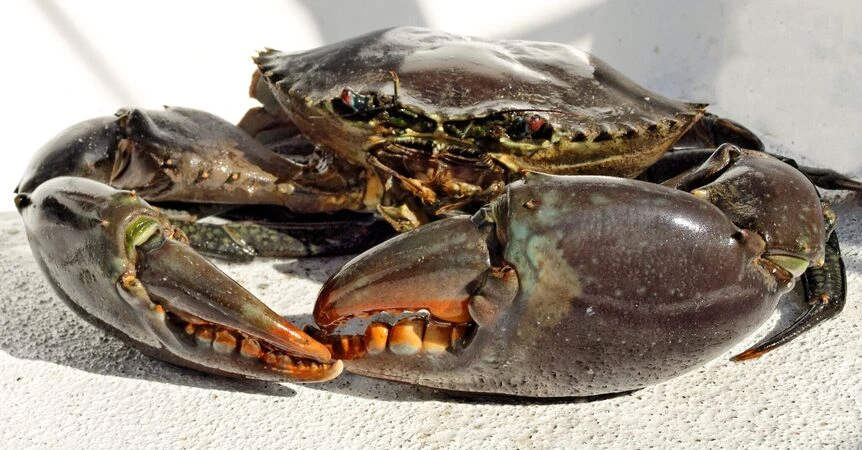
3. Sand and Mud Crabs: Crabbing in the Coomera River is a popular pastime. Set up crab pots or dilly nets baited with fish frames or chicken necks, and check local regulations for size and bag limits. The upper reaches of the river are excellent crabbing grounds, and patience pays off.

4. Bull Sharks: For those seeking an adrenaline rush, the Coomera River is known for its bull shark population. While targeting these powerful predators, it’s essential to use sturdy tackle, as they can put up a formidable fight. dead baits like mullet or freshwater eel are your best bet.

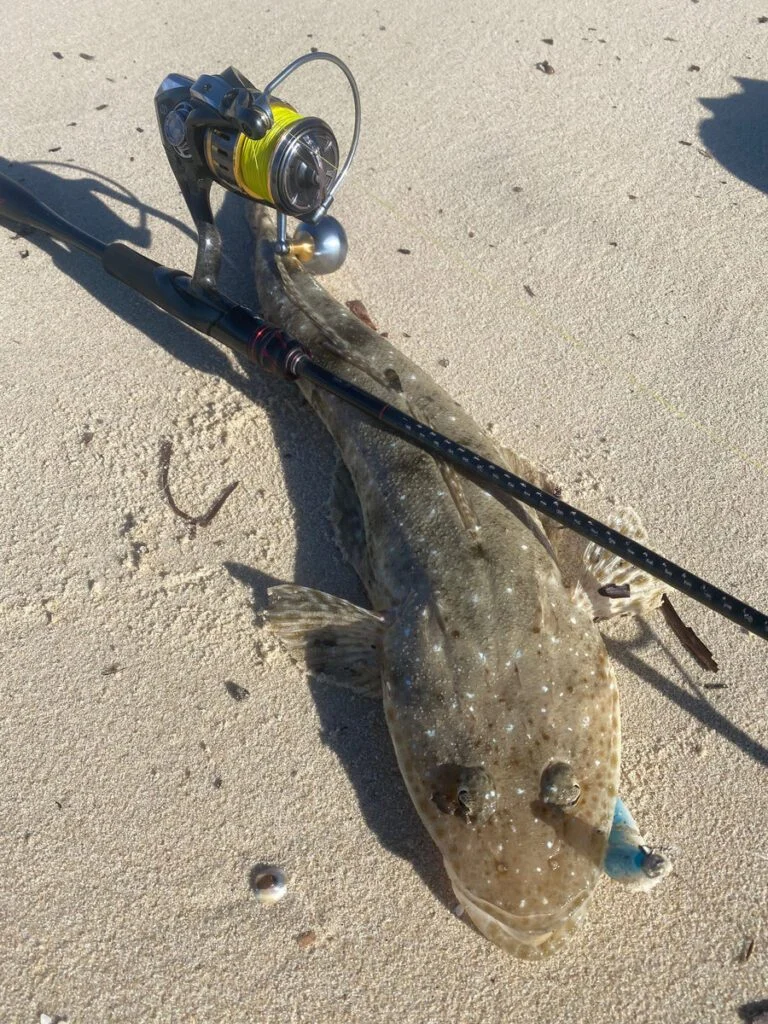
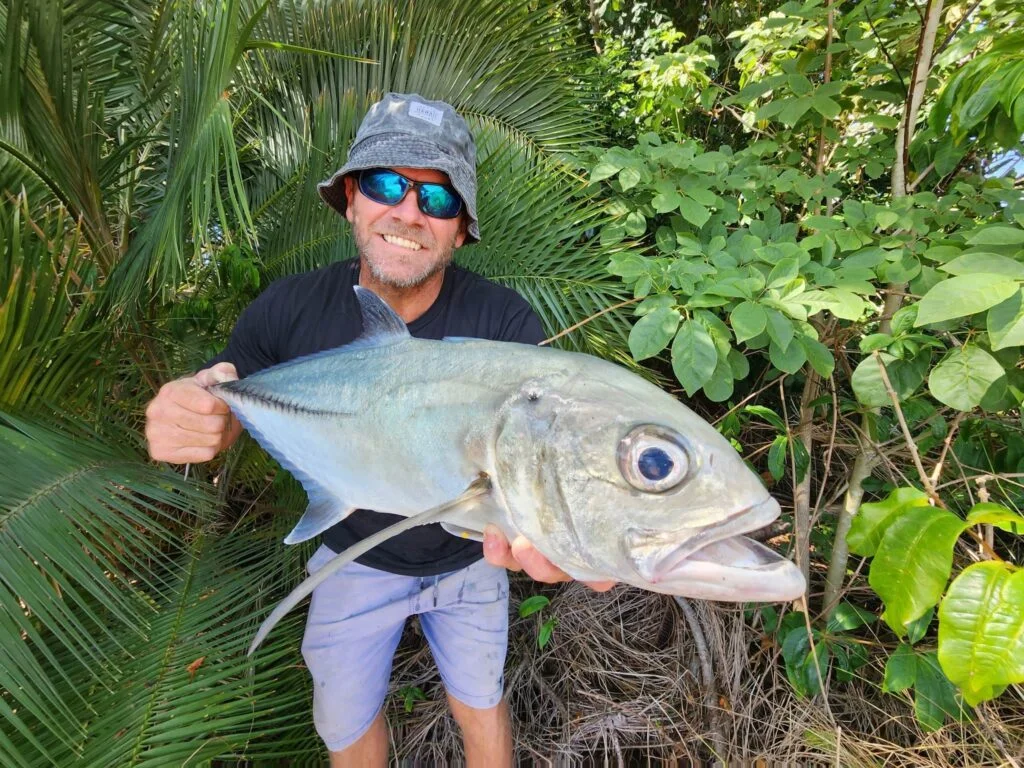
5. Flathead and Trevally: These species are also abundant in the Coomera River. Light to medium spin gear with soft plastic lures or bait rigs work wonders. Cast towards structures like rock walls, mangroves, and submerged timber to entice flathead and giant trevally. Show respect to local property owners and adhere to all fishing regulations.

Light to Medium Spin Gear and Bait Caster Outfit: To make the most of your Coomera River fishing experience, ensure you have the right tackle. Light to medium spin gear or a bait caster outfit is your best companion for a day on the water. These setups offer the versatility needed to target a wide range of species that call the river home.

Bullshark

Bait Selection:

  • Lightly Weighted Baits: When targeting species like bream and flathead, consider using lightly weighted baits. This allows your bait to appear natural in the water, enticing more bites.
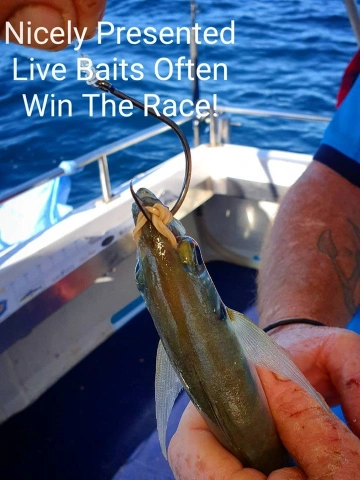
  • Live Baits: For a successful day on the Coomera, live baits are often the key to success. Herring, prawns, and yabbies are top choices. Their natural movement and scent make them irresistible to a variety of species.
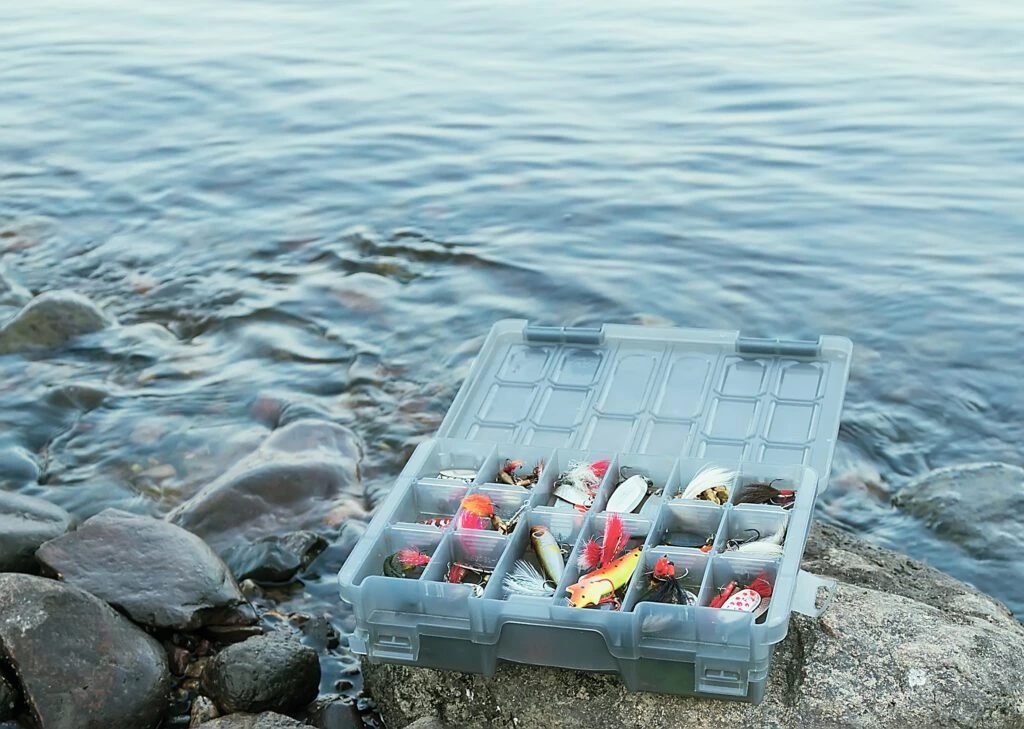
  • Lures: Don’t forget to pack your favorite lures. Casting lures towards the river’s various structures, including rock walls, mangroves, and jetties, can yield fantastic results. Match your lure choice to the target species and conditions for the best outcomes.

Respect Local Property Owners: While exploring the Coomera River, it’s crucial to show respect to local property owners. Many private residences line the river’s banks, and it’s essential to adhere to any access restrictions or guidelines. By doing so, you help maintain a positive relationship between anglers and the community.

The Oxenford Weir: A Hidden Gem Venturing further upstream, you’ll discover the Oxenford Weir, a hidden gem that’s often overlooked. This location is a hotbed for bull sharks and occasionally surprises anglers with the appearance of barramundi. The thrill of landing a barramundi in the Coomera River’s upper reaches is an angler’s dream come true.

The Freshwater Oasis: A Unique Ecosystem Beyond the Oxenford Weir, the Coomera River transforms into a freshwater oasis. This sect    ion of the river opens up a whole new world of fishing opportunities. Here, you can target various freshwater species, including bass, carp, tilapia, and freshwater catfish. The lush, serene surroundings and the tranquil flow of the river create an idyllic backdrop for freshwater fishing enthusiasts.

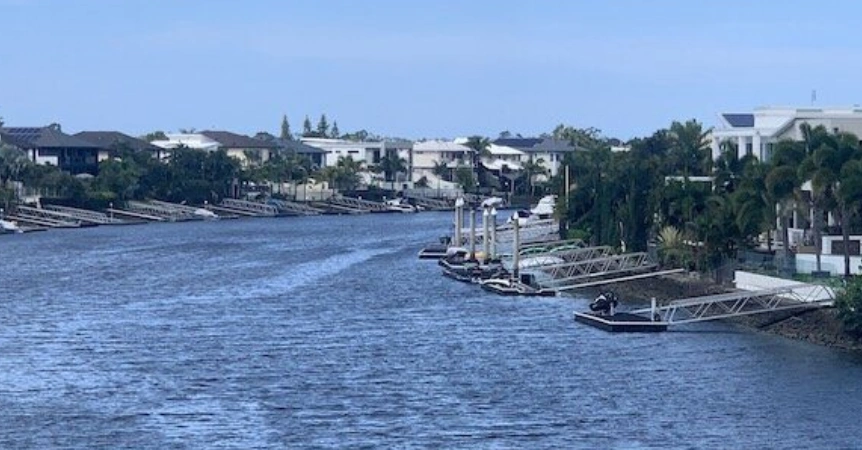
Coomera River Scene

Conclusion: Fishing the Coomera River on the Gold Coast offers an abundance of opportunities for both novice and seasoned anglers. Whether you’re chasing bream, mangrove jack, sand and mud crabs, bull sharks, flathead, or mulloway, this river has it all. Remember to use the appropriate tackle and techniques for each species, and always follow local regulations. With the right tackle, techniques, and a dash of respect, you’re sure to have an unforgettable fishing experience along this hidden gem of a river. Cast your line, savor the thrill, and respect the environment and its inhabitants as you explore this fishing paradise.

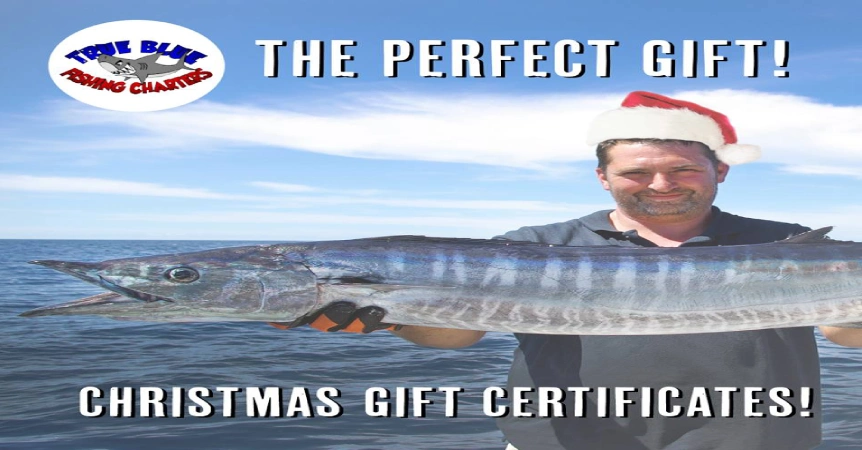
The Perfect Christmas Gift for Anglers: True Blue Fishing Charters Gift Certificates

Introduction: As the holiday season approaches, you might find yourself searching for the perfect gift for the angler in your life. Look no further because we have the ideal solution – True Blue Fishing Charters Gift Certificates! Give the gift of unforgettable fishing adventures on the stunning Gold Coast waters. In this blog post, we’ll explore why our gift certificates are the ultimate present for fishing enthusiasts and dive deeper into the thrilling species you can target on our charters.

Why Choose True Blue Fishing Charters Gift Certificates?

  1. Unforgettable Experiences: At True Blue Fishing Charters, we specialize in creating cherishedlast minute gift idea memories through thrilling fishing expeditions. When you gift a True Blue Fishing Charters Gift Certificate, you’re giving the gift of adventure and excitement.
  2. Expert Guidance: Our seasoned captains are experts at navigating the Gold Coast’s waters. They ensure a safe and successful fishing trip, making it an educational experience as well.
  3. Flexibility: Recipients have the freedom to choose the date that works best for their schedule. Whether it’s a spontaneous day out or a meticulously planned adventure, our gift certificates accommodate it all.
  4. All-Inclusive: We provide everything you need for a fantastic day of fishing, from top-of-the-line gear to bait and more. Your loved one won’t have to worry about a thing – just focus on reeling in the big catch!
  5. Scenic Beauty: The Gold Coast is known for its breathtaking natural beauty, and our fishing charters offer the perfect opportunity to soak it all in. Enjoy the stunning surroundings as you engage in your favorite pastime.

The Species We Chase:

Now, let’s dive deeper into the exciting species you can target on our fishing charters. The Gold Coast’s waters are teeming with a variety of fish, and here are some of the most thrilling catches:

1. Mahi Mahi (Coryphaena hippurus): Mahi Mahi, with their vibrant colors and acrobatic displays, are prized catches on the Gold Coast. They’re often found near floating debris, weed lines, or offshore structures. Trolling with lures or using live bait can lead to success in targeting these magnificent and delicious fish.

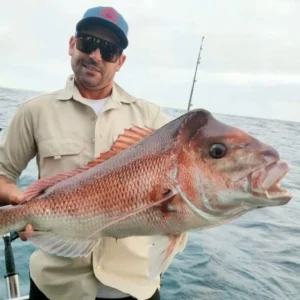
2. Snapper (Pagrus auratus): Snapper are highly sought after for their delectable flesh and can be found in the deep offshore waters off the Gold Coast. They prefer reefs and rocky outcrops. Popular spots for targeting Snapper include the 18-24 and 36 fathom reefs.

3. Pearl Perch (Glaucosoma scapulare): Pearl Perch are a prized target species in the deep offshore waters of the Gold Coast, known for their delicious taste and thrilling fights. They inhabit deep offshore reefs and rocky bottoms. Popular locations for Pearl Perch fishing include the Tweed Canyons, the 50-fathom line, and the offshore reefs off the Gold Coast.

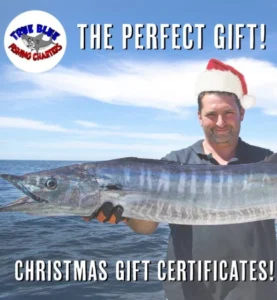
4. Wahoo (Acanthocybium solandri): The waters off the Gold Coast are home to Wahoo, known for their speed and thrilling fights. They’re commonly found near reefs and drop-offs. Trolling with lures and using live bait can lead to success in targeting these powerful and prized catches.

5. Spanish Mackerel (Scomberomorus commerson): Spanish Mackerel are famous for their speed and voracious appetite, often found near deep-water reefs and drop-offs. Trolling with lures and using live bait or pilchards can lead to success.

6. Marlin (Various Species): For the ultimate offshore angling challenge, target marlin species likegift certificates black marlin and striped marlin. These pelagic giants can be found in the deep waters off the Gold Coast. Trolling with large lures or live bait is the preferred method for marlin fishing.

Conclusion: Don’t wait until the holiday rush – start your Christmas shopping early and give the gift of adventure this year with True Blue Fishing Charters Gift Certificates. Make this holiday season truly special by gifting excitement, relaxation, and unforgettable memories. Your loved one will thank you for the fishing adventure of a lifetime! Happy Holidays from True Blue Gold Coast Fishing Charters! 🎅🎉

Offshore Fishing Extravaganza: Gold Coast’s Prized Deep-Sea Species

Offshore Fishing Extravaganza: Gold Coast’s Prized Deep-Sea Species

Deep Sea SceneThe Gold Coast of Australia is a haven for offshore fishing enthusiasts, offering an abundance of exhilarating opportunities to reel in a diverse range of prized species that call its deep coastal waters home. Whether you’re an experienced angler or a novice eager for adventure, targeting these top offshore species promises unforgettable fishing experiences. So, prepare your fishing gear and join us as we embark on a thrilling journey to explore the deep, offshore world of Gold Coast fishing.

Responsible Fishing1. Mahi Mahi (Coryphaena hippurus)

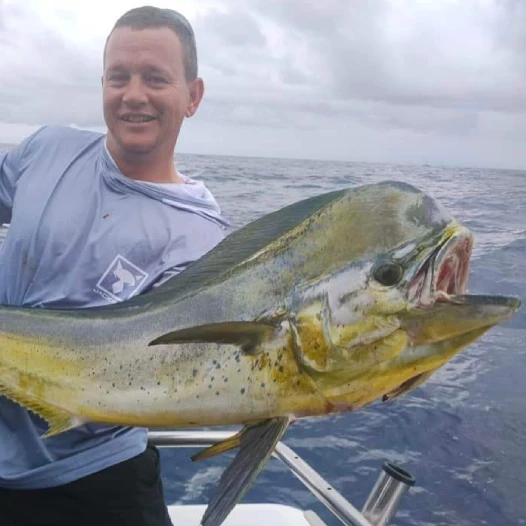
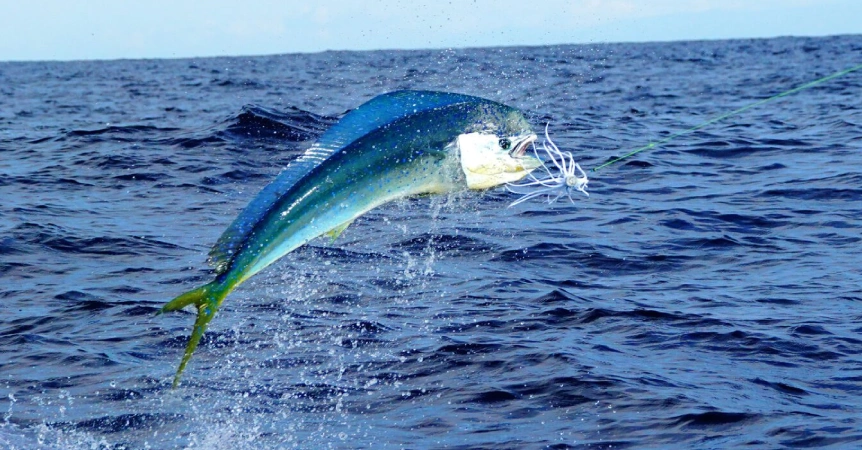
Mahi Mahi, with their vibrant colors and acrobatic displays, are prized catches in the offshore waters of the Gold Coast. These fish can often be found near floating debris, weed lines, or offshore structures. Trolling with lures or using live bait can lead to success in targeting these magnificent and delicious fish. The waters around the Gold Coast Seaway and offshore reefs are prime spots for Mahi Mahi.


2. Snapper (Pagrus auratus)

Mahi Mahi

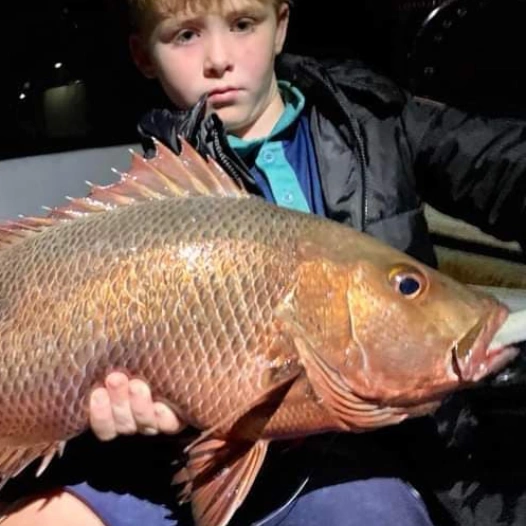
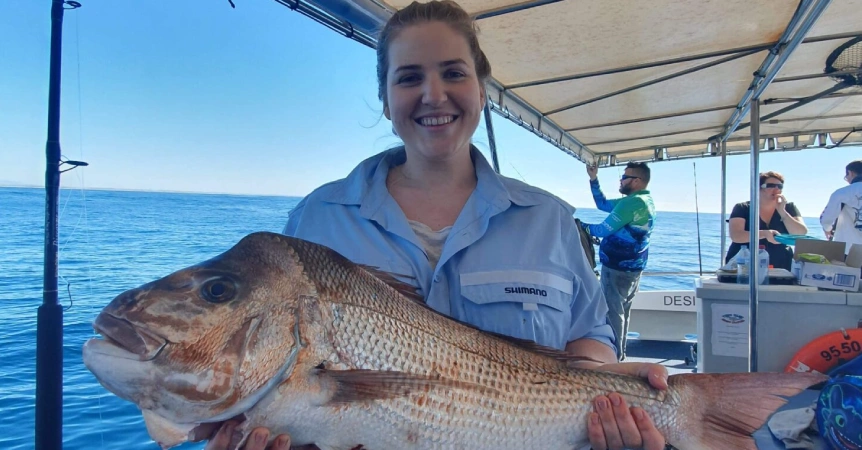
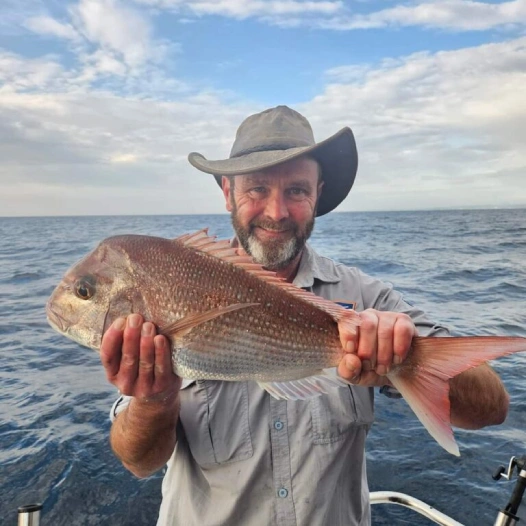
Snapper are highly sought after for their delectable flesh and can be found in the deep offshore waters off the Gold Coast. They prefer reefs and rocky outcrops. Popular spots for targeting Snapper include the 18-fathom and 24 fathom reefs. Baits such as squid, pilchards, or soft plastics are ideal for attracting these scrumptious fish. Time your fishing for dawn or dusk for the best results.


Cobia

3. Pearl Perch (Glaucosoma scapulare)

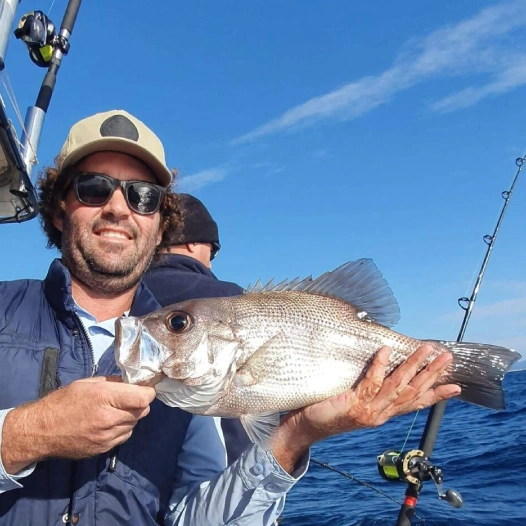
Pearl Perch are a prized target species in the deep offshore waters of the Gold Coast, known for their delicious taste and thrilling fights. They inhabit deep offshore reefs and rocky bottoms. Popular locations for Pearl Perch fishing include the Tweed Canyons, the 50-fathom line, and the offshore reefs off the Gold Coast. Using bait rigs with squid or pilchards as bait is a common method for catching these delectable fish.

Marlin


7. Cobia (Rachycentron canadum)

Cobia, also known as black kingfish, are a prized offshore species that offer anglers both exciting fights and delicious table fare. These powerful fish are often found in the warm waters off the Gold Coast, especially around submerged structures such as wrecks, buoys, and underwater platforms. Cobia are known for their curiosity and can sometimes be seen swimming near the surface.

4. Wahoo (Acanthocybium solandri)

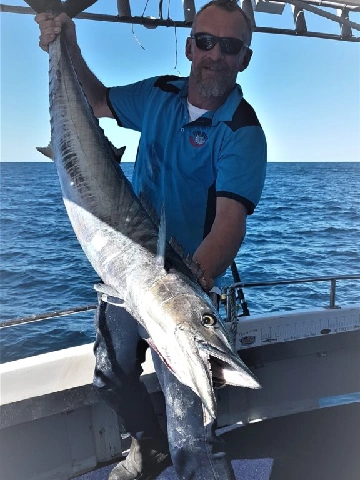
The waters off the Gold Coast are home to Wahoo, known for their speed and thrilling fights. They’re commonly found near reefs and drop-offs. Trolling with lures and using live bait can lead to success in targeting these powerful and prized catches. Areas like the Tweed Canyons, the shelf break, and the 36-fathom line are known Wahoo hotspots.

5. Spanish Mackerel (Scomberomorus commerson)

Spanish Mackerel are famous for their speed and voracious appetite, often found near deep-water reefs and drop-offs. Trolling with lures and using live bait or pilchards can lead to success. Prime locations for Spanish Mackerel include Palm Beach Reef, Mermaid Reef, and the “Gravel Patch” off Southport. Fish during tidal changes for the best results.

6. Marlin (Various Species)

For the ultimate offshore angling challenge, target marlin species like black marlin and striped marlin. These pelagic giants can be found in the deep waters off the Gold Coast. Trolling with large lures or live bait is the preferred method for marlin fishing. The “Can Do” grounds, the Tweed Canyons, and the 50-fathom line are popular areas for marlin fishing.
Mulloway

7. Venus Tuskfish (Choerodon venustus)

Venus Tuskfish, also known as Venus Tuskfish, are a unique and intriguing species to target. They frequent rocky outcrops and coral reefs, making areas like Cook Island and Nine Mile Reef excellent locations for Venus Tuskfish fishing. These fish are known for their impressive canine-like teeth and striking appearance. Use live bait, such as prawns or small fish, to entice them. Be prepared for a fight, as they can be strong fighters.


8. Mulloway (Argyrosomus japonicus)

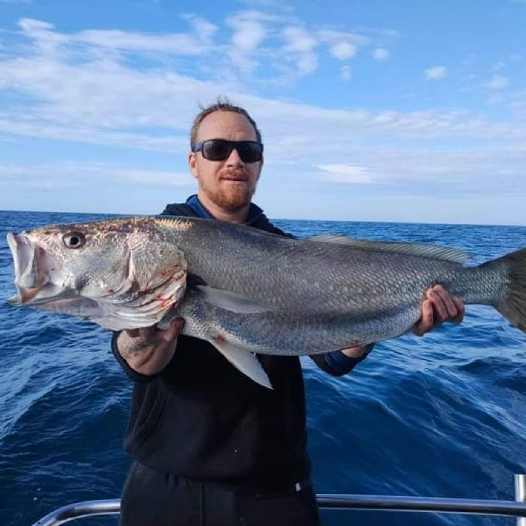
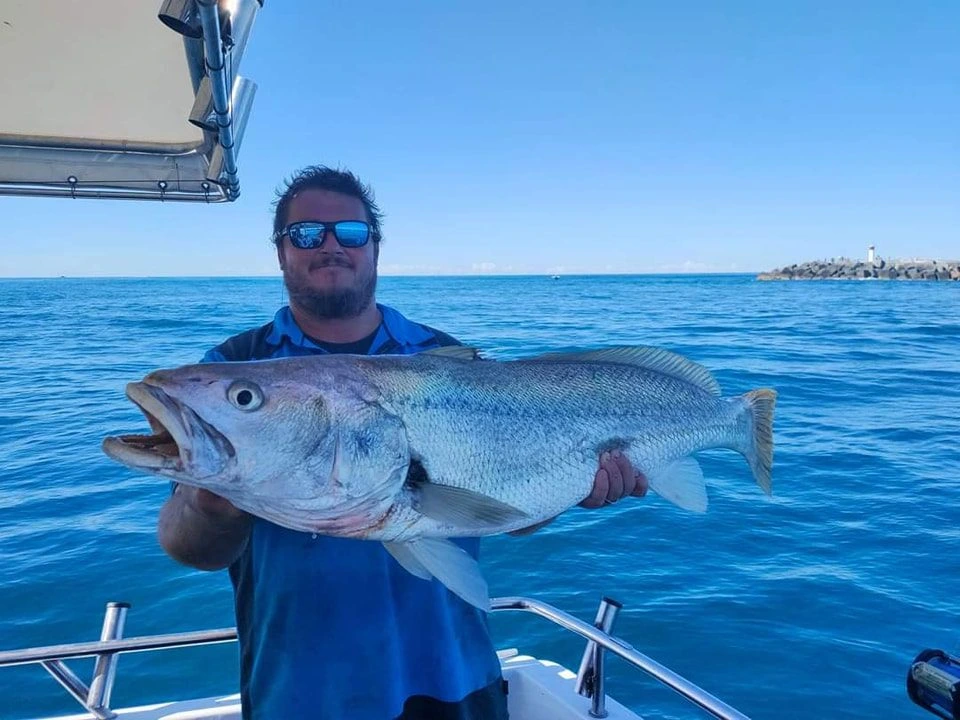
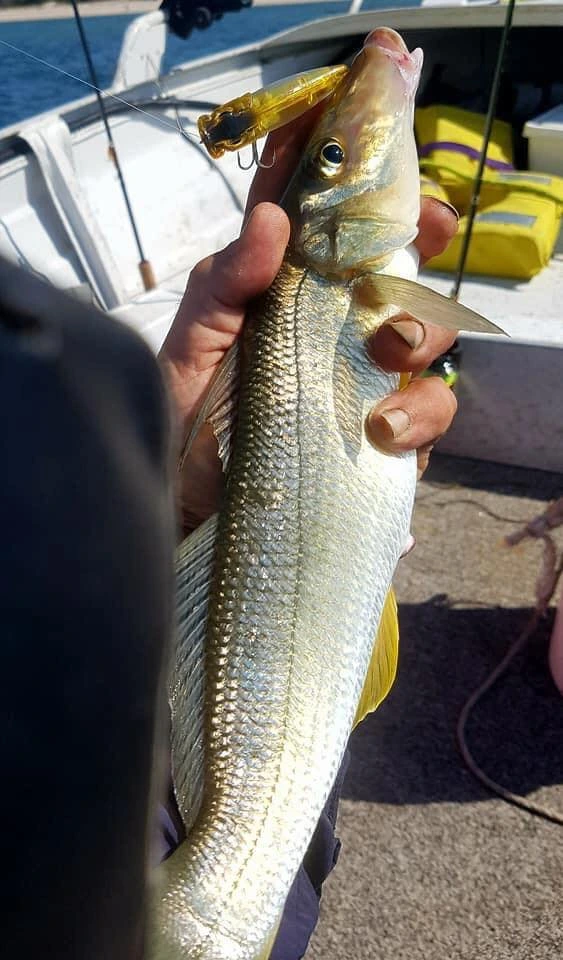
Mulloway, also known as jewfish, are a popular catch on the Gold Coast, known for their size and challenging fight. They are often found in estuaries, bays, and along rocky structures. The Broadwater, Tweed River, and Seaway are excellent places to target these formidable fish. Live bait and large lures are effective for enticing these impressive predators. Mulloway are more active during the night, making night fishing a popular choice.

Venus TuskfishConclusion:

The Gold Coast offers an array of thrilling offshore fishing opportunities, from serene deep-sea excursions to exhilarating battles with prized pelagic species. Whether you’re seeking a delicious meal or an adrenaline-pumping fight, the Gold Coast’s deep coastal waters have something to offer every offshore angler. Be sure to adhere to local regulations, follow ethical fishing practices, and release undersized or protected species to ensure the sustainability of these incredible fisheries.

Consider embarking on a fishing charter adventure with “True Blue gold Coast Fishing Charters” to explore the best offshore spots and techniques, guided by local experts. Cast your line, revel in the breathtaking ocean vistas, and immerse yourself in the excitement of offshore fishing on the Gold Coast. With the right knowledge and preparation, you’ll enhance your chances of landing a trophy catch in these deep and bountiful waters

Unveiling the Best: True Blue Fishing Charters and Top-of-the-Line Gear

Unveiling the Best: True Blue Fishing Charters and Top-of-the-Line Gear

Introduction: 🎣🌟 Exciting News from True Blue Fishing Charters! 🌟🎣
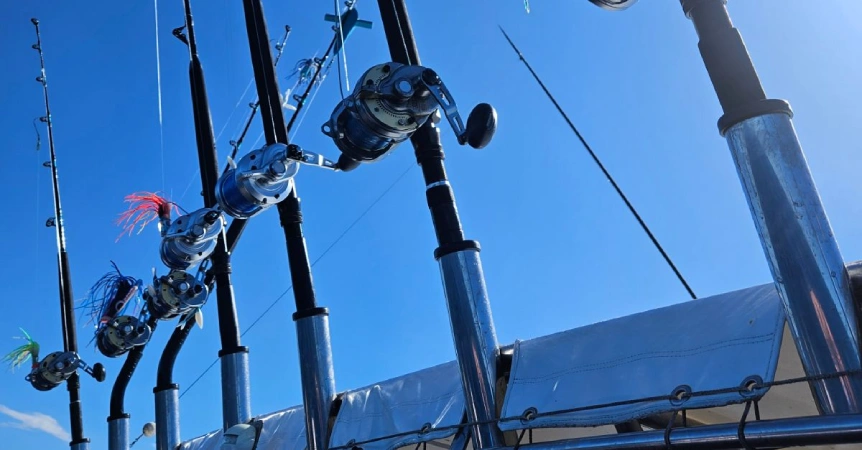
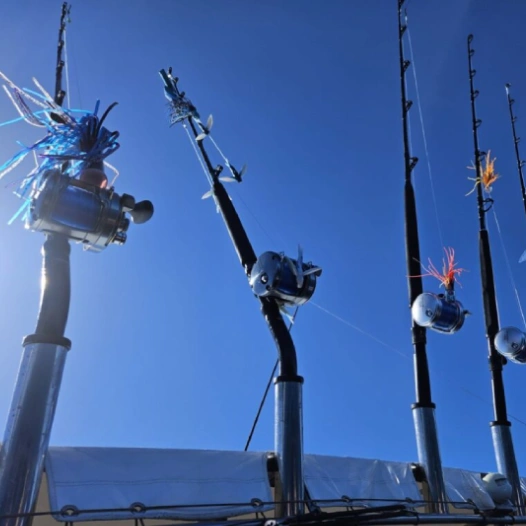
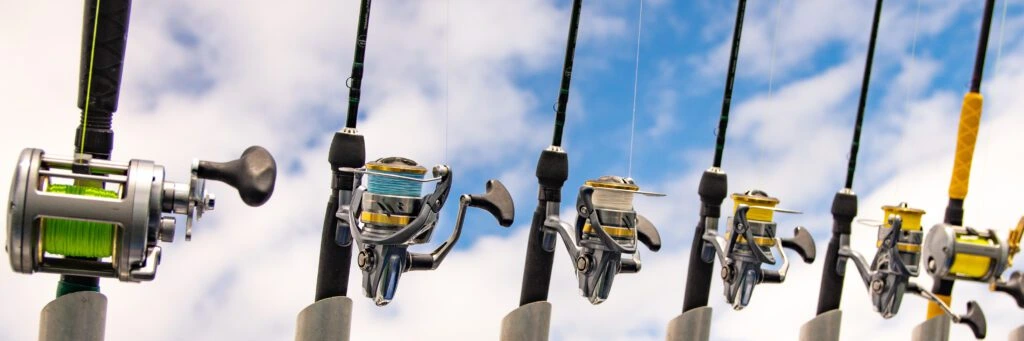
At True Blue Gold Coast Fishing Charters, we don’t just offer fishing experiences; we provide unforgettable adventures. We’re thrilled to share some exciting news with our fishing enthusiasts – we’ve upped our game with a brand new set of top-of-the-line Shimano and Penn tackle to ensure that every fishing trip with us is nothing short of exceptional. Join us as we dive into the world of quality fishing gear and the species that await you on your next charter.

Quality Gear for Unparalleled Adventures:

  1. Shimano TLD 20s: Our arsenal now boasts Shimano TLD 20s, the ultimate choice for precision bottom bouncing. These reels are designed for strength and performance, giving you the power to take on a variety of challenging species.
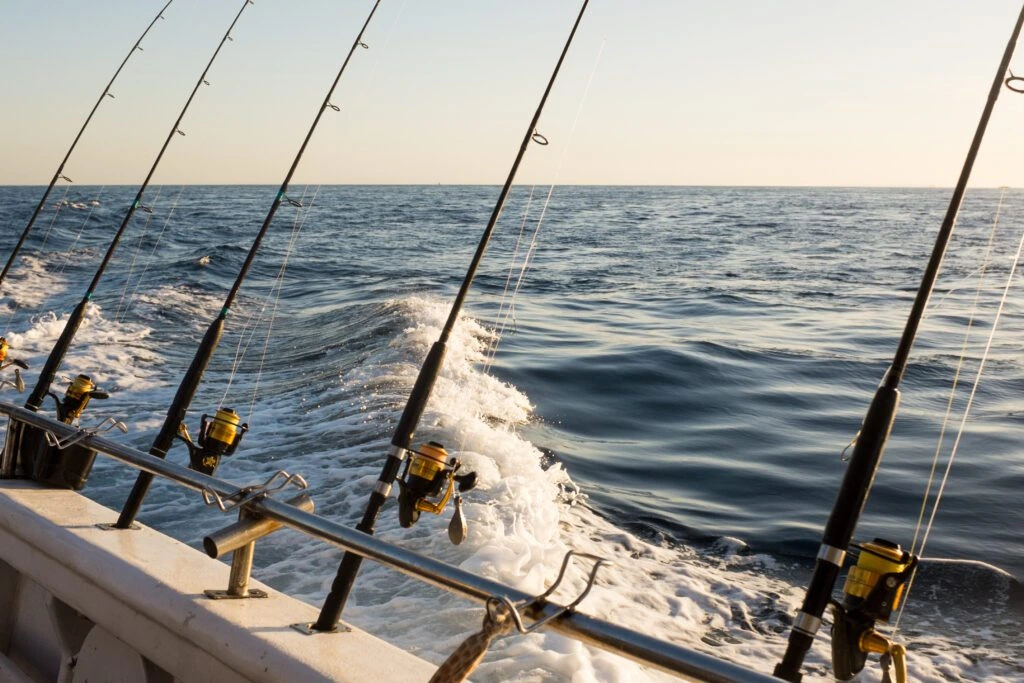
  2. Penn Slammers and Spinfishers: Whether you’re float lining for snapper, flicking baits at the Fads, or hunting mackerel, our Penn Slammers and Spinfishers have got you covered. Penn is synonymous with durability and reliability, making your angling experience smooth and efficient.
  3. Shimano Tyrnos and Talicas: When it comes to live baiting and trolling for species like Marlin, Wahoo, Mahi Mahi, and Cobia, you need gear that can handle the toughest battles. Our Shimano Tyrnos and Talicas are designed for just that – robust, powerful, and responsive.

A Shout-Out to Our Suppliers:

We wouldn’t be able to provide you with this top-tier equipment without the support of our trusted suppliers. We extend our heartfelt thanks to Doug Burt’s Tackleworld and The Bait Shop Gold Coast for ensuring that our fishing charters are equipped with the best gear available. Their commitment to quality aligns perfectly with our mission to offer unparalleled fishing adventures.

Species That Await You:
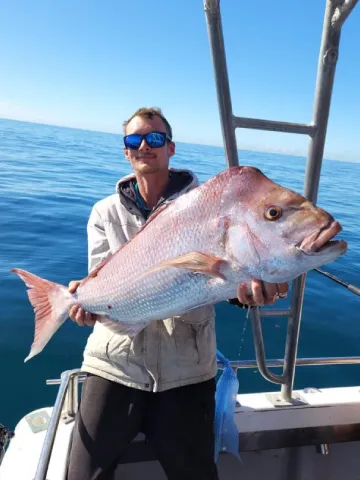
Now that you know about our top-notch gear, let’s take a closer look at the species you can target on our charters:

1. Mahi Mahi (Coryphaena hippurus): Known for their vibrant colors and acrobatic displays, Mahi Mahi are prized catches off the Gold Coast. They’re often found near floating debris, weed lines, or offshore structures. Trolling with lures or using live bait can lead to success in targeting these magnificent and delicious fish.

2. Snapper (Pagrus auratus): Highly sought after for their delectable flesh, Snapper can be found in the deep offshore waters off the Gold Coast. They prefer reefs and rocky outcrops, making them a challenging yet rewarding catch.

3. Pearl Perch (Glaucosoma scapulare): A prized target species in the deep offshore waters, Pearl Perch are known for their delicious taste and thrilling fights. They inhabit deep offshore reefs and rocky bottoms, offering an exciting angling experience.

4. Wahoo (Acanthocybium solandri): Speedy and thrilling, Wahoo are commonly found near reefs and drop-offs. Trolling with lures and using live bait can lead to success in targeting these powerful catches.

5. Spanish Mackerel (Scomberomorus commerson): Renowned for their speed and voracious appetite, Spanish Mackerel are often found near deep-water reefs and drop-offs. Trolling with lures and using live bait or pilchards can lead to success.

6. Marlin (Various Species): For the ultimate offshore angling challenge, target marlin species like black marlin and striped marlin. These pelagic giants can be found in the deep waters off the Gold Coast, offering thrilling battles for anglers.

Conclusion:

With our new top-of-the-line gear and the incredible species waiting to be caught, True Blue Fishing Charters is the ultimate choice for your fishing adventures. Join us, book your trip today, and experience the difference that quality gear can make. Cast your line, feel the excitement, and make lasting memories with us. 🚤🌊🐟 #TrueBlueFishing #FishingAdventures #Shimano #PennTackle #TopQualityGear


The Ultimate Guide to Bait Gathering for Anglers: Tips and Techniques

The Ultimate Guide to Bait Gathering for Anglers: Tips and Techniques

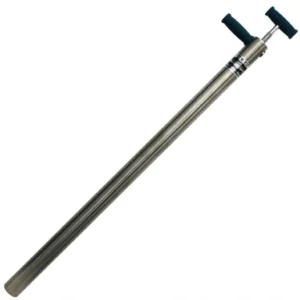
Yabby Pump

Are you an angler seeking to enhance your fishing game and experience the satisfaction of catching your own bait? Whether you’re planning an inshore fishing trip, exploring rocky shores, enjoying a day at the beach, or heading offshore, mastering bait collection is a valuable skill. In this comprehensive guide, we’ll walk you through the art of gathering your own bait, elevating your charter fishing experience, and increasing your chances of landing that trophy catch. Let’s dive in and uncover the secrets of successful bait gathering for various fishing environments.

Inshore and Estuary Bait Collection:

  1. Yabby Pumping: The Art and Science of Yabby Collection

Standing Image

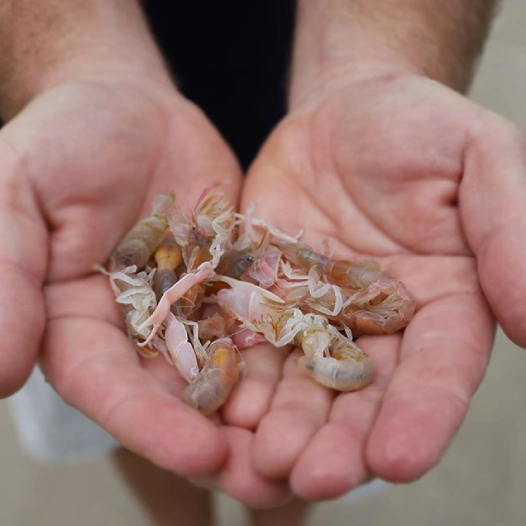
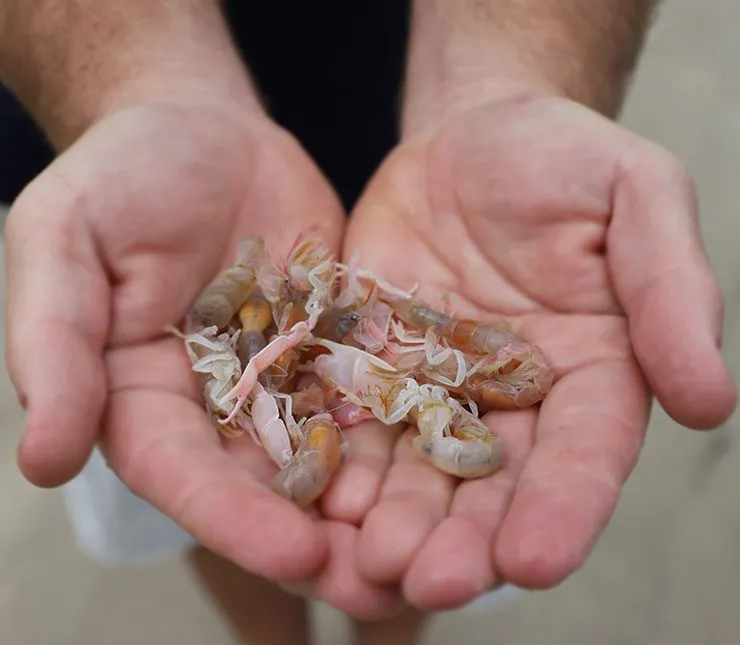
Yabbies, also known as nippers, are exceptional inshore bait, and capturing them involves a blend of knowledge and technique. To excel in yabby pumping, consider the following:

Locating Yabby Burrows and Timing:

Yabby pumping thrives on the ebb and flow of tides, with peak effectiveness on either side of a low tide. For other times, a floating sieve proves invaluable.

Yabby burrows primarily dot shallow, sandy coastal areas, but deeper waters can present more challenging pumping conditions.

Effective Yabby Pump Placement and Execution:

  • Position your yabby pump nozzle squarely over the burrow entrance.
  • Execute a smooth, controlled pull on the plunger to create a powerful suction effect.

Precision and Perseverance:

Persistent effort while pumping yabbies is essential to ensure a successful catch.

  • Don’t hesitate to pump each burrow multiple times, as some may yield multiple yabbies.

Proper Yabby Storage:

  • Store your captured yabbies in a well-aerated bait bucket, complete with a secure lid.
  • Shield the bucket from direct sunlight to maintain optimal water temperature and ensure the well-being of your yabbies.

Cast Net

squid


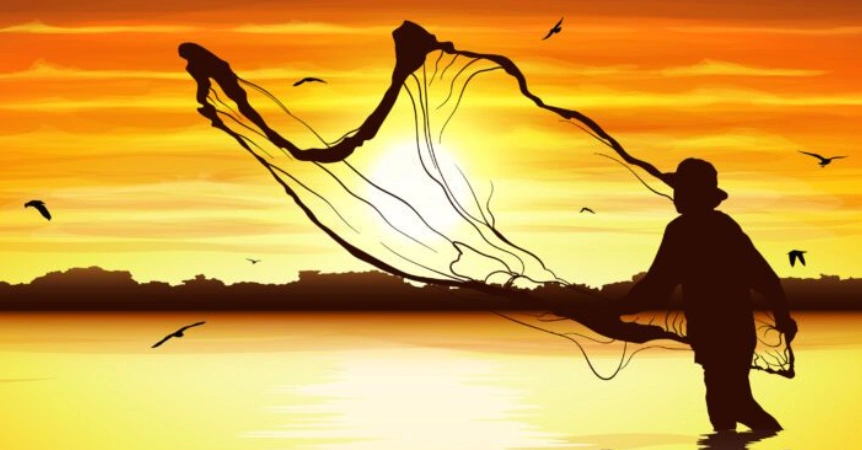
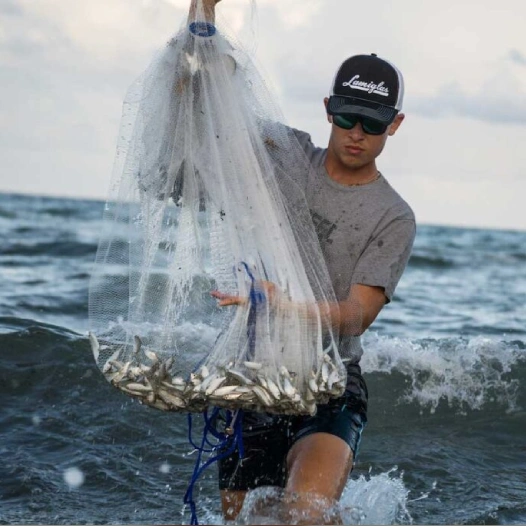
  1. Cast Netting for Herring, Mullet, and Prawns: Cast netting is a highly effective method for capturing small schooling fish like herring and mullet. However, it’s crucial to check your local state laws and regulations regarding the use of cast nets, as they can vary from state to state. Ensure you have the necessary permits and adhere to size and mesh regulations. Cast your net in areas with visible baitfish activity, such as jumping or swirling schools. For prawns, target shallow tidal flats. A well-executed cast net throw can yield a rich haul of live bait. These baits are best used live, so store them in your boat’s live bait tank with good water circulation or in a bucket with a lid and an aerator if fishing land-based.
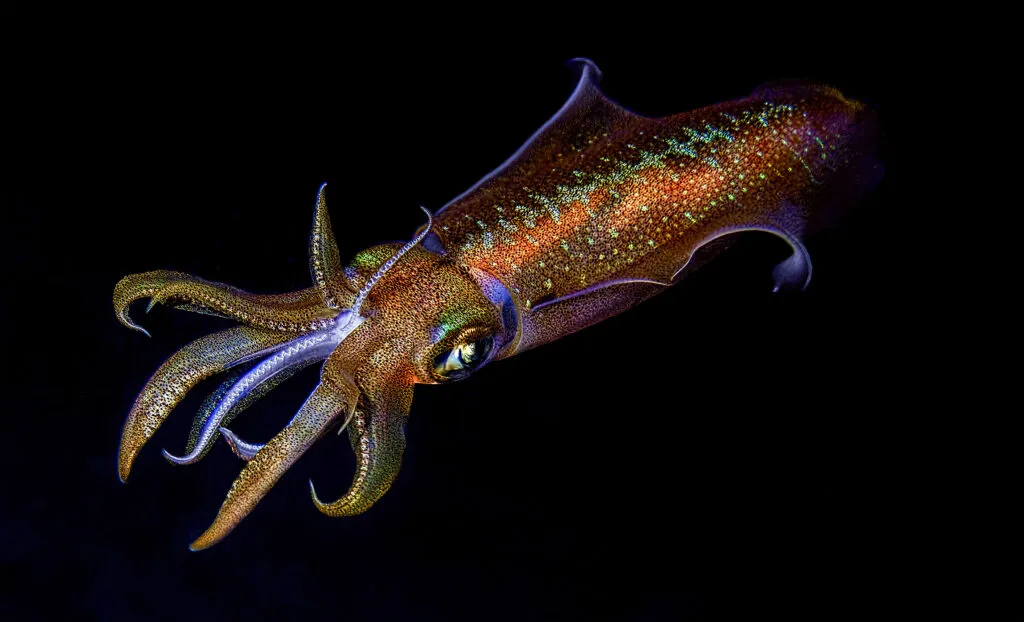
  2. Jigging for Squid: Squid are a favorite inshore bait and can be effectively targeted with squid jigs. Locate squid-rich areas around structures like jetties, piers, and rocky outcrops. Cast your jig and retrieve it in a jerking motion to mimic prey. When you feel a sudden weight on the line, it’s time to reel in your freshly caught squid. Apply steady pressure and reel the squid in slowly. Once it’s at the side of the boat, place a landing net under it and allow it to disperse its ink before bringing it on board. Live squid are great baits for mulloway, kingfish, Cobia, and Cod.
  3. Trolling for Pike: Pike are voracious predators often found in estuaries and along inshore reefs. Use small hard-bodied diving lures or cast small poppers over weed banks. Experiment with varying depths until you find the level where the pike are actively feeding.

On the Rocks, Bait Collection: Mastering Safety and Timingcunji

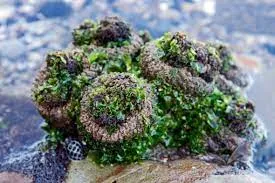
  1. Cunjevoi: Cunjevoi, also known as sea squirt, can be found attached to rocky surfaces. Look for them in rock pools and crevices. Carefully dislodge them and use a knife or scissors to cut them into bait-sized pieces.
  2. Sea Cabbage and Green Weed: These types of seaweed can be found attached to rocks and rocky shores. They make excellent bait for species like drummer and luderick. Collect them by hand or use a small rake to gently scrape them off the rocks.
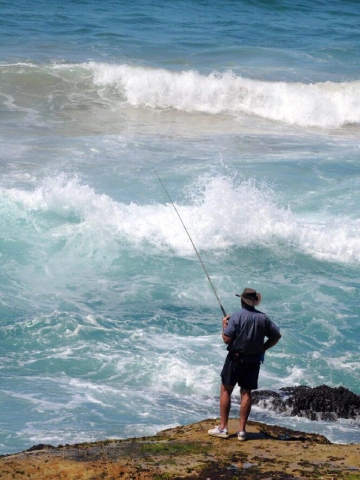
  3. Man Fishing Beside Sea

    Crabs: Crabs are another valuable bait source when fishing in rocky areas. To catch crabs, you’ll need a crab pot or trap. These devices are designed to lure crabs with bait and keep them confined until you retrieve the trap. Place your crab pot in a suitable location with known crab activity. Common baits for crabs include fish heads, chicken necks, or any other smelly, oily bait that can attract them. Be sure to check local regulations for crabbing, as size and bag limits may apply.

Safety Matters: When collecting bait from rocky shores, safety should always be a priority. Here are some important considerations:

Timing is Crucial: The best time to gather bait from rocky areas is during low tide. At low tide, you’ll have access to more exposed areas where bait like sea cabbage, green weed, and crabs can be found.

Watch the Waves: Rocky areas can be slippery, and unexpected large waves can pose a danger. Always have someone in your group designated to keep an eye on the waves while others collect bait. They can alert you to any approaching waves and ensure your safety.

Wear Proper Footwear: Sturdy and non-slip footwear is essential when navigating rocky terrain. Wearing appropriate shoes with good grip can help prevent slips and falls.

Use Caution: Move carefully on wet rocks, and avoid stepping on algae or other slippery substances. Take your time and choose your steps wisely.

By adhering to safety precautions, timing your bait collection with the tides, and staying informed about state regulations, you can make your rocky shore bait collection both productive and safe.

Beach Worms: A Sneaky Capture

beach

Fishing

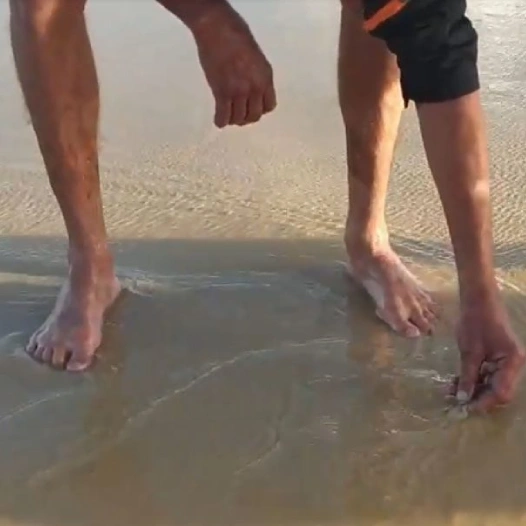
  • Ideal Low Tide: Low tide is the prime time to hunt for beach worms.
  • Locate a Flat Area: Find a suitable flat area where water flows off the sand.
  • Prepare Your “Stink Bag”: Place your bait into a keeper net, which doubles as your “stink bag.”
  • Let the Water Wash Over: Allow the water to wash over the net as it retreats into the sea.
  • Observe Sand Formations: As the sand almost dries, look for small formations resembling pencil head-sized structures sticking up through the sand.
  • ‘V’ Shapes: These formations create small ‘V’ shapes as the water recedes past them, indicating the presence of beach worms.
  • Use Hand Bait: Employ a piece of hand bait, like old pilchards, fish fragments, or anything oily and smelly.
  • Let the Worm Grab Hold: Allow the worm to grab hold of the bait.
  • Slide Behind the Worm: Gently slide your thumb and forefinger or Alvey Worming Pliers behind the worm.
  • Go an Inch or Two In: Go down an inch or two into the sand with your thumb and forefinger or pliers on either side of the worm’s neck.
  • Securely Clamp: Securely clamp the pliers or your fingers onto the worm.
  • Pull in One Steady Motion: In one steady motion, pull the worm out. Timing is crucial; waiting too long may cause the worm to resist.

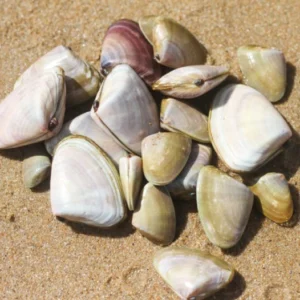
Pipis

Gathering Pipis: Beachcomber’s Delight

  • Timing is Everything: The best time to hunt for pipis is ideally at low tide when the water recedes and exposes the sandy shoreline. You’ll find pipis just above the water line.
  • Spotting the Bounty: Walk along the shoreline and keep an eye out for small dimples or depressions in the sand. Pipis often leave telltale signs of their presence in the form of small, circular impressions.
  • Hands and Feet Technique: Unlike using specialized pipi pumps, beachcombers can rely on their hands and feet to dislodge these treasures from the sand as the tide retreats. Simply use your hands and feet to gently scoop into the sand, exposing the pipis.
  • Persistence Pays Off: Pipi hunting often requires patience and persistence. Don’t be discouraged if you don’t find them immediately; sometimes, it takes a bit of searching.
  • Proper Storage: Store your freshly gathered pipis in a well-ventilated bait bucket with a secure lid. Ensure that the bucket is shielded from direct sunlight to maintain an optimal temperature for the pipis.
  • Local Regulations: Always check local regulations and size limits for pipi collection, as these may vary by location. Respecting the environment and its inhabitants is crucial.

Gathering pipis can be a rewarding and enjoyable experience, providing you with excellent bait for your fishing adventures along the shoreline.

Offshore Bait

Offshore Bait Collection: Unlocking the Secrets

When it comes to offshore fishing, the game changes, and so do the bait collection methods. The open ocean offers a different set of challenges and opportunities. Let’s dive into offshore bait collection and explore a modern technique that can give you the upper hand: using a depth sounder to locate bait schools over reefs and wrecks.

Baitfish Bonanza: In the deep blue, baitfish like slimy mackerel, yellowtail scad, and bonito reign supreme as top offshore baits. These fast-swimming fish are a favorite target for larger predators like marlin, tuna, and kingfish.

Using Your Depth Sounder: A depth sounder, also known as a fishfinder, is an indispensable tool for offshore anglers. It uses sonar technology to send out sound waves that bounce off objects underwater, helping you determine the depth, structure, and even the presence of baitfish schools. By monitoring your depth sounder, you can pinpoint schools of baitfish over reefs and wrecks, making it easier to target the big game fish that often lurk nearby.

Conclusion: A Master Angler’s Arsenal

Mastering the art of gathering your own bait can significantly improve your fishing success and add an exciting dimension to your angling adventures. Always ensure you are fishing in compliance with local regulations and size limits when collecting bait, and prioritize safety in all your fishing endeavors. With these bait collection techniques in your arsenal, you’re well on your way to an exceptional fishing adventure. Happy fishing! 🎣

Experience the Top 10 Benefits of Booking a Fishing Charter

Fishing Charters

Experience the Top 10 Benefits of Booking a Fishing Charter

High Quality Equipment

If you’re a passionate angler, a fishing charter can offer you the ultimate opportunity to savor the excitement of landing impressive catches amidst the stunning backdrop of open waters. However, the advantages of booking a fishing charter extend far beyond just hooking a trophy fish. Fishing charters, especially those on boats, come with an array of perks that can elevate your fishing expedition. In this article, we’ll delve into the top 10 benefits of choosing a fishing charter over traditional shore fishing.


Fishes

1. Expert Guidance and High-Quality Equipment

Booking a fishing charter grants you access to seasoned guides who possess deep knowledge of local waterways. These experts understand the optimal locations for catching various fish species and are well-versed in the right techniques and tools to employ. They can also provide valuable insights on the best times of day to fish, the most effective bait or lures, and other tips to enhance your chances of a successful catch. Additionally, fishing charters typically provide top-notch gear, including rods, reels, bait, and tackle, ensuring a comfortable and safe fishing experience while increasing your odds of landing fish.


Man Holding Fish

2. Exploration of Diverse Locations

One of the standout advantages of boat fishing, when compared to shore fishing, is the ability to access a wide array of locations. Fishing charters can transport you to spots that might be inaccessible on your own, including remote, boat-only accessible areas or hidden gems off the beaten path. Each location brings its own unique fish species to the table. For instance, deep-sea fishing charters venture into the open ocean for reef and game fish, while river fishing charters navigate on calmer waters teeming with species like bream or flathead.


3. Unparalleled Convenience

Booking a deep sea fishing charter eliminates the hassles of planning and coordinating the intricate details of your trip. The charter company takes care of logistics such as transportation to the fishing site, providing all necessary equipment, and securing required permits. This means you can fully immerse yourself in the experience without being bogged down by tedious logistical concerns.

4. Tailored Experiences

Gold Coast Fishing charters can be customized to cater to your specific interests and preferences. Whether you’re an experienced angler seeking a challenge or a novice looking to refine your skills, there’s a charter for you. Options range from deep-sea excursions for the adventurous to more relaxed boat fishing experiences, ensuring your trip aligns perfectly with your goals.

Fishing Charter Ship5. Comfort and Amenities

Fishing charters provide spacious decks, seating, roof cover and private bathrooms. These amenities offer a comfortable retreat between fishing sessions. Additionally, many charters offer onboard meals and snacks, saving you time and energy.

6. Enhanced Safety

Charters prioritize safety with the latest equipment such as rafts, life jackets, and emergency signaling devices. Expert staff members are well-trained in boat handling and emergency protocols, ensuring a secure voyage through local waters and varying weather conditions.

7. Learning Opportunities

Booking a fishing charter provides an excellent chance to learn from experienced guides. They can impart valuable knowledge on fishing techniques, knot tying, and reeling in your catch, benefiting both beginners and those looking to hone their skills. Moreover, fishing charters offer insights into local marine life, helping you gain a deeper understanding of the species, their habits, and the best strategies for catching them.

8. Social and Group Activities

Fishing charters are an ideal setting for bonding with friends and family while creating cherished memories in a beautiful environment. Fishing is a relaxing and rewarding experience, and it’s even more enjoyable when shared with loved ones. You can also customize your charter to mark special occasions like birthdays, graduations, or anniversaries, complete with meals, drinks, and entertainment options for larger groups.

Pearl Perch9. Relaxation and Stress Relief

Booking a fishing charter offers a tranquil escape from daily stressors, allowing you to reconnect with nature. Fishing is known for its meditative qualities, and it provides the opportunity to explore serene, secluded areas you might not otherwise visit. Plus, you might even reel in a delicious meal as an added bonus.

10. Thrills and Excitement

For those seeking an adrenaline rush, fishing charters can be tailored to provide exhilarating experiences. Whether it’s venturing to remote and rugged locations or opting for more intense forms of fishing like deep-sea excursions, you can customize your charter to suit your desire for adventure.

In conclusion, booking a fishing charter is a versatile way to enjoy a day in nature, whether you prefer a peaceful and tranquil outing or an action-packed adventure on the water. Regardless of your angling expertise, a fishing charter promises a memorable and enjoyable experience. Explore our range of fishing charters to embark on your next fishing expedition today.


Coombabah Creek Fishing 101: A Must-Read Guide for Anglers

Coombabah Creek Fishing 101: A Must-Read Guide for Anglers

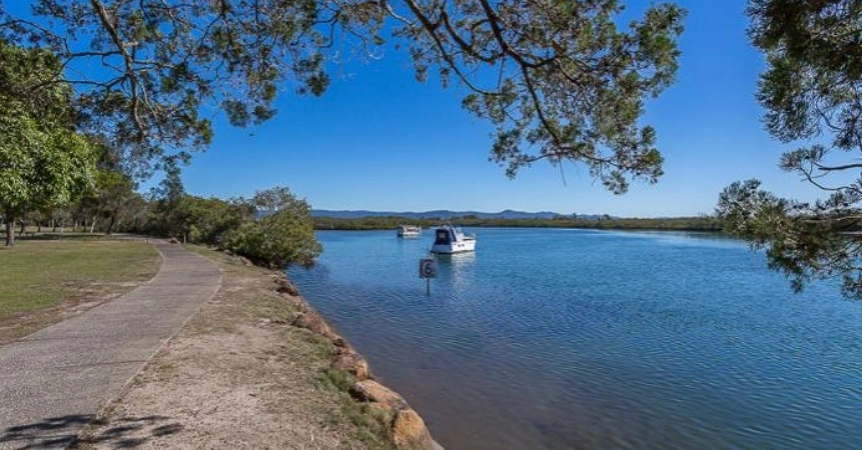
Nestled along the stunning Gold Coast of Queensland, Australia, Coombabah Creek is a hidden gem for fishing enthusiasts seeking tranquility and natural beauty. This picturesque waterway flows from the Coomera River at Paradise Point to Helensvale, offering a wealth of angling opportunities. In this comprehensive guide, we will explore the diverse habitat of Coombabah Creek, including mangroves, sand/mud flats, and narrow channels. We’ll also delve into essential fishing techniques, tackle recommendations, and even share some land-based fishing spots. Plus, we’ll reveal the best bait options that have proven effective in these waters. All of this is aimed at optimizing your fishing experience.

Coombahah

Discovering Coombabah Creek’s Unique Habitat

Coombabah Creek is a testament to nature’s brilliance, offering a diverse habitat that sustains a thriving ecosystem. As you explore its banks, you’ll encounter:

Mangroves: These intricate mangrove forests play a crucial role in nurturing marine life. They serve as sanctuaries, breeding grounds, and food sources for various aquatic species.

Sand/Mud Flats: The sandy and muddy expanses of the creek are rich feeding grounds for fish species. These flats are particularly appealing to bream, whiting, and flathead.

Narrow Channels: The creek’s winding channels provide shelter and ambush points for larger predators like mangrove jack and giant trevally.

Navigating Coombabah Creek with Care

Lake Scene

Coombabah Creek is a fragile ecosystem deserving of utmost respect and conservation. Here are some guidelines to ensure your fishing adventures remain sustainable and enjoyable:

  1. Observe Bag and Size Limits: Comply with bag and size limits for the fish species you aim to catch, promoting the conservation of local fish populations.
  2. Mind Your Litter: Preserve the environment by packing out your trash, leaving no trace of your visit.
  3. Respect Wildlife: Coombabah Creek is home to diverse wildlife; maintain a respectful distance from birds, reptiles, and mammals to minimize disturbance.
  4. Use Sustainable Fishing Practices: Opt for barbless hooks and practice catch-and-release for species not intended for consumption, contributing to the creek’s fish population’s sustainability.
  5. Be Mindful of Tides: Plan your fishing trip around the tides to ensure safe navigation and access to prime fishing spots.

Navigational Route

Navigational Note: Coombabah Lake

While Coombabah Creek offers an abundance of fishing opportunities, it’s essential to note that the Coombabah Lake at the end of the creek is off-limits for fishing. This area is designated as the Coombabah Lakelands Conservation Area, where fishing is prohibited to protect the fragile ecosystem and wildlife habitat. Be sure to respect these regulations and refrain from fishing in this restricted zone.

Mastering Fishing Techniques

To enhance your success in Coombabah Creek, it’s essential to employ effective fishing techniques:


  1. Drifting with Live or Dead Baits: Utilize live or dead baits like prawns, worms, or small fish while drifting along the creek’s currents. Monitor your line for any movements indicating a fish taking the bait.

    Side View Lake

  2. Casting Lures at Structure: Use hard-bodied lures and soft plastics to mimic prey fish near the creek’s structures, such as mangroves and submerged logs. This technique is effective for bream, flathead, and mangrove jack.
  3. Poppers for GTs (Giant Trevally): For an adrenaline rush, try topwater fishing with poppers for GTs. Cast near structure or baitfish-rich areas, retrieving the popper with quick, erratic pops to provoke explosive surface strikes.
  4. Coombahah CreekAnchoring and Creating a Burley Trail: Drop anchor strategically in areas of interest and create a burley trail using mashed bait and water. This scent and particle trail lures fish to your location.
Selecting the Right Tackle

For Coombabah Creek fishing, equip yourself with a 6 to 7-foot spin rod paired with a 3000-4000 size reel, utilizing 3-10 kilo braid mainline for enhanced sensitivity and casting distance. Attach a fluorocarbon leader to your line to prevent fish detection.

Exploring Land-Based Fishing Spots

Coombabah Creek offers fantastic land-based fishing spots, such as:

  1. Jabiru Island off the Rock Walls: Fish off the rock walls near Jabiru Island for bream, flathead, and whiting. Cast your bait or lures along the rocks for a rewarding experience.
  2. Foreshore along the Esplanade at Coombabah: The esplanade’s foreshore provides easy access for land-based anglers, offering opportunities to catch bream, flathead, and mangrove jack.
  3. The Weir at the End of Myola Court near the Bridge: Visit the weir at the end of Myola Court for peaceful land-based fishing. Target bream, whiting, and flathead by casting your line into the still waters near the weir.

Art of Mud CrabbingMastering Fishing Techniques

To enhance your success in Coombabah Creek, it’s essential to employ effective fishing techniques:

  1. Drifting with Live or Dead Baits: Utilize live or dead baits like prawns, worms, or small fish while drifting along the creek’s currents. Monitor your line for any movements indicating a fish taking the bait.
  2. Casting Lures at Structure: Use hard-bodied lures and soft plastics to mimic prey fish near the creek’s structures, such as mangroves and submerged logs. This technique is effective for bream, flathead, and mangrove jack.
  3. Poppers for GTs (Giant Trevally): For an adrenaline rush, try topwater fishing with poppers for GTs. Cast near structure or baitfish-rich areas, retrieving the popper with quick, erratic pops to provoke explosive surface strikes.
  4. Anchoring and Creating a Burley Trail: Drop anchor strategically in areas of interest and create a burley trail using mashed bait and water. This scent and particle trail lures fish to your location.

Kid holding the fish

Mastering Bait Selection for Coombabah Creek Fishing

One of the key elements to successful fishing in Coombabah Creek is choosing the right bait. The type of bait you use can make a significant difference in attracting the attention of your target fish species. Here, we’ll explore some of the best bait options that have proven effective in these waters.


Live Bait Options:

Yabby Pumping GearLive Yabbies: Live yabbies are among the top choices for bait in Coombabah Creek. These small crustaceans are readily available and can be pumped from the sand flats at low tide. Their natural movements and scent are irresistible to a wide range of fish species.
 

Live Herring or Mullet: Both live herring and mullet are excellent live bait options. They’re known for their energetic movements and are highly appealing to predatory fish like flathead and mangrove jack.


Dead Bait Selection:

  1. White Bait: White bait is a versatile dead bait that works well in Coombabah Creek. These small, silvery fish are a favorite among many species and can be used whole or cut into smaller pieces.
  2. Prawns: Prawns are another effective dead bait choice. Their scent and texture make them irresistible to bream, flathead, and whiting. You can use prawns whole or as bait pieces, depending on your target species.
  3. Mullet Fillets: Mullet fillets, whether fresh or frozen, are known for their resilience in the water. They often attract larger species like mangrove jack and giant trevally.

When selecting your bait, consider the preferences of the fish you’re targeting. Live bait tends to be highly effective for predatory species that are drawn to movement, while dead bait can be equally enticing for a variety of fish. Experiment with different bait types and presentations to discover what works best for your specific fishing goals.

With the right bait, proper techniques, and the stunning backdrop of Coombabah Creek, your fishing experience in this picturesque locale is sure to be both enjoyable and rewarding. Respect local regulations, practice sustainable angling, and savor the natural beauty while pursuing your passion for fishing.

Unlocking the Gold Coast Seaway’s Fishing Secrets: Your Comprehensive Guide

Seaway Fishing

Fishing the Gold Coast Seaway

For fishing enthusiasts, the Gold Coast Seaway is an enticing destination that caters to anglers of diverse skill levels and preferences. Whether you prefer the stability of land-based fishing or the thrill of a boat-based adventure, the Seaway offers a multitude of fish species and angling methods to suit your tastes. In this guide, we’ll delve into the nuances of bait selection, lure choices, tackle essentials, and strategic techniques to ensure your fishing expedition in the Gold Coast Seaway is an unforgettable experience.

Fishing Gold CoastSelecting the Perfect Baits and Lures

The choice of bait or lure depends on the specific fish species you’re targeting and the prevailing fishing conditions at the Gold Coast Seaway. Here’s a closer look at your options:

  • Live Baits: To entice predatory giants like Mulloway, kingfish, trevally, or mangrove jacks, live baits such as yakkas, slimy mackerel, mullet, herring, pike, and squid are hard to beat. Depending on the water depth and current, you can deploy free swimming live baits or use a running sinker rig. These live baits can be conveniently sourced from the Seaway itself or nearby areas like Wave Break Island or along the Broadwater foreshores.Fresh Baits
  • Fresh Baits: Mullet fillet, white bait, and pilchards also prove effective in Seaway waters. Set these baits on a running sinker rig, using only as much lead as required by the current, combined with a bait holder style hook. You can either purchase fresh baits from local bait shops or catch them yourself using cast nets or bait jigs.
  • Soft Plastics: Versatile soft plastics have the ability to mimic a range of prey items. For flathead, bream, trevally, mangrove jack and jewfish, opt for paddle tails, curl tails, jerk shads, and grubs in natural hues like white, silver, green, and brown. These soft plastics can be fished on a jig head or a weighted hook, adjusting your retrieve speed or employing a hop-and-drop technique.
  • Hard Body Lures: Ideal for trolling or casting along channel edges or around structures, hard body lures such as diving minnows, poppers, stickbaits, or metal slices in vibrant colors like pink, orange, yellow, and green can help you target tailor, kingfish, mackerel, and trevally.
  • Metal Vibes: These vibrating lures generate enticing sound and flashes, drawing in fish. When using metal vibes, pair them with a heavy leader and employ a rapid retrieve or lift-and-fall action to entice jewfish, kingfish, cobia, and flathead.

RodsChoosing the Right Tackle

Tackle selection depends on the size and power of your target fish and the angling technique you plan to use. Here are some general recommendations:

Rods: Opt for a light to medium spinning rod, ranging from 6 to 7 feet in length. Longer rods allow for increased casting distance and enhanced control, while shorter ones offer greater precision and accuracy. Consider a rod with a fast action for improved hook setting and lure manipulation, or a rod with a moderate action for absorbing the runs and shocks of powerful fish.

Reels: A medium size spinning reel in the 3000 to 6000 size range is suitable for most Seaway fishing scenarios. Prioritize reels with a smooth drag system and ample line capacity to handle sizeable fish and extended runs. High gear ratio reels will enable faster retrieval and enhanced lure manipulation.

Lines: Opt for a 15 to 30-pound test braided line for most Seaway fishing conditions. Braided lines offer reduced stretch and heightened sensitivity, aiding in bite detection and hook setting. Their slender diameter and robust strength provide enhanced casting distance and fish-fighting capabilities compared to monofilament lines of the same test.

Leaders: Employ a fluorocarbon leader ranging from 10 to 20kg test for various Seaway fishing situations. Fluorocarbon leaders offer low visibility and superior abrasion resistance, making them ideal for fooling cautious fish and avoiding snags. Their reduced memory and greater stiffness facilitate knot tying and minimize tangles.

Seaway EntranceStrategic Tactics and Techniques

The success of your Seaway angling adventure hinges on your choice of location and timing. Here are some essential tips for selecting the right tactics and techniques:

  • Location: The Gold Coast Seaway is divided into two primary zones—the Seaway entrance, and the Seaway channel. Each zone boasts distinct features and fish species, necessitating tailored tactics. For example:
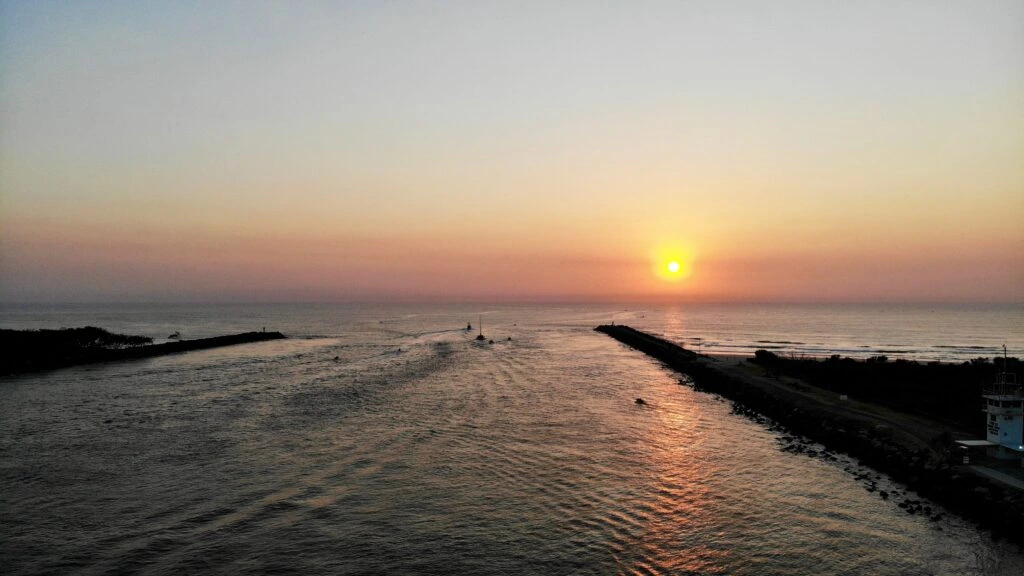
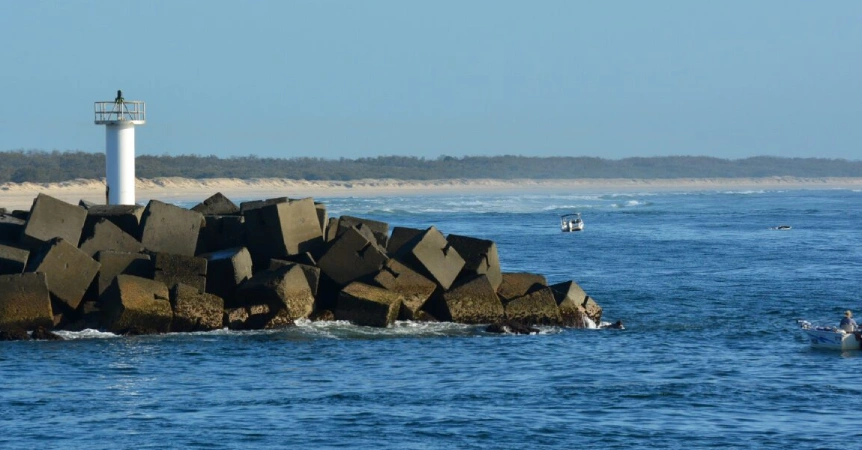
  • Seaway Entrance: This dynamic zone where the ocean meets the estuary offers opportunities to target cobia, jewfish, kingfish, trevally, and mackerel. Effective techniques include trolling or casting live baits or hard body lures along the rock walls, anchoring or drifting with live baits or metal vibes over the pipeline or reef patch, or casting soft plastics or metal slices over the sand spit.
  • Seaway Channel: Characterized by strong currents and abundant food sources, the Seaway channel is ideal for flathead, bream, whiting, trevally, and jewfish. Successful techniques involve drifting or anchoring with live baits or fresh baits on a sinker rig or float rig, or casting soft plastics or hard body lures along the channel edges or around markers and beacons.
  • Timing: Your fishing success also depends on the time of your trip:
  • Tide: Fish are more active with water movement, so plan your fishing trip during changing tides. Different fish species prefer different tide stages, so match your timing with your target species and location.
  • Day: Consider the day of your fishing trip, as some fish species are more active on certain days of the week. For example, finnicky species like bream tend to be more active mid week with less fishing pressure and boat traffic.
  • Season: The season of your fishing trip can also affect your success. Some fish species are more abundant or accessible in specific seasons. For instance, flathead are more prevalent and larger in spring when they spawn in large numbers in September and October.

The Best Spots in the Gold Coast Seaway:

When fishing in the Gold Coast seaway identifying prime spots can significantly boost your chances of a successful catch. These prime spots are known for their abundance of fish and are where experienced anglers often find their most rewarding catches. Here’s why working these prime spots is crucial, along with a closer look at some of them:

Fishing Structure for Success:

One of the key principles of successful angling in the Gold Coast Seaway is to work the structure. Fish are often drawn to underwater structures like rock walls, reefs, and underwater features. These structures provide shelter, create current breaks, and attract baitfish, making them prime hunting grounds for predatory species. By fishing close to these structures, you increase your chances of encountering a variety of fish.

Fish as Close as Safely Possible to the Rock Walls:

Fishing as close as safely possible to the rock walls lining the Seaway can be highly rewarding. The rock walls not only offer shelter and habitat for numerous species but also act as a natural funnel for fish moving in and out of the Seaway. Casting your baits or lures along the rock walls, while keeping a safe distance to avoid a catastrophe, allows you to intercept these fish as they navigate the area. This tactic is particularly effective when targeting species like bream, trevally, and mangrove jacks.

Prime Spots in the Gold Coast Seaway:

Here are some of the prime spots within the Gold Coast Seaway that are worth exploring:

  1. Deep Hole at the End of the North Wall: The deep hole at the end of the north wall is a hotspot for various fish species, including Mulloway and kingfish. The depth and structure of this area provide an ideal environment for these larger predators. Live baiting or casting lures along this section of the wall can yield impressive results.
  2. The Pipeline: The pipeline is a prominent structure in the Seaway that attracts a wide range of fish. However, it’s essential to note that anchoring over the pipeline is strictly prohibited, as indicated by signage on both sides. To target fish around the pipeline, consider drifting with the current or using Spot Lock technology if your vessel is equipped.
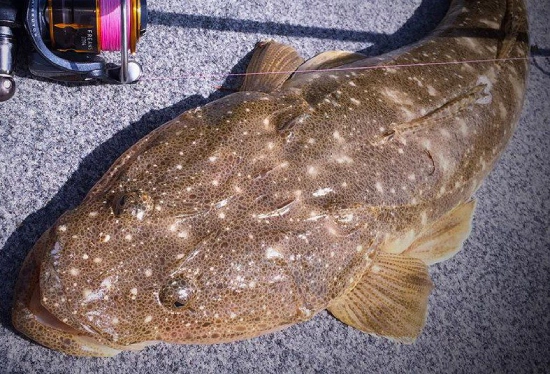
  3. Along the Southern Wall: The southern wall also offers excellent opportunities for anglers. This area provides a variety of structures, including submerged rocks and ledges, where species like bream, flathead, mangrove jack and trevally can often be found. Drifting or casting along the southern wall can be highly productive.
  4. Around Channel Markers: Channel markers are strategic locations within the Seaway where fish often congregate. These markers create disturbances in the current, attracting baitfish and, in turn, predatory species. Anchoring near these markers, while observing safety guidelines, can lead to successful catches.

By focusing your efforts on these prime spots and working the structure effectively, you’ll increase your chances of encountering a diverse range of fish species and enjoying a fruitful angling experience in the Gold Coast Seaway. Remember to abide by all local regulations, respect other anglers, and prioritize safety while pursuing your fishing adventures.

Drifting SeawayDrift Fishing the Gold Coast Seaway:

Advantages:

  • Cover More Ground: Drifting allows you to cover a larger area as your boat moves with the current and wind. This can be advantageous when exploring different parts of the Seaway or searching for active fish.
  • Natural Presentation: Drifting with the current provides a natural presentation of your baits or lures, mimicking the movement of prey items and attracting a variety of fish species.
  • Versatility: Drifting is versatile and effective for targeting a wide range of fish species, from flathead to trevally.

Disadvantages:

Challenging Parallel Drift: Achieving a parallel drift along the wall can be difficult unless the tides and wind are in your favor. This may require careful planning and adjustments to maintain the desired drift direction.

Achoring for Gold CoastAnchoring for Gold Coast Fishing

Advantages:

  • Staying Put: Anchoring allows you to maintain your position in a specific spot, which can be highly advantageous when you’ve identified a promising fishing location or when you’re targeting fish near structures or at specific depths.
  • Precise Presentation: Anchoring provides precise control over the placement of your baits or lures, which is especially beneficial when you’re targeting specific underwater structures or features where fish tend to congregate.

How to Anchor Effectively:

  • Carefully select your anchoring location, taking into account your knowledge of the Seaway’s topography, fish behavior, and tidal patterns.
  • Ensure that your anchor and rope (line/chain) are appropriate for the depth and current conditions at your chosen fishing spot.
  • Remain aware that anchoring over the underwater pipeline is strictly prohibited, as clearly indicated by signage on both sides. However, it is possible to drop anchor well back from the pipeline and let out enough rope to allow you to target this wonderful underwater structure.

Using Spot Lock with an Electric Motor:

Advantages:

Spot Lock

  • Precision Control: Spot Lock technology, available with electric trolling motors, provides precise control over your boat’s position. You can hold your vessel steady in one spot, even in challenging conditions.
  • Optimal Presentation: Spot Lock allows for a precise presentation of baits or lures, making it ideal for targeting specific structures, bait schools, or areas with high fish activity.
  • Minimal Disturbance: The quiet operation of electric motors minimizes disturbance in the water, reducing the risk of spooking fish

How to Use Spot Lock Effectively:

  • Invest in an electric trolling motor equipped with Spot Lock technology.
  • Use a GPS-enabled remote control or smartphone app to activate and adjust Spot Lock as needed.

When to Use Spot Lock:

  • Spot Lock is perfect when you want precise control over your boat’s position, whether you’re targeting specific structures, holding over bait schools, or trying to maintain optimal casting distance.
  • It’s especially beneficial in areas with strong currents or windy conditions.

WavesLand-Based Fishing Spots:

  1. Along the South Wall: The south wall of the Gold Coast Seaway offers excellent land-based fishing opportunities. You can access this area by parking at The Spit and walking along the rock wall. Species commonly targeted here include bream, tailor, trevally, and flathead. Casting lures or using baited rigs can yield successful results.
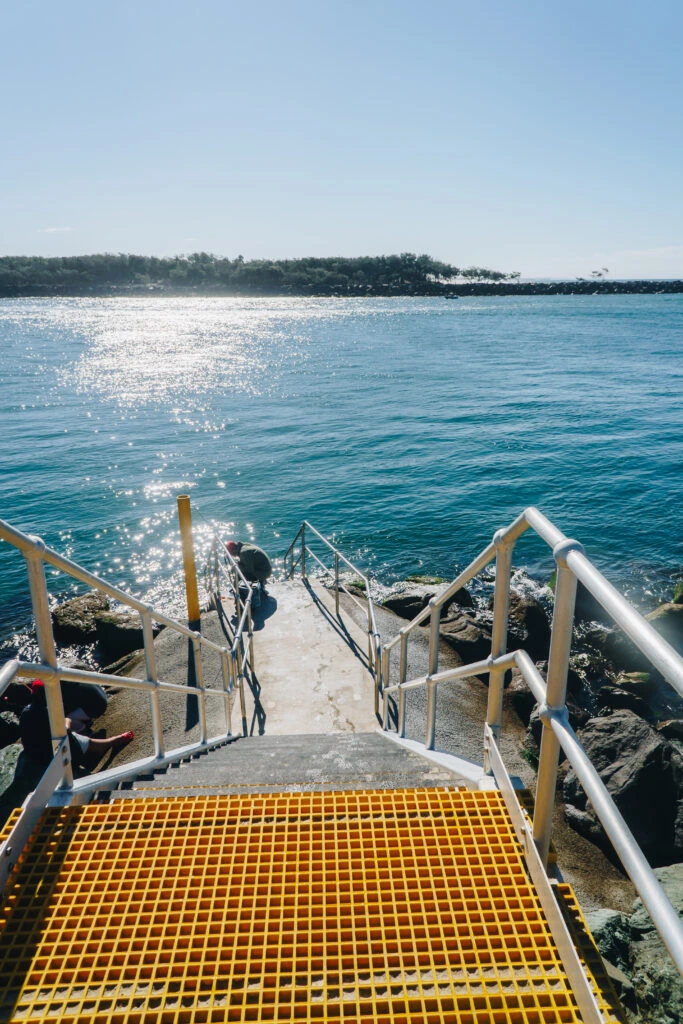
  2. Council Fishing and Diving Platforms: The Gold Coast City Council has constructed dedicated fishing platforms at strategic locations around the Seaway, providing safe and comfortable spaces for land-based anglers. These platforms offer easy access to prime fishing areas and can be a great option for families and beginners.

Conclusion: Your Gold Coast Seaway Fishing Adventure Awaits

Fishing at the Gold Coast Seaway offers endless opportunities for anglers of all skill levels. By following the tips and techniques outlined in this guide, you’ll increase your chances of landing a memorable catch in this diverse and productive fishing destination. Prepare for an exciting Gold Coast Seaway fishing adventure and make the most of your time on the water.Fishing Adventure