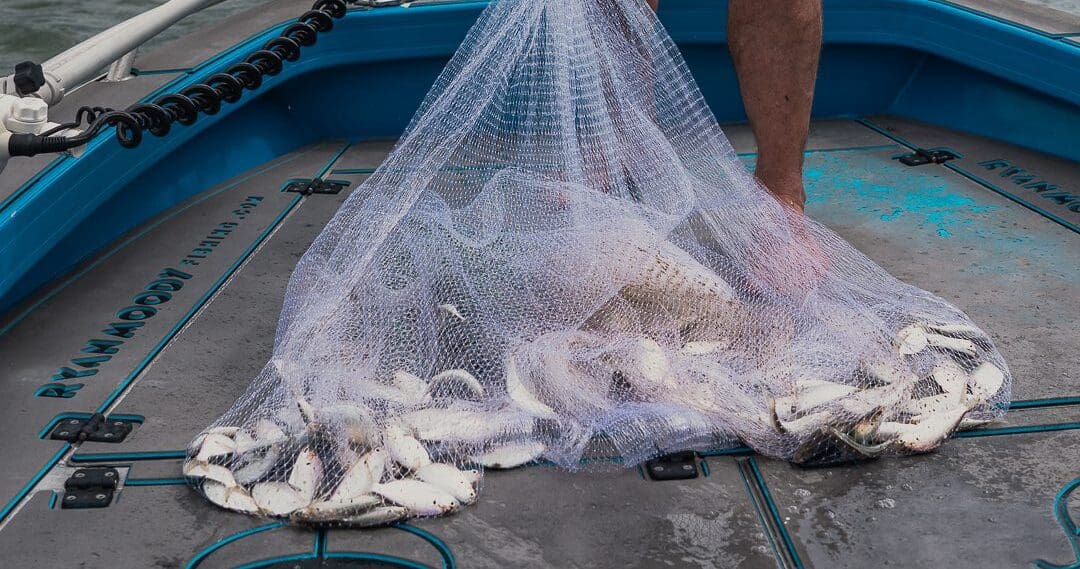
Cast Netting for Bait Fish on the Gold Coast: A Complete Local Guide 🎣
Cast netting is one of the most effective and satisfying ways to gather fresh bait fish on the Gold Coast.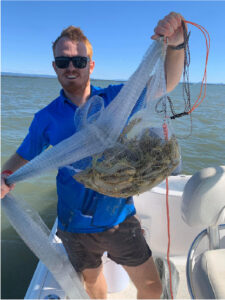 With a network of creeks, rivers, canals, estuaries, and sheltered Broadwater areas, the region offers outstanding opportunities to catch live bait such as prawns, poddy mullet, herring (hardyheads), garfish, and yellowtail.
Whether you’re preparing for a Deep sea fishing trip or a relaxed estuary session, learning how to cast net properly can dramatically improve your fishing success.
Why Cast Net for Bait?
Fresh, locally caught bait is often far superior to frozen alternatives. Cast netting allows you to:
Collect live, healthy bait just before fishing
Match the hatch with local bait species
Save money on bait purchases
Spend more time fishing and less time searching
On the Gold Coast, many prized species — including snapper, flathead, tailor, mulloway, tuna, mackerel, and marlin — respond far better to fresh or live bait.
Common Bait Fish Species on the Gold Coast
🐟 Poddy Mullet
One of the most versatile live baits
Found in creeks, canals, and estuaries
Excellent for flathead, mulloway, tailor, and mangrove jack
🐟 Herring (Hardyheads)
Small, hardy bait fish that stay alive well
Common around bridges, pontoons, and lights
Ideal for offshore and inshore fishing
🐟 Prawns
Seasonal but extremely effective
Attract bream, whiting, flathead, and snapper
Common in estuaries and shallow flats
🐟 Yellowtail Scad (Yakkas)
More common in deeper channels and offshore areas
Excellent live bait for tuna, mackerel, kingfish, and marlin
Best Locations for Cast Netting on the Gold Coast
🌊 Gold Coast Broadwater
Shallow sand flats and channel edges
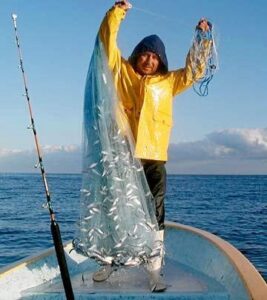
Great for mullet and herring
Early morning and dusk are prime times
🏞️ Estuaries & Creeks
Nerang River
Currumbin Creek
Look for bait around mangroves, drop-offs, and structure
🌉 Bridges, Jetties & Pontoons
Bait congregates around lights at night
Best during tide changes
Watch for shadow lines where fish feel safer
Best Times to Cast Net 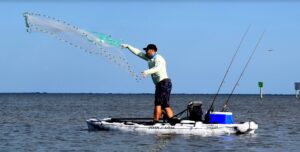
Low light periods (dawn, dusk, and night)
Incoming tides, when bait moves up onto flats
After rain, when bait pushes toward cleaner water
Warm months generally see higher bait concentrations
Choosing the Right Cast Net
Mesh Size
6–8 mm: Ideal for prawns and small bait
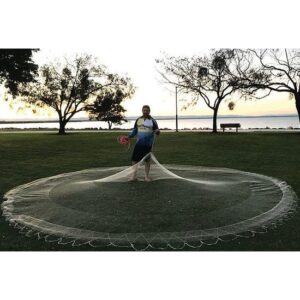
10–12 mm: Good all-round size for mullet and herring
Net Size
6–8 foot radius: Suitable for most anglers
Larger nets cover more area but require better technique
Materials
Mono nets sink faster and spread wider
Lead weights should be evenly spaced
How to Cast a Net (Beginner-Friendly Steps)
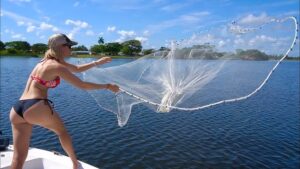
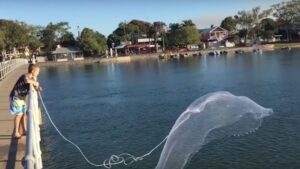
Hold the hand line in your non-dominant hand
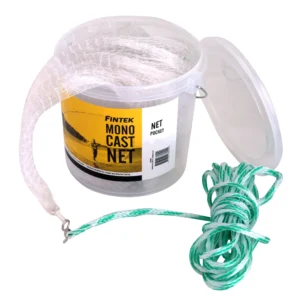
Drape part of the net over your forearm
Hold a lead line section in your throwing hand
Rotate your body and release smoothly
Allow the net to fully open and sink
Retrieve slowly, keeping tension on the line
Practice on open grass or shallow sand flats before fishing.
Handling & Storing Live Bait
Use a live bait bucket or aerated tank
Change water regularly if no aerator is available
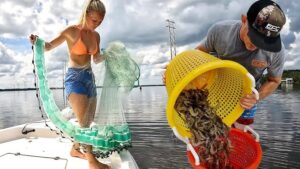
Avoid overcrowding bait fish
Handle gently to reduce stress
Healthy bait equals more bites.
Legal Rules & Ethics on the Gold Coast ⚠️
Cast netting is legal in Queensland but check local regulations
Be aware of no-net zones, especially near marine parks
Respect size and possession limits
Avoid casting near swimmers or boats
Take only what you need
Always follow Queensland Fisheries rules to protect fish stocks.
Using Live Bait Offshore
Fresh bait caught via cast net is incredibly effective when heading offshore from the Gold Coast.
Live mullet, herring, and yakkas are commonly used when targeting: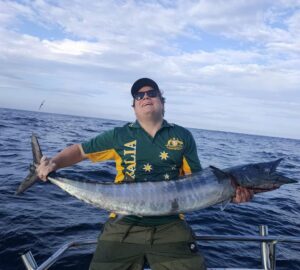
Snapper
Cobia
Tuna
Mackerel
Mahi mahi
Marlin
Many Gold Coast fishing charters, including True Blue Fishing Charters, rely heavily on fresh bait collected locally before heading to offshore reefs.
Final Tips for Cast Netting Success
Polarised sunglasses help spot bait schools
Watch birds, ripples, and surface flashes
Move quietly in shallow water
Don’t rush — accurate casts beat random throws
Final Thoughts
Cast netting for bait fish on the Gold Coast is a skill that pays off every time you fish. With the right net, a little practice, and knowledge of local tides and locations, you’ll be able to consistently secure premium bait and dramatically increase your catch rates.
From the Broadwater and local creeks to offshore adventures, mastering cast netting is one of the most valuable tools in any Gold Coast angler’s kit 🎣🌊
Related Posts

Plan Your Next Charter
Chasing reef fish, game species, or a great day out on the water? Our crew is ready when you are.