The History of the Southport Bar and the Gold Coast Seaway
The Southport Bar and the Gold Coast Seaway have played a crucial role in shaping the maritime, commercial, and recreational history of the Gold Coast. From a dangerous natural river mouth feared by mariners to one of Australia’s safest and most reliable coastal entrances, the transformation of this area tells a story of engineering innovation, tragedy, and the growth of a world-class coastal city.
The Southport Bar: A Treacherous Beginning
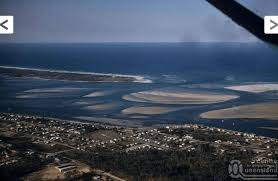
Before the construction of the Gold Coast Seaway, the entrance between The Broadwater and the Pacific Ocean was known as the Southport Bar. This naturally shifting sandbar sat at the mouth of the Nerang River, constantly changing with tides, storms, and currents.
Why the Southport Bar Was So Dangerous
The Southport Bar gained a fearsome reputation due to: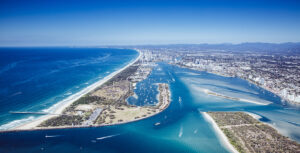
Constantly moving sandbanks
Shallow depths at low tide
Powerful tidal flows
Large ocean swells breaking unpredictably
For early fishermen, oyster farmers, and traders, crossing the bar required local knowledge, precise timing, and a good dose of luck. Many vessels were lost attempting to enter or exit the Broadwater.
Early Maritime Activity at Southport
In the late 1800s and early 1900s, Southport was the main settlement on the southern Gold Coast. The bar was vital for:
Transporting goods and produce
Commercial fishing operations
Passenger vessels and steamers
Despite its importance, the bar remained unreliable. Boats often had to wait days or weeks for suitable conditions, limiting trade and development in the region.
Shipwrecks and Tragedy
Numerous vessels ran aground or were wrecked at the Southport Bar, reinforcing its dangerous reputation. The unpredictable entrance claimed both boats and lives, prompting growing calls for a safer solution.
Local fishermen and boating operators pushed for engineering works to stabilise the entrance, but the scale of the task meant plans were repeatedly delayed.
The Vision for a Seaway
By the mid-20th century, the Gold Coast was growing rapidly. Canals were being developed, tourism was booming, and recreational boating was increasing. The unstable Southport Bar became a major obstacle to progress.
A permanent, navigable entrance was seen as essential to:
Improve maritime safety
Support canal estate development
Encourage tourism and boating
Protect the Broadwater from erosion
Construction of the Gold Coast Seaway
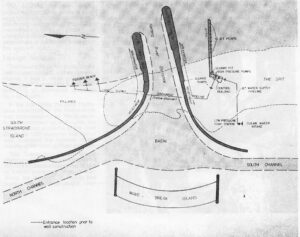
Work on the Gold Coast Seaway began in 1984, and the project was completed in 1986. The Seaway replaced the natural bar with a permanently stabilised entrance, engineered to handle large vessels and heavy ocean conditions.
Key Features of the Seaway Design
Two massive rock walls extending into the ocean
Deep dredged channels for consistent depth
Controlled tidal flow between ocean and Broadwater
Designed to withstand severe weather events
The Seaway permanently shifted the entrance north, separating Main Beach from South Stradbroke Island.
How the Seaway Changed the Gold Coast
The completion of the Gold Coast Seaway marked a turning point in the region’s development.
Improved Boating Safety
Safe access to offshore waters
Reliable entry and exit for all tides
Reduced risk of groundings and capsizing
Growth of Recreational Boating
Expansion of marinas and canal estates
Rise in offshore fishing and cruising
Establishment of professional fishing charters
Environmental Impacts
Stabilised sand movement
Improved water quality in the Broadwater
Creation of new marine habitats around rock walls
The Seaway and Fishing Culture 🎣
Today, the Gold Coast Seaway is one of the most popular fishing locations in Queensland. The structure attracts:
Anglers regularly target:
The Seaway’s currents and depth changes create ideal feeding conditions, making it a hotspot for both land-based and boat anglers.
The Southport Bar vs the Modern Seaway
| Southport Bar | Gold Coast Seaway |
|---|---|
| Unstable sandbanks | Engineered rock walls |
| Highly dangerous | Predictable and navigable |
| Limited access | Year-round access |
| Frequent groundings | Significantly improved safety |
While the Southport Bar is long gone, its legacy remains a reminder of how challenging early coastal navigation was on the Gold Coast.
The Seaway Today
The Gold Coast Seaway now supports: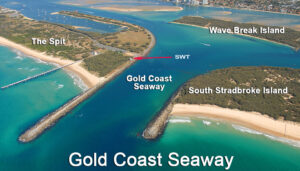
Commercial and recreational vessels
Surf lifesaving operations
Tourism and marine research
It is monitored constantly to maintain depth and safety, ensuring it remains one of the best-designed coastal entrances in Australia.
Respecting the Seaway
Despite its safety improvements, the Seaway still demands respect:
Strong tidal currents can exceed 6 knots
Swell can stand up quickly on outgoing tides
Boat operators must follow navigation rules
Local knowledge, tide planning, and seamanship remain essential.
Conclusion
The transformation from the dangerous Southport Bar to the modern Gold Coast Seaway is one of the most important chapters in Gold Coast history. What was once a treacherous and unpredictable entrance is now a gateway to offshore adventure, economic growth, and a thriving boating culture.
Whether you’re a fisherman, boater, or history enthusiast, the Seaway stands as a powerful reminder of how engineering and vision helped shape the Gold Coast into the maritime hub it is today 🌊⚓
Related Posts

Plan Your Next Charter
Chasing reef fish, game species, or a great day out on the water? Our crew is ready when you are.