The Winter Whale Migration

Whale Migration – Gold Coast.

Whale Migration and Sightings.

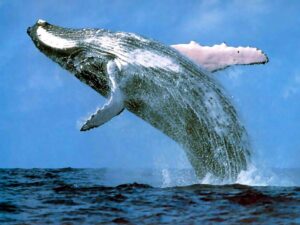
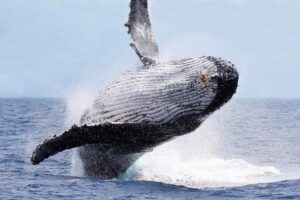
If you’re going to book a fishing charter while visiting the Gold Coast, you also get the added bonus ofwhale watching gold coast spotting Humpback Whales, during the months between May to November. Southern Humpbacks can be spotted all the way along the East Coast as they travel to warm waters to give birth.

Whales are majestic creatures who also happen to be the largest mammals on the planet. Most whales feed on Krill and Plankton, which can be found in abundance in the cold and waters around Antarctica.

For charter fishing enthusiasts, spotting whales during this annual migration period is very common, with sightings most days. Whales migrate between May to November and it’s the perfect time for sighting them.

Cooler winter months provide calm seas with light offshore breezes, creating perfect conditions for fishing and whale watching alike. The Gold Coast is one of the best destination for humpback whale watching.

Hervey Bay is another very popular location where Humpbacks make an annual stop during their migration north to give birth. Starting from mid-July up to November, they can be seen in good numbers.

Fishing Charters

whale watching on the Gold coastWhales are best experienced in person and hopefully you’ll spot some of these magnificent ocean creatures while charter fishing with us off the Gold coast.

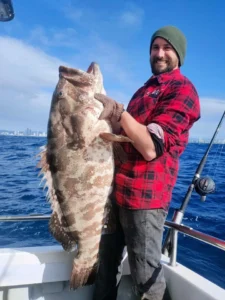
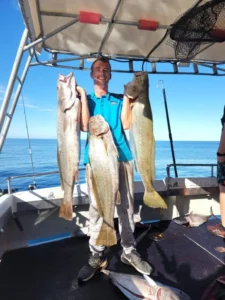
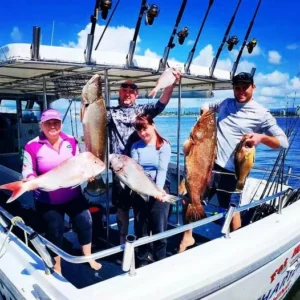
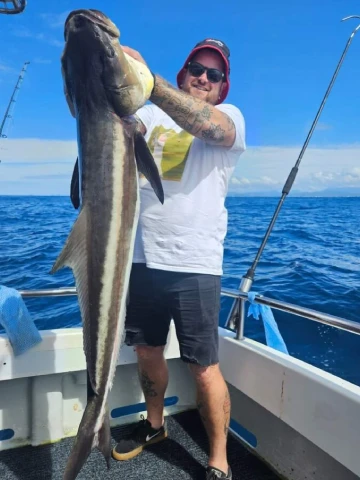
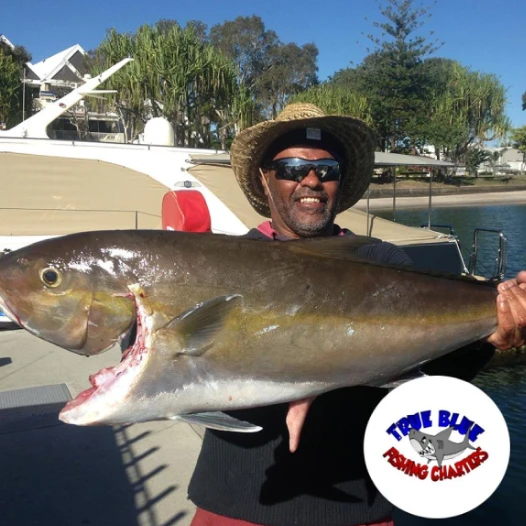
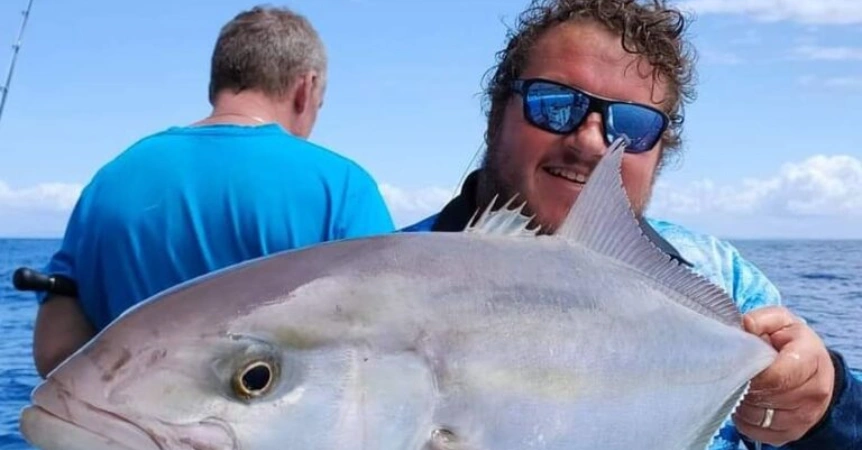
Winter whales also bring other species along with them. Big schools of Cobia (black kingfish) often closely follow the whales, as do sharks, and sting rays. Cobia are one of our favourite winter target species. We dedicated quite a bit of time to chasing them with both live and dead baits.

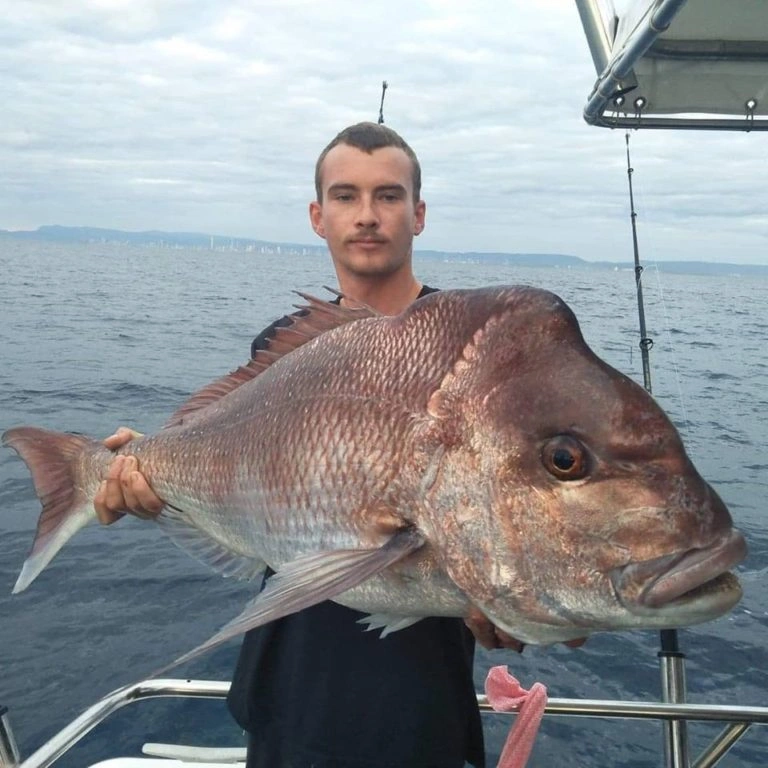
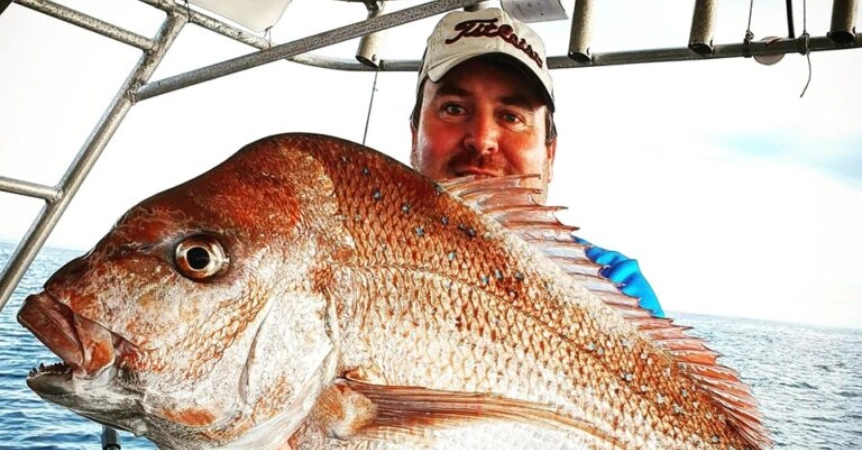
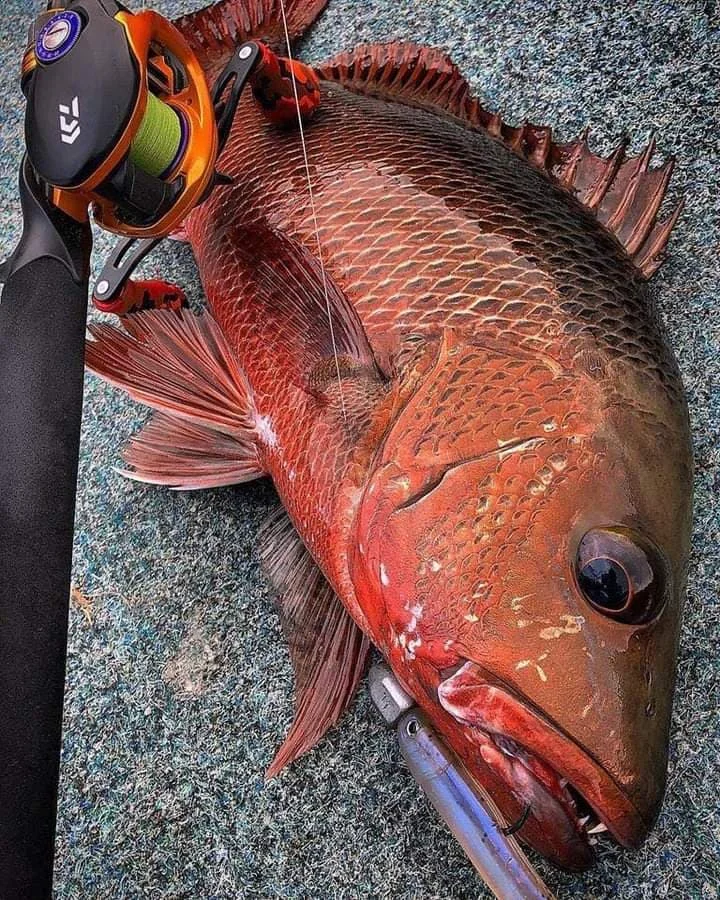
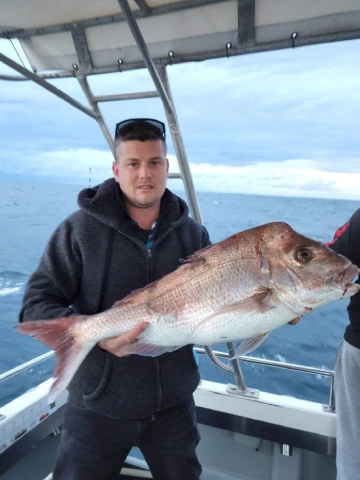
What could be better than landing a 20kg Cobia or whopping big snapper and then watching the whales cruise by and frollick in our semi tropical waters off the south east Queensland coast.

Our fishing charter vessels are available 7 days a week for deep sea reef and game fishing trips.


Weekend Fishing Charter or Week day – Gold Coast

live the dream Weekend Fishing Charter or Mid-Week?

What’s the difference fishing on the weekend. Or a weekday you may ask? Firstly, I guess it comes down to your work schedule and available time. Not to mention the availability of your local fishing charter operator. Most good charter operators will try to operate every day that that the weather is favourable. Regardless of if its Thursday or Sunday. Furthermore, the fish don’t have a preference for feeding on any particular day either. Which is good news for charter skippers and customers alike.

great value fishing Weekend Fishing Charters – Gold coast

Pros

  • Great if you work Monday – Friday.
  • Easier to get groups of friends together on weekends.\
  • You can take the kids too if you desire.

Cons

  • Harder to get a booking on the date you want. Usually, charter operators get the highest demand on weekends.
  • Charter boats are generally booked to full capacity on Saturday and sundays.
  • More traffic and harder to find parking.

aussie fishingWeek Day Fishing Charters – Gold Coast

Pros

  • Easier to get a booking, as charter operators tend to be quieter midweek. Except for high demand periods like school holidays. Its advisable to book in advance for these periods.
  • There can sometimes be less people on the boat midweek. hence you get more room to spread out and fish.
  • Less boats on the water jostling for the same patch of reef to fish.

Cons

  • Might need to take a sickie. Worse still the boss might find out. Do not post your pics on social media!
  • Friends and family may not be available to accompany you. you may have to fly solo.
  • Occasionally mid-week charters get cancelled due to insufficient numbers booked.

fishing weekendCharter Boats Available for Weekend and Week Day Trips

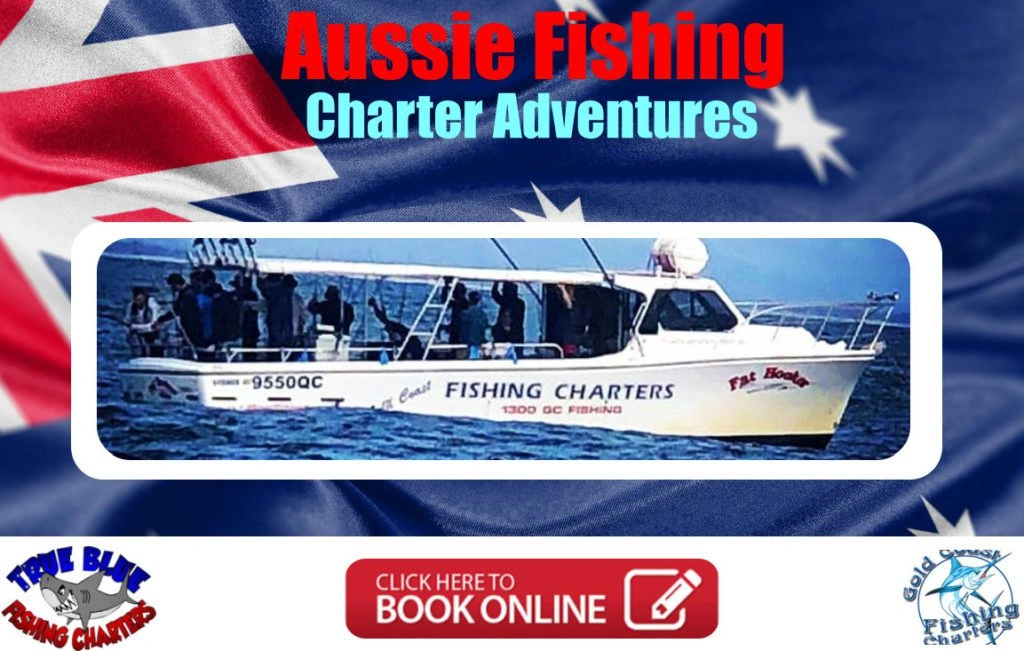
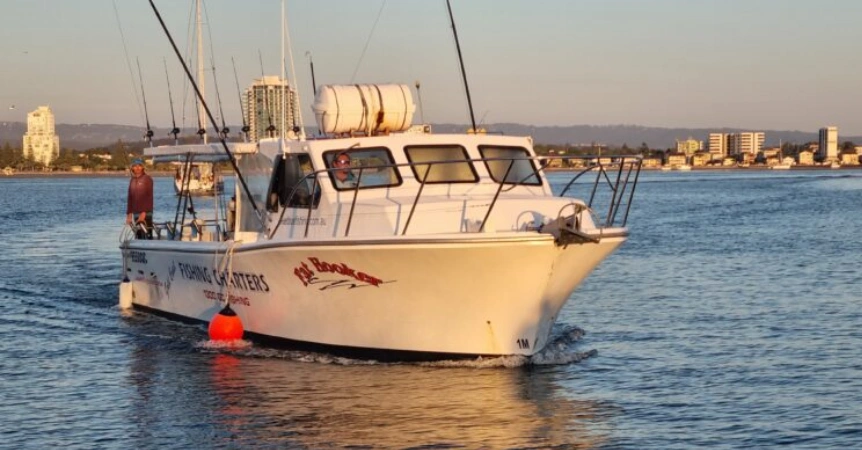
True Blue Fishing operate two of the biggest and tidiest charter boats on the Gold coast. Both MV “Seaquest” and “FV Fat Hooker” are available for charter for individual. and group bookings. Furthermore, our boats head out to sea seven days a week, subject to minimum numbers being met and weather permitting.

In conclusion, it doesn’t really matter what day you book to go out fishing. In fact we are certain you will enjoy your day and get a great catch regardless of what day of the week it happens to be.

Similarly, if you would like more information about booking one of our deep sea fishing trips, don’t hesitate to Give us a call on 07 55109622


Barotrauma – Reef Fish – How to Safely Release Your Catch

Barotrauma in Reef Fish

When a fish is hooked and wound up quickly from deep in the water column, the rapid change in water pressure causes the gases in the fish’s body to expand. This results in a variety of injuries that can be fatal to most fish. This is what is commonly known as barotrauma.

barotrauma effect Which fish does barotrauma effect?

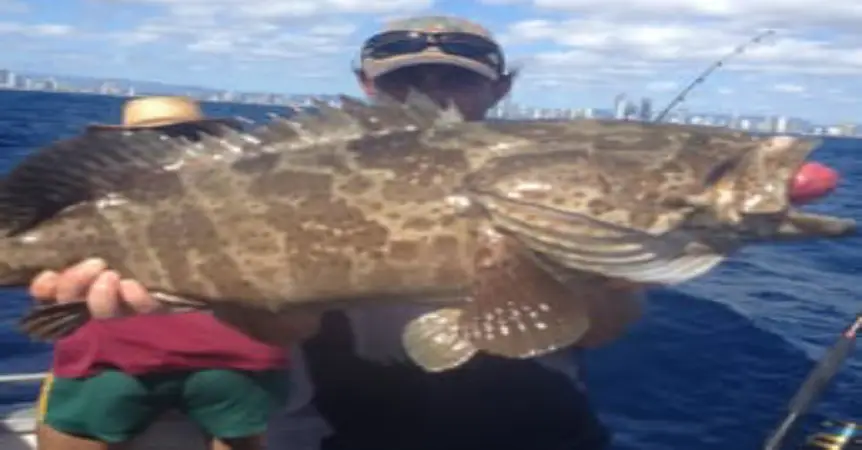
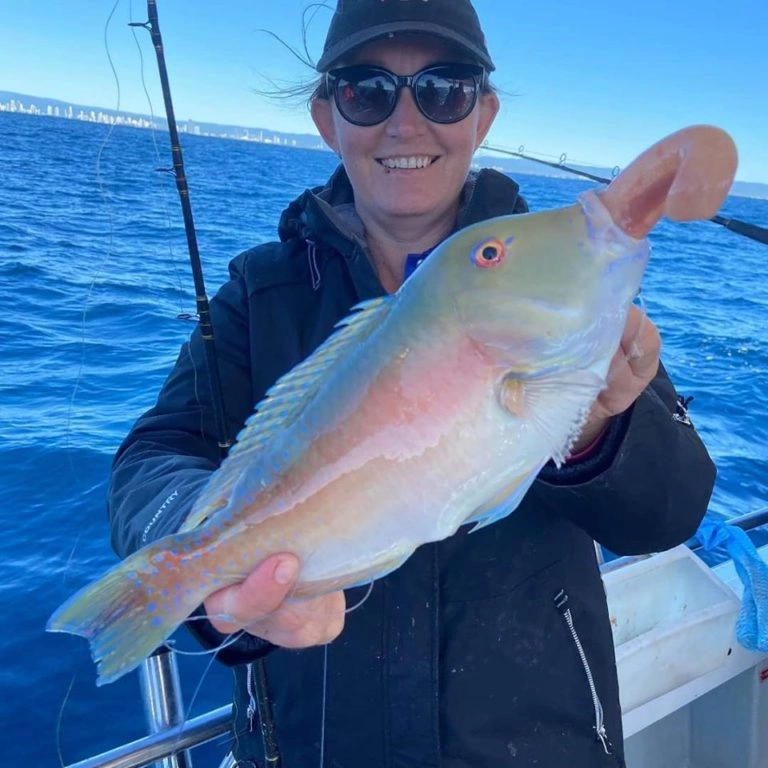
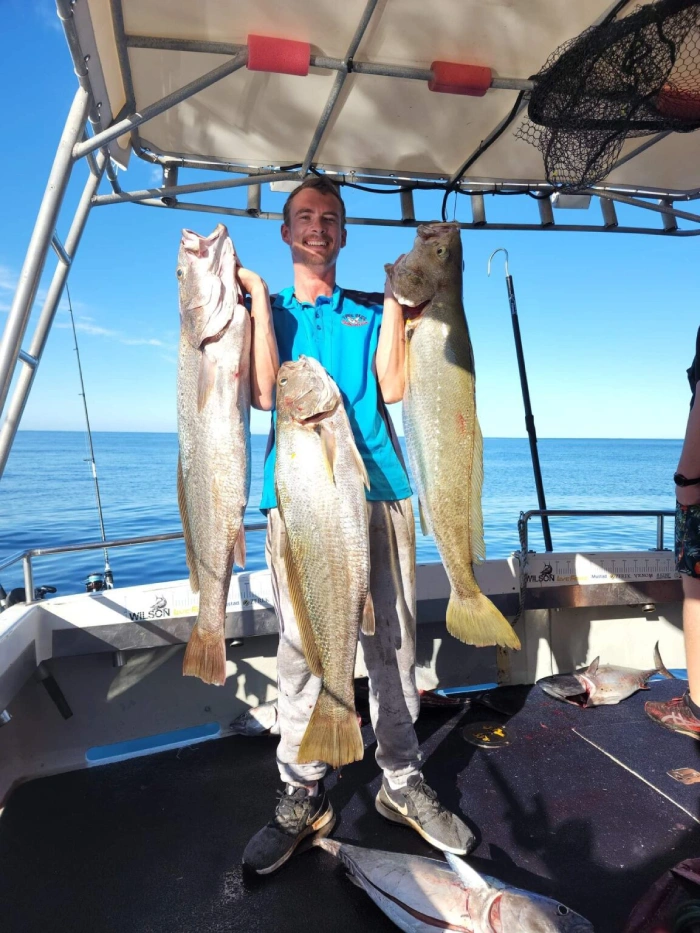
Many reef fish species are susceptible to the effects of barotrauma. Mulloway, Venus Tuskfish and Teraglin in particular, are highly vulnerable. However, it can affect a wide range of reef dwelling species if wound up from deep reefs too quickly. The effects are usually visible in the for of what looks like a balloon protruding from the fish’s mouth. Other symptoms include bulging eyes, a swollen stomach or intestines popping out.
Even fish that don’t display visible symptoms of barotrauma. Incidentally may have suffered deadly injuries such as a ruptured swim bladder, damaged organs, internal bleeding and blood clotting.

How to minimise the effects of barotrauma on fish

When fishing deep water use suitable tackle and taking a little bit of time to bring the fish up will help reduce the effects of barotrauma. Furthermore, once you have caught enough reef fish for a feed. As a rule, it’s best to move on and target other species that aren’t susceptible to barotrauma.
Of course, there is always the chance you will catch undersized fish that have to be released. Chiefly it is important to give the fish the best possible chance of survival after release. Venting of the fish can be helpful in this case.

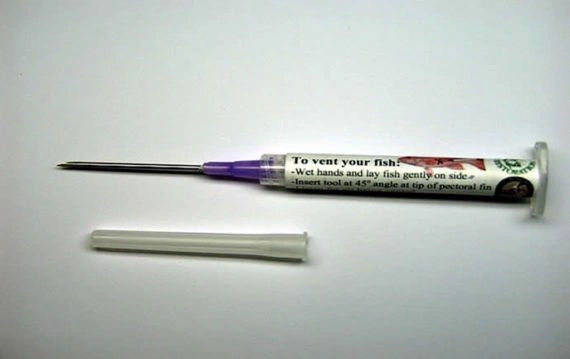
vent fishHow to vent a fish

  • Gently remove the hook from the fish or cut the line if the fish has swallowed the hook\
  • Using a hollow needle or syringe, gently pierce a hole in the side of the fish to allow the gases to escape.
  • Insert the needle under a scale, at 45 degrees to the body, in line with the top of the pectoral fin and directly below the fourth dorsal spine.
  • Avoid inserting the needle too deeply, as this may result in damage to an internal organ. Likewise, if this technique is carried out correctly, you should hear the sound of gas escaping as you insert the needle. Applying gentle pressure to the stomach may assist in forcing additional trapped air from the fish.
  • Gently release the fish back into the water. It may to be supported and swum for a few seconds until it revives.
  • There is no need to puncture the organs protruding from the fish (stomach and intestines) as these will return to their regular size within a few hours after venting the swim bladder.\

Weighting Fish Down

Weights (sinkers) can be used to assist some fish back to the bottom. A barbless hook with a short length of line attached to a sinker, will help the fish down and allow its pressure to equalise as it goes. Once at the bottom and back in good health. The fish can then shake its head and expel the barbless hook and sinker.

Local Gold Coast Species

Snapper

Snapper are very resilient to catch and-release, with nearly 90 per cent surviving (provided they are handled gently and correctly). Usually, barotrauma affects
snapper taken from depths greater than 20 metres. Symptoms include a swollen abdomen, the stomach being forced out of the mouth or rear or a combination of these, and they can become worse the longer the fish is at surface level.

Pearl PerchPearl Perch

Pearl perch are resilient to catch and release, with more than 90 per cent surviving. In most cases, pearl perch suffer from barotrauma even though they rarely display any symptoms. This is because pearl perch swim bladders rupture during ascent from depth, with swim bladder gases escaping into the gut cavity. As the fish approaches the surface, the alimentary tract ruptures near the rear, allowing swim bladder gases to escape before the fish reaches the surface. The swim bladders of line caught pearl perch have been found to heal up in 2–3 days.


Teraglin and Mulloway

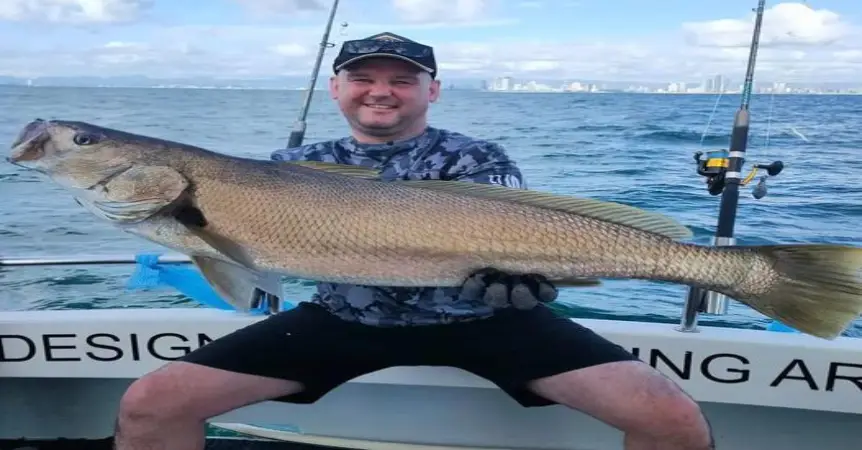
Teraglin and Mulloway are not as resilient to catch and release, with less than 50 per cent surviving when caught from depths less than 50 metres. Virtually none survive catch and release if caught from depths greater than 75 metres. For these species in particular it is essential to release the fish quickly once they are caught. Venting will usually be required.

Great value fishing charters

Venus Tuskfish

Venus Tuskfish unfortunately are not very resilient to catch and release, unless caught in shallower water. Vent carefully and then try to revive in a live bait tank before gently releasing.

In conclusion, it is critical that we all do our bit to ensure the best possible chance of survival when releasing fish. this will held ensure we have sustainable fisheries for years to come.


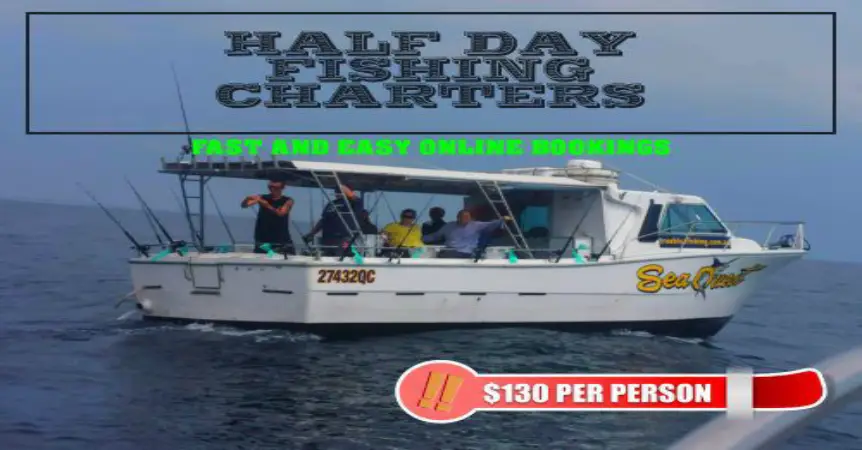
The Ultimate Guide to Half-Day Fishing Charters: What to Expect and How to Prepare

Half-day fishing chartersIntroduction

Half-day fishing charters offer an exciting and convenient way to experience fishing, whether you’re a novice or an experienced angler. Available in morning, afternoon, or evening slots, these charters provide a fantastic opportunity to enjoy guided fishing in a safe and controlled environment. In this comprehensive guide, we’ll walk you through what to expect from a half-day fishing charter, what to bring, and how to make the most of your trip.

What to Expect from a Half-Day Fishing Charter

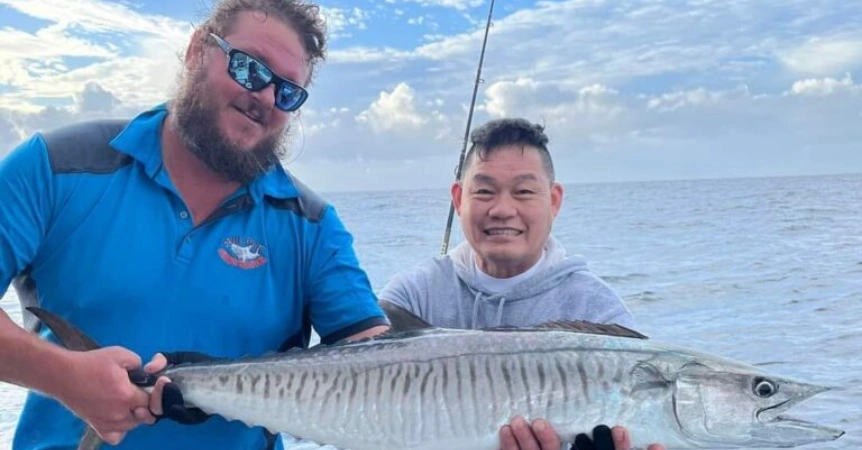
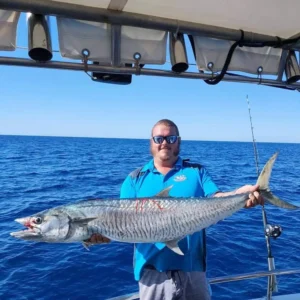
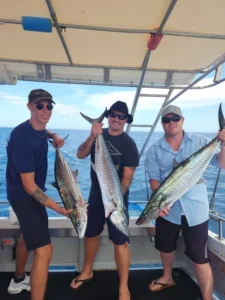
  1. Expert Fishing Experience Half-day fishing charters are perfect for both beginners and seasoned anglers. You’ll receive expert guidance from knowledgeable crews who know the best fishing spots and techniques. Whether you’re aiming to catch Spanish mackerel, coral trout, or pelagic species, your charter will provide you with the necessary information and equipment. Expect insights into the top scenic views, effective fishing methods, and how to target various species.
  2. Safety and Welfare Assurance Safety is a top priority on charter boats. From the moment you board, the crew will explain all safety procedures and equipment. Adherence to these guidelines ensures a secure and enjoyable experience. The crew will cover everything from life vests to emergency procedures, so all you need to do is listen and follow instructions.

What to Bring for a Half-Day Fishing Charter

Bring for a Half-Day Fishing Charter

  1. Comfortable Clothing Weather conditions can vary, so it’s essential to dress appropriately. Even if the forecast looks sunny, it can quickly change to windy or chilly. Bring layers, including a waterproof jacket and warm clothing, to stay comfortable throughout the trip.
  2. Healthy Food and Hydration While your charter may provide some refreshments, it’s wise to bring your own snacks, meals, and plenty of water. Keeping hydrated and well-nourished will ensure you stay energized and enjoy the day. If you’re prone to seasickness, bring any necessary medication and consider packing sunscreen to protect your skin.
  3. Camera and Entertainment Capture the memories of your weekend fishing adventure with a camera. Whether you’re snapping photos of your catch or the beautiful scenery, a camera will help you preserve those special moments. If you’re bringing children or expect some downtime, consider packing waterproof toys to keep them entertained.

Conclusion

half-day fishing charter

A half-day fishing charter is an excellent way to enjoy a thrilling and manageable fishing experience. With expert guidance, a focus on safety, and a bit of preparation, you’ll be set for a fantastic time on the water. Follow these tips to ensure you’re well-prepared and ready to make the most of your charter. Choose the right fishing charter, and you’re guaranteed to have an enjoyable and memorable adventure.

Discover the Ultimate Fishing Adventure in Moreton Bay: A Complete Guide

Introduction

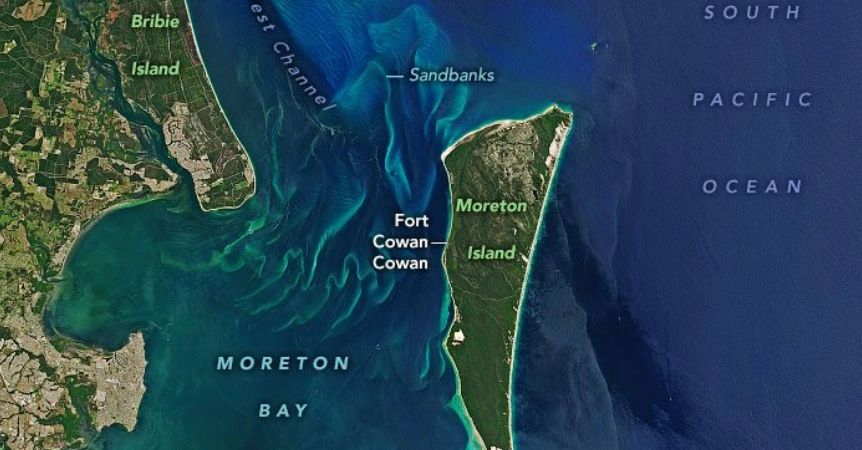
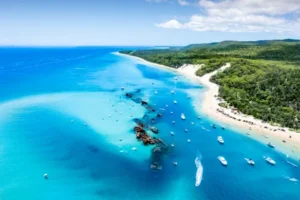
Nestled just 15 kilometers south of Brisbane along Australia’s stunning eastern coastline, Moreton Bay is a fishing paradise that has captivated anglers for decades. Stretching 125 kilometers from the bustling Surfers Paradise in the south to the serene Caloundra in the north, this bay offers a diverse range of fishing experiences in its sheltered waters. With its mix of sandy beaches, vibrant mangrove forests, and rich seagrass meadows, Moreton Bay is more than just a fishing spot—it’s an adventure waiting to unfold.

In this guide, we’ll dive into the fishing treasures of Moreton Bay, from the prime fishing locations and top species to expert techniques that promise an unforgettable experience. Whether you’re planning a weekend getaway or a full-day fishing extravaganza, prepare to be enchanted by the wonders of Moreton Bay.
 

What Can You Catch in Moreton Bay?

Moreton Bay’s shallow waters, ranging from 1 to 8 meters deep, offer a smorgasbord of fishing opportunities. The bay’s artificial reefs, natural sandbanks, and island areas host an impressive variety of fish species. Here’s a glimpse of what you can expect:


1. Snapper

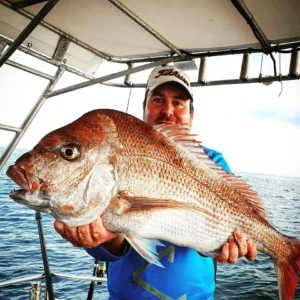
Snapper are the crown jewels of Moreton Bay fishing. Renowned for their fighting spirit and impressive size, these fish can grow up to a meter long and weigh up to 20 kilograms. They’re commonly found around reef margins and weed beds, especially where there’s good current flow and nearby drop-offs. For the best chances of landing a Snapper, target them in cooler months from April to October, and focus on areas like Mud Island, the Harry Atkinson Artificial Reef, and Goat Islands. Look for bait fish concentrations on your sounder and use light tackle with small plastics on a jig head for effective results. Remember to check for any closed seasons and follow local regulations.

2. Sweetlip Emperor

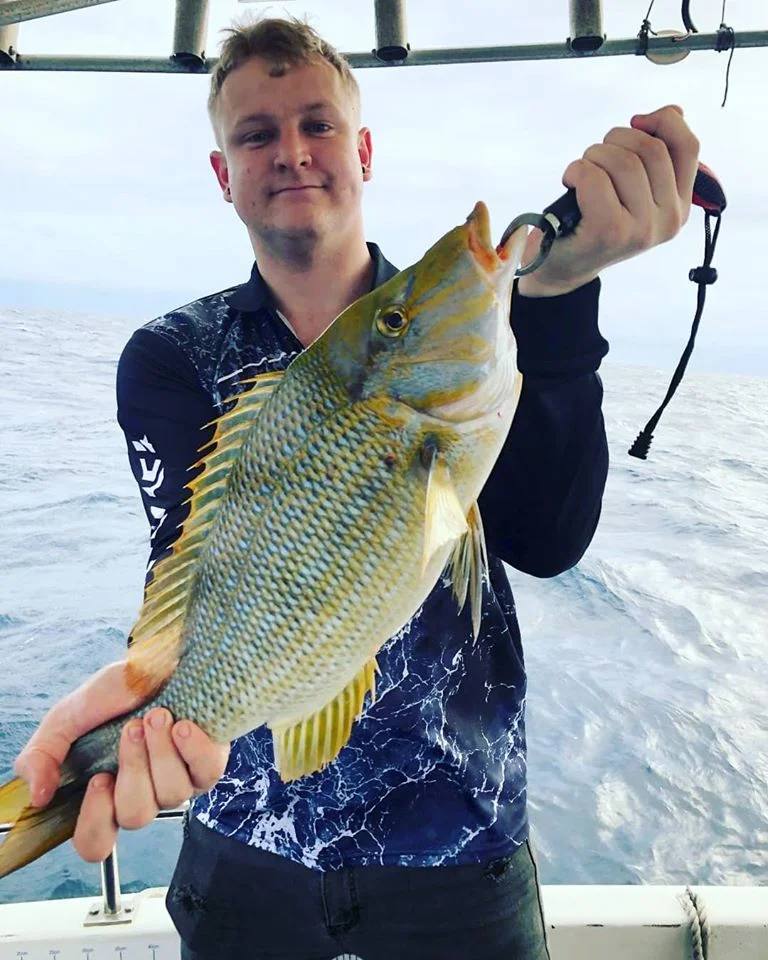
Sweetlip Emperor, another prized catch, thrive around rocky reefs and wrecks. The Amity and Harry Atkinson Artificial Reefs, Peel Island, and Hutchinson Shoal are prime spots. You’ll encounter Grass Sweetlip in shallower waters and Spangled Sweetlip in deeper areas. Use small plastics or live bait, and fish during dawn or dusk from June to September for optimal results. Note the size and bag limits: Grass Sweetlip must be at least 30 cm, while Spangled Sweetlip should be 45 cm or longer.
3. Mackerel

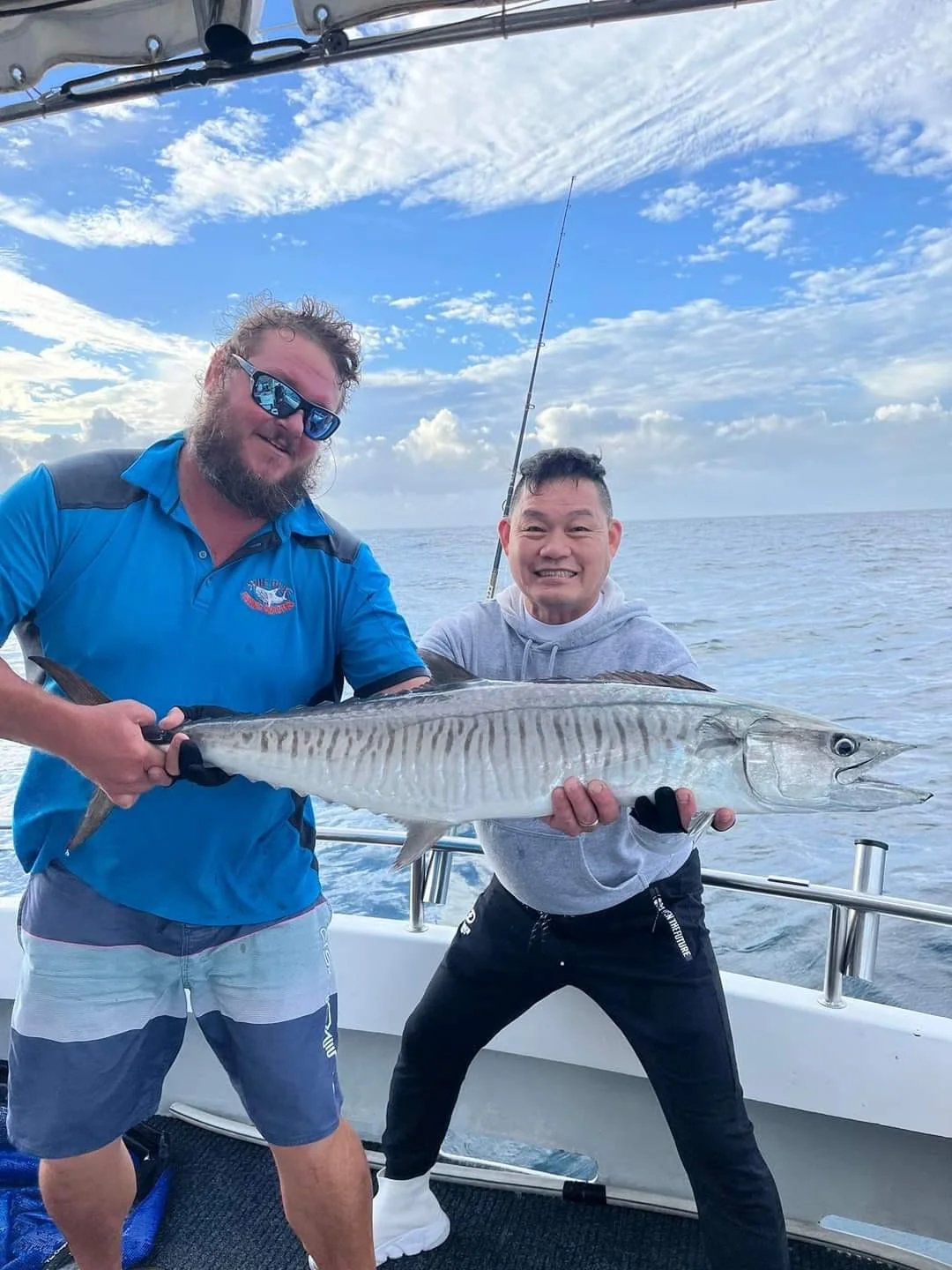
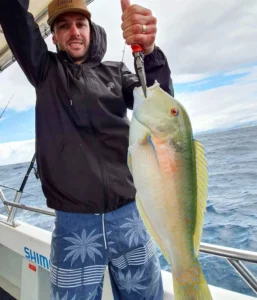
Mackerel, known for their speed and sharp teeth, are a year-round favorite in Moreton Bay. Target these fish around Moreton Island’s southern end, North Stradbroke Island’s eastern side, or the Tweed Heads Artificial Reef. Use a 4–10 kg rod paired with a 3000–5000 spinning reel, and consider live bait for better results. The best time for Mackerel fishing is year-round, with autumn and early winter being particularly productive.

4. Flathead

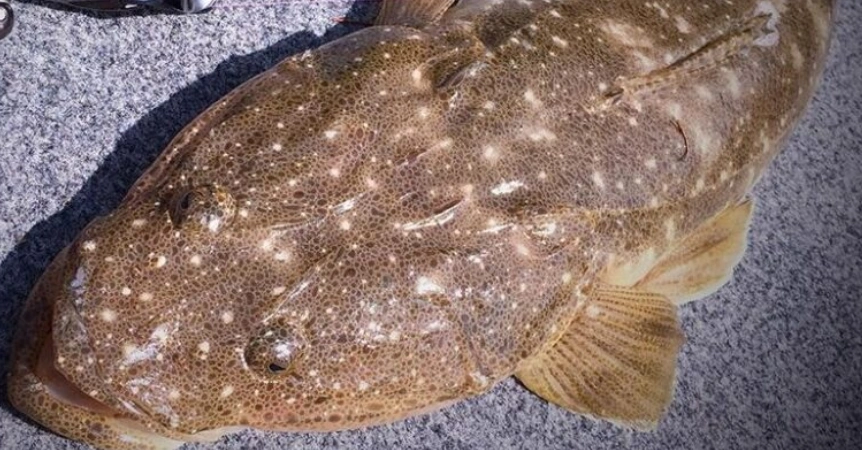
Flathead are popular for their delicious taste and ease of catching. They are plentiful in the bay from November to April. Key locations include Kalinga Bank, Cabbage Tree Point, and Jacobs Well. Flathead prefer shallow sandy areas near mangroves or deeper channels. Focus on female Dusky Flathead for larger catches.

5. Bream

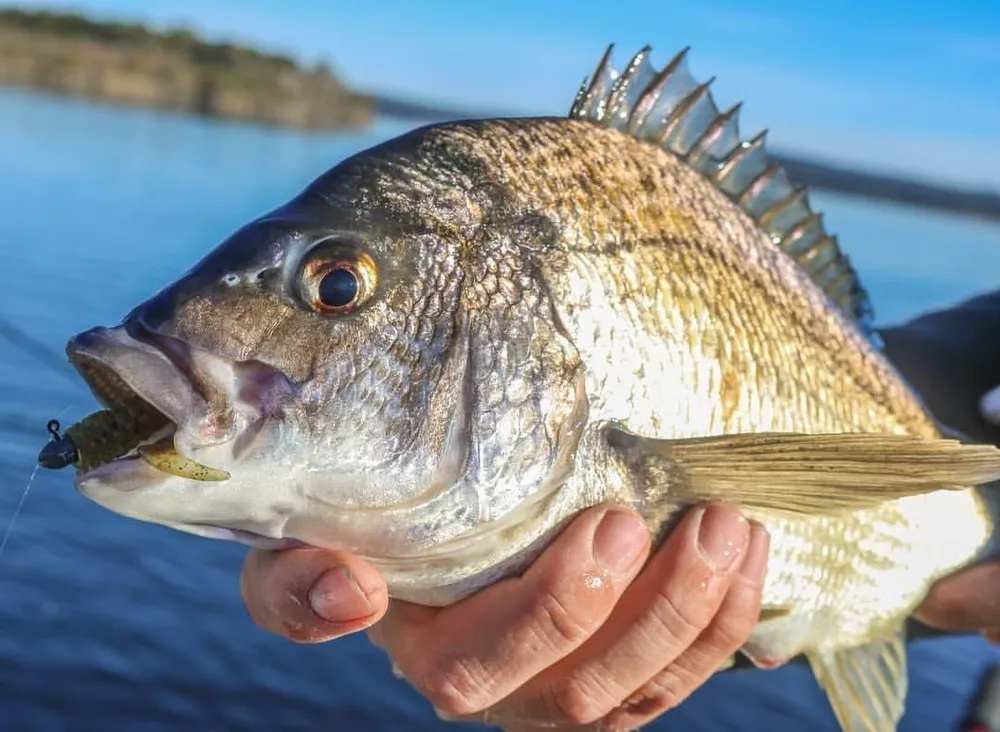
Bream fishing in Moreton Bay is ideal for beginners, especially from November to March. Look for them around oyster beds, rocky outcrops, and mangroves. The Brisbane River and Tingalpa Creek are excellent spots. Use crankbaits or small surface poppers, and remember the bag limit is 10 fish per person with a minimum size of 25 cm.

6. Tuna

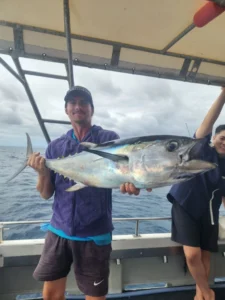
Tuna fishing is a thrilling experience in Moreton Bay. Target Yellowfin, Longtail, and Mack Tuna using techniques like fly fishing, trolling, and casting. The best spots are the shipping channels, Tweed Heads Artificial Reef, and offshore reefs like Hutchies Reef. Tuna fishing is best in autumn and early winter for Longtail and in spring and summer for other Tuna species.
Top Fishing Spots in Moreton Bay

Moreton Bay is a vast fishing playground with numerous productive spots:

  • Amity Artificial Reef: A hotspot for Snapper and Sweetlip.
  • Harry Atkinson Artificial Reef: Great for Snapper and other reef fish.
  • Curtin Artificial Reef: Home to various pelagic species.
  • Coochiemudlo Island Artificial Reef: Offers both pelagic and reef fish opportunities.
  • Hutchies and Flinders Reefs: Ideal for Tuna, Mackerel, and Sweetlip.
  • Scarborough Reef: Excellent for bottom fishing with depths around 20 meters.

Fishing Methods

Shore Fishing: Perfect for those who enjoy the tranquility of beach fishing. Popu  lar spots include Cleveland, Wellington Point, and Victoria Point. For more adventure, try shore fishing around Moreton Island.

Charter Fishing: For a guided experience, book a local charter. Professional crews provide valuable insights and access to the best spots, increasing your chances of a successful catch.

Best Times to Fish

Fishing in Moreton Bay is productive throughout the year. For reef species like Snapper and Sweetlip, the cooler months from May to September are ideal. For pelagic fish such as Mackerel and Tuna, the warmer months from November to April are optimal. Early mornings and late afternoons generally offer the best fishing conditions.
Conclusion

Moreton Bay is a fishing haven that promises adventure, variety, and the thrill of the catch. Whether you’re a seasoned angler or a curious beginner, the bay’s diverse offerings ensure an unforgettable experience. Pack your gear, choose the right fishing technique, and immerse yourself in the natural beauty and rich marine life of Moreton Bay.

For more information on fishing in Australia, explore our comprehensive guide to fish species, hotspots, techniques, and regulations.
 

Discover the Thrill of Offshore Deep-Sea Fishing on Australia’s Gold Coast

Deep Sea Fishing

Discover the Thrill of Deep Sea Fishing on Australia’s Gold Coast

Australia’s Gold Coast is a captivating blend of sun-soaked beaches, lush forests, and a vibrant cityscape,

making it a top destination for travelers worldwide. Among its many attractions, the deep sea fishing here stands out, offering an unforgettable experience for anglers of all levels. The offshore waters are teeming with reefs, wrecks, and big game fish, ensuring that your fishing adventure will be as thrilling as the surroundings.

Why the Gold Coast is a Fishing Paradise

While you can enjoy fishing in the Gold Coast’s lakes, creeks, and shallow waters, the real allure lies in its deep-sea fishing opportunities. With access to the Coral Sea and the Pacific Ocean, the likelihood of encountering hard-fighting fish is high. Whether you’re a seasoned angler or a beginner, there’s a deep-sea fishing adventure waiting for you.

Top Catches in Gold Coast Deep Sea Fishing

The diversity of species you can catch while deep sea fishing on the Gold Coast is astounding. From inshore species to massive bottom dwellers and pelagics, the variety ensures a thrilling experience.

Billfish: The Crown Jewel

Billfish are the ultimate prize in Gold Coast deep sea fishing. The waters are home to a healthy population of Black Marlin, which appear around late November. These fish are known for their incredible speed and can weigh over 400 kilos. Blue Marlin, appearing around January, are also a major draw, famous for their high speeds and acrobatic stunts. Sailfish, often spotted from January, add to the excitement with their impressive speeds and battles.

Tuna: The Powerhouse

Tuna species, including the world-famous Yellowfin and Bluefin, as well as local varieties like Mackerel and Striped Tuna, are plentiful throughout the season. These fish are known for their hard fights and delicious taste. Trolling is a popular method to catch them, providing reel-screaming action when a Tuna bites.

Mahi Mahi and Wahoo: The Showstoppers

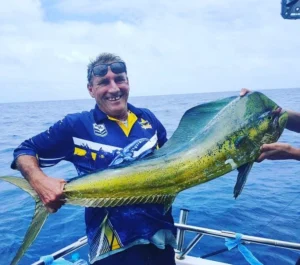
Mahi Mahi, known for their acrobatic leaps and vibrant colors, and Wahoo, renowned as the fastest fish in the sea, are top targets. Mahi Mahi are most photogenic between December and April, while Wahoo inhabit these waters from November to May. Both species offer thrilling battles and are often caught by trolling.

Reef Fish: The Delicious Divers

Reef fishing on the Gold Coast yields a variety of species like Amberjack, Yellowtail, Cobia, and several Snapper species. Pink Snapper, famous for their size and taste, are a highlight. These species are typically found during the winter months, making reef fishing a winter delight.

Techniques for Gold Coast Deep Sea Fishing

Various fishing techniques are used on the Gold Coast fishing charters, each suited to different species and conditions.

Trolling

Trolling involves rigging ive or artificial bait onto multiple lines, which are then trolled behind the boat. The speed varies depending on the target species, with 10 knots being common for big fish and 5-8 knots for Tuna. Heavy-duty gear is essential due to the size and strength of the fish.

Drift Fishing

Drift fishing, including the local technique of burleying (chumming), is used for species like Snapper. This involves drifting over reefs while feeding a mix of fish parts to attract the fish. Drift lining is another method used for Snapper, where bait is drifted along the bottom to entice bites.

Bottom Fishing

Bottom fishing, an umbrella term for various techniques, involves lowering a weighted hook to the bottom. “Bottom bashing,” popular for Snapper, uses a heavy weight to keep the hook above the reefs, avoiding snags while attracting fish.

Rules and Regulations

Recreational fishing in Queensland doesn’t require a license, but there are regulations regarding size and bag limits. For example, Mahi Mahi must be at least 50 centimeters, with a daily limit of five fish per person. Snapper must be at least 35 centimeters. A comprehensive list of regulations is available on Queensland’s government website.

Experience the Best of Gold Coast Deep Sea Fishing

With its stunning weather, endless sandy beaches, and a rich variety of fish, Gold Coast is a top destination for deep sea fishing enthusiasts. Whether you’re a local looking to enhance your fishing skills or a visitor eager to explore this fantastic location, the Gold Coast promises an adventure of a lifetime.

Unforgettable Deep Sea Fishing in Australia with True Blue Fishing Charters

Australia’s Gold Coast is a renowned destination for its stunning beaches, vibrant city life, and lush forests. But for fishing enthusiasts, it’s the deep sea fishing that truly sets it apart. With its rich marine biodiversity, the Gold Coast offers an unparalleled fishing experience, and there’s no better way to explore it than with True Blue Fishing Charters.

Why Choose the Gold Coast for Deep Sea Fishing?

The Gold Coast is ideally situated, offering access to both the Coral Sea and the Pacific Ocean. This unique location ensures a high probability of encountering a wide variety of hard-fighting fish.

Whether you’re a novice or a seasoned angler, the deep waters of the Gold Coast promise an adventure like no other.

Experience Top Catches with True Blue Fishing Charters

True Blue Fishing Charters, a premier charter service on the Gold Coast, offers expert guidance and top-notch equipment, ensuring that your fishing trip is both enjoyable and successful. Here’s a glimpse of what you can expect to catch:

1. Billfish: The Royalty of Deep Sea Fishing

The waters off the Gold Coast are teeming with Billfish, including Black Marlin, Blue Marlin, and Sailfish. Black Marlin, appearing around late November, are known for their incredible speed and size, often exceeding 400 kilos. Blue Marlin, which show up in January, are famous for their acrobatic displays and powerful runs. Sailfish, usually spotted from January to February, are the fastest fish in the sea, reaching speeds of up to 110 kilometers per hour.

2. Tuna: The Mighty Gladiators

True Blue Fishing Charters can guide you to some of the best Tuna fishing spots. The Gold Coast waters are home to Yellowfin Tuna, Bluefin Tuna, and local varieties like Mackerel and Striped Tuna. These species are known for their intense fights and are a favorite among anglers. You can find them year-round, with peak seasons varying for each species.

3. Mahi Mahi and Wahoo: The Exotic Duo  

Mahi Mahi and Wahoo are two of the most exciting catches you can aim for. Mahi Mahi, known for their vibrant colors and acrobatic leaps, are most abundant from December to April. Wahoo, reputed as the fastest fish in the sea, can be found from November to May and offer a challenging yet rewarding catch.

4. Reef Fish: The Delicious Rewards

The Gold Coast’s reefs are home to a variety of delicious and challenging fish. Amberjack, Yellowtail, Cobia, and Snapper species are commonly found here. These species are particularly abundant during the winter months, from April to November.

Techniques for Successful Deep Sea Fishing

True Blue Fishing Charters employs a range of techniques to ensure a successful fishing trip:

Trolling: This method involves dragging live or artificial bait behind the boat to attract large fish. It’s especially effective for catching Billfish and Tuna.

Drift Fishing: Used for species like Snapper, this technique involves drifting over reefs while feeding a mix of fish parts to attract the fish.

Bottom Fishing: Ideal for reef fish, this technique involves lowering a weighted hook to the bottom and waiting for a bite.

Why Choose True Blue Fishing Charters?

True Blue Fishing Charters offers a comprehensive deep sea fishing experience with knowledgeable guides, state-of-the-art equipment, and a deep understanding of the local waters. Their expertise ensures that both beginners and experienced anglers have a memorable and successful trip.

Plan Your Deep Sea Fishing Adventure Today

With its stunning coastal scenery and rich marine life, the Gold Coast is a top destination for deep sea fishing. And with True Blue Fishing Charters, you can be sure of a fantastic fishing adventure. Whether you’re looking to catch the mighty Marlin, the fierce Tuna, or the delicious Snapper, the Gold Coast has it all.

The Ultimate Guide to Gold Coast Canal Fishing: Tips, Techniques, and Top Spots

Gold Coast Canal Fishing: Tips and Techniques

Fishing in the Gold Coast canals offers a unique and rewarding experience for anglers of all levels. With its diverse range of species and abundant structures, these waterways are a haven for fishing enthusiasts. Having spent many years exploring the Gold Coast canals, we’ve identified patterns in productive structures, tides, water conditions, and effective techniques. In this article, we’ll break down the key structures to target, the gear and techniques to use, and provide insights into the various species you can encounter.

Productive Structures in Gold Coast Canals

Pontoons: Pontoons are a prominent feature in the canals, and any of them can hold fish at different times. Look for visible fish or shady areas under walkways, the corners of pontoons, and the poles they are attached to. Bream, in particular, love the back corners of pontoons. Pontoons with boats tied to them, attachment sections for personal watercraft, gaps, and other features increase their fish-holding potential. The amount of growth, water flow, and depth under the pontoon also influence fish activity. Cast to various parts of the pontoon to find the most productive spots.

Rock Walls: Canals often have rock or concrete walls that provide structure. Fish can be found at various depths along these walls, and casting along the walls can reveal their location.

Sandy Banks: Canals with sandy bottoms allow for easier fish spotting. Long casts along the edges and into the ends of canals with lightly weighted soft plastics can be effective. Flathead are often found in these sandy environments.

Bridges: Bridges provide current breaks, shade, and ambush points. Target the pylons, eddies, and secondary structures. Look for other manmade structures like jetties, boat ramps, stormwater pipes, and walls that impact water flow.

Boats: Boats, whether tied to pontoons or anchored separately, create shade and ambush points. Fish around the mooring, anchor lines, and the eddies created by the hull.

Fishing Species in Gold Coast Canals

The Gold Coast canals are a prime spot for targeting a variety of fish species, each offering its own challenges and rewards.

  1. Bream: Renowned for its healthy bream population, the canals are perfect for light to medium spin gear or a bait caster setup. Bream are often found lurking around structures like rock walls, jetties, and pontoons. Using lightly weighted baits such as prawns, yabbies, or herring can yield great results. Precision and finesse in casting are crucial to enticing these feisty fighters.
  2. Mangrove Jack: These elusive predators are a prized catch in the canals. To increase your chances, use live baits like herring or prawns. Mangrove jacks love structure, so focus on areas around submerged logs, rock formations, and overhanging mangroves. A stealthy approach and well-placed casts are key to landing one of these powerful fish.
  3. Sand and Mud Crabs: Crabbing is a popular pastime in the canals. Setting up crab pots or dilly nets baited with fish frames or chicken necks can be highly effective. The upper reaches of the canals are particularly good crabbing grounds, and patience often pays off.
  4. Bull Sharks: For those seeking an adrenaline rush, the canals are known for their bull shark population. Targeting these powerful predators requires sturdy tackle, as they are formidable fighters. Dead baits like mullet or freshwater eel are the best options for hooking a bull shark.
  5. Flathead and Trevally: Both species are abundant in the canals. Light to medium spin gear with soft plastic lures or bait rigs work wonders. Cast towards structures like rock walls, mangroves, and submerged timber to entice flathead and giant trevally. Always show respect to local property owners and adhere to all fishing regulations.

Get in the zone

Success in canal fishing often comes down to identifying patterns. By systematically targeting different structures and varying your techniques, you can determine where the fish are feeding on a particular day. Pay attention to tide changes, water flow, and fish behavior to refine your approach. Using a mix of lures and presentations can help you crack the pattern and consistently catch fish.


Casting Accuracy is critical

Practicing casting accuracy is essential for canal fishing. Set up a backyard casting station with buckets, ladders, and other obstacles to simulate canal structures. Practicing different casting styles will improve your ability to place lures accurately and increase your catch rate.

Suitable light tackle

Light gear is often the go-to for canal fishing. A 7′ spin rod rated 1-3kg or 2-4kg, paired with a 1000-2500 size reel with a smooth drag, is ideal. Use 6-10lb braid and 6-10lb fluorocarbon leader for bream, and heavier gear if targeting larger species like mangrove jack.

Gold Coast canal fishing offers diverse and exciting opportunities for anglers. By understanding the structures, targeting specific species, and refining your techniques, you can enjoy a productive and enjoyable fishing experience in these beautiful waterways. Happy fishing!

Discover Wonder Reef: The Gold Coast’s Premier Artificial Reef Dive

Diving

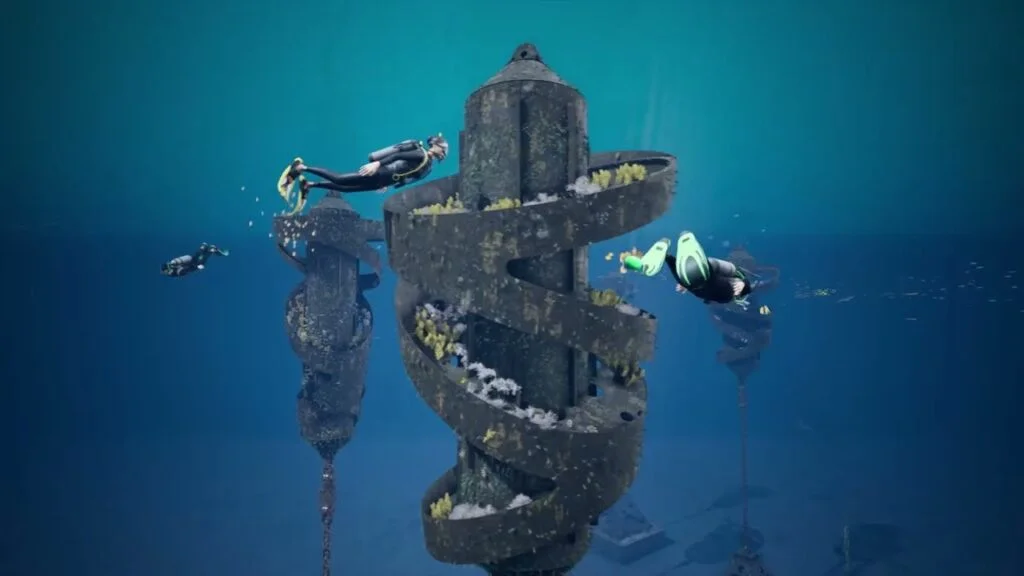
Located off the stunning Gold Coast, Wonder Reef stands as an incredible feat of marine engineering and a must-visit destination for diving enthusiasts. This artificial reef, designed to promote marine biodiversity and provide a unique underwater experience, offers a spectacular dive site teeming with life and adventure. Whether you’re a seasoned diver or a curious newcomer, Wonder Reef promises an unforgettable experience beneath the waves.
The Creation of Wonder Reef

Wonder Reef is not just another dive spot; it is a carefully constructed marine habitat designed to enhance the natural ecosystem. The reef was created using environmentally friendly materials

and innovative design techniques to ensure it integrates seamlessly with the ocean environment. The project was a collaboration between marine biologists, engineers, and environmentalists, all dedicated to preserving marine life and promoting sustainable tourism.


What to Expect at Wonder Reef

Diving Experience: Wonder Reef offers a unique diving experience with its towering structures and intricate design. Divers can explore various levels and nooks, providing a sense of adventure and discovery. The reef’s design includes multiple entry and exit points, making it accessible for divers of all skill levels.

Marine Life: The reef attracts a diverse range of marine species, creating a vibrant underwater ecosystem. Expect to see schools of colorful fish, playful dolphins, majestic rays, and even the occasional visiting turtle. The structures of Wonder Reef also provide an ideal habitat for corals, sponges, and other marine organisms to thrive.

Photography Opportunities: For underwater photographers, Wonder Reef is a paradise. The clear waters of the Gold Coast combined with the reef’s dynamic structures create perfect conditions for capturing stunning images. The abundance of marine life and the interplay of light and shadows offer endless opportunities for creative photography.

Planning Your Dive

Planning your dive

Getting There: Wonder Reef is located a short boat ride from the Gold Coast. Numerous local dive operators offer trips to the reef, providing equipment rental, guided dives, and safety briefings. It’s advisable to book your dive trip in advance, especially during peak tourist seasons.

Safety First: Safety is paramount when diving at Wonder Reef. Ensure you are a certified diver and have recent dive experience. Local dive operators provide comprehensive safety briefings and will accompany you to ensure a safe and enjoyable experience. Always check your equipment thoroughly before each dive and adhere to all safety guidelines provided.

Best Time to Dive: While Wonder Reef can be enjoyed year-round, the best visibility and weather conditions are typically during the spring and summer months. Morning dives often offer calmer seas and clearer waters, enhancing your diving experience.

Environmental Impact

Wonder Reef was designed with sustainability in mind. The reef’s construction materials were chosen for their minimal environmental impact, and its placement was carefully selected to avoid disrupting existing marine habitats. By attracting divers to a concentrated area, Wonder Reef helps to reduce pressure on natural reefs, promoting conservation efforts and sustainable tourism.

Supporting Local Economy

Wonder Reef is not just a boon for marine life but also for the local economy. The reef attracts divers from around the world, boosting tourism and supporting local businesses, including dive shops, restaurants, and hotels. By visiting Wonder Reef, you are contributing to the economic growth and sustainability of the Gold Coast community.

Final Thoughts

Wonder Reef off the Gold Coast is a testament to the possibilities of marine conservation and sustainable tourism. It offers divers an unparalleled underwater adventure, teeming with life and beauty. Whether you are an experienced diver or a novice looking to explore the wonders beneath the waves, Wonder Reef promises an experience that will leave you in awe and inspire a deeper appreciation for our oceans.

Plan your dive, respect the marine environment, and get ready to explore the incredible Wonder Reef—a jewel of the Gold Coast that awaits your discovery.

Please Note, Fishing at wonder reef is illegal, for fishing trips to other local reefs see fishing charters Gold coast

Experience Winter Fishing on the Gold Coast with True Blue Fishing Charters

Winter on the Gold Coast offers some of the best fishing conditions, so why not join a Gold Coast fishing charter with True Blue and enjoy both relaxation and a fantastic fish supper?

Deep Sea Fishing Charters

Deep Sea Fishing Charters on the Gold Coast

Winter on the Gold Coast is mild, with warm winter days perfect for fishing. As temperatures cool, the ocean becomes abundant with snapper, kingfish, and a variety of other fish, all waiting for eager anglers.

At True Blue Fishing Charters on the Gold Coast, we relish winter fishing trips. With cooler temperatures and fish-filled waters, there’s nothing better than spending time with our rods, friends, and a refreshing beverage.

Imagine casting your line and reeling in a great catch, then savoring a delicious fish dinner as the cool evening sets in.

cobia

Winter Target Species

Winter on the Gold Coast is an excellent time to target a variety of fish species. Here are some of the top catches you can look forward to:

Snapper: These prized fish are abundant during winter, providing a thrilling challenge and a delicious reward.

Cobia: Known for their strength and size, Cobia are a sought-after catch for many anglers.

Teraglin: Also known as Trag Jew, these fish are prevalent in winter and are great for those looking for a tasty meal.

Tuna: Winter waters are perfect for targeting various species of Tuna, offering an exciting experience for both novice and experienced fishermen.

teraglin

Tips for Successful Winter Fishing on the Gold Coast

Winter is prime time for fishing on the Gold Coast. Here are some tips from the True-Blue Deep-Sea Fishing Charters team to ensure a successful trip:

1. Find the Perfect Spot: A successful fishing trip starts with the right location. When you join a True-Blue Deep-Sea Fishing Charter, our experienced team knows all the local hotspots. With over 30 years of expertise, we ensure your fishing charter is a success.

2. Understand the Weather: Gold Coast winters are mild, but our team is skilled at reading the weather. We provide ample notice if we need to cancel a trip due to poor conditions.

3. Ready-to-Go Gear: Board our charter, and everything is ready for you. We provide the best rods and bait, and our seasoned team offers advice and tips to improve your fishing skills. Whether you’re a first-timer or an experienced angler, we’re here to help.

4. Bring Good Company: Fishing is a great way to relax and enjoy good conversation. Bring friends and family to double the fun and make the most of your day on the water.

Book Your Winter Fishing Trip on the Gold Coast Today

Winter on the Gold Coast is a fantastic time for fishing, and True Blue Fishing Charters is your go-to team for a successful and enjoyable half-day or full-day deep sea fishing experience. Call 07 5510 9622 and book your winter fishing trip today.