Catching Sailfish Off the Gold Coast: Summer Speed, Aerials and Adrenaline
There are few sights in sport fishing as electrifying as a sailfish lighting up behind your lure. A flash of blue and silver, a towering dorsal fin slicing the surface, and then total chaos as the fish explodes into the air. For anglers on Australia’s east coast, Gold Coast sailfish offer one of the most exciting offshore encounters of the summer months.
Fast, aggressive and acrobatic, sailfish are a prized bycatch for many Gold Coast anglers — and when they appear, they turn an ordinary day on the water into something unforgettable.
Gold Coast Sailfish: A Seasonal Offshore Visitor
Sailfish are reasonably common in Gold Coast waters throughout summer, when warm ocean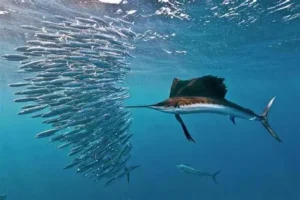
currents push close to shore. Like most billfish, they favour warmer sections of the world’s oceans, following bait schools along current lines and temperature breaks.
They’re most often encountered offshore while anglers are targeting other pelagic species such as tuna, marlin, mahi mahi, mackerel and cobia.
🌊 When to Expect Sailfish
Peak season: Summer months
Conditions: Warm blue water, current lines, surface bait activity
Depth: Near the surface or mid-water, high in the water column
What Makes Sailfish So Special
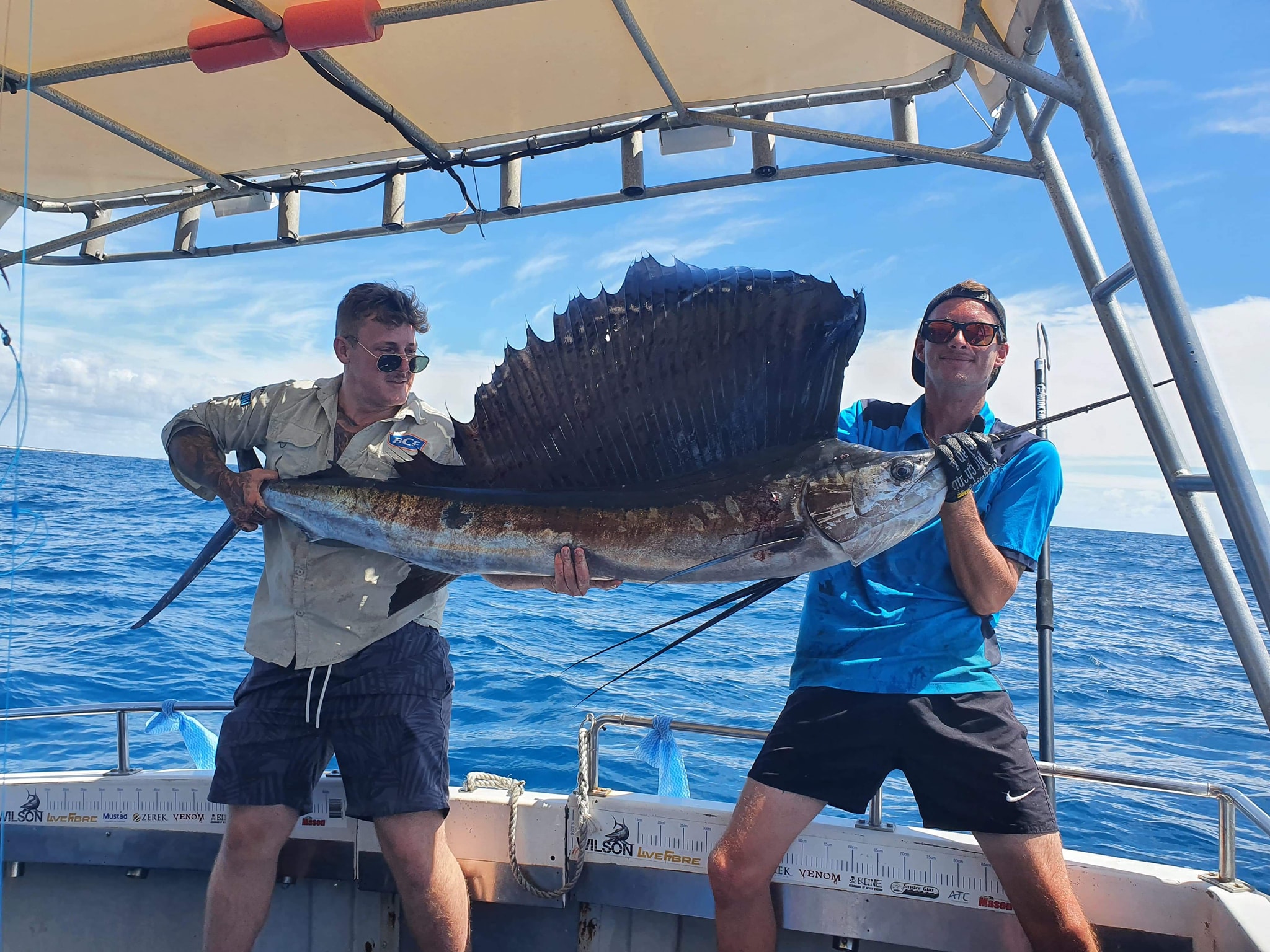
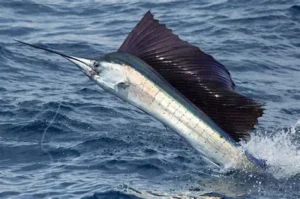
Sailfish are instantly recognisable and widely regarded as one of the most exciting game fish on the planet.
🐟 Key Characteristics
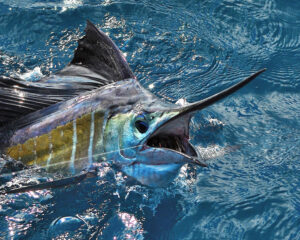 Blue to grey body colouring
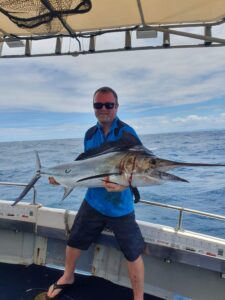
Long bill similar to marlin and swordfish
Massive dorsal fin — known as the “sail” — which can run most of the length of the body
When cruising, the sail is usually folded flat. But when a sailfish becomes excited or threatened, it raises the sail dramatically, making the fish appear far larger than it actually is.
This sail isn’t just for show — it plays a role in both defence and feeding.
How Sailfish Feed
One of the most fascinating things about sailfish is their hunting behaviour. They are often seen working in small groups, using their sails to herd schools of baitfish toward the surface.
Once the bait is trapped, the sailfish attack with speed and precision, slashing and striking before circling back to feed.
🐠 Common Prey Species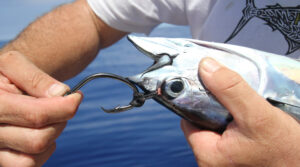
Slimy mackerel
Yellowtail scad (yakkas)
Pilchards
Frigate mackerel
Squid
Bonito
This surface-oriented feeding style is why sailfish are so often seen crashing bait on top — and why they respond so well to trolled lures and live baits.
Size and Growth
Sailfish grow incredibly fast. In ideal conditions they can reach 1.2 to 1.5 metres in under a year, making them one of the fastest-growing billfish species.
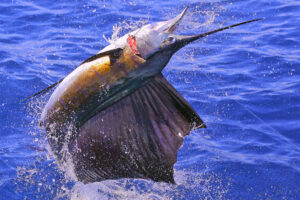 While they are large fish, they are lighter and more streamlined than marlin.
Maximum length: rarely more than 3.5 metres
Weight: usually under 120kg
Their lighter build is part of what makes them such spectacular fighters.
How Sailfish Are Caught on the Gold Coast
Most Gold Coast sailfish are not specifically targeted, but instead caught as bycatch while trolling or live-baiting for other pelagic species.
🎣 Common Techniques
Trolling Skirted Lures
Sailfish frequently strike skirted lures intended for marlin. They often appear suddenly behind a lure before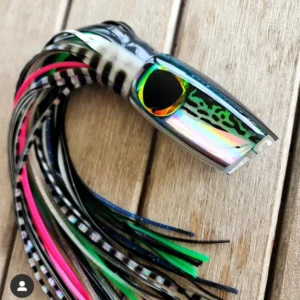 attacking at speed.
Live Baiting Under Balloons
Live baits such as yakkas and slimies suspended under balloons are extremely effective. Sailfish will often hit hard and fast, leaving no doubt when a fish is on.
Because sailfish travel in small packs, double and triple hook-ups are not uncommon — especially when trolling multiple lures.
The Fight: Speed, Jumps and Boat Work
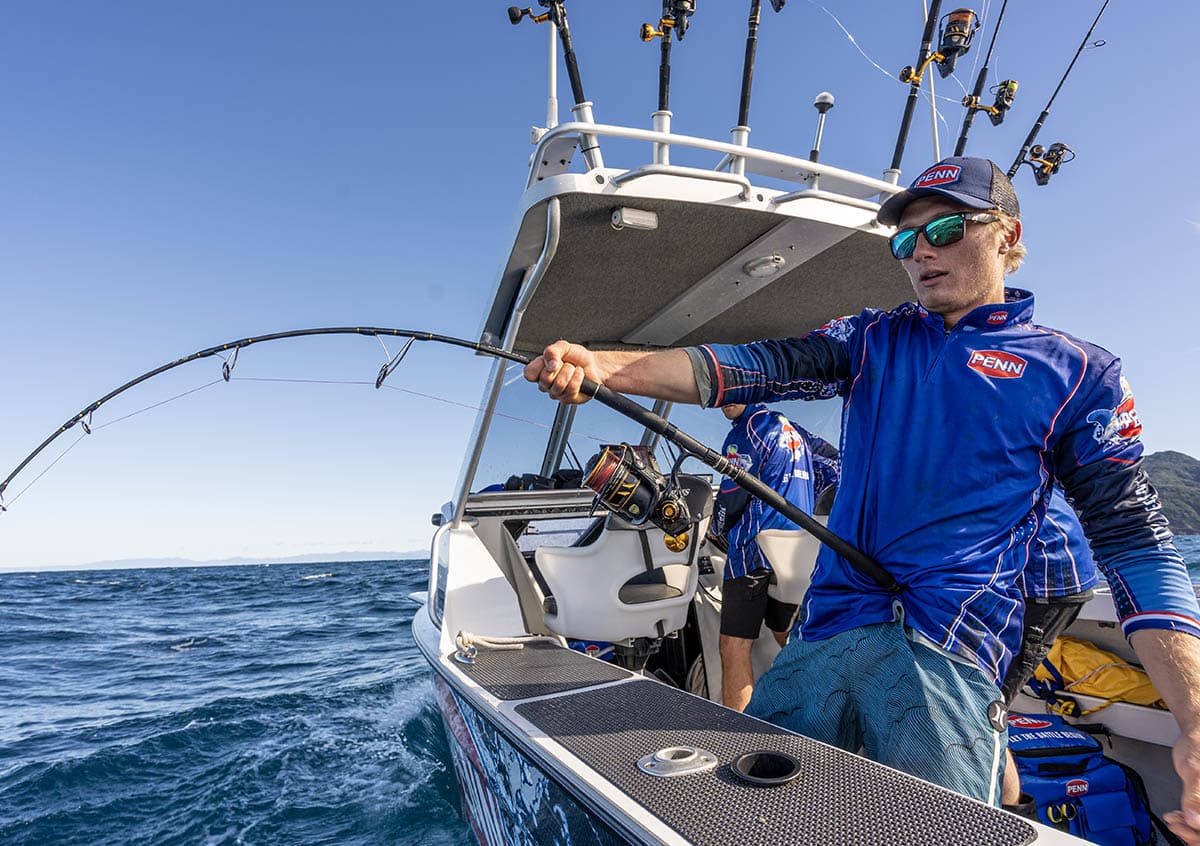
Once hooked, a sailfish wastes no time. They are famous for explosive surface strikes and high-flying aerial displays, often leaping repeatedly in an effort to throw the hook.
On lighter tackle, some quick boat manoeuvring is often required to avoid being completely spooled.
🎣 Recommended Tackle
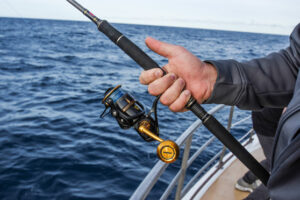
Line class: 15–24kg
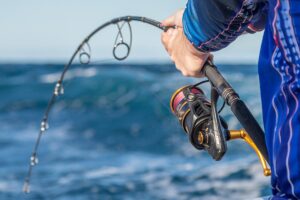
Reels: Overhead reels preferred for greater line capacity
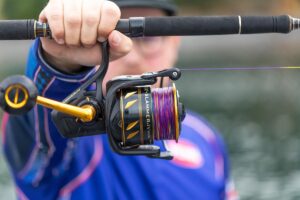
Threadlines can work, provided you’re prepared to chase the fish
Sailfish fights are typically fast-paced rather than drawn-out, but every second is intense.
Finding Sailfish: What to Look For
When fishing for pelagics off the Gold Coast, sailfish often give themselves away through signs on the surface and sounder.
👀 Key Indicators
Current lines and temperature breaks
Working seabirds
Bait schools balled up high in the water column
Surface bust-ups or free-jumping fish
These signs often indicate that larger predators — including sailfish and marlin — are actively feeding nearby.
Handling and Release
Sailfish are highly prized sportfish and are typically tagged and released. Proper handling ensures the fish has the best chance of survival.
Keep the fish in the water where possible
Avoid touching the bill or eyes
Support the fish upright until it swims away strongly
Responsible catch-and-release helps ensure sailfish remain part of the Gold Coast’s offshore fishery for years to come.
A Gold Coast Offshore Highlight
While not always the main target, catching a sailfish off the Gold Coast is one of those moments anglers never forget. The speed, the jumps, the sudden appearance of that unmistakable sail — it’s the kind of encounter that defines summer game fishing.
For those wanting to experience sailfish, Gold coast offshore fishing charters operating from areas like Surfers Paradise and The Spit regularly encounter them while targeting other pelagic species during the warmer months.
Final Thoughts
Gold Coast sailfish bring drama, colour and pure excitement to offshore fishing. They may arrive unannounced and leave just as quickly, but when they show up, they steal the spotlight.
If you’re lucky enough to hook one, expect blistering runs, spectacular jumps, and a reminder of why summer game fishing on the Gold Coast is so special.
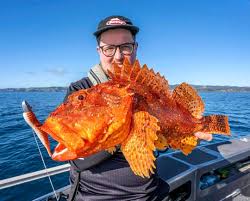
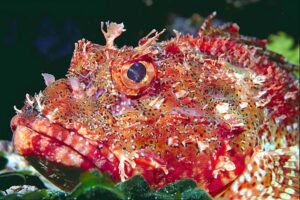
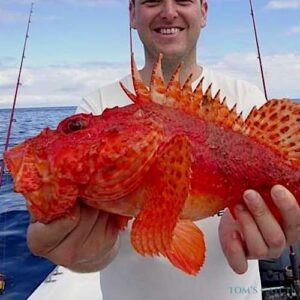
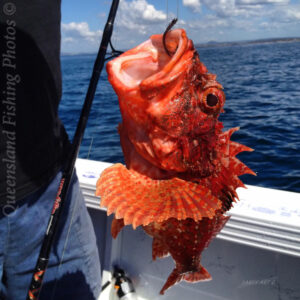 touching it, chances are you’ve met the Eastern Red Scorpion Cod. Striking in appearance and notorious for its venomous spines, this reef-dwelling species is both fascinating and misunderstood.
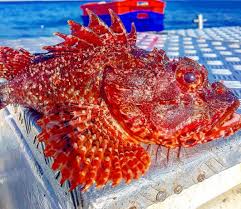 The Eastern Red Scorpion Cod is commonly found along the eastern coastline of Australia, particularly: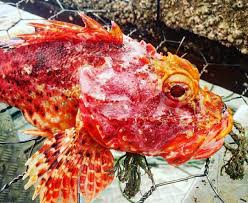
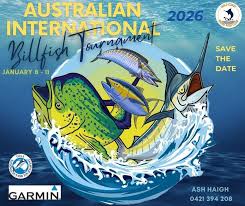
 anticipated events on the Australian game fishing calendar. Held annually on the Gold Coast, this iconic tournament brings together passionate anglers, experienced crews, and offshore fishing enthusiasts for several days of intense competition, camaraderie, and unforgettable billfish action 🌊.
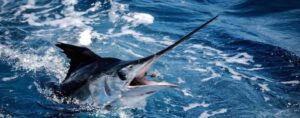 fisheries. Blue marlin,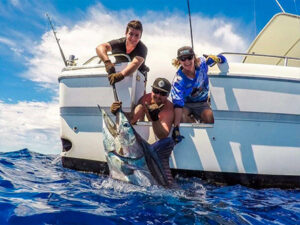
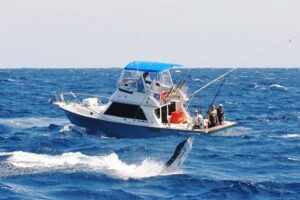 Conservation is a central pillar of the Australian International Billfish Tournament. By encouraging tag and release fishing, the event supports valuable scientific research and contributes data that helps track billfish movement and population health 📊.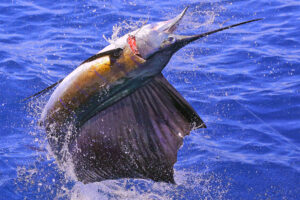
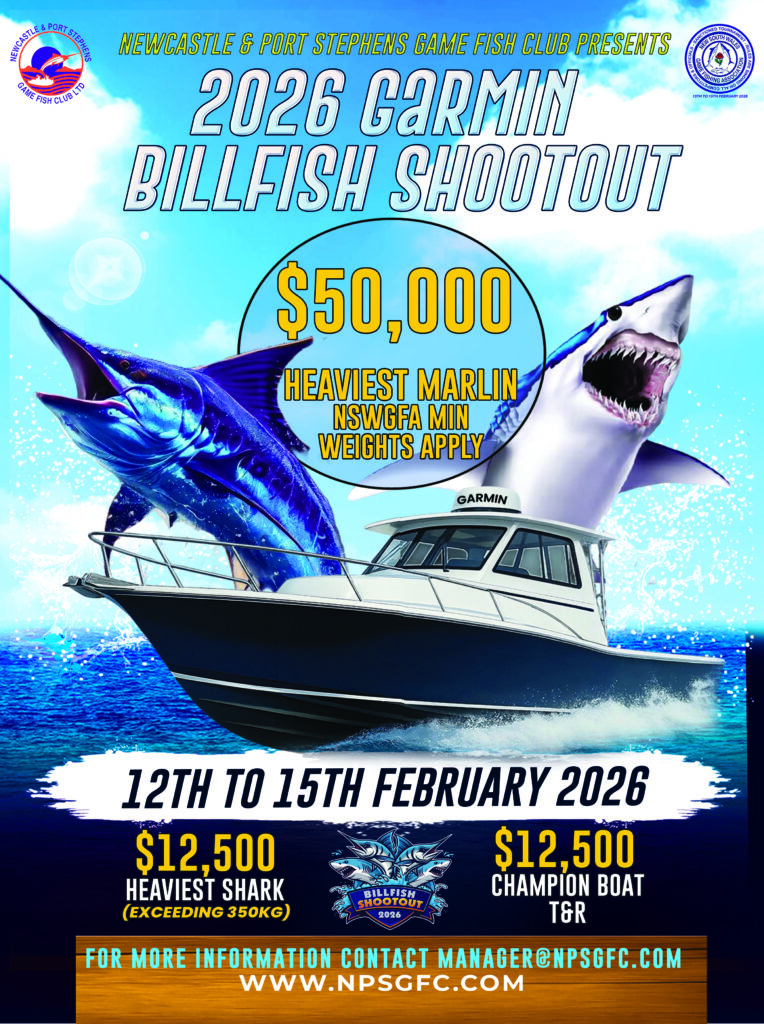
 Billfish Shootout—is one of the most exciting and anticipated events on the game fishing calendar, drawing experienced anglers, recreational fishers, and sport fishing enthusiasts from across Australia and beyond. Held annually in the beautiful waters off Port Stephens and Nelson Bay, New South Wales, this tournament celebrates the thrill of offshore fishing, community spirit, conservation, and friendly competition.
 Located roughly two and a half hours north of Sydney, Port Stephens is renowned for its stunning coastal scenery and rich marine environment. Its offshore waters are fertile grounds for billfish—particularly marlin species—which makes it an ideal setting for a billfish fishing tournament. The region’s vibrant marine ecosystem offers both challenge and reward to competitors as they chase trophy fish in deep blue waters.
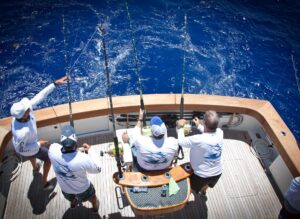 billfish event in Port Stephens functions as an international draw, with competitors from various regions, reflecting its global appeal. Garmin’s sponsorship ties the event to the broader world of sport fishing electronics and technology, enhancing both prestige and visibility.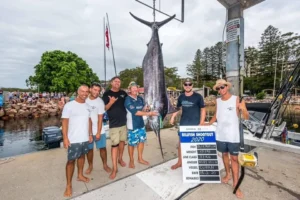

 No visit to the Gold Coast is complete without spending time on its famous beaches. Stretching for kilometer’s along the coastline, the beaches here cater to everyone — from surfers and swimmers to sunseekers and families.
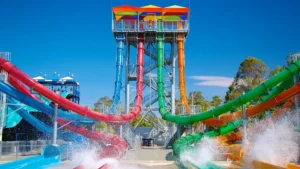 families alike can spend entire days enjoying world-class attractions.
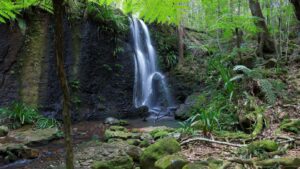 Just a short drive inland from the coastline, the
 For a more relaxed water activity, stand-up paddleboarding and kayaking in the Broadwater or local creeks is a fun and accessible option.
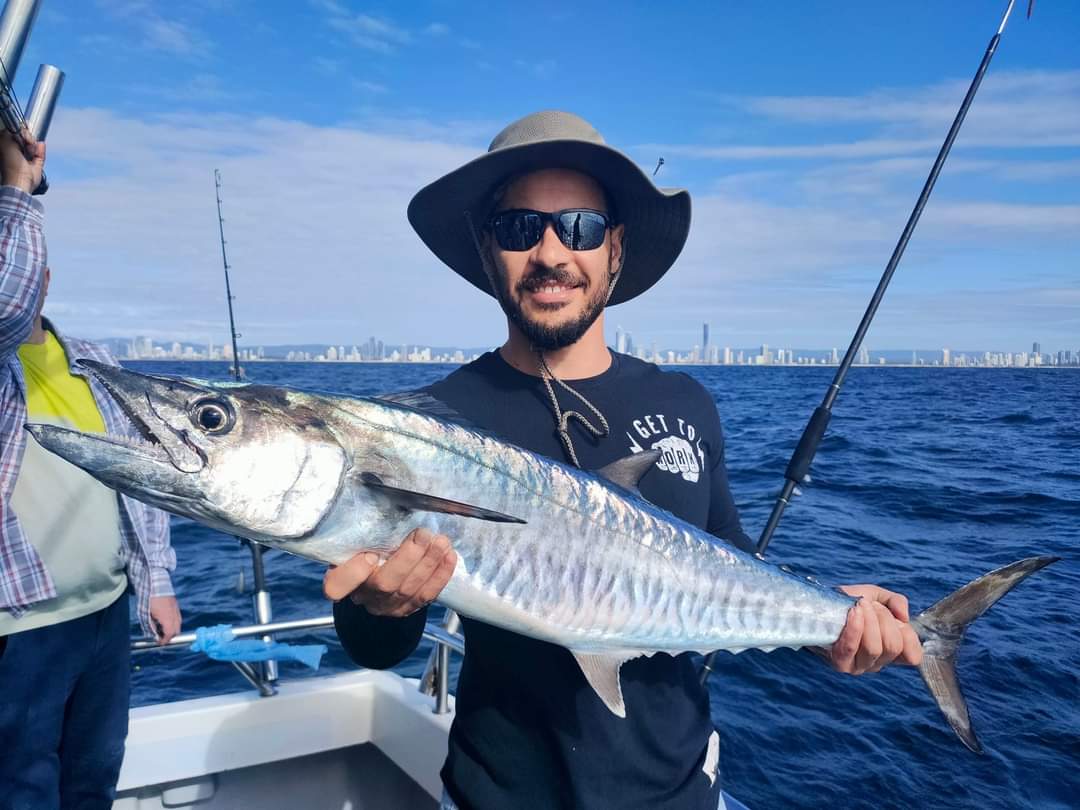
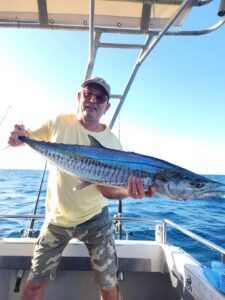 more cautious than their spotted cousins, Spanish mackerel are prized for their blistering runs and outstanding eating quality. When conditions are right, they can be found surprisingly close to shore, providing offshore anglers with thrilling action.
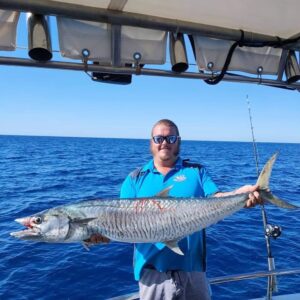 spring through to autumn. Peak captures often occur when
 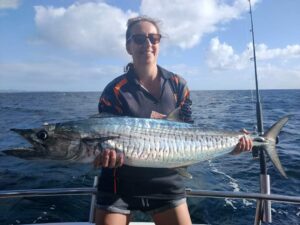 where structure concentrates bait.
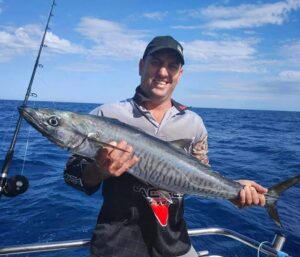 yellowtail. This method presents a natural, irresistible target and is ideal when fish are present but not aggressively feeding.
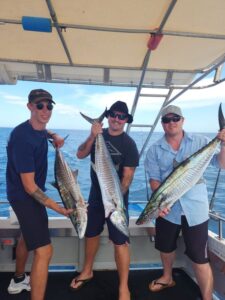 effective. Float-lining allows the bait to drift naturally back into the strike zone, particularly when a light
 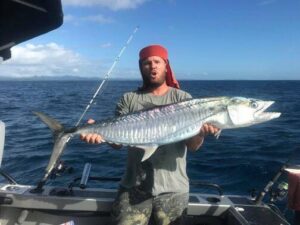 variety of cooking methods.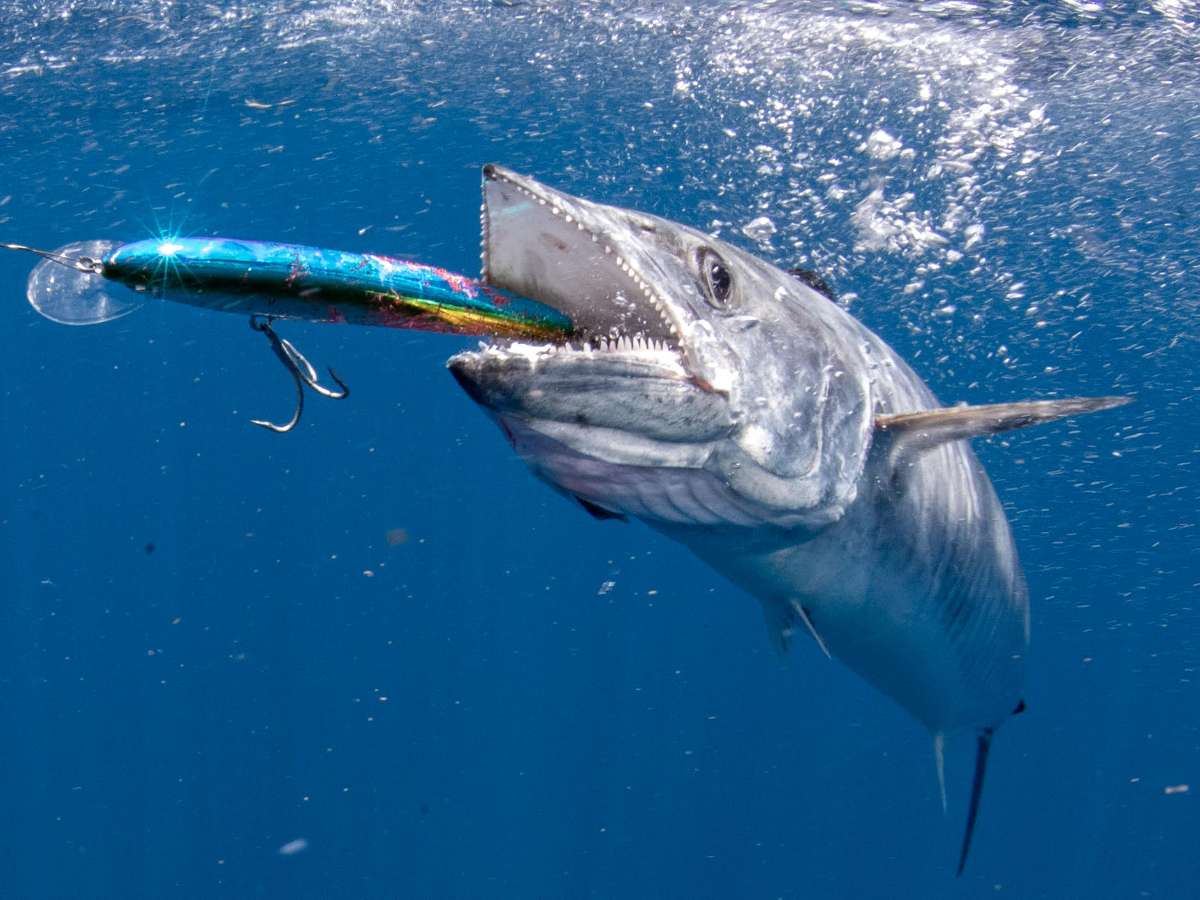
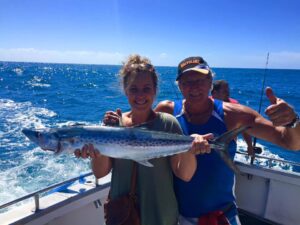 aggressive, and fantastic eating, they provide
 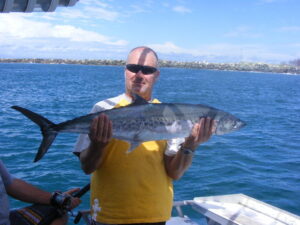 Spotted mackerel are a warm-water species, with the prime season on the Gold Coast running from December through to May. During this period, ocean currents bring baitfish close to shore, and mackerel follow in large schools.
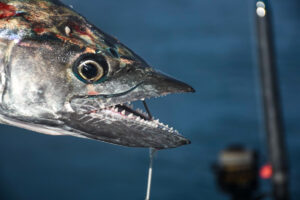 and yellowtail. They are commonly found patrolling reef edges, current lines, and bait schools, often pushing prey to the surface in spectacular feeding frenzies.
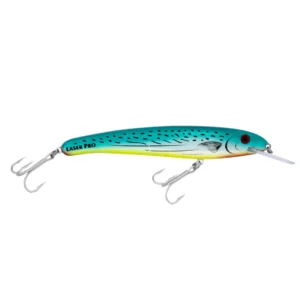 mackerel season.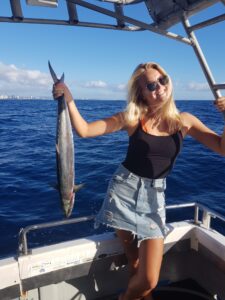
 burley trail. This natural presentation closely mimics free-swimming baitfish and is deadly when mackerel are feeding selectively.
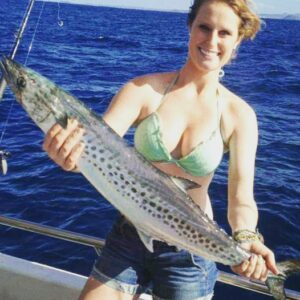
 spotted mackerel. Live baits create vibration and movement that predators find hard to resist.
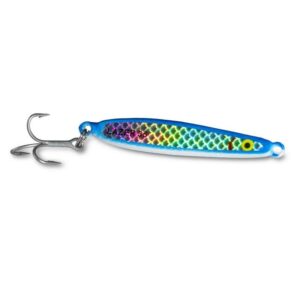 retrieves imitate fleeing baitfish and trigger explosive strikes ⚡.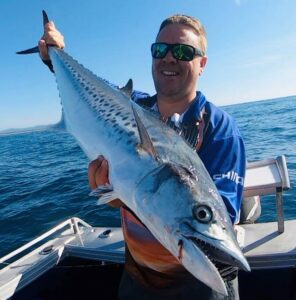
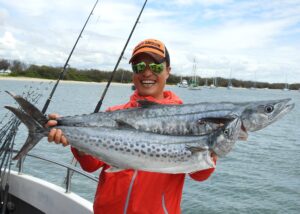 burleying, and casting techniques to maximise results. Our knowledge of Gold Coast reef systems and seasonal movements allows us to consistently target spotted mackerel during peak months.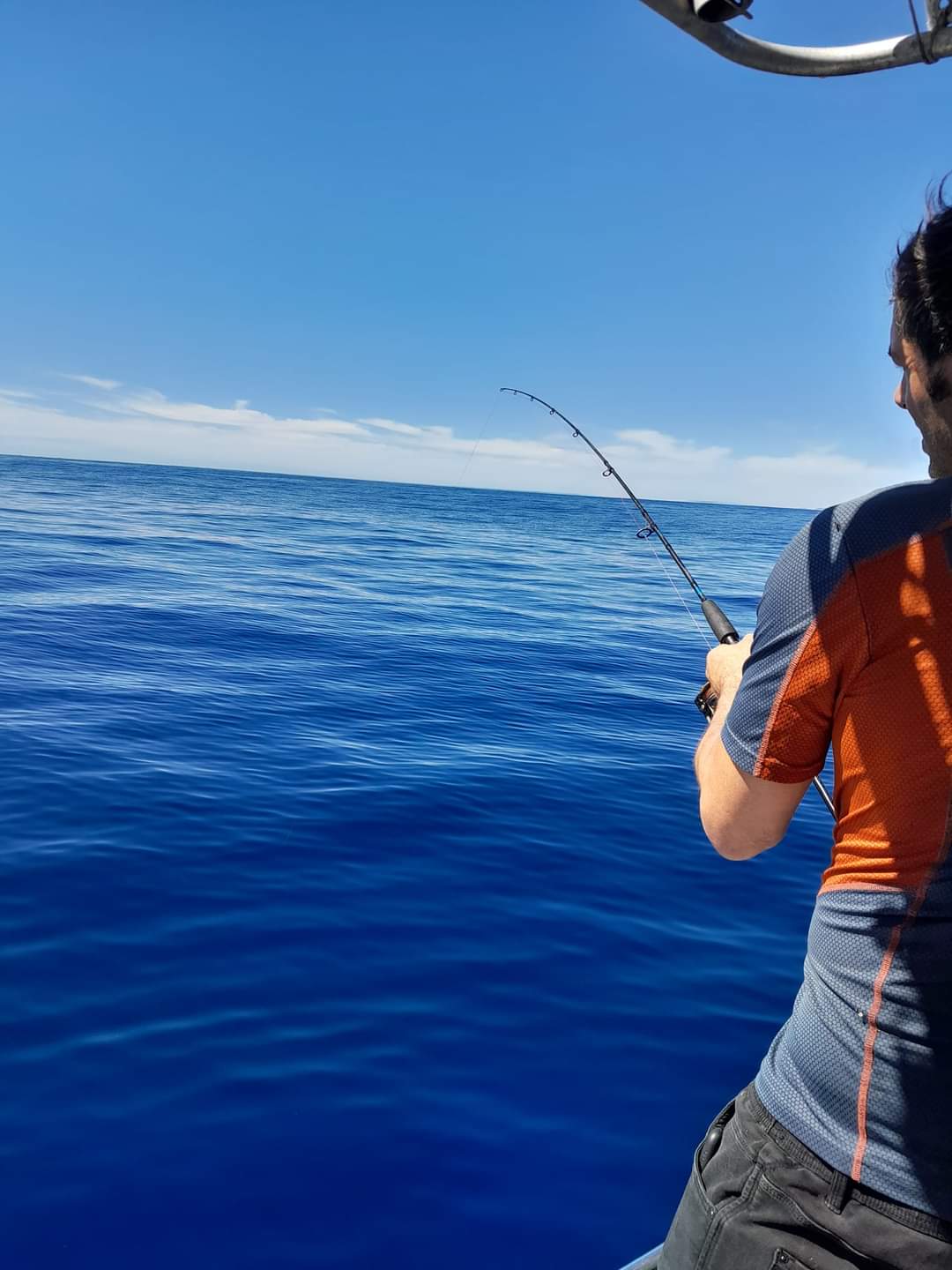
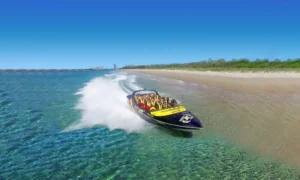 and skims across the waves at high speeds. It’s a fun, action-packed way to see the coastline from a unique perspective.
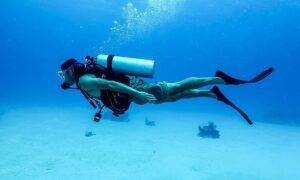 snorkelling opportunities abound, from tropical reefs to shipwrecks.
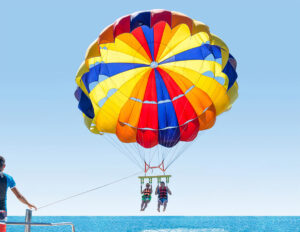 the waves while taking in panoramic views of the Gold Coast coastline, islands, and hinterland.
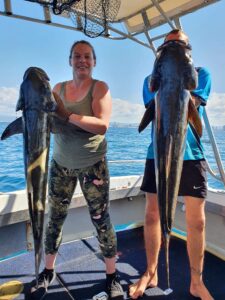 For those who love fishing or want to experience the ocean up close, True Blue Fishing Charters offers guided trips for all skill levels. Whether you’re after
 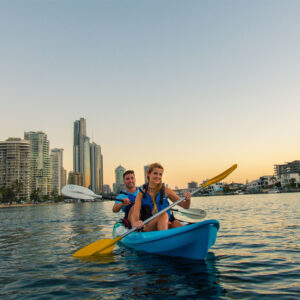 waterways, estuaries, and coastal canals while getting a gentle workout.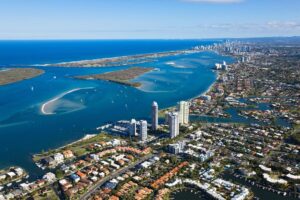
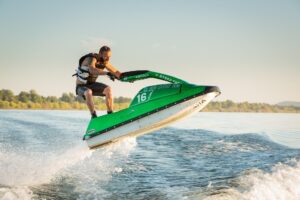 offers water experiences that cater to every mood and pace. Combine it with fresh seafood, stunning beaches, and hinterland views, and you’ve got an unbeatable coastal adventure.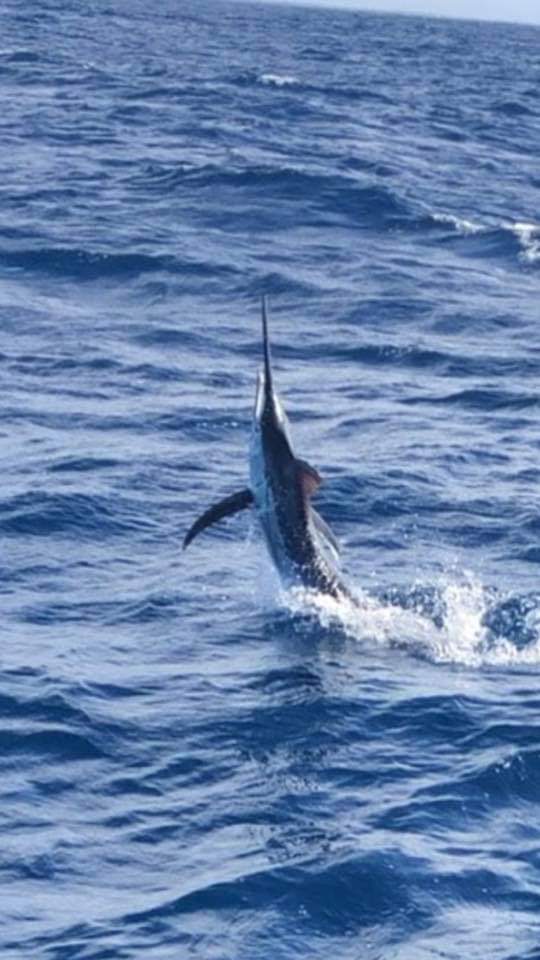
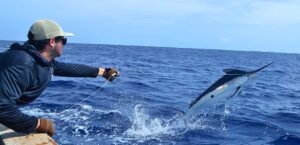
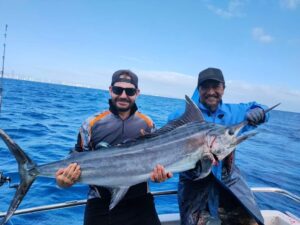 glimmers on the horizon, and your line is steady. The next, your rod bends violently, the reel screams, and a massive marlin takes off in a burst of power and speed.
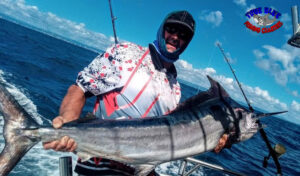
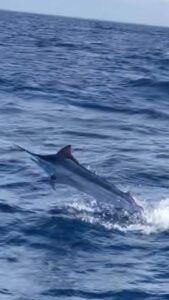 Marlin are apex predators of the open ocean. Their long, pointed bills, sleek bodies, and immense power make them both a challenge and a prize. They can weigh hundreds of kilograms and often strike with little warning, sprinting across the water at astonishing speed.
 structures that attract baitfish. Prime locations often include: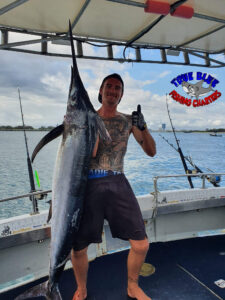
 handling the fight: