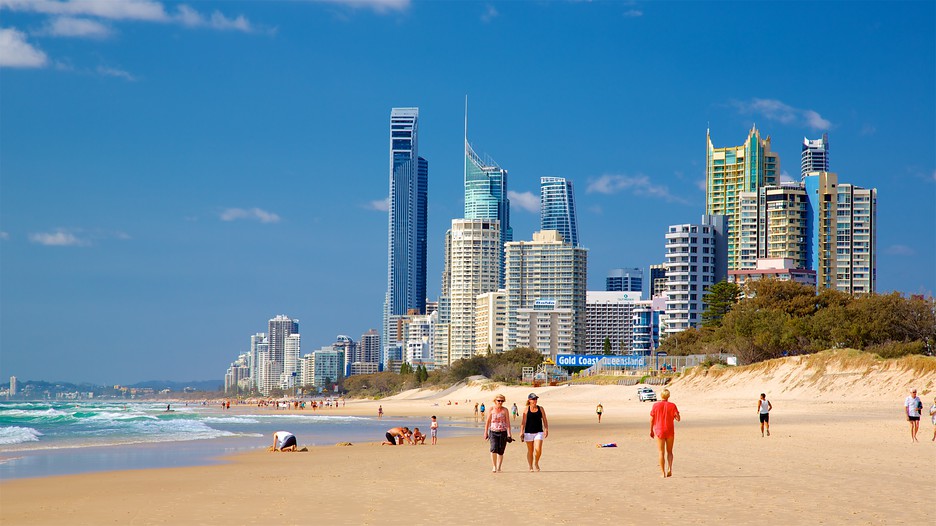
Beach Fishing on the Gold Coast: A Complete Guide for Locals & Visitors 🎣
Beach fishing on the Gold Coast is one of the simplest and most rewarding ways to enjoy Queensland’s famous coastline. With kilometre’s of sandy beaches, warm waters, and a wide range of fish species, you don’t need a boat to experience great fishing — just the right timing, a bit of local knowledge, and a rod in hand.
From early morning tailor runs to evening whiting sessions in the shallows, Gold Coast beach fishing offers something for anglers of all skill levels. Whether you’re a visiting holidaymaker or a local chasing a feed, this guide covers everything you need to know.
Why the Gold Coast Is Ideal for Beach Fishing
The Gold Coast boasts over 50 kilometre’s of accessible surf beaches, backed by deep gutters, sandbanks, and tidal movement that create perfect feeding zones for fish. Combined with a subtropical climate and consistent baitfish activity, the beaches fish well year-round.
Key reasons beach fishing thrives here:
Consistent surf gutters and channels
Warm East Australian Current pushing bait close to shore
Easy public access almost everywhere
Diverse species across all seasons
Add sunrise views, dolphins cruising the shore break, and the occasional whale in winter, and it’s easy to see why beach fishing is so popular.
Best Beaches for Fishing on the Gold Coast
While most beaches can produce fish, some spots are particularly reliable.
🏖️ Main Beach & Surfers Paradise
Despite the crowds during the day, early mornings and evenings can fish exceptionally well. Look for deeper gutters running parallel to shore — tailor, dart, and bream are common.
🌊 Burleigh Heads
Known for its headland, Burleigh produces tailor, bream, and trevally, especially near rocky outcrops. Be mindful of swell and safety around rocks.
🐚 Palm Beach
A favourite among locals. Palm Beach often forms long, clean gutters ideal for whiting, dart, and flathead.
🌅 Currumbin & Tugun
These southern beaches are consistent producers and often less crowded. Great for early-morning sessions chasing tailor and school mulloway.
Best Fish to Catch While Beach Fishing
Beach fishing on the Gold Coast is surprisingly diverse.
🐟 Common Target Species
Tailor – Aggressive feeders, especially at dawn and dusk
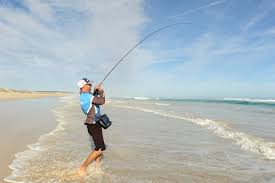
Whiting – Found in shallow gutters and edges
Dart – Abundant and great fun on light tackle
Bream – Often near structure or deeper holes
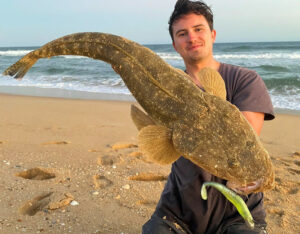
Flathead – Sit on sandy drop-offs and gutter mouths
🎯 Seasonal Bonus Species
School mulloway (jewfish) – Winter nights, deeper gutters
Trevally – Summer bait runs
Salmon & queenfish – Occasionally during warm months
Best Time to Go Beach Fishing
Timing is everything when fishing the surf.
 ⏰ Best Times of Day
Early morning (first light)
Late afternoon into dusk
Fish move closer to shore under low light, making these prime feeding times.
🌊 Tides Matter
Run-in tides are often best
Fish the last half of the incoming tide into the top of the tide
Look for water movement — still water rarely fishes well.
Reading the Beach: Finding Gutters & Fish
Successful beach fishing comes down to reading the water.
Look for:
Darker water (deeper gutters)
Whitewater breaking over sandbanks
Channels leading out to sea
Calm patches between waves
Fish patrol these areas looking for bait washed out by waves.
Tackle & Gear for Gold Coast Beach Fishing
You don’t need overly complicated gear, but balance is key.
🎣 Rod & Reel
10–12ft surf rod
🧵 Line
10–20lb braid or mono
Fluorocarbon leader for clear water
⚙️ Terminal Tackle
Gang hooks for tailor
Long shank hooks for whiting
Star sinkers or ball sinkers depending on surf
Best Bait & Lures
🦐 Natural Baits
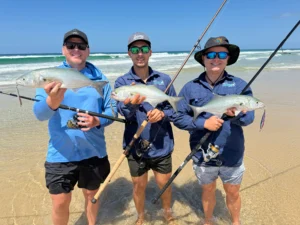
🎣 Lures
Metal slugs for tailor and salmon
Soft plastics along gutter edges
Surface lures at dawn for aggressive feeders
Rules & Etiquette
Always check Queensland fishing regulations
Observe size and bag limits

Avoid swimming zones
Fish away from crowds
Leave no rubbish behind
Beach fishing is about respecting both the environment and other beach users.
Safety Tips for Surf Fishing
Never turn your back on the ocean
Watch for changing tides and swell
Wear polarised sunglasses to read the water
Avoid fishing alone at night if possible
Conditions can change quickly on the open coast.
Want to Go Beyond the Beach?
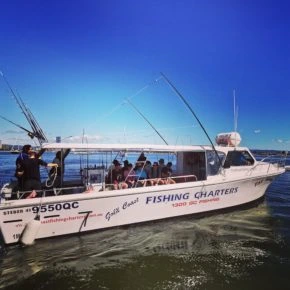
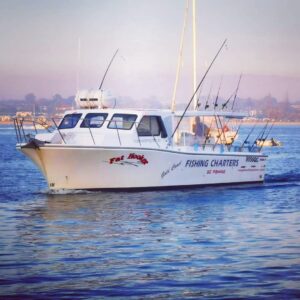
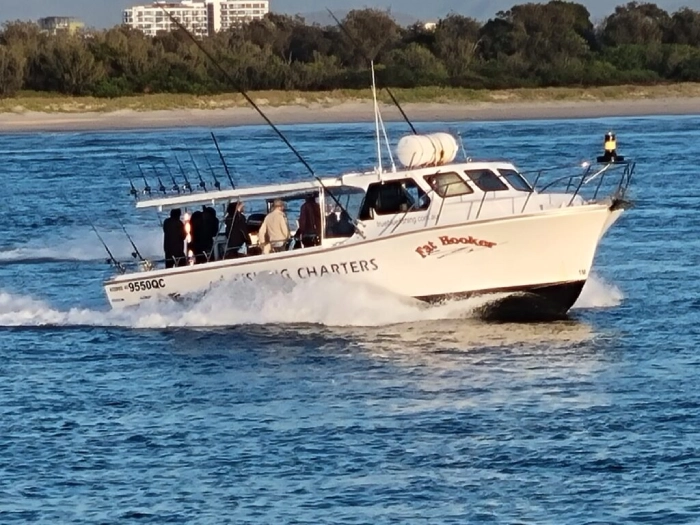
If beach fishing sparks your interest but you’d like to target bigger offshore species, booking a local charter is a great next step. Operators like Gold Coast Fishing Charters run trips from the Gold Coast targeting tuna, mackerel, mahi mahi, snapper, and more — perfect if you don’t have your own boat or want expert local knowledge.
Final Thoughts
Beach fishing on the Gold Coast is accessible, affordable, and incredibly rewarding. With the right timing, a bit of patience, and an understanding of the surf, you can experience quality fishing just steps from the sand.
Whether you’re chasing tailor at sunrise or enjoying a relaxed evening whiting session, the Gold Coast’s beaches offer year-round Gold Coast fishing opportunities — no boat required 🌊🎣
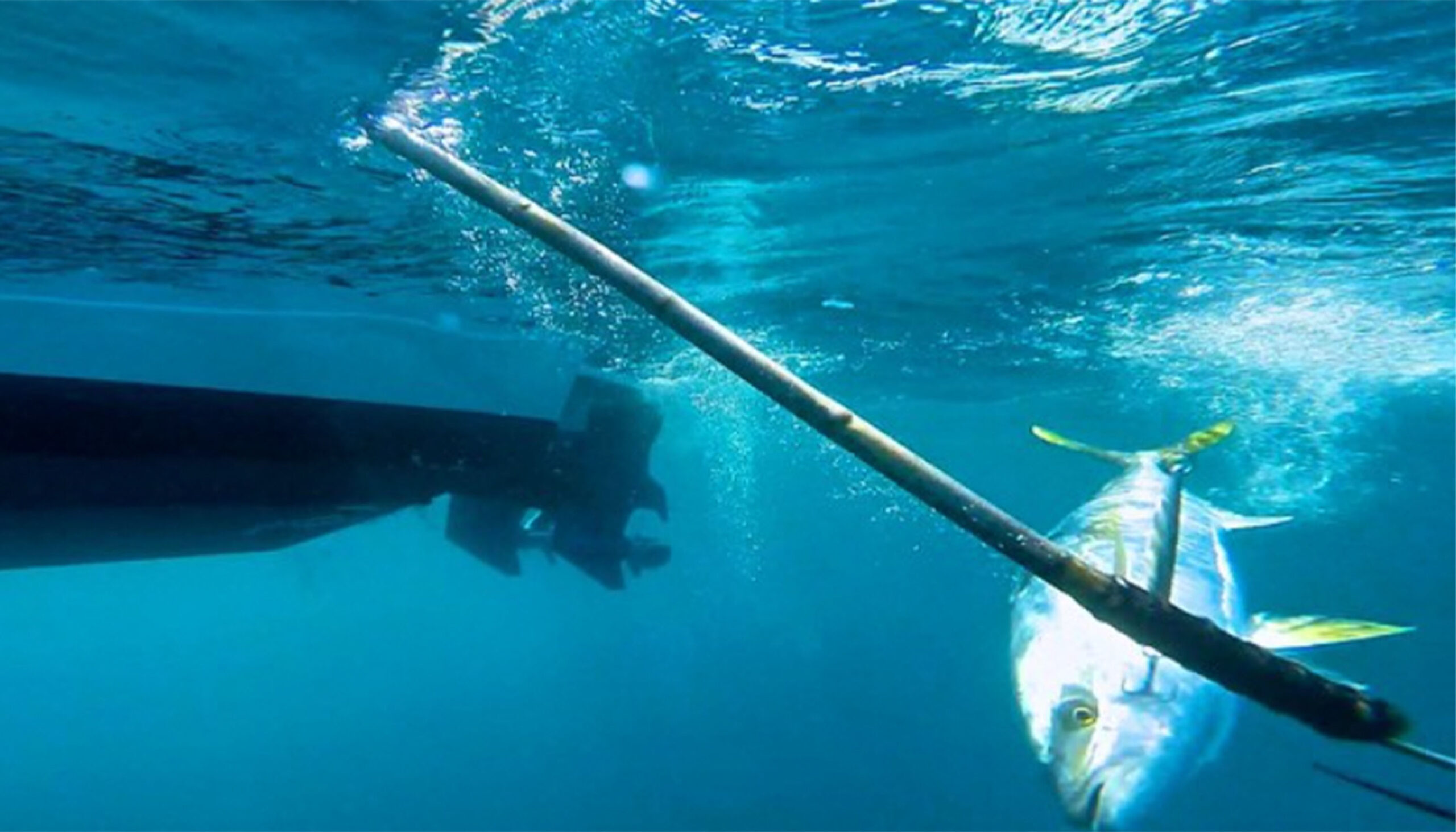
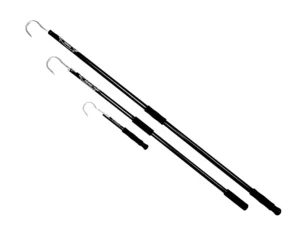
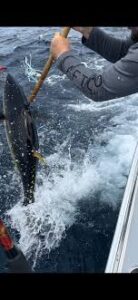
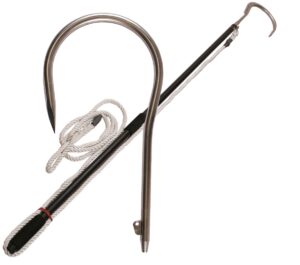
 Step-by-Step Gaffing Technique

 approach.


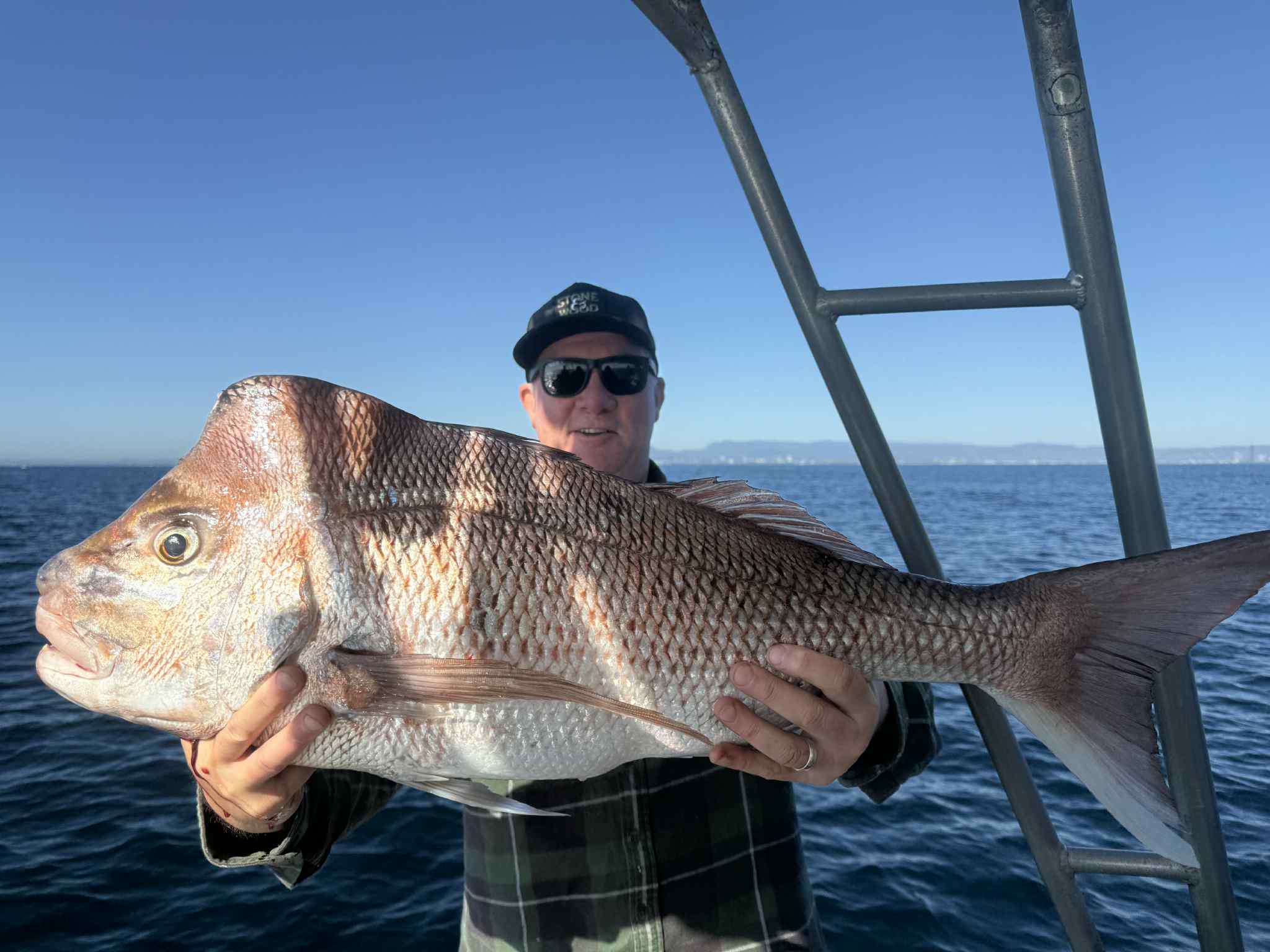
 offshore reefs, drop-offs, and pelagic highways just kilometres from shore. Success offshore isn’t just about good weather and luck — it comes down to using the right fishing techniques and
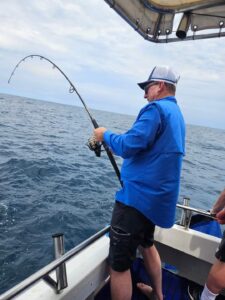 over a wider area or when current makes anchoring difficult, drifting allows anglers to cover more ground.
 Float lining is a refined deep sea fishing technique used when fish are cautious or heavily pressured. By using minimal weight, baits sink slowly and naturally through the water column, mimicking free-falling prey.
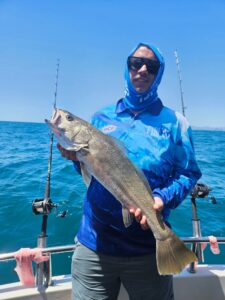 kingfish, amberjack, and samson fish.
  Live baiting
 conditions, target species, and the experience level of our guests. Our local knowledge of Gold Coast offshore grounds allows us to adapt our approach to maximise fishing opportunities on every trip.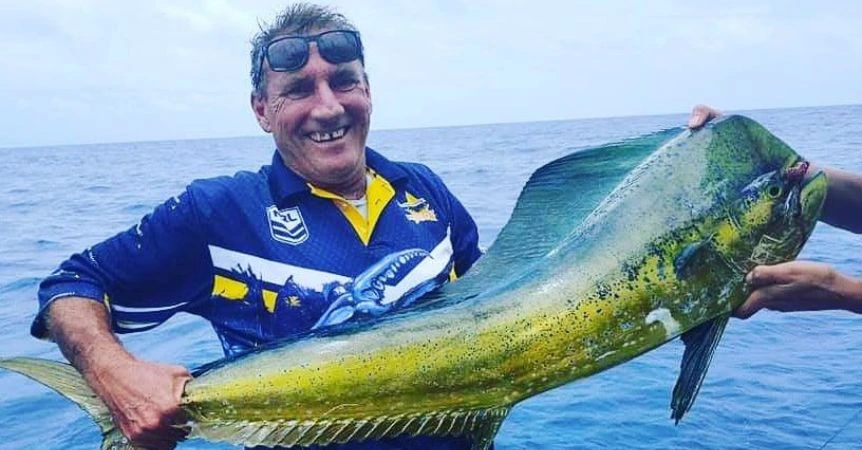
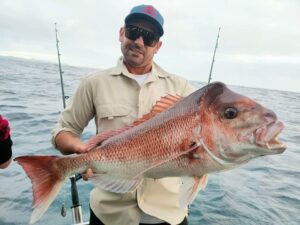 movements, giving anglers the best chance of success no matter the time of year.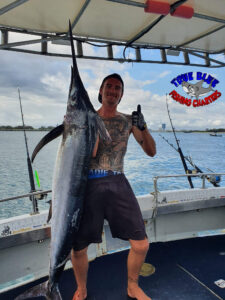
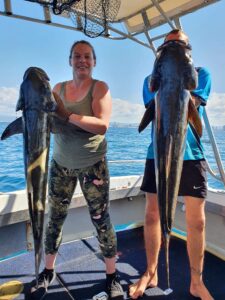 months deliver some of the Gold Coast’s most consistent fishing, especially for anglers chasing quality table fish and hard-fighting reef species.
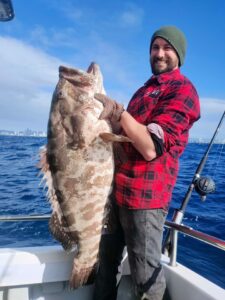
 and current lines. Strong, stubborn fighters,
  What sets
  special. With
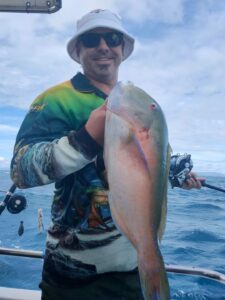
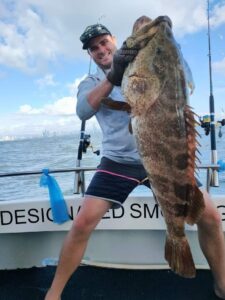
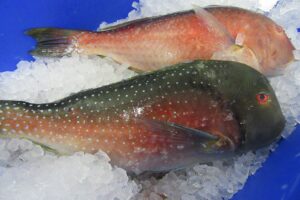 toughest reef fish to hook — and land.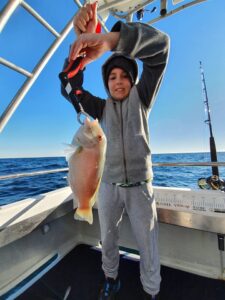
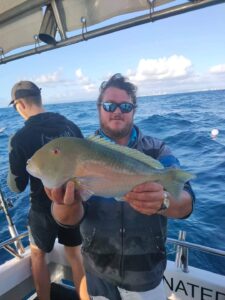
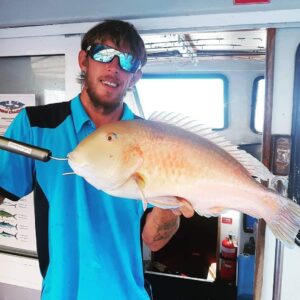

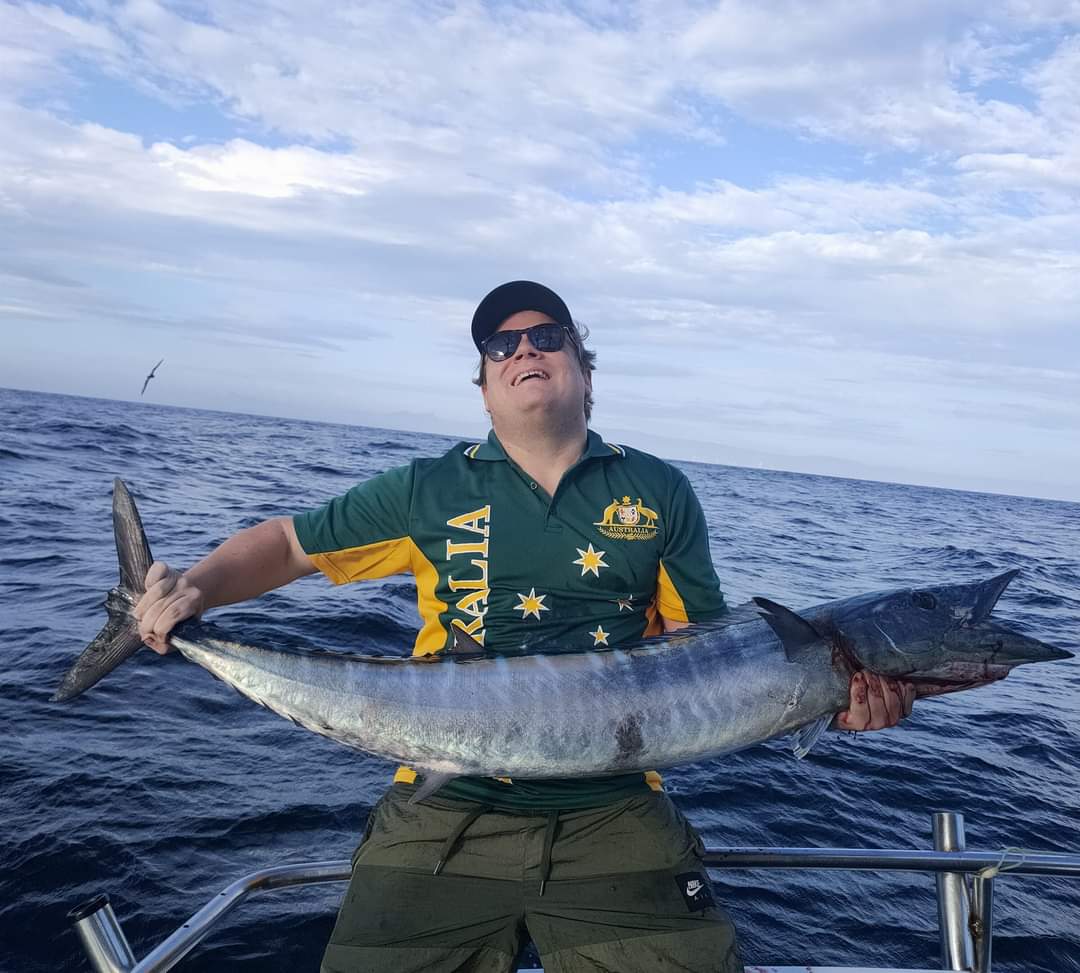
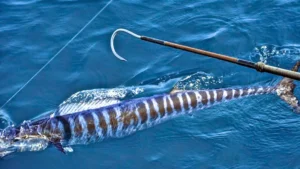
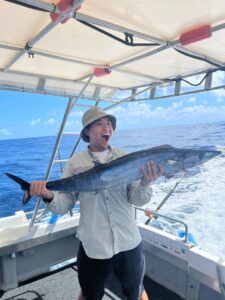
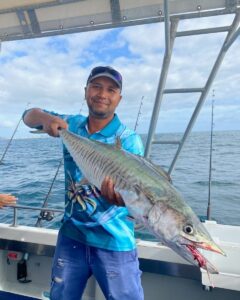
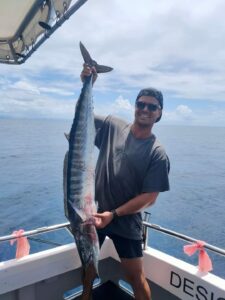
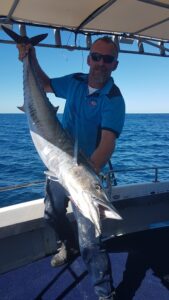
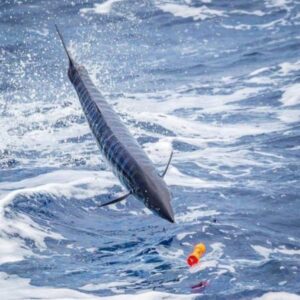
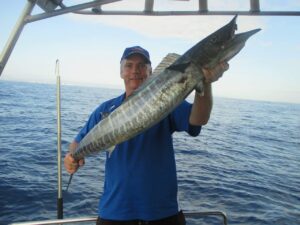
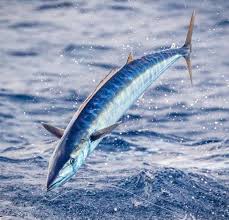
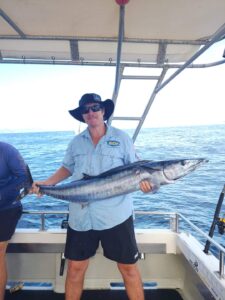
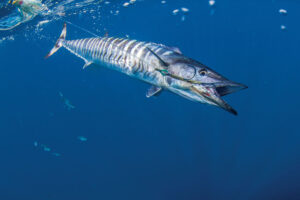 encountered off the Gold Coast. For anglers who love fast-paced offshore fishing, hooking into a wahoo is an unforgettable experience — and the Gold Coast is one of Australia’s most reliable places to do it.
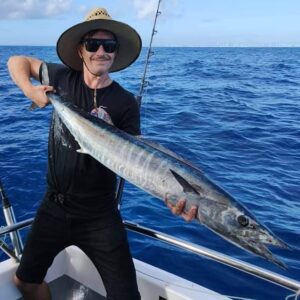 their long, torpedo-shaped body and striking vertical blue bars along a silver flanks. Built purely for speed, wahoo are considered one of the fastest fish in the ocean, capable of bursts exceeding 70 km/h.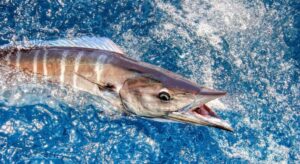
 Wahoo feed primarily on:
 speed make them perfectly suited to this technique.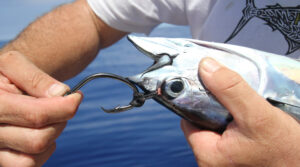
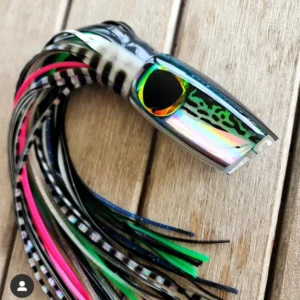
 Coast cater to everyone, from first-time anglers to seasoned game fishers.
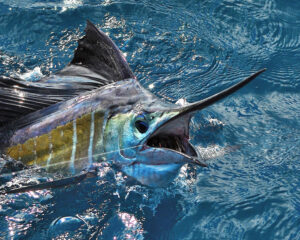 runs of marlin, sailfish, wahoo, and large tuna.
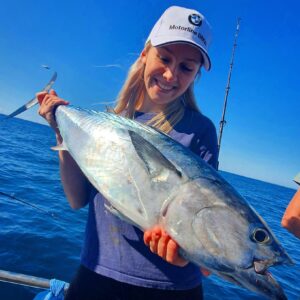 personalised approach.
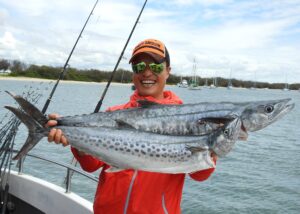 experienced local operators like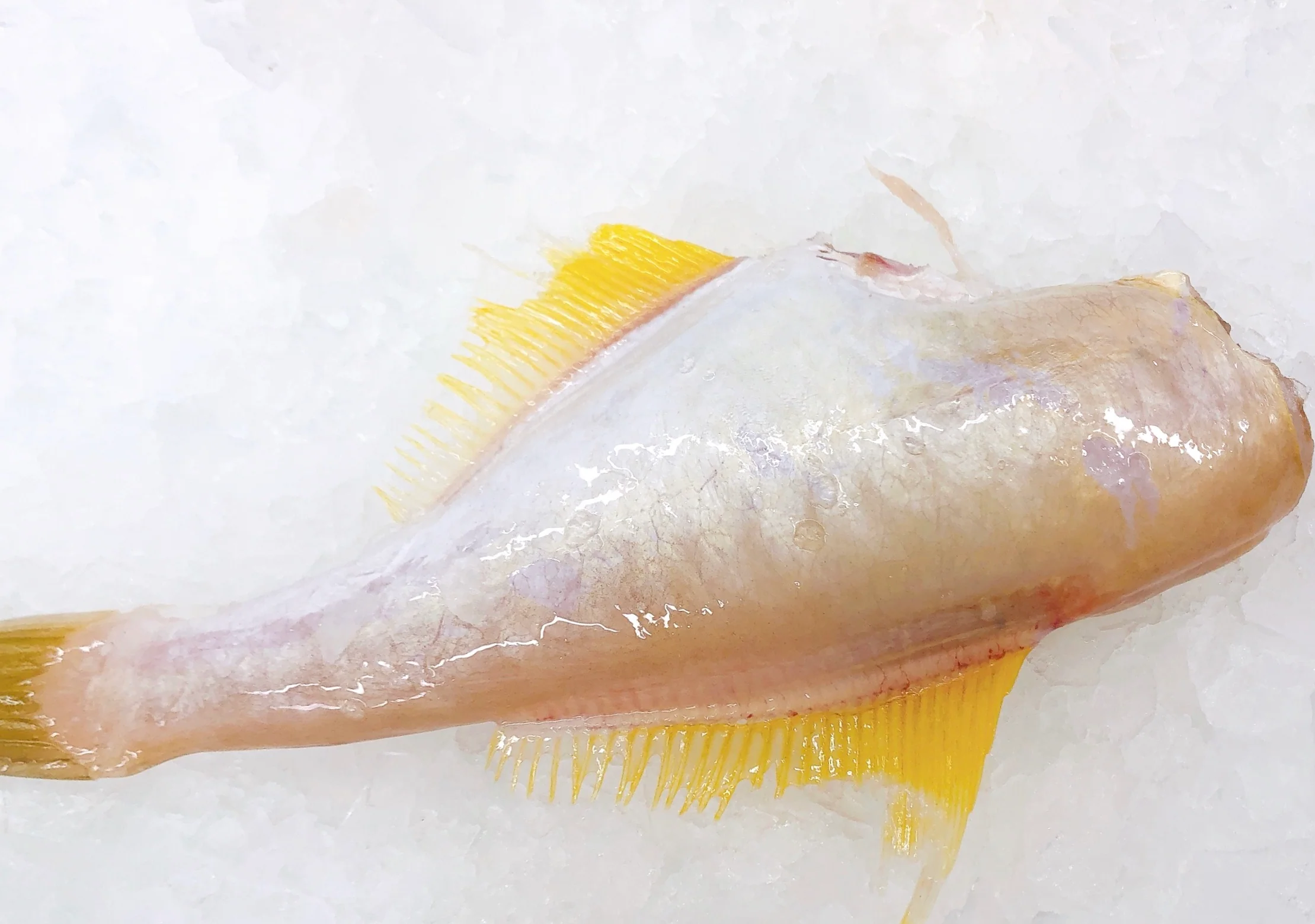
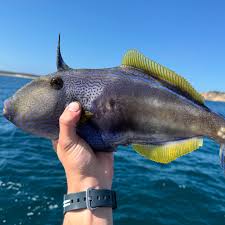
 Leatherjackets are extremely common throughout Gold Coast reef systems, particularly offshore from the
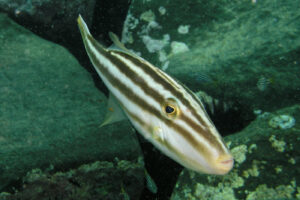 Leatherjackets can be caught year-round on the Gold Coast, but they often become more noticeable during cooler months when other species slow down.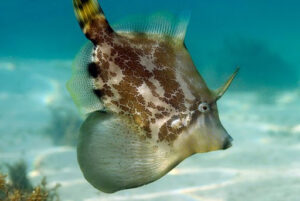
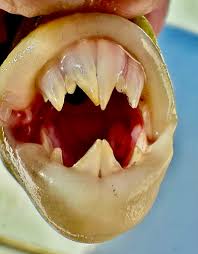 Leatherjackets play an important role in reef ecosystems, feeding on invertebrates and helping maintain balance. For anglers, they’re a reminder that adapting tactics to conditions is part of successful reef fishing.