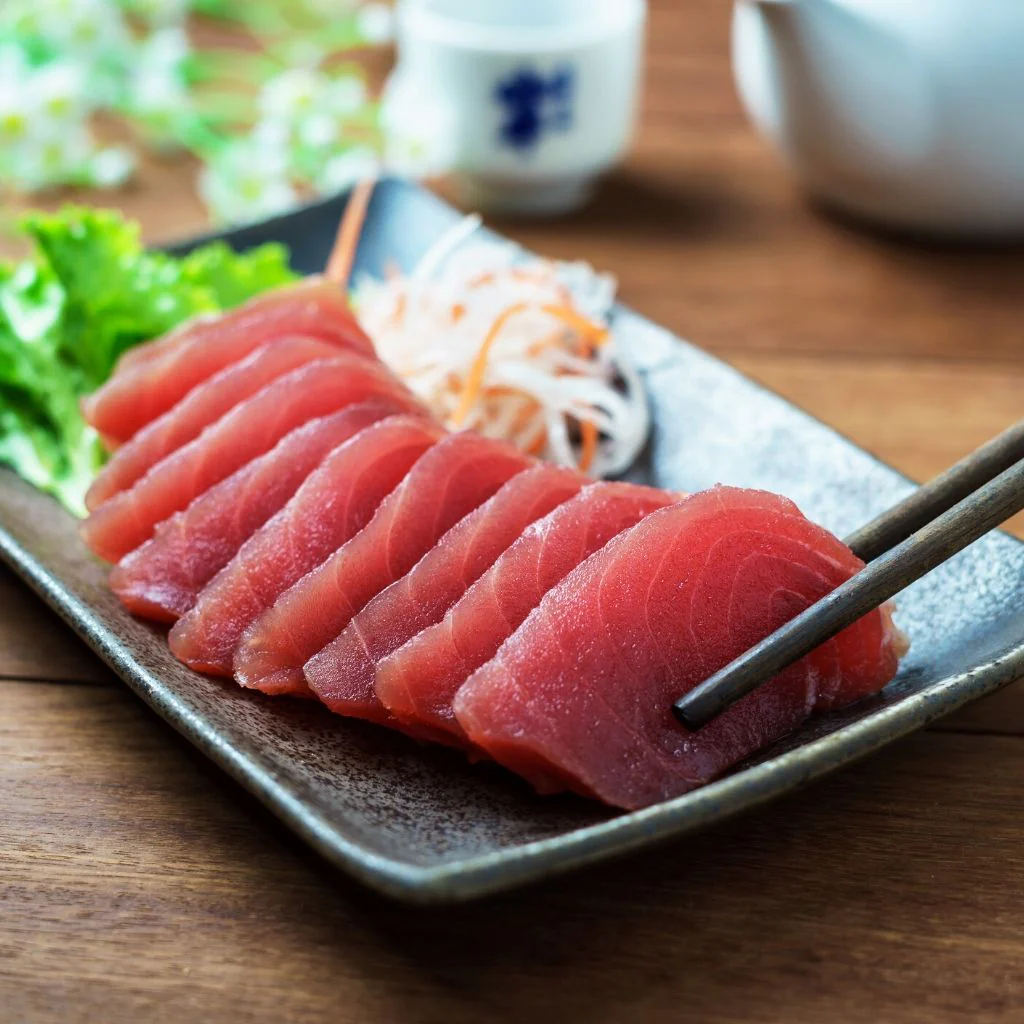
How to Prepare Sashimi at Home: Fresh Fish, Simple Techniques & Perfect Pairings 🍣
Few dishes celebrate seafood quite like sashimi. Clean, simple, and beautifully presented, sashimi is all about respecting the fish — letting freshness, texture, and natural flavour take centre stage. While it may look intimidating, preparing sashimi at home is surprisingly achievable with the right fish, tools, and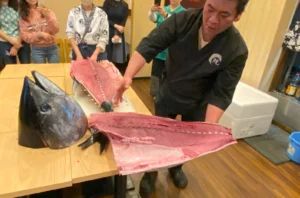 approach.
Whether you’ve caught your own fish or sourced premium seafood from a trusted supplier, this guide walks you through everything you need to know: choosing the right fish, safe preparation, slicing techniques, classic condiments, and creative sashimi recipes.
What Is Sashimi?
Sashimi is thinly sliced raw fish or seafood, traditionally served without rice. Unlike sushi, which often includes seasoned rice, sashimi focuses entirely on the quality, cut, and flavour of the seafood itself.
Because sashimi is eaten raw, freshness and handling are absolutely critical — there’s nowhere to hide.
Choosing the Right Fish for Sashimi 🐟
Not all fish are suitable for sashimi. Species with firm flesh and clean flavour work best.
Popular Sashimi Fish
Tuna (yellowfin, bluefin)
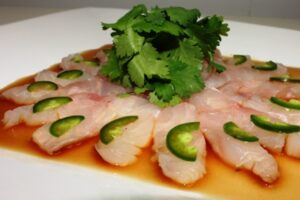
Kingfish
Salmon (sashimi-grade)
Mackerel (cured first)
Wahoo
Scallops
Prawns (very fresh, properly prepared)
If you’ve caught your own fish, ice it immediately, bleed it properly, and keep it cold until preparation.
Food Safety & Handling Essentials ⚠️
Because sashimi is eaten raw, proper handling is essential.
Key Safety Tips
Use only extremely fresh fish
Keep fish chilled at all times
Clean knives and surfaces thoroughly

Freeze fish when required to reduce parasite risk
Never use fish that smells “fishy”
Many home cooks freeze fish at -20°C for at least 24–48 hours before sashimi preparation, depending on species.
Tools You’ll Need 🔪
Good tools make a big difference.
Essentials
Very sharp knife (yanagiba or long slicing knife)
Clean chopping board
Tweezers for pin bones
Paper towel
Clean cloth
A sharp knife is critical — tearing the flesh ruins texture and presentation.
Preparing the Fish for Sashimi
Step 1: Fillet Carefully
Remove the skin cleanly and trim away bloodlines and dark meat, which can have a stronger flavour.
Step 2: Remove Pin Bones
Run your fingers along the fillet and remove any pin bones with tweezers.
Step 3: Chill Before Slicing
Cold fish slices more cleanly and holds its shape better.
How to Slice Sashimi Like a Pro ✨
Slicing is where sashimi is made or broken.
Basic Slicing Rules
Slice against the grain
Use long, smooth strokes
Avoid sawing motions
Aim for even thickness (5–7mm)
Each slice should be cut in one clean motion for the best texture.
Classic Sashimi Condiments 🥢
Condiments should enhance — not overpower — the fish.
Traditional Pairings
Soy sauce (light, high-quality)
Wasabi (fresh or good-quality paste)
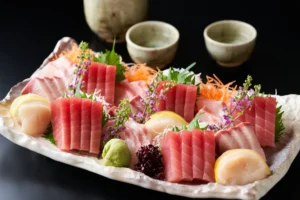
Pickled ginger
Dip fish lightly — sashimi is about balance.
Modern Condiments & Garnishes 🌿
For a contemporary twist, try:
Ponzu sauce
Yuzu kosho
Sesame oil (a few drops only)
Chili oil or chili crisp
Micro herbs
Shaved radish or cucumber
A little goes a long way.
Simple Sashimi Recipes to Try at Home 🍽️
Classic Tuna Sashimi
Serve sliced tuna with soy sauce, wasabi, and pickled ginger.
Kingfish with Ponzu
Thinly sliced kingfish drizzled with ponzu, topped with spring onion and sesame seeds.
Snapper with Citrus & Olive Oil
Snapper slices with a squeeze of lemon or yuzu and a drizzle of extra virgin olive oil.
Wahoo Sashimi
Fresh wahoo with soy, wasabi, and a touch of chili oil — clean, firm, and delicious.
Plating & Presentation 🎨
Sashimi is as much visual as it is culinary.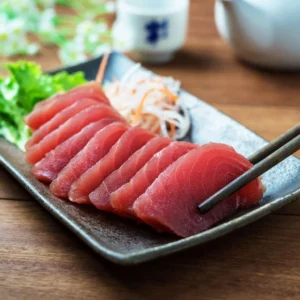
Plating Tips
Use simple plates
Arrange slices in clean lines or fans
Add colour with garnish sparingly
Leave space on the plate
Less is more.
Best Drinks to Serve with Sashimi 🍶
Cold sake
Dry white wine
Sparkling water
Avoid heavy or overly sweet drinks.
Common Mistakes to Avoid ❌
Using dull knives
Cutting warm fish
Over-seasoning
Poor hygiene
Rushing the process
Take your time — sashimi rewards care.
Final Thoughts
Preparing sashimi at home is about simplicity, respect, and quality. With the freshest fish, sharp tools, and restrained flavours, you can create restaurant-quality sashimi that highlights the natural beauty of seafood.
Whether you’re slicing tuna, kingfish, or your own freshly caught fish, sashimi is one of the purest ways to enjoy the ocean’s finest flavours 🍣✨