Beach Fishing on the Gold Coast: Best Spots, Tips & Target Species

Fishing Tips

Beach Fishing on the Gold Coast: A Complete Guide for Locals & Visitors 🎣

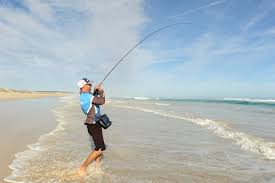
Beach fishing on the Gold Coast is one of the simplest and most rewarding ways to enjoy Queensland’s famous coastline. With kilometre’s of sandy beaches, warm waters, and a wide range of fish species, you don’t need a boat to experience great fishing — just the right timing, a bit of local knowledge, and a rod in hand.

From early morning tailor runs to evening whiting sessions in the shallows, Gold Coast beach fishing offers something for anglers of all skill levels. Whether you’re a visiting holidaymaker or a local chasing a feed, this guide covers everything you need to know.


Why the Gold Coast Is Ideal for Beach Fishing

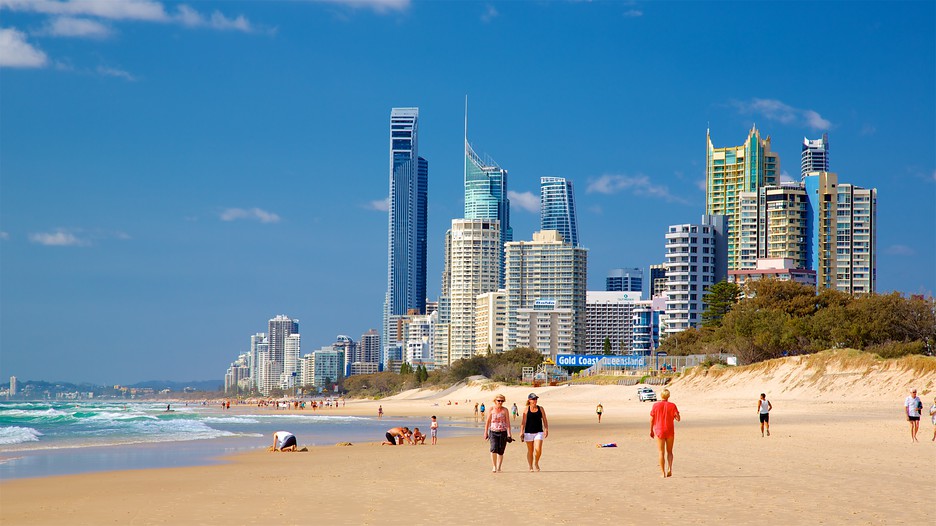
The Gold Coast boasts over 50 kilometre’s of accessible surf beaches, backed by deep gutters,beach fishing gold coast sandbanks, and tidal movement that create perfect feeding zones for fish. Combined with a subtropical climate and consistent baitfish activity, the beaches fish well year-round.
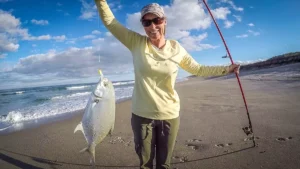
Key reasons beach fishing thrives here:

  • Consistent surf gutters and channels

  • Warm East Australian Current pushing bait close to shore

  • Easy public access almost everywhere

  • Diverse species across all seasons

Add sunrise views, dolphins cruising the shore break, and the occasional whale in winter, and it’s easy to see why beach fishing is so popular.


Best Beaches for Fishing on the Gold Coast

While most beaches can produce fish, some spots are particularly reliable.

🏖️ Main Beach & Surfers Paradise

Despite the crowds during the day, early mornings and evenings can fish exceptionally well. Look for deeper gutters running parallel to shore — tailor, dart, and bream are common.

🌊 Burleigh Heads

Known for its headland, Burleigh produces tailor, bream, and trevally, especially near rocky outcrops. Be mindful of swell and safety around rocks.

🐚 Palm Beach

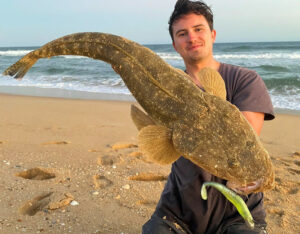
A favourite among locals. Palm Beach often forms long, clean gutters ideal for whiting, dart, and flathead.

🌅 Currumbin & Tugun

These southern beaches are consistent producers and often less crowded. Great for early-morning sessions chasing tailor and school mulloway.


Best Fish to Catch While Beach Fishing

Beach fishing on the Gold Coast is surprisingly diverse.

🐟 Common Target Species

  • Tailor – Aggressive feeders, especially at dawn and duskfishing the beach

  • Whiting – Found in shallow gutters and edges

  • Dart – Abundant and great fun on light tackle

  • Bream – Often near structure or deeper holes

  • Flathead – Sit on sandy drop-offs and gutter mouths

🎯 Seasonal Bonus Species

  • School mulloway (jewfish) – Winter nights, deeper gutters

  • Trevally – Summer bait runs

  • Salmon & queenfish – Occasionally during warm months


Best Time to Go Beach Fishing

Timing is everything when fishing the surf.

beach fishing gold coast⏰ Best Times of Day

  • Early morning (first light)

  • Late afternoon into dusk

Fish move closer to shore under low light, making these prime feeding times.

🌊 Tides Matter

  • Run-in tides are often best

  • Fish the last half of the incoming tide into the top of the tide

Look for water movement — still water rarely fishes well.


Reading the Beach: Finding Gutters & Fish

Successful beach fishing comes down to reading the water.

Look for:

  • Darker water (deeper gutters)flathead off the beach

  • Whitewater breaking over sandbanks

  • Channels leading out to sea

  • Calm patches between waves

Fish patrol these areas looking for bait washed out by waves.


Tackle & Gear for Gold Coast Beach Fishing

You don’t need overly complicated gear, but balance is key.

🎣 Rod & Reel

🧵 Line

  • 10–20lb braid or mono

  • Fluorocarbon leader for clear water

⚙️ Terminal Tackle

  • Gang hooks for tailor

  • Long shank hooks for whiting

  • Star sinkers or ball sinkers depending on surf


Best Bait & Lures

🦐 Natural Baits
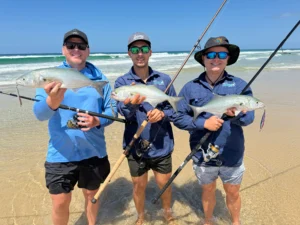
  • Pilchards (tailor & salmon)

  • Beach worms (whiting & bream)tailor fishing off the beach

  • Prawns and yabbies

  • Squid strips

🎣 Lures

  • Metal slugs for tailor and salmon

  • Soft plastics along gutter edges

  • Surface lures at dawn for aggressive feeders


Rules & Etiquette

  • Always check Queensland fishing regulations

  • Observe size and bag limitssalmon fishing off the beach

  • Avoid swimming zones

  • Fish away from crowds

  • Leave no rubbish behind

Beach fishing is about respecting both the environment and other beach users.


Safety Tips for Surf Fishing

  • Never turn your back on the ocean

  • Watch for changing tides and swell

  • Wear polarised sunglasses to read the water

  • Avoid fishing alone at night if possible

Conditions can change quickly on the open coast.


Want to Go Beyond the Beach?

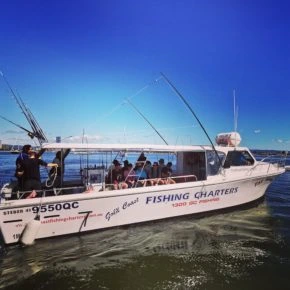
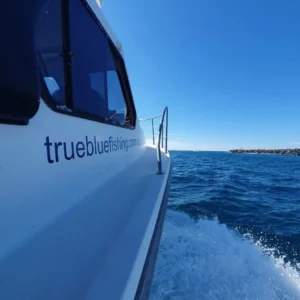
If beach fishing sparks your interest but you’d like to target bigger offshore species, booking a localPremier Fishing Charters charter is a great next step. Operators like True Blue Fishing Charters run trips from the Gold Coast targeting tuna, mackerel, mahi mahi, snapper, and more — perfect if you don’t have your own boat or want expert local knowledge.

Final Thoughts

Beach fishing on the Gold Coast is accessible, affordable, and incredibly rewarding. With the right timing, a bit of patience, and an understanding of the surf, you can experience quality fishing just steps from the sand.

Whether you’re chasing tailor at sunrise or enjoying a relaxed evening whiting session, the Gold Coast’s beaches offer year-round fishing opportunities — no boat required 🌊🎣
                                

Fishing Gaff Hooks: A Practical Guide for Landing Big Fish

Fishing Tackle

Gaff Hooks Explained: What They Are, When to Use Them & How to Use Them Safely 🎣

When targeting larger fish, few tools are as important — or as misunderstood — as the gaff hook. Used correctly, a gaff allows anglers to land big, powerful fish safely and efficiently. Used incorrectly, it can damage fish, cause injuries, or even cost you the catch of a lifetime.

In this guide, we’ll break down what gaff hooks are, the different types, when to use them, how to gaff a fish properly, and the safety considerations every angler should know.


What Is a Gaff Hook?

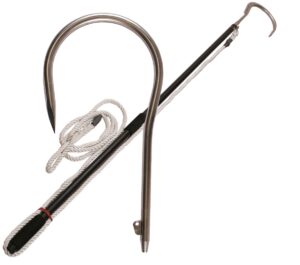
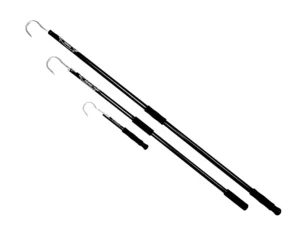
A gaff hook is a large, sharp hook mounted on the end of a handle or pole, designed to help lift and control big fish at the boat or rocks once they are alongside. Unlike landing nets, gaffs are typically used when:Gaff hook sizes

  • The fish is too large or heavy to net

  • The fish is being kept, not released

  • Control is needed quickly to avoid losing the fish

Gaffs are most commonly used in offshore fishing, rock fishing, and game fishing.


When Should You Use a Gaff?

A gaff should only be used when you intend to keep the fish. Because a gaff punctures the fish, it almost always causes fatal injury.

Common Situations for Using a Gaff

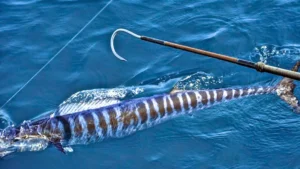
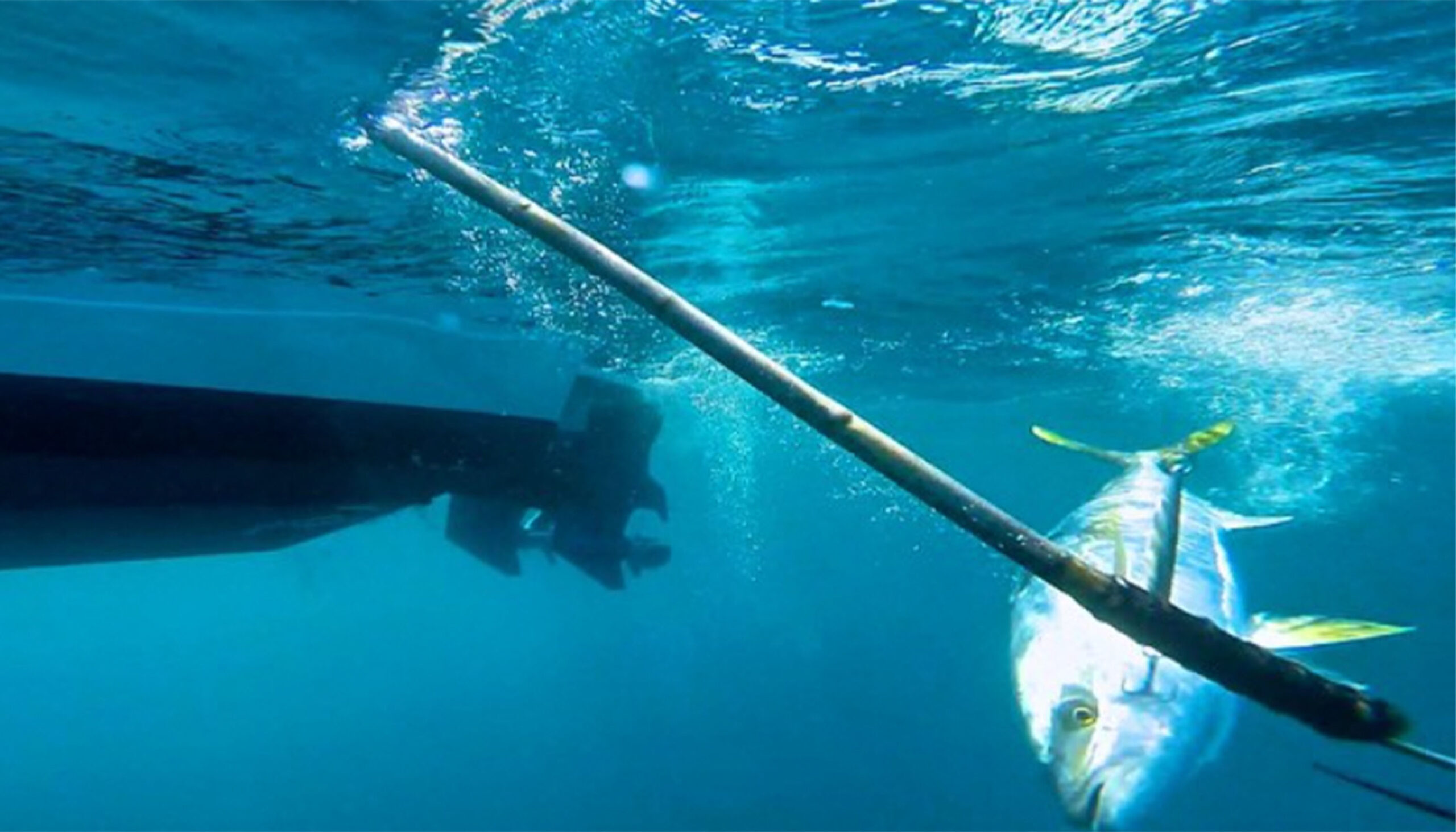
  • Landing tuna, wahoo, mackerel, cobia, mahi mahiGaff hook in a tuna

  • Bringing large reef fish aboard

  • Offshore trolling and live bait fishing

  • Rock fishing for large pelagics

When NOT to Use a Gaff

  • Catch-and-release fishing

  • Landing undersized or protected species

  • When a landing net is safer or more appropriate

If there’s any chance the fish will be released, a rubber landing net or lip-grip tool is the better option.


Types of Gaff Hooks

Not all gaffs are the same. Choosing the right one depends on your fishing style and target species.

🪝 Fixed Gaffs

These have a permanently attached hook.

Best for:

Pros:

  • Simple and reliable

  • Affordable

  • No moving parts


🔗 Flying Gaffs

The hook detaches from the handle once it’s set in the fish and is connected by a rope.

Best for:

  • Very large or powerful fish (big tuna, marlin, sharks)flying gaff

  • Game fishing

Pros:

  • Reduces leverage that can tear the hook out

  • Safer for landing huge fish


🪵 Short vs Long Gaffs

  • Short gaffs (60–90cm): Ideal for boats with low freeboard

  • Long gaffs (1.2–1.8m+): Better for rock fishing or high-sided boats


How to Gaff a Fish Properly

Correct technique is crucial for safety and landing success.

Step-by-Step Gaffing Technique
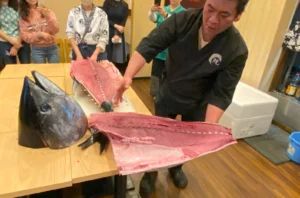
  1. Wait until the fish is tired
    Never gaff a green fish still full of energy.

  2. Position the fish alongside the boat
    Head facing forward, controlled and stable.

  3. Aim for the shoulder or head area
    Gaff just behind the head or in the shoulder — avoid the belly.

  4. Commit to the shot
    A confident, clean gaff is better than a hesitant poke.

  5. Lift smoothly and decisively
    Use your legs and body, not just your arms.


Common Gaffing Mistakes to Avoid

❌ Gaffing too early
❌ Gaffing the belly or tail
❌ Using a gaff on fish meant to be released
❌ Swinging the gaff wildly
❌ Leaving gaffs loose on deck

These mistakes can lead to lost fish, injuries, or damaged gear.


Gaff Safety: Protect Yourself & Your Crew

Gaff hooks are extremely sharp and can be dangerous if mishandled.

Essential Safety Tips

  • Always keep the gaff secured when not in use

  • Never point a gaff toward another person

  • Communicate clearly when gaffing (“GAFF!”)

  • Wear gloves when handling gaffed fish

  • Store gaffs in holders, not on the deck

On boats, many injuries happen after the fish is gaffed — not during the strike.


Gaff vs Net: Which Should You Use?

Situation Best Tool
Catch and release Landing net
Small to medium fish Net or lip-grip
Large fish you’re keeping Gaff
Game fishing Flying gaff

Choosing the right tool improves both fish quality and angler safety.


Caring for Your Gaff Hook

Like all saltwater gear, gaffs need maintenance.

  • Rinse with fresh water after every trip

  • Lightly oil the hook to prevent rust

  • Sharpen regularly — a sharp gaff is safer than a dull one

  • Inspect rope and connections on flying gaffs

A poorly maintained gaff can fail when you need it most.


Ethical Use of Gaff Hooksgaff hooks

Responsible anglers use gaffs ethically:

  • Only on legal-size fish

  • Only when keeping the fish

  • Never on protected species

Good gaff technique ensures a quick, humane landing and better eating quality.


Final Thoughts

A gaff hook is one of the most effective tools for landing big fish — but only when used correctly. Understanding when to gaff, where to gaff, and how to do it safely can make the difference between success and disaster on the water.

Whether you’re offshore chasing pelagics, rock fishing, or bottom fishing reefs, mastering gaff use is a key skill every serious angler should have 🎣

Shimano TLD 20 vs TLD 25 Overhead Reels: Features & Fishing Uses

Fishing Tackle

Shimano TLD 20 vs TLD 25 Overhead Reels: Classic Power for Offshore Fishing 🎣

When it comes to offshore overhead reels that balance strength, durability, and smooth performance, the Shimano TLD series has earned a legendary reputation among saltwater anglers. In particular, the TLD 20 and TLD 25 models stand out as timeless choices for trolling, bottom fishing, and big-game action. Whether you’re targeting tuna, marlin, wahoo, or deep reef species, these reels deliver reliable performance trip after trip.

In this guide, we’ll take a close look at both reels, compare their strengths, and help you decide which one is right for your fishing style.


🧠 What Makes the Shimano TLD Series Special?

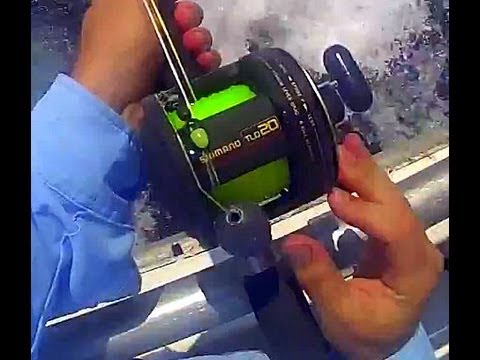
First introduced in the 1990s, Shimano’s TLD overhead reels quickly became favourite’s in the offshore fishing community for several key reasons:shimano TLD 20

  • Durability: Built to withstand heavy saltwater use

  • Easy maintenance: Simple design that’s easy to service

  • Powerful drag: Smooth, strong drag systems for big fish

  • Versatility: Great for trolling, live baiting, bottom fishing

Despite newer models hitting the market, the TLD series remains popular — especially with anglers seeking proven, dependable reels that can take abuse on long trips.


🎯 Quick Overview: TLD 20 vs TLD 25

Feature Shimano TLD 20 Shimano TLD 25
Line Capacity Mid-range braid/mono Higher capacity for heavy lines
Drag Strength Strong for most offshore species Stronger — suited to larger targets
Retrieve Speed Efficient & smooth Slightly higher capacity & power
Best For General offshore, trolling & bottom fishing Larger offshore targets & heavy tackle

🧩 Shimano TLD 20: Balanced Performance

The Shimano TLD 20 is often considered the “sweet spot” of the TLD range. It’s a favourite with anglers who want a reel capable of handling a wide variety of offshore tasks without being overly bulky.

💡 Key Features

  • Durable construction: Works well in harsh saltwater conditionsTLD 20

  • Smooth drag: Plenty of stopping power for strong mid-size fish

  • Manageable size: Less weight than larger reels, easier for repeated casting/trolling

  • Easy service: Shimano’s design makes field maintenance straightforward

🎣 What It’s Best For

  • Trolling for tuna, Spanish mackerel, and mahi mahi

  • Bottom fishing for snapper, pearl perch, and reef species

  • Light to medium-heavy offshore use

  • Anglers who want power without oversized gear

📌 Why Anglers Like the TLD 20

The balance between size and strength makes the TLD 20 incredibly versatile. It’s a reel that doesn’t overwhelm lighter rods but still offers enough muscle to turn back strong fish.


🦾 Shimano TLD 25: Power and Line Capacity

Stepping up in size, the Shimano TLD 25 is built for anglers who regularly target larger, harder-pulling offshore species. It shares the same rugged DNA as the TLD 20 but comes with larger line capacity and more drag muscle.

💪 Key Features

  • Increased line capacity: Great for braid and heavy mono

  • Stronger drag system: Handles bigger fish with authority

  • Solid construction: Ideal for long days on the water

  • Reliable retrieve: Smooth and steady under load

🎣 What It’s Best For

  • Big tuna, wahoo, cobia, and marlin teaser work

  • Heavy live bait fishing

  • Offshore trips targeting larger pelagics

  • Anglers who prefer extra line and drag power

📌 Why Choose the TLD 25

When you know your target species will fight hard and dive deep, the TLD 25 offers peace of mind. Its capacity and strength allow you to fish heavier lines without compromising smooth drag performance.


🆚 Head-to-Head: TLD 20 vs TLD 25

Here’s a closer comparison to help guide your choice:

📊 Size & Capacity

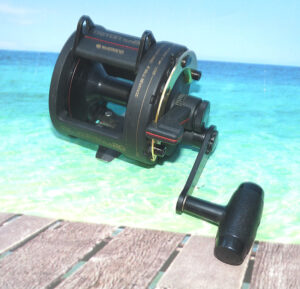
  • TLD 20: Mid-sized — excellent for a general offshore reelShimano TLD 25

  • TLD 25: Larger — more line storage and strength for bigger fish

🐟 Target Species

  • TLD 20: Tuna, mahi mahi, snapper, reef fish, Spanish mackerel

  • TLD 25: Tuna, wahoo, cobia, bigger pelagics

🧰 Ease of Use

  • Both reels are serviceable and easy to maintain, thanks to Shimano’s straightforward design.

  • The TLD 25’s larger size may require more physical control under load, especially on lighter rods.

💸 Value for Money

Both reels often appear on the used market for attractive prices — and you can find good examples that outperform many modern offshore reels in durability.


⚙️ Tips for Using TLD Reels Offshore

To get the most out of your TLD reel:

✔ Rig It Right

Match your reel to the rod and line. A TLD 20 combined with a 30–50lb outfit handles most offshore reef and pelagic work, while the TLD 25 shines with 50–80lb braid and heavy live bait setups.

✔ Maintain It

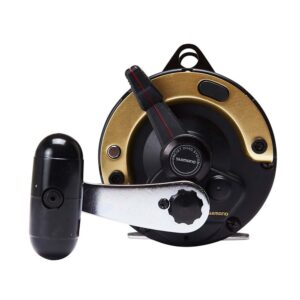
After every saltwater session:Shimano TLD schematic

  • Flush with fresh water

  • Lightly grease moving parts

  • Inspect drag washers
    These steps greatly extend reel life.

✔ Tune the Drag

Set your drag before fishing. For heavier fish, start firm but let the fish test the drag. Smooth drag engagement is one of the TLD series’ strengths.


🐟 Best Fishing Styles for TLD Reels

🎣 Trolling

Smooth retrieve and strong drag make these reels perfect for trolling lures or baits for tuna, wahoo, and mahi mahi.

🦐 Bottom Fishing

Their power and line capacity shine when dropping bait to structure for snapper, pearl perch, teraglin, and tuskfish.

🎯 Live Baiting

When using live bait under balloons or deep, the reels’ drag and line capacity help manage powerful, sudden runs.


🏆 Why Anglers Still Love the Shimano TLD Series

Even with modern reels boasting digital drag and carbon components, the Shimano TLD 20 and TLD 25 remain relevant because of:

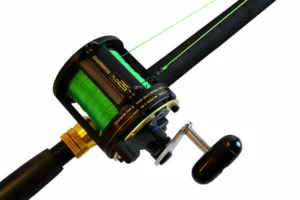
  • Simple, robust designModified shimano TLD 20

  • Ease of service and long-term reliability

  • Consistent performance on big fish

  • Affordability on the used market

They’re the kind of reels that build confidence — especially if you’re heading offshore and can’t afford surprises.


🧠 Final Thoughts

Whether you choose the Shimano TLD 20 for its balance and versatility or the Shimano TLD 25 for its muscle and line capacity, you’re picking from a reel lineage trusted by generations of offshore anglers.

These reels excel when the bite gets serious — and when the fight is on.

If you’re building or upgrading your offshore fishing arsenal, giving the TLD series a serious look might just give you the edge you’re fishing for 🎣

The Art of Sashimi: Simple Techniques for Perfect Raw Fish

Eating Your Catch

How to Prepare Sashimi at Home: Fresh Fish, Simple Techniques & Perfect Pairings 🍣

Few dishes celebrate seafood quite like sashimi. Clean, simple, and beautifully presented, sashimi is all about respecting the fish — letting freshness, texture, and natural flavour take centre stage. While it may look intimidating, preparing sashimi at home is surprisingly achievable with the right fish, tools, andsashimi approach.

Whether you’ve caught your own fish or sourced premium seafood from a trusted supplier, this guide walks you through everything you need to know: choosing the right fish, safe preparation, slicing techniques, classic condiments, and creative sashimi recipes.


What Is Sashimi?

Sashimi is thinly sliced raw fish or seafood, traditionally served without rice. Unlike sushi, which often includes seasoned rice, sashimi focuses entirely on the quality, cut, and flavour of the seafood itself.

Because sashimi is eaten raw, freshness and handling are absolutely critical — there’s nowhere to hide.


Choosing the Right Fish for Sashimi 🐟

Not all fish are suitable for sashimi. Species with firm flesh and clean flavour work best.

Popular Sashimi Fish

  • Tuna (yellowfin, bluefin)sashimi kingfish

  • Kingfish

  • Salmon (sashimi-grade)

  • Snapper

  • Mackerel (cured first)

  • Wahoo

  • Scallops

  • Prawns (very fresh, properly prepared)

If you’ve caught your own fish, ice it immediately, bleed it properly, and keep it cold until preparation.


Food Safety & Handling Essentials ⚠️

Because sashimi is eaten raw, proper handling is essential.

Key Safety Tips

  • Use only extremely fresh fish

  • Keep fish chilled at all times

  • Clean knives and surfaces thoroughly

  • Freeze fish when required to reduce parasite risk

  • Never use fish that smells “fishy”

Many home cooks freeze fish at -20°C for at least 24–48 hours before sashimi preparation, depending on species.


Tools You’ll Need 🔪

Good tools make a big difference.

Essentials

  • Very sharp knife (yanagiba or long slicing knife)

  • Clean chopping board

  • Tweezers for pin bones

  • Paper towel

  • Clean cloth

A sharp knife is critical — tearing the flesh ruins texture and presentation.


Preparing the Fish for Sashimi

Step 1: Fillet Carefully

Remove the skin cleanly and trim away bloodlines and dark meat, which can have a stronger flavour.sashimi

Step 2: Remove Pin Bones

Run your fingers along the fillet and remove any pin bones with tweezers.

Step 3: Chill Before Slicing

Cold fish slices more cleanly and holds its shape better.


How to Slice Sashimi Like a Pro ✨

Slicing is where sashimi is made or broken.

Basic Slicing Rules

  • Slice against the grain

  • Use long, smooth strokes

  • Avoid sawing motions

  • Aim for even thickness (5–7mm)

Each slice should be cut in one clean motion for the best texture.


Classic Sashimi Condiments 🥢

Condiments should enhance — not overpower — the fish.

Traditional Pairings

  • Soy sauce (light, high-quality)

  • Wasabi (fresh or good-quality paste)

  • Pickled ginger

Dip fish lightly — sashimi is about balance.


Modern Condiments & Garnishes 🌿

For a contemporary twist, try:

  • Ponzu sauce

  • Yuzu kosho

  • Sesame oil (a few drops only)

  • Chili oil or chili crisp

  • Micro herbs

  • Shaved radish or cucumber

A little goes a long way.


Simple Sashimi Recipes to Try at Home 🍽️

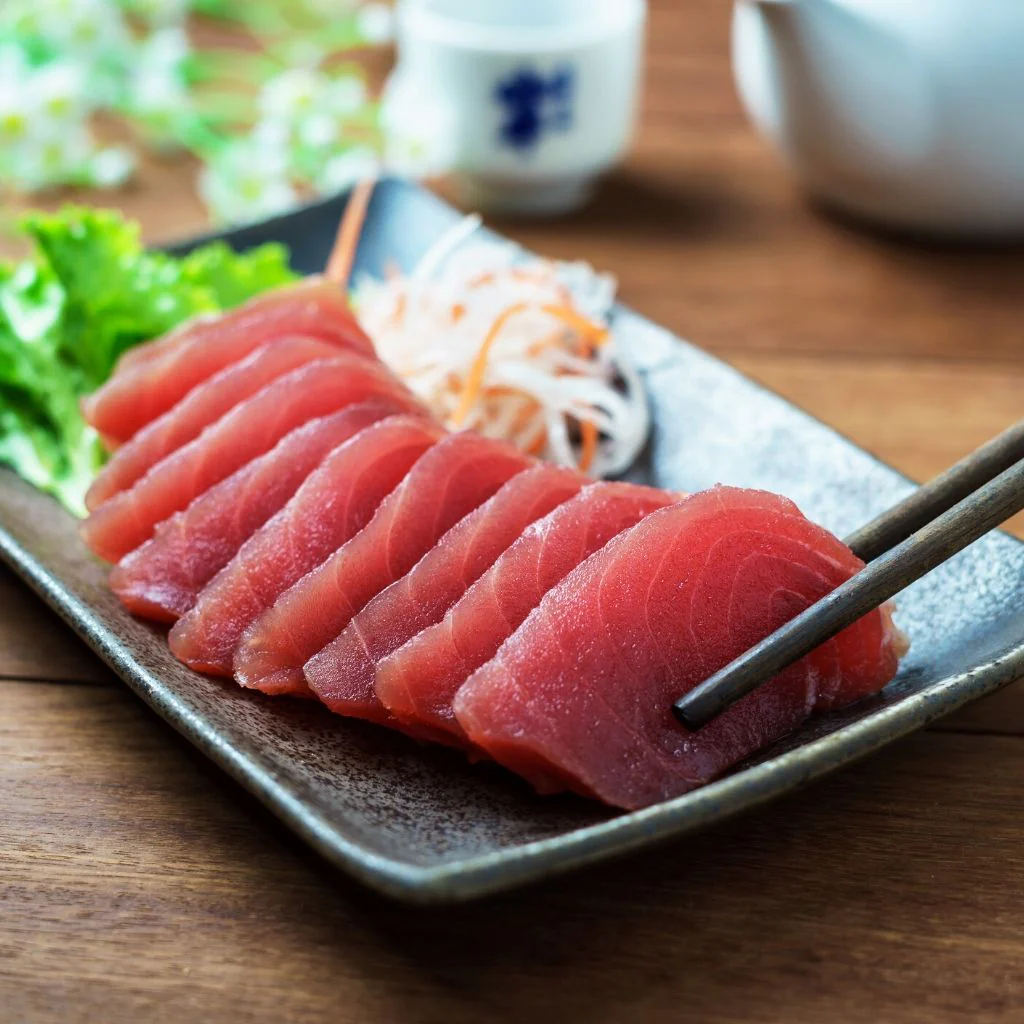
Classic Tuna Sashimi

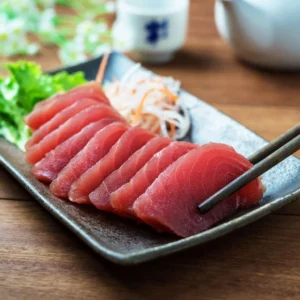
Serve sliced tuna with soy sauce, wasabi, and pickled ginger.

Kingfish with Ponzu

Thinly sliced kingfish drizzled with ponzu, topped with spring onion and sesame seeds.

Snapper with Citrus & Olive Oil

Snapper slices with a squeeze of lemon or yuzu and a drizzle of extra virgin olive oil.

Wahoo Sashimi

Fresh wahoo with soy, wasabi, and a touch of chili oil — clean, firm, and delicious.


Plating & Presentation 🎨

Sashimi is as much visual as it is culinary.Sashimi tuna

Plating Tips

  • Use simple plates

  • Arrange slices in clean lines or fans

  • Add colour with garnish sparingly

  • Leave space on the plate

Less is more.


Best Drinks to Serve with Sashimi 🍶

  • Cold sake

  • Dry white wine

  • Japanese beer

  • Sparkling water

Avoid heavy or overly sweet drinks.


Common Mistakes to Avoid ❌

  • Using dull knives

  • Cutting warm fish

  • Over-seasoning

  • Poor hygiene

  • Rushing the process

Take your time — sashimi rewards care.


Final Thoughts

Preparing sashimi at home is about simplicity, respect, and quality. With the freshest fish, sharp tools, and restrained flavours, you can create restaurant-quality sashimi that highlights the natural beauty of seafood.

Whether you’re slicing tuna, kingfish, or your own freshly caught fish, sashimi is one of the purest ways to enjoy the ocean’s finest flavours 🍣✨

Deep Sea Fishing Techniques & Rigs Used Off the Gold Coast

Fishing Techniques

Deep Sea Fishing Techniques and Rigs Used Off the Gold Coast

The Gold Coast is one of Australia’s premier deep sea fishing destinations, offering access to productiveA cobia caught while deep sea fishing off the gold coast offshore reefs, drop-offs, and pelagic highways just kilometres from shore. Success offshore isn’t just about good weather and luck — it comes down to using the right fishing techniques and rigs for the conditions on the day.
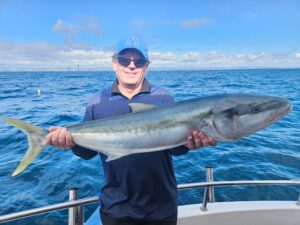
At True Blue Fishing Charters, we use a range of proven deep sea fishing methods to target reef and pelagic species throughout the year. Understanding how and when these techniques are used gives anglers a better appreciation of offshore fishing and what makes the Gold Coast such a productive fishery.

Anchoring for Reef Fishing

deep sea fishing for kingfishAnchoring is one of the most common deep sea fishing techniques used on the Gold Coast, particularly when targeting reef species such as snapper, cobia, teraglin, and kingfish. By anchoring precisely up-current of the reef, baits can be presented naturally back into the strike zone.
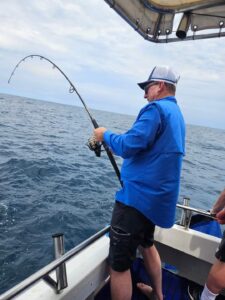
Successful anchoring requires accurate positioning, good boat handling, and reliable anchoring equipment. Once anchored, anglers can focus on fishing the structure below with minimal drift, allowing baits to stay in the target area longer.

Drifting Offshore Grounds

Drifting is another highly effective technique used during deep sea fishing charters. When fish are spreadFishing on a charter boat Gold coast over a wider area or when current makes anchoring difficult, drifting allows anglers to cover more ground.
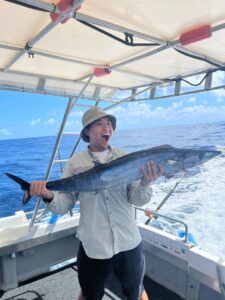
During a drift, baits or lures are worked naturally along the seabed or through the water column. Drift fishing is especially productive for snapper, amberjack, and mixed reef species, and it allows skippers to adjust speed and direction to suit conditions.

Bottom Fishing with Paternoster Rigs

Paternoster rigs are a staple of Gold Coast deep sea fishing. These rigs are ideal for fishing baits directly on or just above the bottom, making them perfect for reef species that hold close to structure.

A typical paternoster rig uses two dropper loops with sinkers at the bottom, keeping baits separated and reducing tangles. This setup is reliable, easy to use, and highly effective in deeper water where current can be strong.

Float Lining for Wary Fish

WahooFloat lining is a refined deep sea fishing technique used when fish are cautious or heavily pressured. By using minimal weight, baits sink slowly and naturally through the water column, mimicking free-falling prey.
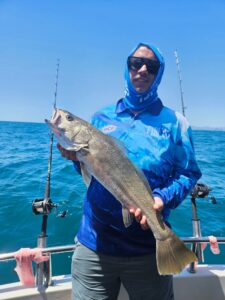
This technique is especially effective for snapper and kingfish in clearer water. Float lining requires patience and a good understanding of current and bait presentation, but when done correctly, it can produce exceptional results.

Jigging for Aggressive Species

Jigging is a high-energy deep sea fishing method that targets aggressive pelagic and reef species such asdeep sea fishing for mulloway on the gold coast kingfish, amberjack, and samson fish. Metal jigs are worked vertically through the water column with sharp lifts and drops, triggering reaction strikes.

Jigging is often used when fish are holding mid-water or when sonar shows active schools below the boat. It’s physically demanding but extremely rewarding, offering some of the hardest-fighting fish available offshore.

Trolling for Pelagic Fish

Trolling is commonly used when travelling between fishing locations or when targeting fast-moving pelagic species such as mackerel, tuna, wahoo, and mahi-mahi. Lures or rigged baits are towed behind the boat at varying speeds to cover large areas of water.

This technique is ideal for locating fish and capitalising on surface activity, bait schools, or temperature breaks offshore.

Live Baiting for Trophy Fish

Mackerel caught on the Gold coast QldLive baiting is one of the most effective deep sea fishing techniques available. By using live bait such as slimy mackerel or yellowtail, anglers present the most natural offering possible.

Live baits are commonly used on reefs or near bait schools to target larger predators including kingfish, cobia, and snapper. Proper bait handling and rigging are key to keeping live bait active and appealing.

Deep Sea Fishing with True Blue Fishing Charters

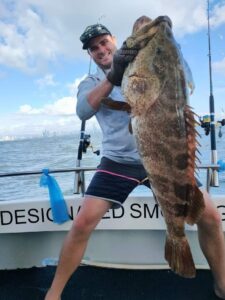
At True Blue Fishing Charters, we use a combination of these proven techniques depending onCod caught on a deep sea fishing charters conditions, target species, and the experience level of our guests. Our local knowledge of Gold Coast offshore grounds allows us to adapt our approach to maximise fishing opportunities on every trip.
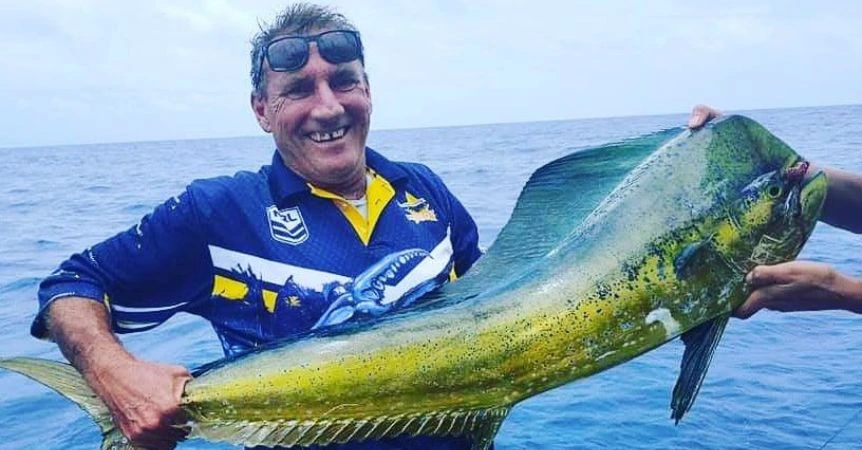
Whether you’re new to offshore fishing or an experienced angler, understanding these deep sea fishing techniques adds to the experience and highlights why the Gold Coast is such an outstanding fishing destination.

What Can You Catch on a Gold Coast Fishing Charter?

Gold Coast Fish Species

Target Species on True Blue Fishing Charters: What You Can Catch on the Gold Coast

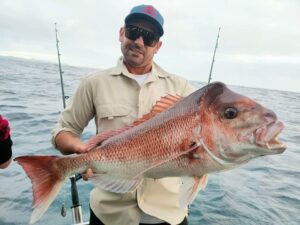
One of the biggest drawcards of fishing on the Gold Coast is variety. Thanks to warm ocean currents, close offshore reefs, and deep water only minutes from shore, the species you can catch change throughout the year. When you fish with True Blue Fishing Charters, trips are planned around these seasonalSnapper movements, giving anglers the best chance of success no matter the time of year.
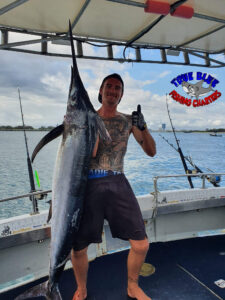
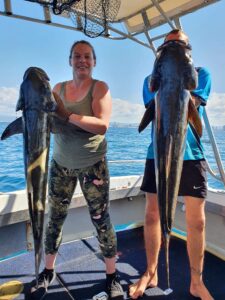
From high-speed pelagic action in summer to quality reef fishing during the cooler months, here’s a breakdown of the target species you can expect on True Blue Fishing Charters on the Gold Coast.


Warm Water Species: Spring to Early Autumn 🌞🌊

As water temperatures rise, baitfish push down the coast and pelagic predators move in close. This is when offshore fishing really comes alive, with surface strikes, long runs, and spectacular fights.

Marlin

Marlin are one of the most exciting species encountered during the warmer months. Black and stripedMarlin caught on true blue fishing charters marlin follow bait schools and current lines offshore, and while they’re not always the primary target, they’re a thrilling by-catch when trolling. A marlin hook-up is always a highlight, with explosive strikes and impressive aerial displays.


Spanish Mackerel

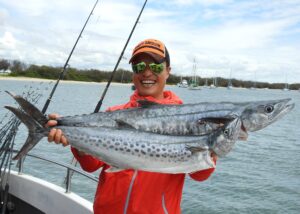
Spanish mackerel are a favourite summer target on the Gold Coast. Big, fast, and powerful, they hit hard and run fast. These fish are commonly caught trolling lures or live baits along reef edges and current lines, and they’re highly prized for their eating quality.


School Mackerel & Spotted Mackerel

School and spotted mackerel arrive in good numbers as the water warms. They provide fast-paced action on lighter tackle and are perfect for anglers of all experience levels. When feeding schools are located, the action can be non-stop.


Mahi Mahi (Dolphinfish) 🌈

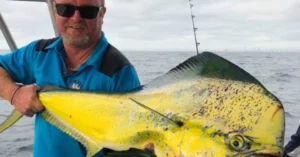
Mahi mahi are one of the most colourful and exciting species caught offshore. Found around floating debris, current lines, and structure, they’re aggressive feeders that often attack lures right at the surface. Their vibrant colours and excellent eating quality make them a crowd favourite.


Wahoo ⚡

Wahoo are among the fastest fish in the ocean and are often encountered while trolling offshore during the warmer months. Their strikes are sudden and violent, followed by blistering runs. Wahoo are also regarded as one of the best eating pelagic species available.


Cooler Water Species: Autumn to Winter ❄️🎣

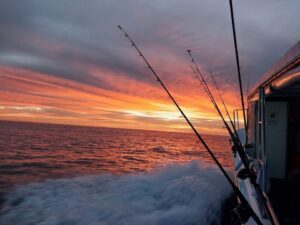
As water temperatures drop, fishing effort shifts toward reef systems and slightly deeper ground. The coolerout on the water fishing months deliver some of the Gold Coast’s most consistent fishing, especially for anglers chasing quality table fish and hard-fighting reef species.
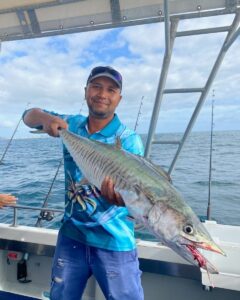

Snapper

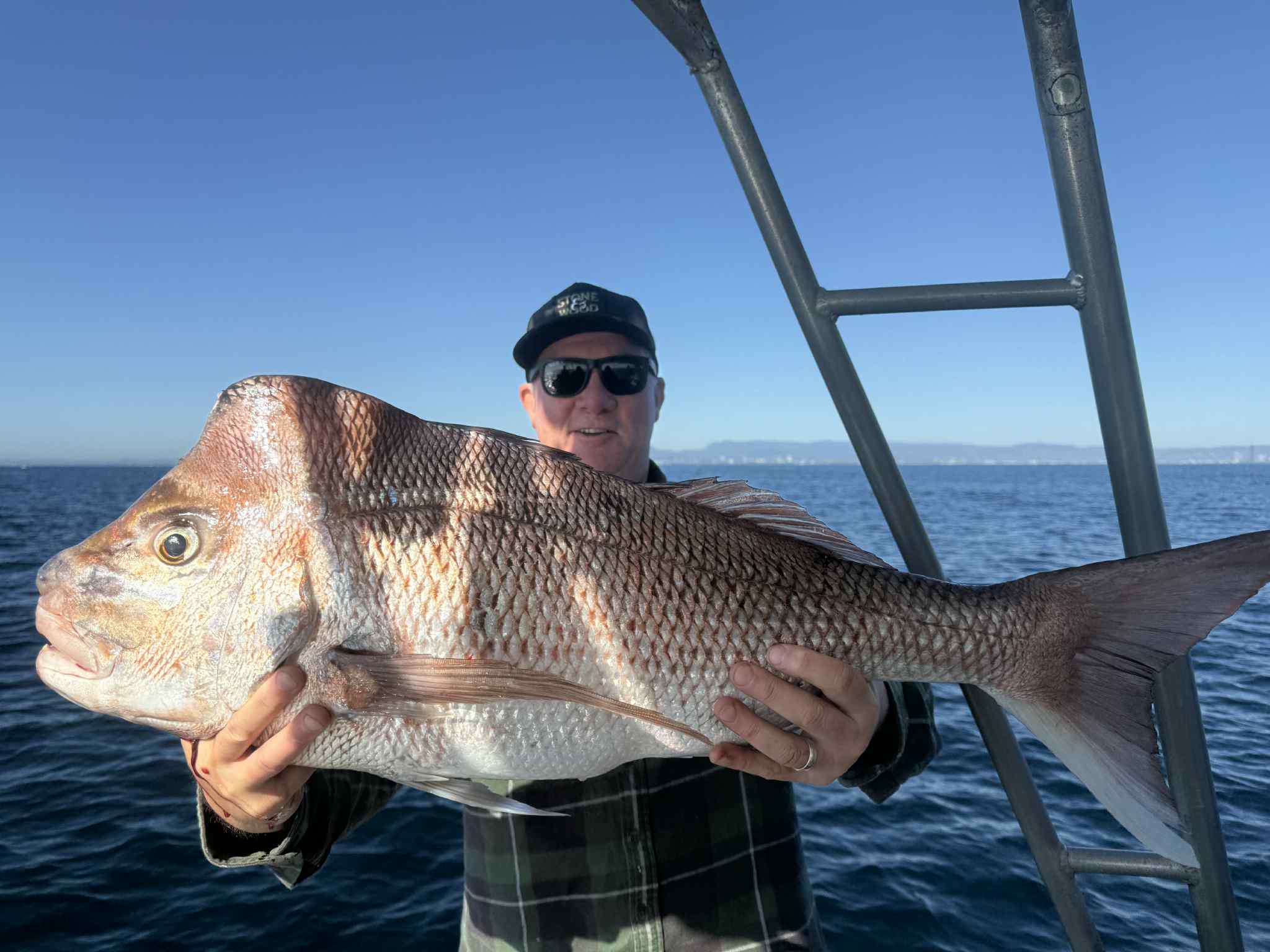
Snapper are the standout species of the cooler months. Winter sees larger snapper move onto the reefs, and they’re a key target on many trips. Snapper fishing can be technical, but landing a quality fish is always rewarding.


Teraglin (Trag Jewfish)

Teraglin are a prized cooler-month species found on deeper reefs. Known for their size and excellent eating quality, they provide strong, determined fights and are a sought-after catch during winter.


Venus Tuskfish 🦷

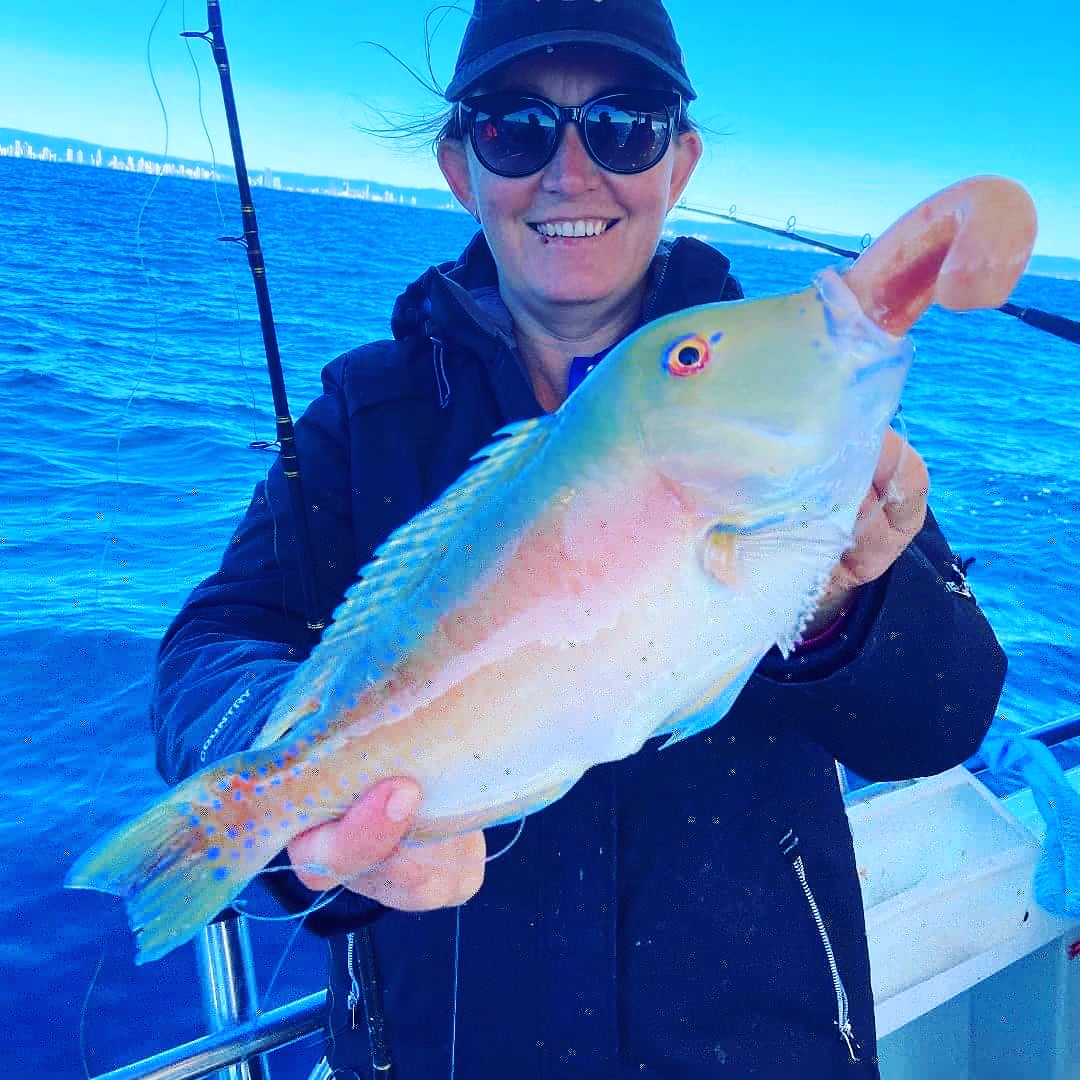
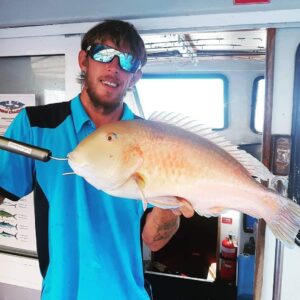
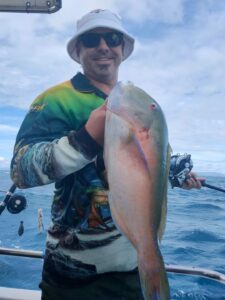
Venus tuskfish are a powerful reef species commonly encountered during the cooler months. Their bright colours and distinctive orange tusks make them instantly recognisable. Once hooked, they dive straight for cover, requiring heavy tackle and quick reactions to land successfully.


Cobia

Cobia are a welcome surprise during the cooler months and are often encountered around reef structuretrolling for mackerel and current lines. Strong, stubborn fighters, cobia test both angler and gear and are well known for their excellent eating quality. They’re a highly regarded target when conditions line up.

Tuna

Tuna species are present year-round, but cooler conditions often produce consistent action. Tuna deliver fast runs and high-energy fights, making them a favourite for anglers who enjoy active, hands-on fishing offshore.


Tailor

Tailor are aggressive feeders that often hunt in schools. When active, they provide exciting action and plenty of bites. Tailor are a fun sportfish and a popular inclusion in mixed bags during cooler months.


Flathead

Flathead are commonly targeted closer to shore and during calmer conditions in the cooler months. They’re well known for their mild flavour and are a great option for anglers who enjoy lighter tackle fishing alongside offshore trips.


Fishing the Seasons with True Blue Fishing Charters 🎣

Gold coast FishingWhat sets True Blue Fishing Charters apart is their strong focus on seasonal fishing patterns. Rather than fishing the same way year-round, trips are adjusted based on water temperature, currents, bait movement, and recent catches.

This seasonal approach means:

  • Higher catch rates

  • A wide variety of target species

  • Trips suited to beginners and experienced anglers

  • The chance to catch multiple species on a single trip

During seasonal changeovers, it’s not uncommon to land both warm- and cool-water species on the same day.


A Gold Coast Fishing Experience for Everyone

Whether you’re new to fishing, visiting the Gold Coast on holiday, or a seasoned angler chasing quality offshore action, True Blue Fishing Charters offer trips to suit all experience levels.

From summer marlin and mackerel runs to winter snapper, tuskfish, and cobia sessions, the Gold Coast delivers outstanding fishing year-round — and every season brings something different to the deck 🌊🎣


Final Thoughts

The wide range of target species available throughout the year is what makes fishing on the Gold Coast soGold coast charter boats special. With experienced local skippers, quality vessels, and a strong understanding of seasonal fish movements, True Blue Fishing Charters provide anglers with the best chance to experience everything this fishery has to offer.

No matter the season, stepping aboard a True Blue Fishing Charters trip means you’re fishing smart, fishing local, and fishing where the action is 🎣

How to Catch Venus Tuskfish: Best Baits, Rigs & Reef Tips

Reef Fishing

How to Catch Venus Tuskfish: Australia’s Colourful Reef Powerhouse 🐟

Few reef fish turn heads like the Venus tuskfish. With electric blue markings, bright orange tusks, and an attitude that far outweighs its size, this iconic Australian species has earned a reputation as one of thevenus tuskfish on ice toughest reef fish to hook — and land.
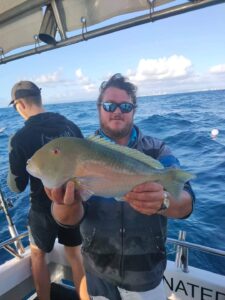
Found cruising reefs, rubble patches, and bommies, Venus tuskfish are aggressive feeders that hit hard and dive straight back into structure. For anglers who love reef fishing with purpose, they offer a perfect mix of challenge, colour, and incredible eating quality.

This guide covers everything you need to know about catching Venus tuskfish, including where to find them, the best baits and rigs, tackle choices, and how to stop them before they brick you 🧱🎣


What Is a Venus Tuskfish?

The Venus tuskfish (Choerodon venustus) is one of Australia’s most recognisable reef species. Their name comes from the prominent orange or red tusks — large canine teeth used to crush crabs, shellfish, and other hard-bodied prey.

They are thick-bodied, incredibly strong for their size, and known for their explosive power once hooked.


Where Venus Tuskfish Live 🌊

Venus tuskfish are found along Australia’s east coast, particularly through southern Queensland and northern New South Wales. They are most commonly encountered on:

  • Shallow to mid-depth reefsvenus tuskfish

  • Rubble bottom and broken ground

  • Reef edges with sand patches

  • Bommies and ledges

They often patrol the edges of structure rather than sitting deep inside it, which is key when planning your drift or anchor position.


When Is the Best Time to Catch Venus Tuskfish?

Venus tuskfish can be caught year-round, but they are generally more active in warmer water.

Best conditions include:

Stable weather patterns often produce the most consistent bites.


Understanding Tuskfish Behaviour 🧠

Venus tuskfish are ambush feeders with one simple goal when hooked: get back to the reef.

They don’t make long runs like pelagic fish. Instead, they use raw power and body weight to dive hard into structure. The first few seconds after hook-up are critical — hesitation usually means a lost fish.


Best Baits for Venus Tuskfish 🦀

Tuskfish feed heavily on crustaceans and shellfish, so natural baits are far more effective than lures.

Top baits include:

  • Crabs (reef crabs or blue swimmers)Gold coast tuskfish

  • Fresh prawns

  • Squid

  • Pilchards

  • Cuttlefish

Fresh bait makes a huge difference. Tough, fresh offerings stay on the hook longer and attract aggressive bites.


Best Rigs for Catching Venus Tuskfish 🎣

Running Sinker Rig (Go-To Setup)

A strong, simple running sinker rig keeps your bait hard on the bottom where tuskfish feed.

Recommended setup:

  • 30–50lb leader

  • 4/0–6/0 strong hook

  • Sinkers heavy enough to hold bottom

  • Minimal swivels to reduce snags

Simple, strong, and effective.


Tackle Recommendations 💪

Venus tuskfish are unforgiving, so heavier gear is essential.

Rod & Reel

  • Medium-heavy to heavy reef rod

  • High-drag spin or overhead reel

Line

  • 30–50lb braid

  • Heavy fluorocarbon leader

Light tackle might feel sporting — but it usually ends in heartbreak.


How to Fish for Venus Tuskfish

Boat Positioning Matters ⚓

Position your boat so your bait reaches the reef edge naturally. Fishing slightly up-current allows your bait to settle into feeding zones without dragging too much.

The Bite & Hook-Up

Tuskfish bites are solid and confident. When you feel weight:Tuskfish caught on a fishing charter

  1. Engage the reel

  2. Lift hard and fast

  3. Apply maximum pressure immediately

Don’t give them an inch.


Fighting and Landing Tuskfish

Once pulled clear of the reef, tuskfish fight in short, brutal bursts. Keep steady pressure and avoid slack line.

A landing net or lip gaff helps control larger fish safely.


Handling Venus Tuskfish Safely ⚠️

Those bright tusks are no joke.

  • Keep fingers away from the mouthVenus tuskfish

  • Use pliers or a dehooker

  • Support the fish properly if releasing

They’re tough fish, but they deserve careful handling.


Eating Quality 🍽️

Venus tuskfish are regarded as premium table fish.

Why anglers love them:

  • Firm, white flesh

  • Mild, slightly sweet flavour

  • Excellent grilled, pan-fried, or baked

Bleed and ice the fish immediately for the best eating results.


Responsible Fishing & Regulations

Always check local size and bag limits before targeting tuskfish. Regulations vary by region, and responsible fishing ensures healthy stocks for the future.


Final Thoughts

Catching a Venus tuskfish is a true reef-fishing achievement. Their power, colour, and stubborn refusal to give up make them one of the most rewarding reef species to target.

With fresh bait, heavy gear, and decisive hook-sets, you’ll dramatically improve your chances of stopping them before they reach cover. If you enjoy hard fights, precision fishing, and top-quality seafood, Venus tuskfish should be high on your target list 🎣🔥

How to Catch Wahoo Off the Gold Coast: Complete Fishing Guide

Game Fishing

How to Catch Wahoo Off the Gold Coast: The Ultimate Guide to One of the Ocean’s Fastest Predators

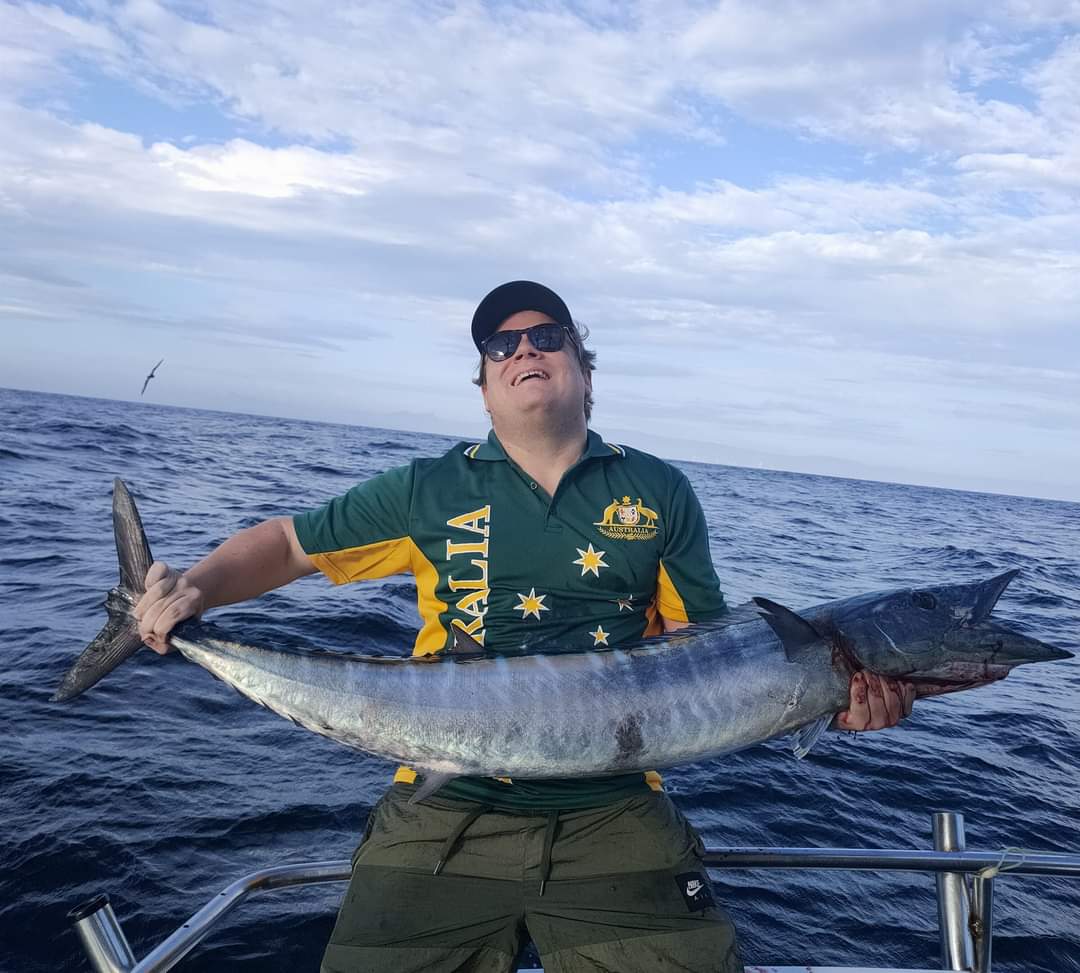
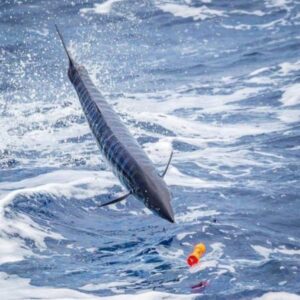
Few fish ignite the same mix of excitement, chaos, and adrenaline as a wahoo strike. Known for blistering speed, savage hits, and unstoppable first runs, wahoo are one of the most prized pelagic speciesWahoo under water encountered off the Gold Coast. For anglers who love fast-paced offshore fishing, hooking into a wahoo is an unforgettable experience — and the Gold Coast is one of Australia’s most reliable places to do it.
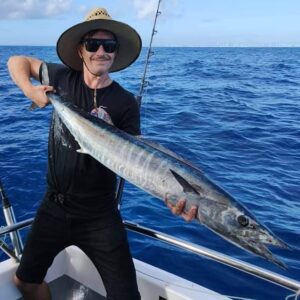
With deep water close to shore, strong currents, and an abundance of bait, Gold Coast waters regularly produce quality wahoo, especially during the warmer months. Whether you’re an experienced offshore angler or someone planning their first bluewater trip, this guide covers everything you need to know about catching wahoo off the Gold Coast — from when and where to find them, to tackle, techniques, and charter options.


What Is a Wahoo?

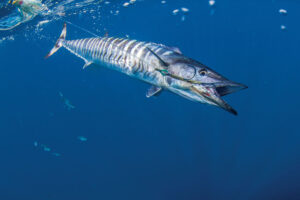
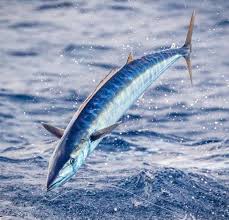
Wahoo (Acanthocybium solandri) are a member of the mackerel family and are instantly recognisable by fishing for Wahootheir long, torpedo-shaped body and striking vertical blue bars along a silver flanks. Built purely for speed, wahoo are considered one of the fastest fish in the ocean, capable of bursts exceeding 70 km/h.
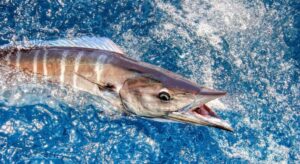
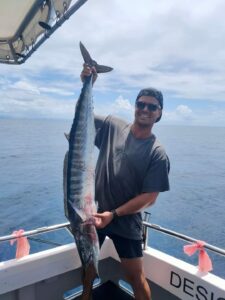
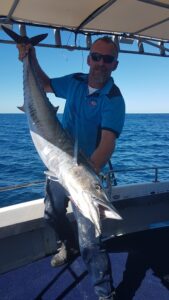
They are aggressive, highly visual predators that hunt near the surface and mid-water, often striking lures at full speed. Their razor-sharp teeth make them formidable opponents — and a nightmare for anglers who aren’t prepared.


Why the Gold Coast Is Prime Wahoo Territory

The Gold Coast’s offshore geography makes it a perfect environment for wahoo. Deep water lies close to shore, and the East Australian Current pushes warm, nutrient-rich water down the coast, carrying baitfish and pelagic predators with it.

Key reasons wahoo thrive off the Gold Coast include:

  • Close proximity of deep reefs and drop-offswahoo

  • Strong current lines and temperature breaks

  • Large schools of baitfish such as slimy mackerel and bonito

  • Consistent summer and early autumn water temperatures

This combination means wahoo are often encountered while targeting other pelagic species such as tuna, marlin, mahi mahi, and mackerel.


When Is the Best Time to Catch Wahoo on the Gold Coast?

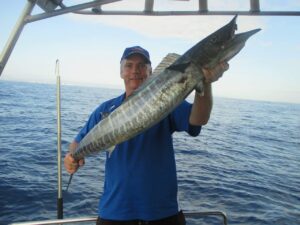
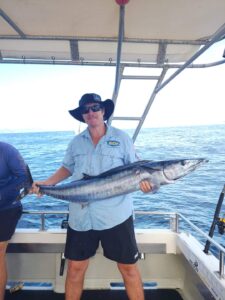
Wahoo can be caught year-round, but the peak season on the Gold Coast typically runs from late spring through summer and into early autumn.Wahoo caught on a charter boat off the Gold coast

Best Conditions

  • Water temperature: 22–26°C

  • Months: November to April

  • Weather: Calm offshore conditions with defined current lines

They are often most active during periods of strong current flow and tend to feed aggressively when bait is pushed up high in the water column.


Where to Find Wahoo Off the Gold Coast

Wahoo are a blue water species, but they are frequently encountered around structure where bait congregates.

Key Areas Include:

  • Offshore reef systems

  • Continental shelf edges

  • Seamounts and pinnacles

  • Current lines and colour changes

  • Areas with bait stacked mid-water on the sounder

Many wahoo are caught surprisingly close to shore, sometimes only a short run from the Seaway, especially when conditions line up.


How Wahoo Feed and Why It Matters

Understanding how wahoo feed is key to catching them consistently. Unlike some pelagic species that school tightly, wahoo often travel alone or in loose packs. They rely on speed and ambush rather than endurance.

WahooWahoo feed primarily on:

  • Slimy mackerel

  • Yellowtail scad (yakkas)

  • Bonito

  • Flying fish

  • Squid

They often strike at high speed from below or behind, which is why trolling is such an effective technique.


Best Techniques for Catching Wahoo

Trolling (The Number One Method)

Trolling is by far the most effective way to catch wahoo off the Gold Coast. Their aggressive nature and speed make them perfectly suited to this technique.
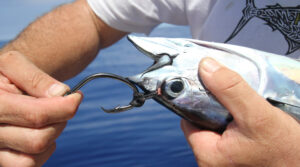
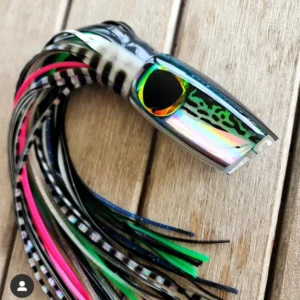
Key trolling tips:

  • Troll faster than you would for most pelagics (8–14 knots)

  • Focus on current lines and temperature breaks

  • Keep lures spread at different distances

  • Watch the sounder for bait high in the water column

A wahoo strike is unmistakable — violent, sudden, and often followed by a screaming reel.


Live Baiting

Live baiting is deadly when wahoo are feeding in a defined area.

Effective live baits include:

  • Slimy mackerel

  • YakkasTuna used as bait for sailfish

  • Bonito

Live baits are often set:

  • Under balloons

  • On downriggers

  • Slow-trolled along reef edges

Be prepared — wahoo often hit live baits hard and fast.


Best Lures for Wahoo

Wahoo are not shy. In fact, flashy, high-speed lures often work best.

Popular Wahoo Lures:

  • High-speed skirted trolling lures

  • Metal jet heads

  • Bibless minnowsLures for sailfish

  • Deep-diving hardbodies

Colours that consistently perform well include:

  • Purple and black

  • Blue and silver

  • Pink and white

  • Natural baitfish patterns


Tackle and Gear Recommendations

Because of their speed and teeth, wahoo demand robust gear.

Rods and Reels

  • 15–24kg trolling outfits

  • Overhead reels preferred for line capacity

  • High-speed reels for line recovery

Line and Leaders

  • 24–37kg mono or braid

  • Heavy fluorocarbon or mono leader

  • Wire traces are essential to prevent bite-offs

Skipping wire is the fastest way to lose lures — wahoo teeth are unforgiving.


The Fight: What to Expect When Hooked Up

Wahoo fights are explosive rather than drawn-out. Expect:

  • An initial blistering run

  • Violent head shakes

  • Sudden direction changes

Good boat handling is crucial. Chasing the fish early can prevent being spooled, especially on lighter tackle.


Handling Wahoo Safely

Once landed, caution is critical.

  • Wahoo have extremely sharp teeth

  • They remain dangerous even on deck

  • Always control the head first

  • Use gloves and long-handled tools

Never put hands near the mouth until the fish is fully subdued.


Eating Quality: Why Wahoo Are So Highly Regarded

Wahoo are considered one of the best eating pelagic fish.

Table Qualities:

  • Firm, white flesh

  • Mild flavour

  • Excellent for grilling, sashimi, smoking, or ceviche

Proper bleeding and icing immediately after capture dramatically improves eating quality.


Don’t Have a Boat? Use a Gold Coast Fishing Charter

If you don’t have your own offshore-capable boat, fishing charters are the safest and most effective way to target wahoo off the Gold Coast.

Why Choose a Charter?

  • Access to proven fishing grounds

  • Experienced skippers who follow bait and current

  • Quality tackle and lures provided

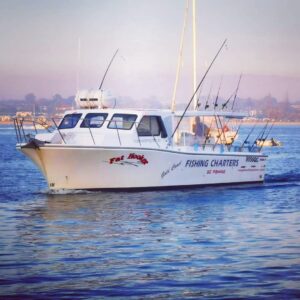
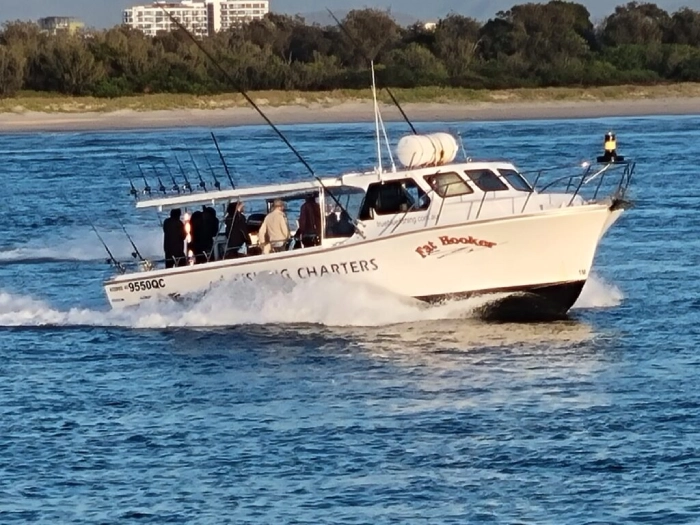
  • No need to worry about weather or navigationfishing charter boat

One of the most respected operators in the region is True Blue Fishing Charters. With decades of experience fishing Gold Coast waters, their skippers regularly encounter wahoo while targeting tuna, marlin, mahi mahi, and mackerel.

True Blue Fishing Charters offer:

  • Half-day and full-day offshore trips

  • Shared and private charters

  • All gear, bait, and tackle included

  • Fish cleaned and bagged after the trip

If wahoo are active, experienced charter crews know how to capitalise on the opportunity when it arises.


Tips to Increase Your Chances of Catching Wahoo

  • Watch for birds and surface activity

  • Focus on current edges and temperature changeswahoo

  • Run wire leaders at all times

  • Troll faster than usual

  • Be ready — strikes happen without warning


Final Thoughts

Catching wahoo off the Gold Coast is not about patience — it’s about preparation and speed. With the right conditions, gear, and techniques, these lightning-fast predators offer some of the most exhilarating fishing available in Australian waters.

Whether you’re trolling offshore reefs, live baiting current lines, or heading out with a professional operator like True Blue Fishing Charters, wahoo fishing on the Gold Coast delivers heart-stopping moments, unforgettable strikes, and some of the finest seafood you’ll ever eat.

If you’re chasing raw power, speed, and excitement, few fish deliver like a Gold Coast wahoo 🎣

Which Gold Coast Fishing Charter Is Right for You? A Complete Guide for Every Angler

Fishing Tours

Different Types of Fishing Charters on the Gold Coast: Which One Is Right for You?

The Gold Coast isn’t just famous for its beaches and skyline — beneath the surface lies one of Australia’s most exciting fishing destinations. Warm currents, close offshore reefs, and deep blue water just minutes from shore create ideal conditions for a wide range of fishing styles. That’s why fishing charters on the Gold Coast cater to everyone, from first-time anglers to seasoned game fishers.
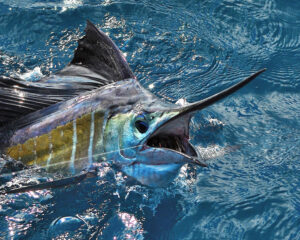
If you’re wondering which type of Gold Coast fishing charter suits you best, this guide breaks down the main options, what each offers, and how to choose the right experience for your trip.


Offshore & Deep-Sea Fishing Charters

Offshore fishing charters are the backbone of Gold Coast fishing. These trips head beyond the Seaway to reef systems and blue water grounds where action is often fast and unpredictable.

Anglers can expect to target species such as snapper, pearl perch, tuna, mackerel, mahi mahi, cobia, kingfish, and — during warmer months — marlin and sailfish. Offshore trips combine reef fishing and trolling, giving you variety and excitement in a single outing.

Well-established operators like True Blue Fishing Charters specialise in offshore fishing experiences. With decades of local knowledge, their skippers know how to read conditions, follow bait, and put anglers in the best possible position to hook quality fish.


Half-Day Fishing Charters

Half-day fishing charters are ideal for visitors short on time or anyone new to offshore fishing. These trips typically run for four to five hours and still access productive grounds close to the coast.

Fishing on a charter boat Gold coastMorning departures often target snapper, teraglin, mackerel and tuna, while afternoon trips can produce excellent mackerel and reef fishing. Half-day charters are family-friendly, cost-effective, and a great introduction to fishing on the Gold Coast.


Full-Day Fishing Charters

Full-day fishing charters offer the freedom to travel further offshore and spend more time on the water. With extra hours available, skippers can adapt to weather, currents, and fish movement throughout the day.

These trips are popular with keen anglers and groups looking to maximise their chances at larger fish. Longer trips also allow for a more relaxed pace, with time to move between reef fishing, trolling, and deeper blue water grounds.


Private Fishing Charters

Private fishing charters give you exclusive use of the boat and crew, making them one of the most flexiblefishing charter boat options available on the Gold Coast.

These trips are ideal for birthdays, corporate events, family groups, and anglers wanting a customised fishing experience. Private charters allow you to choose departure times, target species, and fishing techniques — whether that’s bottom fishing, trolling, or live baiting.

Operators such as True Blue Fishing Charters offer private charters that can be tailored to suit both beginners and experienced anglers.


Game Fishing Charters

Game fishing charters focus on high-adrenaline sport fishing. The Gold Coast is well known for seasonal Sailfishruns of marlin, sailfish, wahoo, and large tuna.
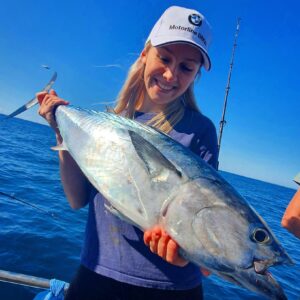
These trips usually involve trolling skirted lures or live baits along current lines, temperature breaks, and bait schools. Game fishing is physically demanding but incredibly rewarding, often featuring explosive surface strikes and spectacular aerial displays.


Estuary & Inshore Fishing Charters

Not all fishing on the Gold Coast happens offshore. Estuary and inshore fishing charters operate in the Broadwater, Nerang River, and surrounding waterways, offering calm conditions and consistent fishing.

Target species commonly include bream, flathead, whiting, trevally, and mangrove jack. These trips are perfect for families, beginners, or anyone who prefers sheltered waters without the open-ocean swell.


Shared vs Private Fishing Charters

Shared charters are a popular option for solo travellers or couples. You fish alongside other guests, making the trip more affordable while still enjoying a full offshore experience.

Private charters offer exclusivity and flexibility, making them ideal for groups or anglers wanting aTuna fishing charters personalised approach.

Many Gold Coast operators, including True Blue Fishing Charters, offer both shared and private options.


What’s Included on Gold Coast Fishing Charters

Most reputable fishing charters on the Gold Coast include:

  • Rods, reels, bait, and tackle

  • Experienced skipper and deck crew

  • Bottled water

  • Safety equipment

  • Cleaning and bagging of legal fish

All you usually need to bring is food, drinks, sun protection, and your camera.


How to Choose the Right Gold Coast Fishing Charter

When selecting a fishing charter, consider:

  • Your experience levelEarly morning fishing charter

  • How much time you have

  • Whether you want a shared or private trip

  • Target species and season

Choosing an established local operator with strong reviews and proven experience greatly improves your chances of a memorable day on the water.


Final Thoughts

Fishing charters on the Gold Coast offer something for everyone — from relaxed half-day reef trips to full-day offshore adventures and high-energy game fishing. With easy access to productive waters and Mackerel fishing charterexperienced local operators like True Blue Fishing Charters, it’s one of the best places in Australia to fish.

Whether you’re visiting the Gold Coast or a local wanting to explore offshore grounds, a fishing charter is an unforgettable way to experience this world-class fishery 🎣

Leatherjackets on Gold Coast Reefs: What Anglers Need to Know

Leatherjackets: The Tough Reef Fish Every Gold Coast Angler Knows

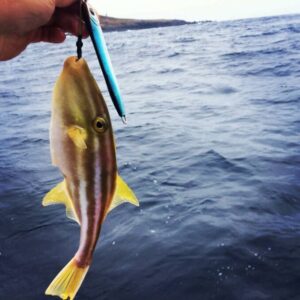
If you’ve spent any time fishing the reefs off the Gold Coast, chances are you’ve crossed paths with a leatherjacket. One minute your bait is drifting perfectly near the bottom, the next it comes back clean — noleatherjacket hook, no bite mark, just gone. That’s often the calling card of this tough, clever reef fish.

Love them or hate them, leatherjackets are a constant presence on Gold Coast reefs, and understanding how to catch, handle, and prepare them can turn frustration into a productive day on the water.


What Are Leatherjackets?

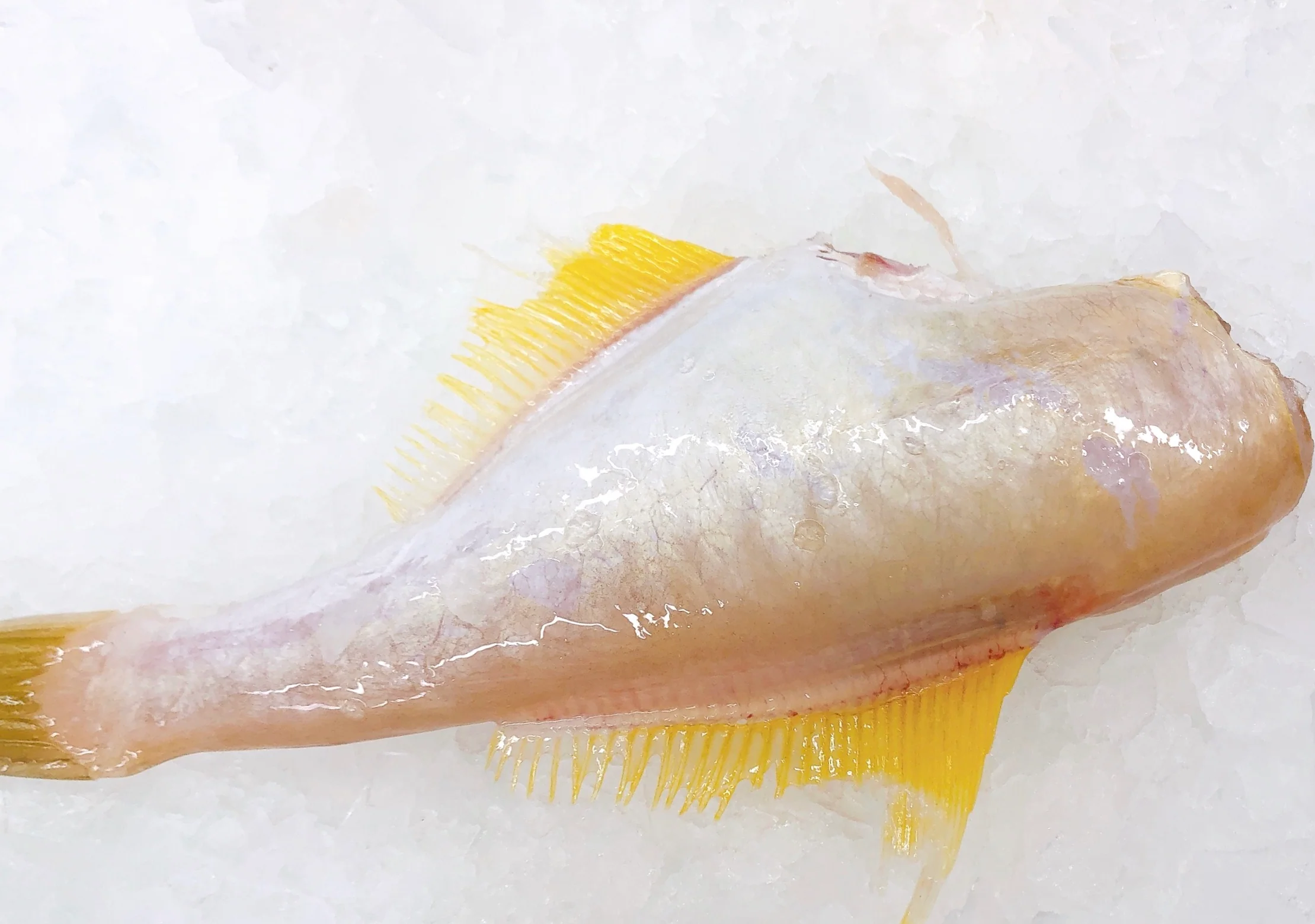
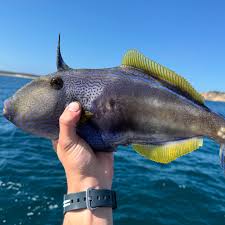
Leatherjackets are part of the filefish and triggerfish families, named for their thick, leathery skin instead of traditional scales. This armour-like skin offers protection from predators and makes them surprisingly resilient.

They’re easily recognised by:

  • Rough, sandpaper-like skin

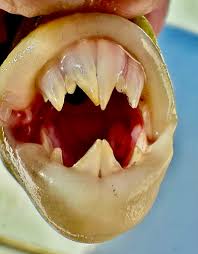
  • Strong, sharp teeth

  • A prominent dorsal spine that can lock upright

While they don’t fight hard, they’re extremely efficient bait thieves and well adapted to reef environments.


Leatherjackets on Gold Coast Reefs

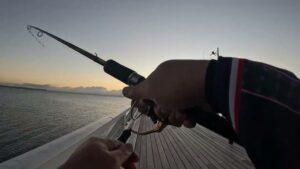
leatherjacket caught on a jigLeatherjackets are extremely common throughout Gold Coast reef systems, particularly offshore from the Gold Coast Seaway and along surrounding rubble grounds. They’re frequently encountered while bottom fishing for snapper, pearl perch, and other reef species.
🎯 Where Gold Coast Anglers Find Them

  • Offshore reefs east of The Gold Coast Seaway

  • Rubble patches and broken reef

  • Wrecks and isolated bommies

  • Inshore reefs, especially during cooler months

They prefer structure-rich areas with current, where they sit tight to cover and dart out to pick off baits. Many Gold Coast anglers first realise leatherjackets are around when hooks return bare or lines are cleanly snipped mid-drop.


Why Leatherjackets Divide Anglers

Leatherjackets inspire mixed feelings — and for good reason.

👍 Why Anglers Appreciate Them

  • They bite reliably, even during slow fishing periodsleatherjacket fishing

  • Fun to catch on light tackle

  • Excellent eating once prepared properly

😅 Why They Cause Frustration

  • Sharp teeth easily cut mono and braid

  • Constant nibbling destroys soft baits

  • Can dominate reef spots when abundant

On tough days, though, leatherjackets can save a trip by providing steady action.


How to Catch Leatherjackets

Catching leatherjackets isn’t complicated, but small adjustments make a big difference.

🎣 Best Baits

  • Squid strips

  • Prawns

  • Pilchards

  • Tough cut fish

Fresh, firm baits last longer, as leatherjackets tend to peck and pick rather than strike aggressively.


🧰 Tackle & Rig Setup

  • Light to medium rods

  • Small, strong hooks

  • Short wire trace or heavy fluorocarbon leader

  • Minimal sinker weight to keep baits close to structure

When leatherjackets are thick on Gold Coast reefs, wire traces often turn constant bite-offs into consistent hookups.


When Leatherjackets Bite Best

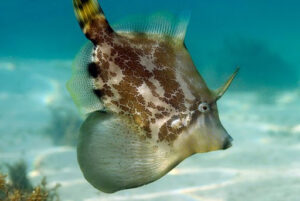
leatherjacket cruising a gold coast reefLeatherjackets can be caught year-round on the Gold Coast, but they often become more noticeable during cooler months when other species slow down.
⏰ Ideal Conditions

  • Light to moderate current

  • Calm seas

  • Fishing tight to reef edges and rubble

They’re opportunistic feeders and will bite throughout the day.


Handling Leatherjackets Safely

Leatherjackets aren’t venomous, but they do require care.

⚠️ Safety Tips

  • Beware of the locking dorsal spine

  • Avoid grabbing the fish near the head

  • Use pliers or a de-hooker

  • Gloves are recommended

Before handling, gently press the dorsal spine down to prevent it from locking upright.


Are Leatherjackets Good to Eat?

Yes — and many anglers are surprised by just how good they are.

🍽️ Eating Qualities

  • Firm, white flesh

  • Mild, slightly sweet flavour

  • Holds together well when cooked

Because of their thick skin, leatherjackets are usually skinned rather than scaled. Once prepared, they rival many popular reef fish.


Common Leatherjacket Species on the Gold Coast

Gold Coast anglers commonly encounter:fan bellied leatherjacket

  • Yellowtail leatherjacket

  • Fanbelly leatherjacket

  • Six-spined leatherjacket

  • Triggerfish (closely related)

All share similar feeding habits, handling considerations, and eating qualities.


Interesting Leatherjacket Facts

  • Their teeth grow continuously

  • Some species can slightly change colour

  • They use their dorsal spine to wedge into crevices

  • Often travel in schools over reefs


Why Leatherjackets Deserve Respect

Gold coast leatherjackets teethLeatherjackets play an important role in reef ecosystems, feeding on invertebrates and helping maintain balance. For anglers, they’re a reminder that adapting tactics to conditions is part of successful reef fishing.

On the Gold Coast, learning to fish around leatherjackets — rather than fighting them — can turn a slow reef session into a rewarding one.


Final Thoughts

Whether you see them as pests or prize catches, leatherjackets are an unavoidable part of Gold Coast reef fishing. With the right gear, careful handling, and proper preparation, they transform from nuisance into one of the coast’s most underrated table fish.

Next time your bait disappears without a trace, don’t curse the reef — there’s a good chance a leatherjacket is doing exactly what it does best.

True blue fishing charters