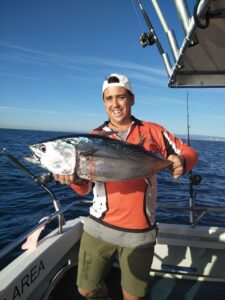
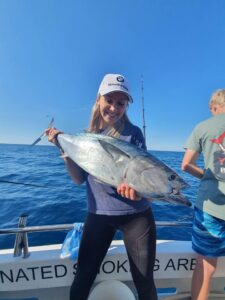
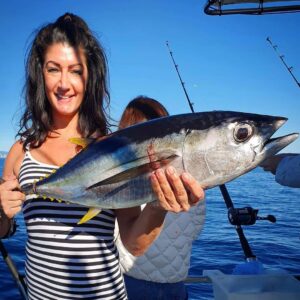
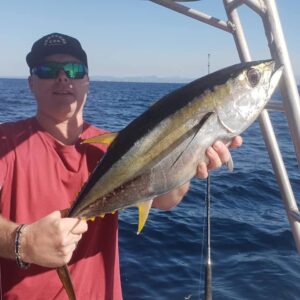
Gold Coast Mackerel Fishing | Spanish, Spotted & School Mackerel Tips

Pelagic Species

Gold Coast Mackerel Fishing – Tips, Tackle, Bait & Techniques 🎣

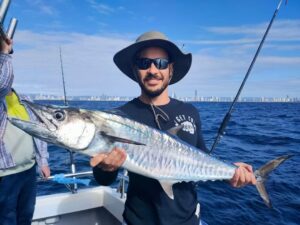
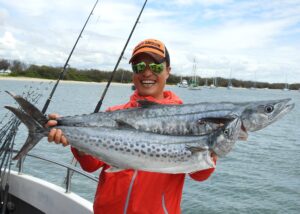
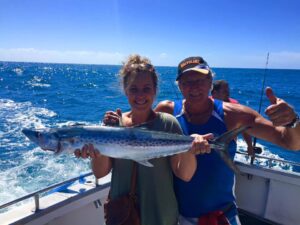
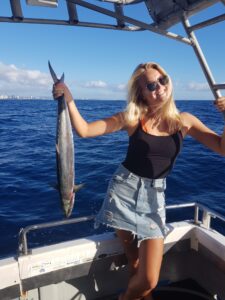
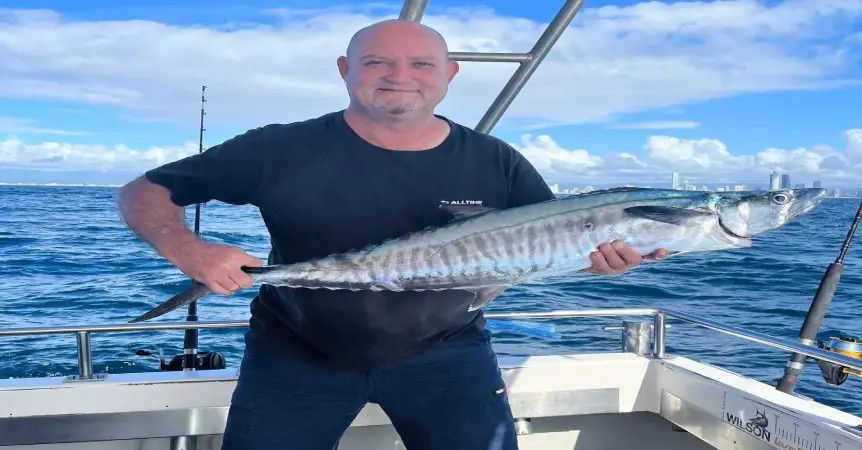
Gold Coast mackerel fishing is a thrilling offshore experience for anglers seeking fast, hard-fighting pelagicspanish mackerel fish. Mackerel are among the ocean’s fastest species, known for razor-sharp teeth and blistering high-speed runs. They provide both adrenaline-packed sport and excellent eating quality, making them a top target for South East Queensland anglers.

Common species found off the Gold Coast include:

Peak fishing season runs from January to May, with Spaniards commonly reaching 20kg and occasional giants topping 30kg. Spotties and schoolies typically grow to 12kg, providing plenty of action for offshore anglers.


Gold Coast Mackerel Habitat

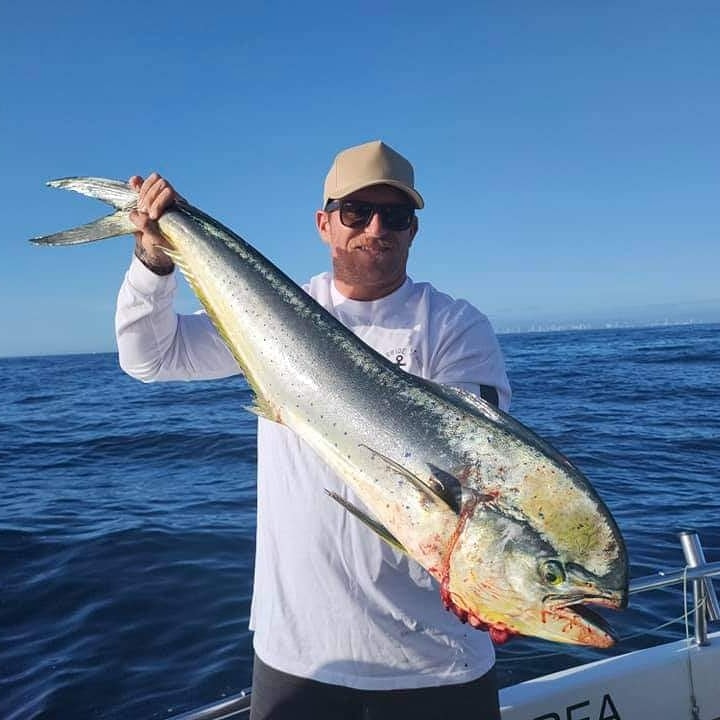
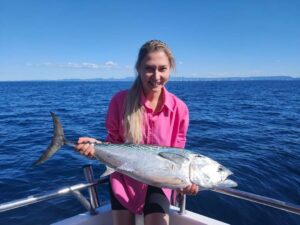
mackerel fishing Gold coastMackerel are structure-oriented hunters that congregate where bait is abundant. Key habitats include:

  • Shallow reefs with pinnacles or drop-offs

  • Areas with bait schools such as yellowtail scad, slimy mackerel, and pilchards

  • Current lines where warm and cool water meet

Productive reefs include the close patches off Mermaid Beach and Palm Beach, while deeper water around 18–24 fathoms east of Surfers Paradise can also hold big fish.


Mackerel Tackle Recommendations

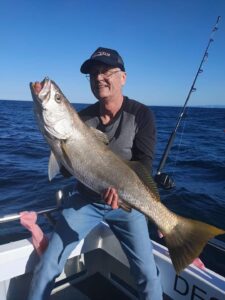
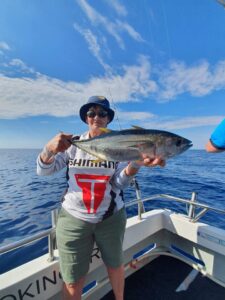
Once hooked, mackerel will tear off like a speeding bull, so robust tackle is essential:spotted mackerel

  • Rod: Medium-heavy offshore rod, matched to overhead or large threadline reel

  • Mainline: 10–15kg braid is sufficient for most sizes

  • Wire trace: 6–12 inches to prevent bite-offs, attached to ~1200mm of strong leader

  • Hooks: 5/0–9/0 single hooks, gang hooks for baits

  • Lures: Hard bodies like Rapala Magnums, Halco Laser Pros, chrome slices, and skirted lures

After the initial high-speed run, mackerel often make a few shorter bursts in lower gear, signaling the fight’s progression. Gentle, steady pressure will eventually allow you to bring the fish alongside the boat.

Safety tip: Mackerel have razor-sharp teeth. Always handle with care and dispatch quickly before placing on ice.


Bait and Burley for Gold Coast Mackerel

Mackerel respond well to a variety of baits, especially those prevalent locally at the time:

  • Live bait: Yellowtail scad or slimy mackerel, set below a balloon in a healthy burley trail

  • Dead bait: Lightly weighted floating pilchards

  • Burley: Finely ground fish flesh maintains a constant trail without overfeeding or attracting sharks

A continuous burley trail increases the chances of attracting large Spanish mackerel, while keeping baits natural in appearance improves hook-up rates.


Mackerel Fishing Methods

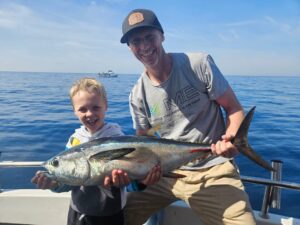
Spotted Mackerel caught on the gold coastLocating mackerel is key. Keep a close eye on:

  • Depth sounders for bait balls

  • Pinnacles, reefs, and drop-offs

  • Current lines where water temperatures change

Effective fishing techniques include:

  • Trolling lures behind the boat

  • Spinning metal lures at structure edges

  • Live and dead baiting with pilchards, slimies, or yakkas

  • Float fishing baits along a burley trail for natural presentation

Mackerel have excellent eyesight and can be wary of boats, so maintaining a distance and setting baits well behind the vessel is crucial for success.


Gold Coast Mackerel Fishing Charters

If you don’t own a boat or want the best chance of landing big mackerel, True Blue Gold Coast fishingCorporate team enjoying a private Gold Coast fishing charter with True Blue Fishing charters provide access to the best offshore grounds. Expert skippers know where to find schooling mackerel, which tackle and baits work best, and how to safely handle these powerful predators.

Charters are ideal for beginners and experienced anglers alike, offering a safe, fun, and productive offshore fishing experience.

Teraglin Fishing Gold Coast | True Blue Fishing Charters

Reef Fishing

Teraglin Fishing on the Gold Coast – Catch Trag Jewfish with True Blue Fishing Charters 🎣

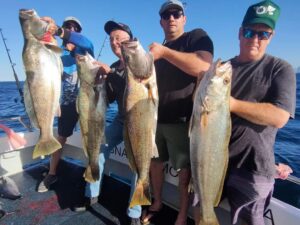
Teraglin fishing on the Gold Coast is a thrilling offshore adventure for anglers of all skill levels. KnownTeraglin locally as trag, trag jewfish, or simply teraglin, these fish are often confused with their larger cousin, the mulloway (jewfish), but are abundant on South East Queensland reefs.

For those looking for a productive day on the water, True Blue Fishing Charters specialise in offshore trips targeting teraglin and many other species, providing local knowledge, top-quality tackle, and access to the Gold Coast’s most productive reefs.


What Is a Teraglin?

Teraglin (Atractoscion aequidens) resemble mulloway but can be distinguished by their forked tail and slightly smaller size. While they don’t reach the massive proportions of mulloway, teraglin up to 70cm are not uncommon, and the Australian record sits at 9kg, making them a rewarding catch.

They are a schooling species found over reef and rubble ground in 30–75 metres of water. These mid-sized offshore predators are perfect for anglers targeting tasty table fish that fight well on light to medium tackle.


Where to Find Teraglin on the Gold Coast

Teraglin are structure-oriented and can be located over:

  • Reef edges and pinnacles

  • Gravel patches and broken reef

  • Drop-offs and rubble ground

True Blue Fishing Charters know these spots intimately. Their experienced skippers use sounders, GPS, and local knowledge to consistently locate productive teraglin grounds, saving you hours of searching and increasing your chances of a successful catch.


Best Baits for Teraglin Fishing

Teraglin fishingTeraglin respond well to both live and dead baits, and fresh bait is always preferable. Effective options include:

  • Live yellowtail scad (smaller sizes work best)

  • Mullet fillets

  • Pilchards

  • Squid

  • Prawns

  • Other fresh flesh baits

Live yellowtail are especially effective and often result in consistent catches of larger fish. On a True Blue Fishing Charter, your guide will help select and prepare baits for maximum effectiveness.


Rigs and Tackle for Teraglin

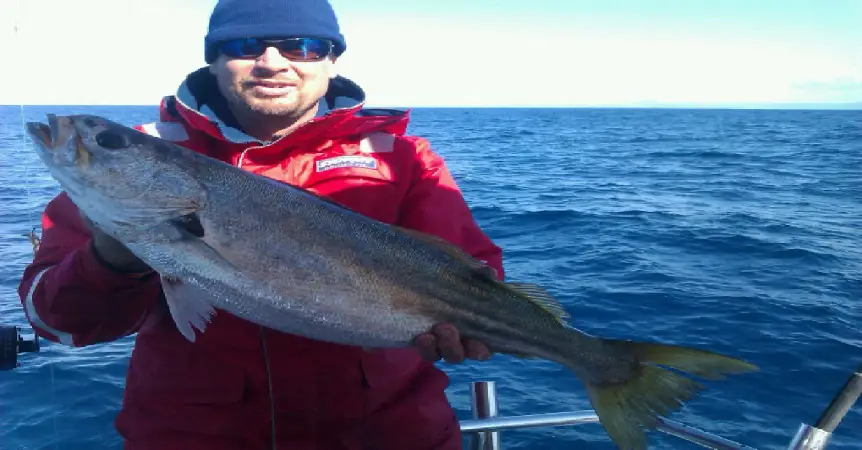
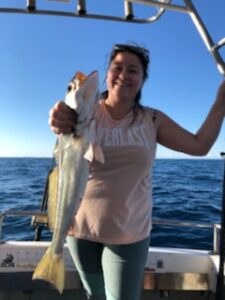
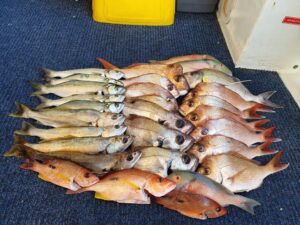
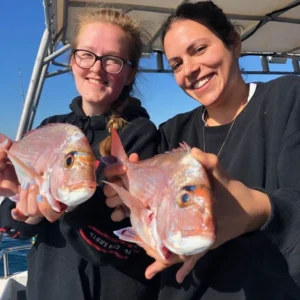
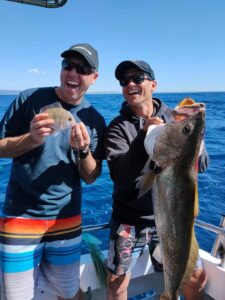
Teraglin bite very softly, so sensitive tackle is key. Baits should be fished close to the bottom using aTeraglin and other fish caught on True blue fishing charters paternoster rig or a floater rig.

Recommended Tackle:

  • Medium offshore rod with a sensitive tip

  • Threadline, overhead, or small spinning reel

  • 4/0–5/0 hooks (suicide or circle hooks)

  • Snapper lead sized for depth, current, and drift speed

True Blue Fishing Charters provide well-maintained tackle and advise on the correct rig setup depending on conditions, ensuring every angler is ready to catch.


How to Catch Teraglin

Teraglin often move in schools, so multiple hook-ups are possible when using two-hook paternoster rigs. Because they have soft mouths, it’s important to:

  • Keep constant line pressure

  • Strike gently or allow circle hooks to set naturally

  • Bring fish up at a smooth, steady pace

Jerking or winding too fast often results in lost fish. On a charter with True Blue Fishing Charters, experienced crew can demonstrate proper technique and assist in landing fish safely.


Teraglin Habitat and Schooling Behaviour

Teragli fishing gold coastTeraglin hold close to structure and prefer hard bottom, drop-offs, and pinnacles. They are often found in mid-water or near the bottom, where they feed on small baitfish and crustaceans.

Learning to identify productive areas is easier with a knowledgeable guide. True Blue Fishing Charters take the guesswork out of finding teraglin by using GPS, sounders, and years of local experience to locate schooling fish quickly.


Eating Quality and Regulations

Teraglin are excellent eating, whether filleted, pan-fried, grilled, or baked whole.

Queensland regulations (at the time of writing) for teraglin:

  • Minimum legal size: 38cm

  • Bag limit: 5 fish per person

Fishing with True Blue Fishing Charters ensures you stay within legal limits while maximising your catch for a memorable day on the water.


Teraglin Fishing Charters on the Gold Coast

For those who want to target teraglin without the hassle of owning a boat or knowing all the local marks, aTrue blue fishing charters True Blue Fishing Charter is the perfect solution. Trips are tailored to:

  • Locate productive offshore reefs

  • Use proven tackle and bait strategies

  • Teach techniques for float lining and bottom fishing

  • Help anglers land multiple fish safely

Whether you are a beginner or an experienced angler, True Blue Fishing Charters offer a professional, safe, and highly productive teraglin fishing experience on the Gold Coast.

Snapper Fishing on the Gold Coast | Bait, Burley, Tips and Techniques

Catching Snapper

Snapper Fishing on the Gold Coast – Tips, Techniques, Bait & Burley 🎣

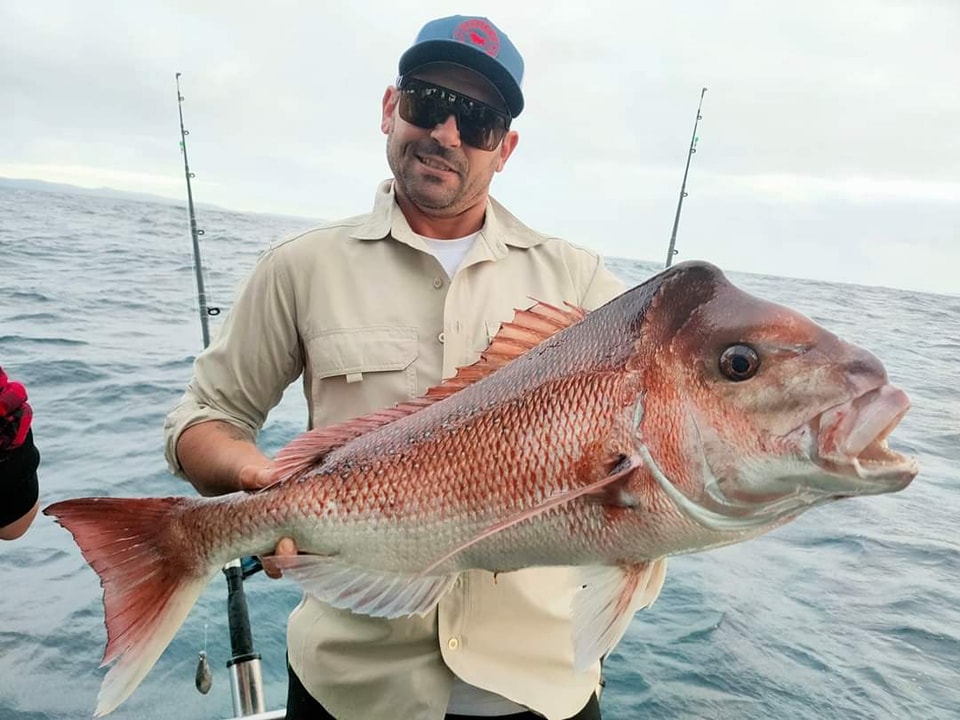
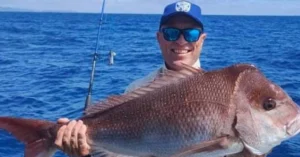
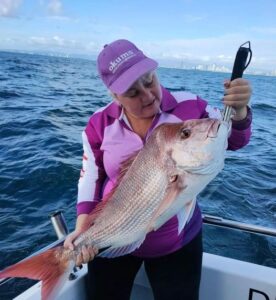
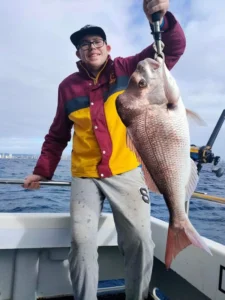
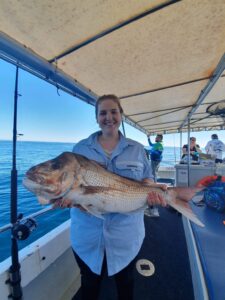
Snapper fishing on the Gold Coast is one of the most popular and rewarding offshore pursuits forGold Coast Snapper Fishing recreational anglers. Known locally as knobbies, pinkies, squire or red bream, snapper (Pagrus auratus) are available year-round, but the best opportunities for catching big snapper occur during the cooler months.

From May through September, larger snapper move onto the Gold Coast’s shallow reef systems, offering excellent fishing conditions and quality table fish. Winter often brings calmer seas thanks to prevailing westerly winds, making it easier to access close offshore reefs just a few miles from shore.

Highly regarded across Australia, snapper provide great sport on light tackle, can be targeted using multiple techniques, and are exceptional eating. While fishing pressure has increased over the years, anglers who apply local knowledge, use quality bait, and fish the right ground at the right time can still consistently catch quality snapper on the Gold Coast.


Snapper Movements and Seasonal Patterns

Snapper fishing Gold coastSnapper movements on the Gold Coast follow a fairly predictable seasonal pattern. During the warmer summer months, snapper tend to spread out and move into deeper water, making them less concentrated and harder to target consistently.

As winter approaches, schools of snapper migrate back into shallower depths ranging from 25 to 90 metres, with many fish returning to the same reef systems year after year. These movements are influenced by:

  • Water temperature

  • Food availability

  • Spawning and breeding cycles

Snapper generally begin moving offshore into deeper water from late October, then gradually return to shallower reefs from late May through early June. Understanding and tracking these movements is one of the most effective ways to improve snapper fishing success.

Many experienced anglers keep fishing logs or digital records noting dates, locations, tides and results. Over time, patterns emerge, allowing fishers to plan trips around historically productive periods.


Local Knowledge and Finding Snapper Grounds

Local knowledge is critical for successful snapper fishing on the Gold Coast. Snapper are strongly structure-Snapper Fishing Rigsoriented and feed over specific types of bottom, including:

Knowing where these areas are — and how to fish them — separates consistent snapper anglers from the rest. Productive snapper marks can be found through:

  • Local fishing clubs

  • Books and fishing publications

  • Online resources and forums

  • Fishing with experienced charter operators

When fishing near other boats, always practice good etiquette. Avoid anchoring in another angler’s burley trail, don’t drift over anchor ropes, and give fellow fishers plenty of room. There is more than enough reef on the Gold Coast for everyone.


Using GPS and Sounders

snapperA GPS loaded with snapper marks makes offshore fishing far more efficient. Recording waypoints allows anglers to revisit productive ground year after year. For those who prefer a more traditional approach, accurately recorded land-based marks in a notebook can still be effective.

A quality sounder or fish finder is equally important. Snapper often show as arches or clusters close to the bottom, particularly around reef edges, pinnacles and rubble ground. Learning to interpret your sounder will dramatically increase your success rate.


Snapper Habitat

snapperSnapper inhabit a wide range of offshore environments, but the most productive areas usually feature hard or broken bottom. Key habitats include:

  • Reef edges where hard reef meets sand or gravel

  • Drop-offs and pressure points

  • Pinnacles and isolated bommies

  • Broken rubble ground

Smaller squire are commonly found over gravel and rubble, while larger snapper tend to hold closer to solid structure such as caves, ledges and pinnacles. Find the right ground, and the snapper won’t be far away.


Best Baits for Snapper Fishing

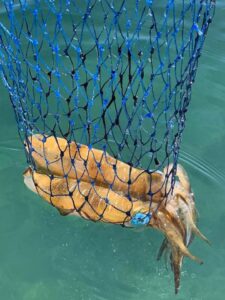
Snapper respond well to a wide variety of baits, but fresh bait consistently outperforms frozen.Squid Effective snapper baits include:

  • Fresh squid (whole or strips)

  • Pilchards

  • Cuttlefish

  • Fresh mullet slabs

  • Mack tuna or bonito strips

  • Crabs and shellfish

During the cooler months, fresh bait is often easy to catch on the Gold Coast’s close reefs, with yellowtail scad, bonito and mackerel tuna commonly available. Taking the time to gather fresh bait before fishing often makes a significant difference.

Good bait presentation is critical. Poorly rigged or unnatural-looking baits are often ignored, even by feeding snapper.


Burley – A Key to Catching Big Snapper

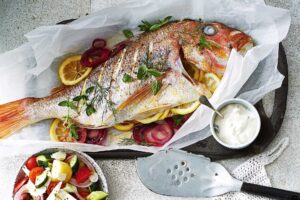
cooking your catchBurley is one of the most important tools for successful snapper fishing, particularly when fishing at anchor. A consistent burley trail helps draw snapper up off the bottom and into the strike zone.

Burley can also be effective while drifting, provided drift speed is slow (generally less than 0.5 knots). In faster drifts, the boat moves away from the burley trail too quickly for it to be effective.

Burley Delivery Methods

  • Burley pot and masher

  • Chopped fish frames and old bait

  • Bread and pellets

  • Mackerel tuna, which breaks down easily

Avoid over-burleying. Feeding snapper too heavily can shut the bite down and may also attract sharks, which often push snapper away.

A very effective method is a PVC burley bomb filled with minced burley and attached to the anchor chain. As it defrosts, it releases a steady trail directly beneath the boat.


Snapper Tackle and Gear

Snapper Gold coastThere is a wide range of tackle suitable for snapper fishing, and you don’t need to spend a fortune. Avoid very cheap gear and aim for reliable mid-range equipment that will last.

Common Snapper Tackle Options

  • 6–7ft rods

  • Threadline, overhead or Alvey reels

  • 6–15kg mainline depending on technique

Alvey reels and traditional bottom-bouncing outfits are still favoured by many experienced anglers. For float lining and soft plastics, longer rods with softer tips matched to threadline or small overhead reels are ideal.


Snapper Rigs and Terminal Tackle

Paternoster Rig

A proven and simple rig, ideal for anchoring or drifting:snapper

  • 15–20kg leader

  • Two 5/0 octopus-style hooks

  • Snapper lead between ¼–1lb depending on depth and current

The downside is increased snagging, but it remains one of the most effective snapper rigs in Australia.

Float Line (Floater Rig)

This is one of the most effective techniques for targeting bigger snapper.

  • 6–15kg mainline

  • Swivel

  • Approximately 1m leader

  • Two 5/0 octopus hooks (snell and locked blood knot)

  • Small ball sinker above the swivel


Float Lining Technique

Snapper FishingFloat lining involves establishing a burley trail and allowing a lightly weighted or unweighted bait to sink naturally through the water column. The key is patience and subtlety — the bait should drift down smoothly without unnatural movement.

When a snapper takes the bait, it will often swim off confidently. Allow the fish to load up before striking. This method regularly fools large, wary snapper and is considered one of the most exciting ways to fish for them.

Float lining also produces a wide range of bycatch, including pelagic and bottom-dwelling species.


Snapper Fishing on the Gold Coast

Snapper fishing on the Gold Coast during a crisp winter morning is hard to beat. Always ensure you follow current size and bag limits and handle fish responsibly.

For anglers without a boat, or those wanting to learn proven techniques and locations, a Gold Coast deep sea fishing charter is a great way to experience snapper fishing and improve your skills.

Good luck and happy snapper fishing 🎣

Black Marlin Fishing Gold Coast

Game Fishing

Black Marlin Fishing Gold Coast

How to catch black marlin on the Gold coast

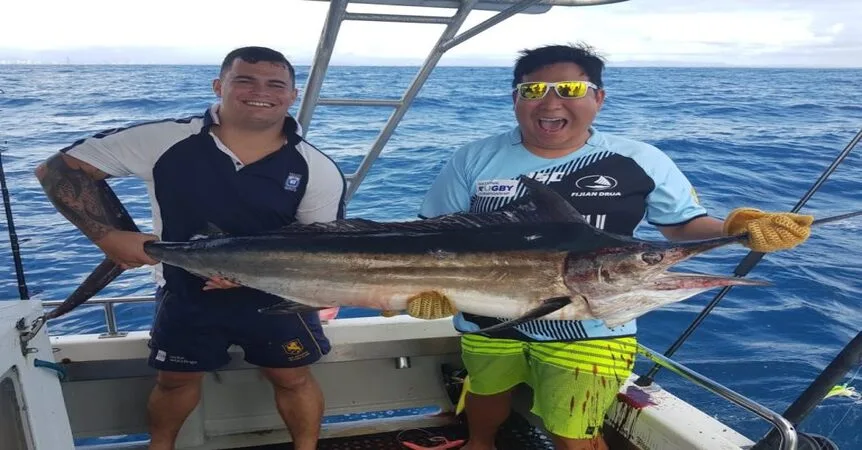
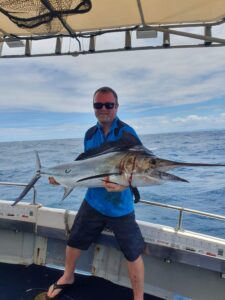
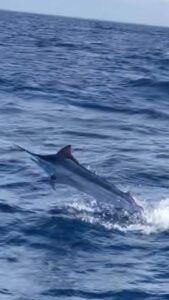
Every year around the beginning of December a good run of black marlin turns up in the Pacific Ocean off theBlack marlin caught off the gold coast Gold coast. These fish usually congregate around the shallow reefs between 18-50 fathoms until the end of February. Although they are mainly juveniles between 50-150kgs they provide sensational sport fishing for those that pursue them in open waters. Black marlin are opportunistic feeders; they are known to devour loads of bait fish. Locating bait schools is the key to success when targeting black marlin off the Gold Coast.

Black marlinBait can be located in a few ways. Use your depth sounder around local reef systems and watch for schools of bait balled up mid-way in the water column. This is usually a good sign that big predators are rounding up the bait fish and actively feeding. Current lines where two opposing currents meet also tend hold bait schools. Look for differences in water colour and lines of coral spawn. Working the edges of current lines will usually produce Black marlin and other pelagic species including Mahi mahi, Tuna, Mackerel and Sailfish.

On our Gold coast Marlin fishing charters, we use a variety of  techniques to target these awesome sport fish. With trolling and live baiting producing the best results. Although we have also caught several on floating pilchards. And surprisingly we have even caught a couple on dead baits using paternoster rigs to target reef fish like snapper and Teraglin.

Trolling For Black marlin off the Gold Coast

First and most important when trolling is lure colour selection. Lures that are effective on black marlin areMarlin fishing gold coast usually also effective on Mahi mahi and Tuna. Proper selection and occasional lure changes can mean the difference between catching and releasing fish. Or going home without a single strike. Remain open minded, if the colours you are towing aren’t producing any strikes, change them one at a time allowing a little time pass between one change and another. We usually start with a variety of colours until we figure out what works best on the day. Over the past few seasons, we have found that pink and purple have been most productive, but on some days we have had good results using green patterns.

The Spread

Your lures need be set out in the correct positions using the wake pressure waves as a guide. Run your stinger in the centre of the spread back to the sixth swell in the middle of the wake. Your long rigger should be placed back on the fifth swell, the short on the fourth. Use your corners as well. Set the long corner to the third swell and the short corner to the second. Adjust each lure so that it is riding on the forward face of the wave that it is riding on, a correctly set spread will produce far more hook ups.

Black marlin fishingPay close attention to the bubble trail created by each lure.  Lures ideally should leave a long trail of bubbles and should break the surface without jumping out of the water completely. A good speed is usually 6-7 knots, but wind and current direction and strength will play a role in determining the best speed to get your lures to ride correctly.

Keep a close eye on your spread as lures will occasionally pick up weed and other debris. Drag pressure on each reel is critical and plays an important role in good solid hook ups. If the drag is set too loosely hook up won’t be achieved and the fish will drop the lure. Too tight and you will get busted off; your ideal drag pressure will be determined by the line class you are using. Off the Gold coast when fishing for smaller black marlin we use 8-24kg main line.

Teasers

Fighting a black marlinTeasers also play an important role when trolling. Good teasers will raise inquisitive fish from down deep to investigate what they perceive as a school of bait following a boat. There are a wide variety of teasers available and if you are on a budget you can even make your own. We usually tow at least one teaser and sometimes two.

Keep your eyes peeled on the wash while trolling as fish will often be sighted shadowing your lures. Sometimes you can induce a strike with a couple of quick turns of the reel.

Live baiting for Black marlin

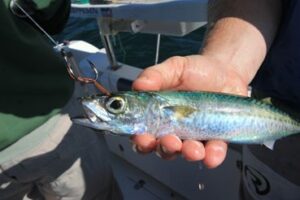
We have experienced great success on our Gold Coast Game fishing charters by making use of live baits. Best livies for targeting Black marlin off the southeast coast of Queensland include Yellowtail scad, small bonito or Tuna and my personal favourite the Slimy mackerel.

Depending on the depth and the amount of current running on any given day, you can either anchor or drift. When working shallow reef systems between 12-27 fathoms we prefer to anchor. Then create a burley trail of mashed fish flesh and pilchard cubes. When fishing the Gold Coasts wider reefs between 36-50 fathoms there is usually too much current to make anchoring practical. Drifting will be required. Try to locate bait schools on your sounder and then position the boat so you drift over them.

Setting livies

slimy mackerel used as live baitLive baits should be set at varying depths, often the fish will be down deep in the water column. Some days they will be up higher near the surface. When anchored we like to fish with the live baits set under balloons. It’s best to set one so it is only about 10 metres off the bottom and then set a second one up higher in the water column. Deep set baits are usually swallowed before the fish takes up all the slack line and solid hook ups are usually the result.

Another great technique to get livies to go deep is to attach a sacrificial sinker to the trace with a rubber band. Slowly feed the bait down until it gets close to the bottom. Once you hook up the sinker simply breaks away, and you are free to fight the fish.

Hook sizes for Black marlin fishing off the Gold Coast will vary depending on the size of the bait. ForSpecies Guide – Gold coast instance when using smaller baits i usually use 6/0 mustad big gun or circle patterns. Then simply hook the bait in the shoulders behind the head. When using big size slimies. I like to use two hooks and usually put the first one through the baits nose and then the second stinger hook two thirds of the way down the baits back. Bridle rigs work a treat too.

To book a Black marlin fishing gold coast trip visit our home page or phone our friendly staff on 07 55109622

Mulloway Fishing Gold Coast

Offshore Reef Fishing

Offshore Mulloway Fishing on the Gold Coast – A Complete Guide 🎣

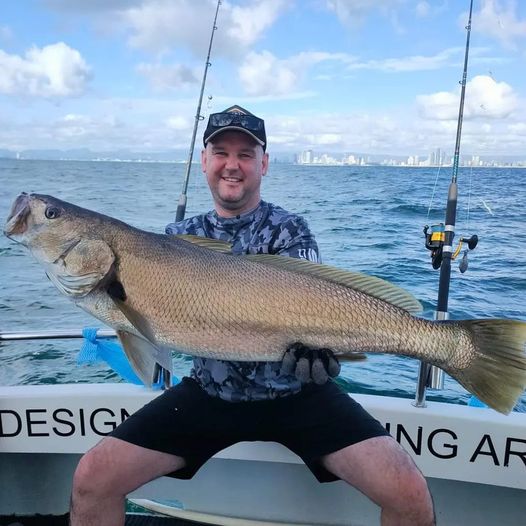
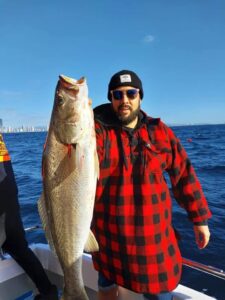
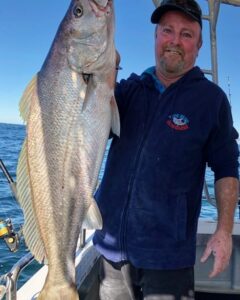
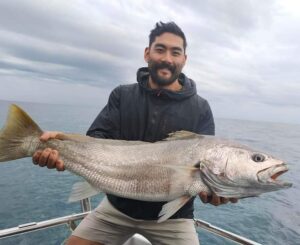
Mulloway, commonly known as jewfish, are one of Australia’s most highly prized offshore sportfish. WhileOffshore Mulloway fishing Gold coast many anglers associate mulloway with estuaries and river mouths, offshore mulloway fishing on the Gold Coast can be extremely productive, particularly when targeting deep structure beyond the coastline.

With access to productive reefs, wrecks and drop-offs close to shore, the Gold Coast offers excellent opportunities to target quality mulloway year-round. Fishing with experienced operators like True Blue Fishing Charters allows anglers to focus on proven locations, techniques and conditions that consistently produce offshore jewfish.


Where Mulloway Hold Offshore

Mulloway, JewfishOffshore mulloway are structure-oriented predators that favour deeper water and areas where bait congregates. Key offshore habitats include:

  • Deep reef systems and rubble grounds

  • Isolated pinnacles and ledges

  • Shipwrecks and artificial reefs

  • Drop-offs and current-affected pressure points

Most offshore mulloway are found holding close to the bottom in depths ranging from 20 to 60 metres. During daylight hours they often remain tight to structure, becoming more active during low-light periods such as dawn, dusk and night.

Skippers from True Blue Fishing Charters rely heavily on sounder interpretation and local knowledge to locate productive offshore structure and identify bait concentrations that attract mulloway.


Best Conditions for Offshore Mulloway Fishing

While mulloway can be caught offshore throughout the year, certain conditions significantly improvegold coast fishing success rates:

  • Cooler water temperatures

  • Strong but manageable current flow

  • New and full moon phases

  • Tide changes, particularly the run-in tide

Timing is critical, and understanding how mulloway respond to current and moon phases is a key reason many anglers choose to fish offshore with True Blue Fishing Charters, where trips are planned around optimal conditions rather than guesswork.


Tackle and Gear for Offshore Mulloway

Big MullowayOffshore mulloway are powerful fish that demand reliable gear, especially when hooked near reef or wreck structure.

Recommended tackle includes:

  • 15–24kg rods and reels

  • Quality spin or overhead setups

  • Braided mainline with abrasion-resistant mono or fluorocarbon leaders

A smooth, dependable drag system is essential, as mulloway are known for sudden, powerful runs and stubborn fights close to structure. True Blue Fishing Charters supply well-matched tackle suited to offshore jewfish fishing, allowing anglers to fish confidently in deep water.


Best Baits for Offshore Jewfish

Bait fishing remains one of the most consistent methods for targeting offshore mulloway. Fresh, oily baitsslimy mackerel used as live bait are critical for success, including:

  • Squid (whole or large strips)

  • Live or dead slimy mackerel

  • Live yellowtail scad

  • Fresh mullet slabs

  • Large pilchards

Live baits are especially effective when presented close to the bottom near structure. Running sinker rigs and paternoster rigs are commonly used to keep baits in the strike zone while maintaining natural movement in the current.

On board True Blue Fishing Charters, bait presentation and positioning are carefully managed to ensure baits are fishing exactly where mulloway are holding.


Lure and Jig Fishing for Offshore Mulloway

Mulloway JewieLure fishing for offshore mulloway has become increasingly popular and can be highly effective when fish are active.

Common lure techniques include:

  • Large soft plastics worked close to the bottom

  • Vibration lures

  • Slow-pitch jigs and knife jigs

Controlled lifts, pauses and drops are crucial, as mulloway often strike on the fall. Working lures tight to structure requires precision boat positioning — an area where experienced charter skippers excel.


Drifting vs Anchoring Offshore

Both drifting and anchoring play an important role in offshore mulloway fishing.Jewfish

Drifting allows anglers to cover ground and locate fish across reef edges and rubble patches.

Anchoring becomes effective once fish are located, particularly around wrecks or isolated structure. Accurate anchoring ensures baits remain in the strike zone without snagging or drifting away from the fish.

True Blue Fishing Charters utilise both techniques depending on conditions, structure and fish behaviour on the day.


Bycatch and Mixed Offshore Bags

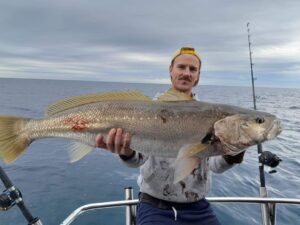
Gold coast Jewie fishingOne of the advantages of offshore mulloway fishing is the variety of quality bycatch often encountered, including:

This makes offshore mulloway trips ideal for anglers looking for a productive mixed bag while still targeting a trophy jewfish.


Offshore Mulloway Fishing with True Blue Fishing Charters

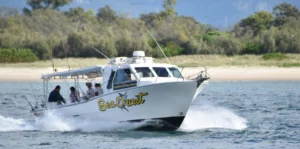
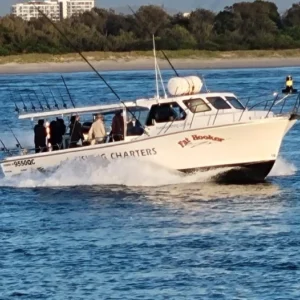
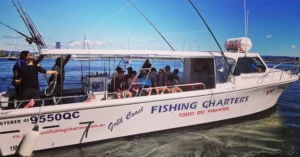
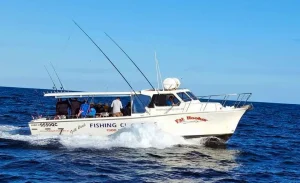
For anglers serious about targeting offshore mulloway on the Gold Coast, fishing with True Blue FishingMV Fat Hooker Bucks party fishing trip Gold Coast Charters offers a major advantage. With in-depth local knowledge, professional equipment and a strong focus on safety and results, their offshore trips are tailored to maximise success when chasing jewfish.

Whether you’re new to offshore fishing or an experienced angler looking to refine your approach, True Blue Fishing Charters provide the experience and expertise needed to fish deep structure confidently and effectively.

Mahi Mahi Fishing off Queenslands Gold Coast | Dolphin Fish & Dorado Guide

Sports Fishing

Mahi Mahi Fishing on the Gold Coast – Everything You Need to Know 🎣

Mahi mahi fishing on the Gold Coast is one of the most exciting offshore fishing experiences available inFishing 24 fathom reefs South East Queensland. Known for their explosive strikes, acrobatic fights and stunning colours, mahi mahi are a favourite target for both experienced anglers and first-time offshore fishers.

Often referred to as dolphinfish or dorado, mahi mahi are not related to dolphins at all. The name “mahi-mahi” comes from the Hawaiian language and was adopted to avoid confusion with marine mammals. Regardless of the name, this fast-growing pelagic species delivers unforgettable action on the water.


Mahi Mahi Habitat and Seasonal Availability

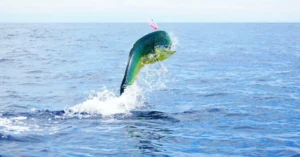
Game Fishing Adventures on the Gold Coast: Marlin, Mackerel, Wahoo, Mahi Mahi, and SailfishMahi mahi are most commonly encountered off the Gold Coast during the warmer months, particularly from late spring through summer. These fish favour warm ocean currents, current lines and offshore structure, which are plentiful in local waters.

Despite having a relatively short lifespan of just 4 to 5 years, mahi mahi grow incredibly fast. Most fish caught off the Gold Coast range between 4 and 13 kilograms, with larger fish pushing 15 kilograms. Specimens exceeding 18 kilograms are considered true trophies and are an impressive catch anywhere in the world.


Identifying Mahi Mahi

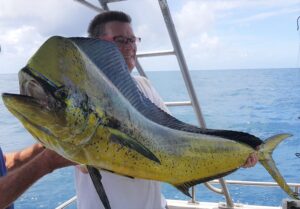
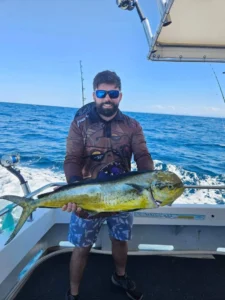
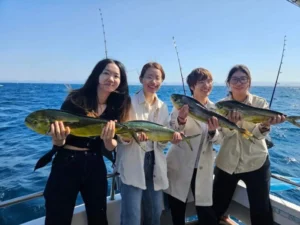
Mahi mahi are instantly recognisable due to their unique body shape and brilliant colouring. They feature:Mahi Mahi caught on the Gold Coast

  • A long, streamlined body

  • A dorsal fin that runs nearly the entire length of the fish

  • Vibrant blues and greens along the back

  • Golden-yellow sides that shimmer in sunlight

Mature males, known as bulls, develop a distinctive square, blunt forehead that rises above the body line. Females (cows) have a more rounded head and are generally smaller in size.

Few fish rival mahi mahi for sheer visual impact when they come boatside, lighting up in neon colours during the fight.


Feeding Habits and Behaviour

Mahi mahi are aggressive, fast-moving predators. Their diet consists mainly of smaller baitfish, including:mahi mahi

They are often found feeding around bait schools, floating debris and pressure points created by current lines. This behaviour makes them highly responsive to both lures and baits when conditions are right.


How to Catch Mahi Mahi on the Gold Coast

Mahi MahiWhen targeting mahi mahi off the Gold Coast, keep a close eye out for:

  • Floating debris such as logs, palm fronds and kelp

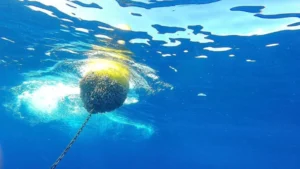
  • Fish trap buoys and rope lines

  • Working seabirds

  • Temperature breaks and current lines

  • Reef edges in 18 to 50 fathoms of water

Like many pelagic species, mahi mahi will hold close to structure and shade, especially around floating objects.

Tackle and Gear

A 10–15kg outfit is ideal for mahi mahi fishing. Both overhead and spin tackle work well, though spinning gear is often preferred for casting and live baiting, while overhead reels excel when trolling.Fad Fishing for Mahi Mahi

Proven Fishing Techniques

Mahi mahi can be caught using a variety of effective methods, including:

  • Trolling skirted lures

  • Casting spinners and soft plastics

  • Live baiting

  • Dead baiting

  • Float lining

Small to medium skirted lures in bright colours are extremely effective when trolled at 6–8 knots. Mahi mahi are also commonly caught as bycatch while trolling for tuna or marlin.


Live Bait and Burley Techniques

During peak summer months, particularly December, January and February, live bait fishing can bemahi-mahi-fishing deadly. Live yellowtail scad and slimy mackerel are prime offerings and should be fished at varying depths beneath balloons along current lines.

If live bait isn’t available, unweighted pilchards floated down a burley trail can produce excellent results. Mahi mahi are highly responsive to burley and will often swim right up to the back of the boat, sometimes in large schools. When this happens, casting lightly weighted baits or metal spinners can result in instant hook-ups.


Book a Gold Coast Mahi Mahi Fishing Charter

If you’re looking to experience the thrill of mahi mahi fishing on the Gold Coast, booking a professional fishing charter is one of the best ways to maximise your chances. Experienced skippers understand seasonal movements, current patterns and offshore structure, giving you the best opportunity to hook into these spectacular fish.

Mahi mahi fishing offers fast action, spectacular visuals and exceptional eating fish — making it one of the highlights of offshore fishing on the Gold Coast.

Sailfish Gold coast

Game Fishing

Gold Coast Sailfish

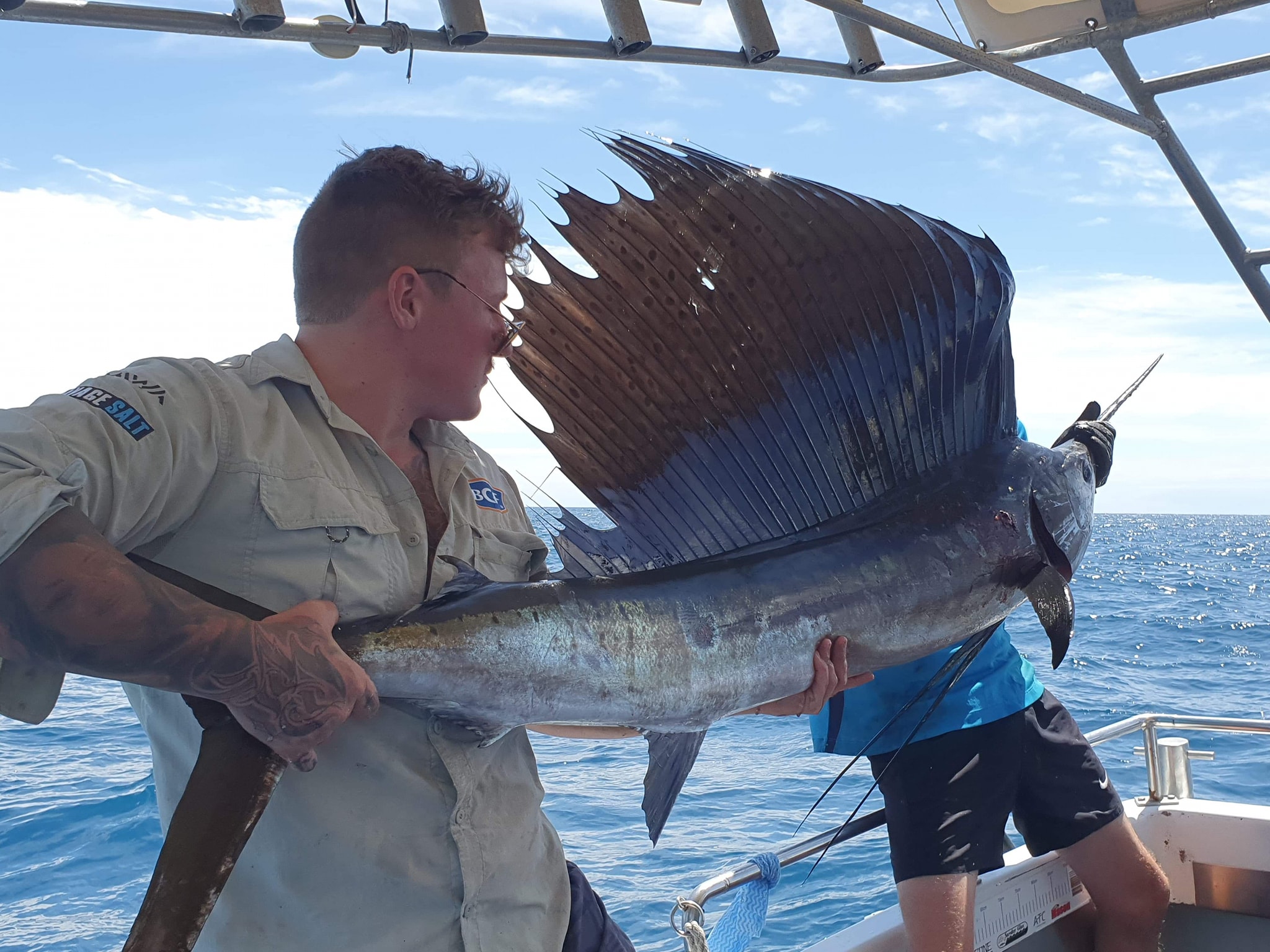
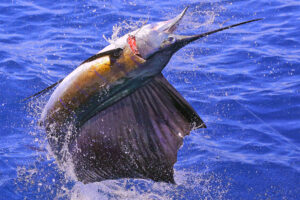
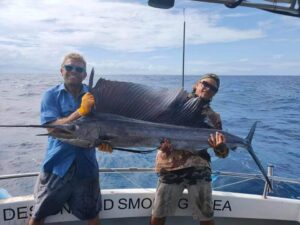
Sailfish are reasonably common in Gold Coast waters throughout the summer months, They like to live inbillfish gold coast warmer sections of all the oceans of the world. They are blue to grey in colour and have a distinctive dorsal fin that is also known as a sail, which often stretches the entire length of the back. Another characteristic is the bill, resembling that of the Broadbill swordfish other Marlin species. They are a highly regarded Game fish in sport fishing circles.

Sailfish grow quickly, reaching 1.2-1.5 m in less than a year, and feed on bait fish such as Slimy mackerel, Yellowtail scad, pilchards, frigate mackerel, squid and bonito near the surface or at mid-depths high up in the water column. Generally speaking, sailfish do not grow to more than 3.5 m in length and rarely weigh over 120kg.

The sail is normally kept folded down when swimming, but it will be raised when the sailfish feels threatened or excited, making the fish appear much bigger than it is. This tactic has also been observed during feeding, when a school of sailfish use their sails to “herd” a school of bait fish towards the surface before embarking in a feeding frenzy on their herded victims.

sailfish Gold coastWe rarely specifically target Sailfish here on the Gold Coast, but they are often taken as a by catch while targeting species like Tuna, marlin, Mackerel, Mahi mahi and cobia. They are often taken while trolling skirted lures for Marlin, and they often respond to live baits like yakkas and slimies set under balloons. Sailfish hit hard and fast and usually explode the surface with awesome display of aerial acrobatics, when using light tackle some fast boat work is required to avoid being clean spooled.

Sailfish often travel in small groups and double and triple hook ups are not uncommon when trolling skirted lures. We recommend tackle in the 15-24kg range, preferably overhead reels due to their longer line capacity to avoid being spooled, but thradlines will work to if you are prepared to give chase with the boat.

When targeting Gold coast Sailfish and marlin keep an eye out for tell tale signs such as current lines and working sea birds, also keep an eye on your sounder and watch for bait fish balled up high in the water column, this often indicates that bigger predatory fish like sailfish and marlin are rounding them up.

If you would like to book one of our Surfers paradise fishing charters visit our home page for more information, for information about other species we catch on our charters visit our Species guide page.

Tuna Fishing Gold Coast | Longtail, Yellowfin & More – Complete Guide

Game Fishing

Tuna Fishing on the Gold Coast – Complete Guide to Targeting Tuna in South East Queensland 🎣

The Gold Coast is one of Australia’s premier destinations for offshore tuna fishing. With deep water close toTuna Fishing Gold Coast shore, consistent bait activity and a wide range of pelagic species, anglers can enjoy year-round opportunities to target fast, hard-fighting tuna just an hour south of Brisbane.

Whether you’re chasing surface-feeding schools or targeting deeper water with bait and lures, tuna fishing on the Gold Coast offers thrilling action and outstanding table fish. In this guide, we’ll break down the main tuna species found locally, the most effective techniques, and proven tips to help you hook up more consistently.


Tuna Species Found Off the Gold Coast

Tuna are highly prized saltwater game fish known for their speed, endurance and brutal fighting power. Several species are commonly encountered offshore in South East Queensland, each with its own behaviour and preferred techniques.

Longtail Tuna

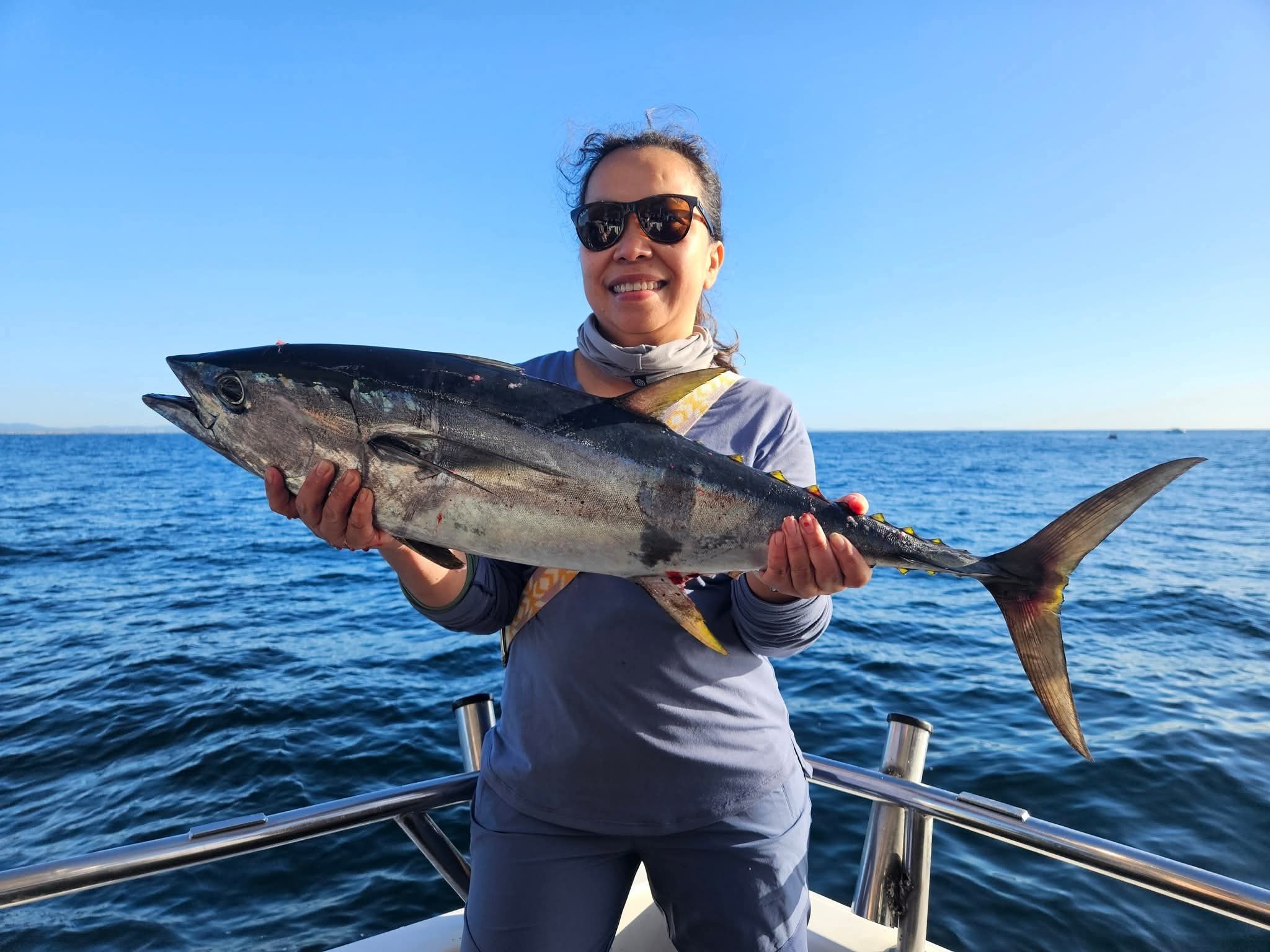
Longtail TunaLongtail tuna are one of the most sought-after species on the Gold Coast. Often found feeding aggressively on the surface, longtails can grow large and are extremely powerful on light tackle. They are commonly spotted busting up baitfish near bait schools, reef edges and current lines.

Longtails respond well to casting metal slugs, stickbaits and live baits, particularly when approached quietly.

Yellowfin Tuna

Yellowfin tuna are a true offshore prize. Larger fish are usually encountered wider offshore, often around temperature breaks, bait aggregations and current lines. Yellowfin are known for long, blistering runs and deep circling battles beneath the boat.

They are commonly caught trolling skirted lures, live baits such as slimy mackerel, or fishing in a burley trail.

Striped Tuna

Striped tuna (also known as skipjack) are abundant off the Gold Coast and provide fast-paced action. While smaller than yellowfin and longtail, they are aggressive feeders and excellent eating when bled and iced properly.

Striped tuna are often found in large surface schools and readily take trolled lures, chrome slices and bait.

Bonito

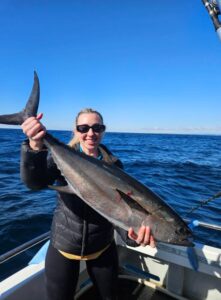
Bonito are closely related to tuna and are commonly encountered while trolling or casting into surfaceMackerel Tuna caught off the Gold Coast activity. While not everyone’s first choice for the table, they are an exceptional baitfish for targeting larger pelagics such as marlin, sharks and big tuna.

Mackerel Tuna

Mackerel tuna are fast, aggressive and commonly found feeding close to shore. They are often mixed in with bonito and striped tuna schools and readily take small metal lures, feathers and hard-bodied minnows.


Trolling for Tuna on the Gold Coast

Trolling is one of the most productive and reliable methods for catching tuna offshore.

TunaEffective trolling lures include:

  • Skirted trolling lures

  • Hard-bodied diving minnows (brands like Halco and Rapala)

  • Feather jigs

  • Chrome slices

  • Live or fresh dead baits

When trolling for tuna, set a spread of lures at staggered distances behind the boat to cover different water columns. A trolling speed of 5–8 knots is ideal for most tuna species.

Where to Troll

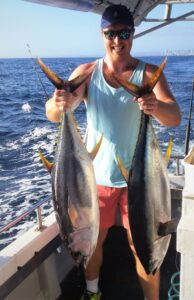
Tuna YellowfinWhile trolling, always keep an eye out for:

  • Current and tide lines

  • Reef edges and pressure points

  • Bait schools

  • Working birds and surface disturbances

If you locate tuna feeding on the surface, avoid driving straight through the school. This will often spook the fish and push them deeper. Instead, troll wide around the edges or approach quietly up-current.

In many cases, once a feeding school is located, shutting down the motor and drifting can be highly effective. This allows you to cast metal slugs, stickbaits, or lightly weighted baits directly into the action.


The Hook-Up and Fight

When a tuna strikes, there is no mistaking it. The hit is sudden and violent, and the reel will scream as lineMackerel Tuna Gold coast peels off at speed. Most tuna will hook themselves if the drag is correctly set.

Key fighting tips:

  • Always maintain constant pressure

  • If the line goes slack, wind quickly – the fish may be charging the boat

  • Expect long runs followed by deep dives

  • Be prepared for tight circles under the boat late in the fight

Tuna are relentless fighters and will test both angler and equipment. Clear communication and fast reactions are essential, especially when fish are circling near the keel or propellers.


Bait Fishing and Burleying for Tuna

Another deadly technique for tuna fishing on the Gold Coast is bait fishing using a burley trail. This method works exceptionally well when tuna are holding deeper or not actively feeding on the surface.Mackerel Tuna

Burley can be created using:

  • A burley pot and masher

  • Cubed pilchards slowly fed over the side

Once the burley trail is established, set baits at varying depths within the slick.

Best Baits for Tuna

  • Live yellowtail scad

  • Live slimy mackerel

  • Lightly weighted pilchards

Live baits are generally the most effective. A 6/0 hook is ideal, with baits pinned either through the shoulder or nose. Balloons or floats can be used to keep baits away from the boat and higher in the water column when required.


Bycatch and Bonus Species

While targeting tuna offshore on the Gold Coast, it’s common to encounter other prized pelagic species,Yellowfin Tuna including:

This diversity makes tuna fishing one of the most exciting offshore pursuits in South East Queensland.


Gold Coast Tuna Fishing Charters

If you don’t have access to a boat or want to maximise your chances of success, a True Blue fishing charter is a great option. Experienced skippers understand seasonal movements, bait patterns and conditions, giving anglers the best opportunity to hook into fast and furious tuna action.


Final Thoughts

Tuna fishing on the Gold Coast offers adrenaline-filled action, incredible fights and some of the bestTuna offshore fishing Queensland has to offer. With the right techniques, quality tackle and an understanding of tuna behaviour, anglers can enjoy consistent success targeting longtail tuna, yellowfin tuna, striped tuna, bonito and mackerel tuna throughout the year.

Whether trolling, casting into surface schools or fishing the burley trail, the Gold Coast is truly a world-class tuna fishery. 🐟🔥

Wahoo fishing charters gold coast

Game Fish

Wahoo Fishing – Gold Coast Charters

Fishing for Wahoo.

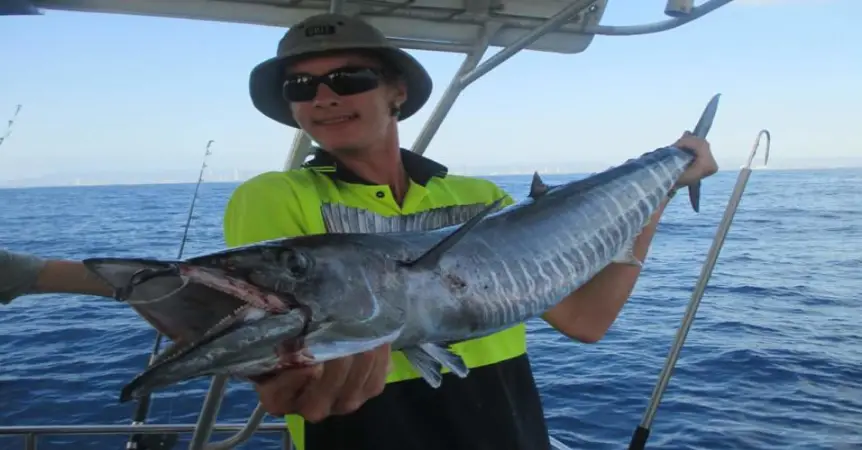
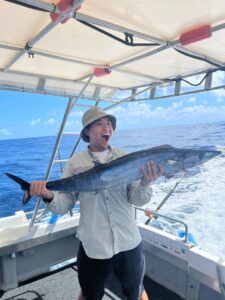
Wahoo are a pelagic fish species that frequent Gold Coast waters between December and April. Wahoo areWahoo fishing charters very similar in shape to a Mackerel but can be distinguished by its different jaw shape, and the length of its dorsal fin. Not to mention its colour pattern of cobalt blue bars over their long streamline silver sides. A big wahoo is a truly majestic fish when first removed from the water. By the same token, they lose their colour quickly. A prime sport fish regularly taken on board our offshore deep sea fishing charters off the Gold coast.

Baits and Lures For Wahoo

Generally speaking, wahoo are usually taken while trolling either large hard bodied or hex head skirt style lures. However, they also respond to well-presented dead or live baits. Best baits include live yellowtail scad, slimy mackerel, tailor, small tuna, bonito, and pilchards. Other species are often encountered when targeting Wahoo off the Gold coast, these include mackerel, marlin, cobia and sailfish. Big wahoo are a true speedster, they can swim at extreme speeds and have been known to hit lures when trolled at speeds up to 16 knots.

Their scissor like jaw action with razor sharp teeth can easily bit through monofilament line so a short wire trace is essential to avoid snip offs and the loss of expensive lures. Even this is no guarantee! We’ve seen several wahoo bite through 300lb wire over the years.

Wahoo are a fairly solitary species but sometimes of the year they do move in small schools and multiple hook ups are not uncommon. They are a pelagic species and tend to swim high up in the water column near the surface. It’s not unusual to see a Wahoo swim right up to back of the boat in the burley trail.

Tackle Required

WahooHeavy tackle is required to stop these brutes; we recommend a main line between 10-20kgs on a reel that has a good line capacity. The Wahoo’s initial run is usually long and extremely fast, only the best quality reels will stand up to them.

Wahoo are a highly prized game fishing species and also make great table fare, a boat is essential for catching Wahoo off the Gold coast as they are very rarely taken from the shore, if you don’t have a boat and would like the chance to try and catch a Wahoo you can visit our home page for more information.

Fish Recipes

Eating Fish

Fish recipes

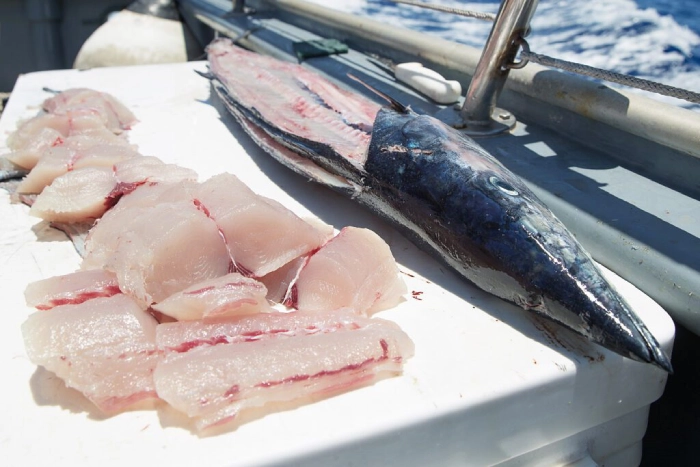
Many of our satisfied Gold Coast fishing charter customers ask us how to prepare and cook their catch, below is a variety of delicous fish recipes you can use to turn your catch into a gourmet feast.

Mark’s beer batter

a simple and easy way to cook fish fillets

Ingredients

1 can of xxxx Gold or similar light to mid strength beer
2 egg whites, beaten
2 teaspoons of olive oil
pinch of salt and pepper
2 cups of plain flour
Mix all ingredients together, add flour last, then use a hand held beater or whisk, beat until smooth and free of lumps, coat fish fillets in flour, then dip them into batter. Fry fish in hot oil (not less than 190 degrees celsius) for 5-10 minutes depending on thickness of fish fillets. Serve with chips and salad.

True blue fish cakes

fish cakes, fish burgers, rissoles call them what you like

Ingredients

1kg of boneless fish fillets, kingfish, trevally or sweep are ideal, but this recipe will work with almost any species.
1 small onion
2 celery stalks, finely chopped
1 red capsicum finely diced
grated lemon rind and 1/4 cup of lemon juice
3 drops of Tabasco sauce
salt and pepper
plain flour
1 large egg
1/2kg of potatoes boiled and mashed
125ml of milk

Sao biscuit crumbs

Place fish in pan and cover with water, add cellery onion, lemon juice and rind, tabasco and salt and pepper, boil uncovered for ten minutes then allow to cool and add mashed potatoes and mix thoroughly.

Shape into flat patties with your hands and then roll in flour and dip in egg and milk mix. after dipping coat with sao biscuit crumbs. Fry in hot olive oil for approximately 10 minutes depending on thickness.

Serve as a burger or on a plate with vegetables or salad.

Barbecue Snapper with ginger and shallots

A delicious way to BBQ whole fish snapper can be substituted with other fish spieces.

Ingredients

1 whole snapper Gilled and gutted approximately 1-3 kgs, (will work with bigger snapper but cooking time will need to be increased to suit)
sea salt
Ground pepper
1 lime
5 shallots (spring onions)
1 cup of Corriander leaves
1 tablespoon of finely grated ginger.
Canola oil spray
Dressing ingredients
1 shallot (spring onion)
1 teaspoon finely grated ginger
3 tablespoons of corriander leaves
2 tablespoons lime juice
1 tablespoon of fish or oyster sauce
1 teaspoon sesame oil

Make the dressing first, finely slice green part of shallot and the corriander leaves, mix together with ginger, lime juice, fish sauce and sesame oil.

Ensure snapper has been thouroughly cleaned, gilled gutted and scaled, pat it dry with a paper towel, then make diagonal cuts through the thickest part of the flesh 2cm apart, cut in both directions to form a diamond pattern in the flesh. Season snapper with sea salt and ground black pepper.

Peel the lime with a sharp vegetable knife then separate into pieces (segments), slice spring onions diagonally, mix with corriander, lime segments and ginger then stuff the mix into the fishes gut cavity. Spray heavy duty aluminium foil with canola oil then wrap the fish tightly ensuring all edges are sealed up.

Pre heat barbecue plate to a medium heat. place fish parcel in the centre of the BBQ plate and cook for 10 minutes, then gently turn it over and cook for a further 8 minutes or until it flakes when tested in the thickest part.

Once the fish is cooked open the foil parcel and slip the fish onto a platter, pour the cooking juices over the fish and drizle the dressing over the top and serve. Delicous with steamed rice, garden salad or green vegetables.

Tuna steaks with tomato butter and asparagus

a sensational summer BBQ fish recipe that works well with Tuna, marlin or mackerel steaks.

Ingredients

4 fish steaks (Tuna, Marlin, Mackerel) will work with other species
120 grams butter
60 grams semi sun dried tomatoes
3 tablespoons baby capers (drained and crushed)
5 garlic cloves (crushed)
70ml virgin olive oil
350 grams asparagus spears
1 lemon

Place butter in bowl and add tomatoes, basil and 3 garlic cloves (crushed) and mash it all together, refrigerate until butter is firm then leave in a bowl at room temperature until required.

In a seperate bowl mix 2 tablespoons of olive oil and the remaining garlic. Toss the asparugus spears in the mix until they are evenly coated then season with salt, pepper and lemon juice and leave for 20 minutes.

Pre heat Barbecue grill to high heat, brush fish steaks with remaining oil mix, cook fish steaks for 2-3 minutes per side depending on thickness. Place a tablespoon of the tomato butter on each steak as soon as its removed from the BBQ and season with salt, pepper and lemon juice to taste.

Cook the asparagus on the BBQ plate making sure to turn it regularly for 3-4 minutes, serve asparagus with fish and a lemon wedge for a delicious summer time meal.

Grilled fish with salsa

A gourmet Italian style fish dish works well with Tuna, swordfish, mackerel, Shark and many many more.

Ingredients

Juice of 1 lemon
Sea salt and freshly ground black pepper
extra virgin olive oil
4 cloves of garlic (peeled and finely sliced)
a sprig of fresh mint leaves roughly sliced
a sprig of oregano leaves roughly sliced
5 x 1-2cm thick fish fillets or cutlets

Squeeze lemon juice into a bowl and 3 times as much extra virgin olive oil, season with sea salt and freshly ground black pepper, add garlic and stir in mint and oregano.
heat BBQ grill or frying pan until very hot, season fish fillets or cutlets with sea salt and pepper then cook for 2 minutes each side until golden brown, serve on plates and spoon the sauce over the top, serve with rice or green salad.

Oven Baked Teraglin (trag jewfish)

A simple tasty oven fish recipe, great for trag jew, snapper and other whole fish.

Ingredients

1 Teraglin (trag jew) 1-3kgs
140 grams of butter
2 lemons
1 lime

Gill gut and scale fish then rinse with water and pat dry with paper towel, slice one lemon and one lime, grease a large sheet of aluminium foil with butter, place fish in centre of foil and put slices of lemon and lime over, around and inside the fish, wrap tightly ensuring edges are sealed. Pre heat oven to 180 degrees celcius then bake for 20-30 minutes depending on size of fish. Serve on a platter decorated with parsley and lemon wedges. great with boiled potatoes and green vegetables.

Barbecue fish fillets

A simple BBQ fish recipe suitable for a wide variety of fish species.

Ingredients

6 medium size white fish fillets
juice of 1 lemon
2 tablespoon of olive oil
1 white onion (finely chopped)
2 tablespoon of chopped parsley
3 teaspoons Pernod
frehly ground black pepper

Place fillets in flat glass dish, combine lemon juice, parsley, olive oil, onion, pernod, pepper and pour over fillets, stand covered for 30 minutes. Cook fillets on barbecue plate at medium heat for approximately 3 minutes per side brushing with oil as you go.
Serve fillets with lemon and salad.

Chilli and Garlic fish parcels

A tasty fish recipe that be used with fish fillets or whole fish

Ingredients

4 Fresh chillis
4 garlic cloves
1 tablespoon of olive oil
sea salt
Ground pepper
1/2 cup of dry white wine
juice of one lemon
1 white onion
1 Roma tomato
butter

Grease heavy duty foil with butter and place whole fish or fillets in the centre, form foil into a bowl shape so it will hold juices.
finely slice chilli, garlic, onion and tomato and spread around fish, pour over olive oil, lemon juice and white wine, season with sea salt and ground pepper, then wrap foil into tight parcel ensuring that edges are sealed, double wrap with another piece of foil to avoid leakage. Can be cooked in the oven (180 degrees celsius) or on a BBQ plate at medium heat for approximately 20-25 minutes. Delicous when served with rice.

fish recipes, BBQ fish recipes, grilled fish recipes, oven fish recipes, tasty fish recipes, how to cook fish, gourmet fish recipes.
Gold coast fishing charters