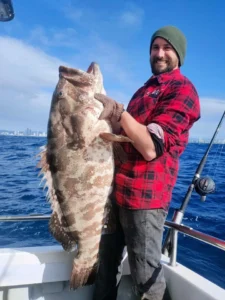
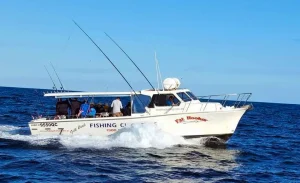
Helensvale Fishing charters

Helensvale Fishing Charters – Just 25 Minutes from True Blue Fishing Charters

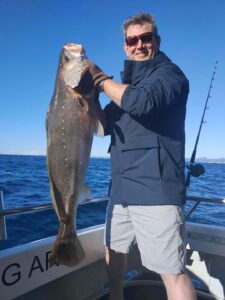
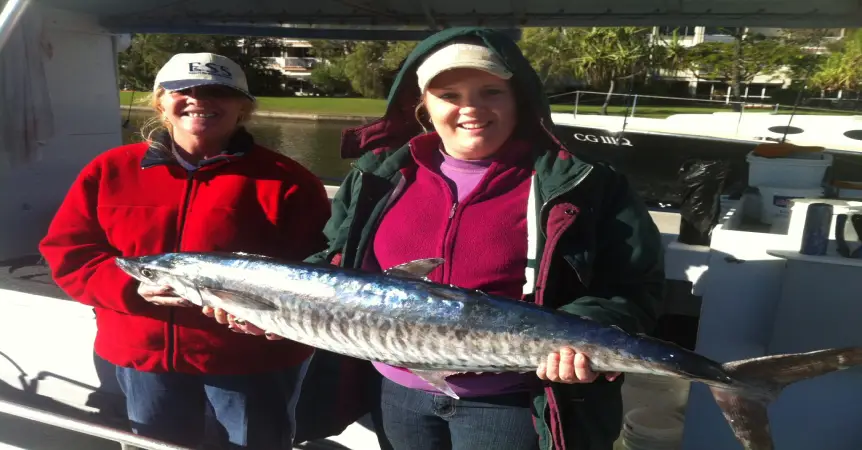
If you’re searching for Helensvale fishing charters, True Blue Fishing Charters is one of the closest andMulloway Jewie most trusted offshore charter operators on the Gold Coast. Our purpose-built fishing charter vessels depart from Muriel Henchman Drive, Main Beach, located just 25 minutes east of Helensvale, giving locals fast and easy access to world-class offshore fishing.

Offshore Fishing Charters Near Helensvale

True Blue Fishing Charters operates 7 days a week (weather permitting) and offers both half-day deep sea reef and game fishing charters. Our experienced crew regularly targets a wide variety of popular Gold Coast species, including:

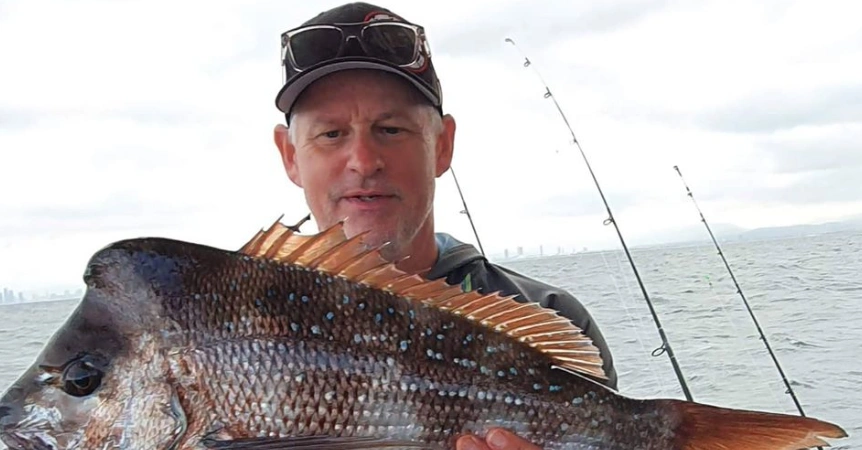
  • Snapper & Pearl Perch

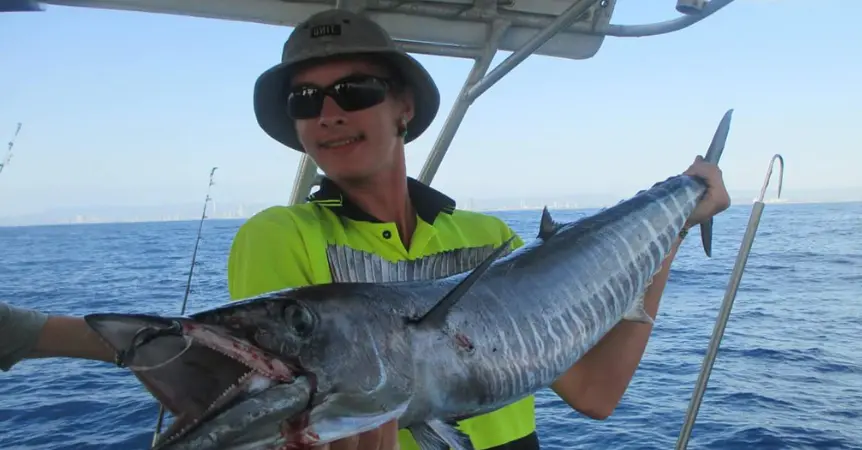
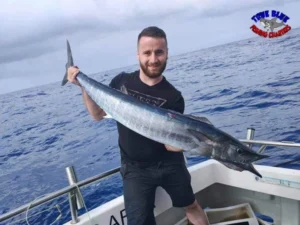
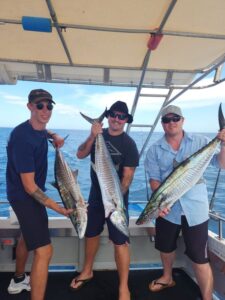
  • Mackerel & Wahoo

  • Marlin & Tuna

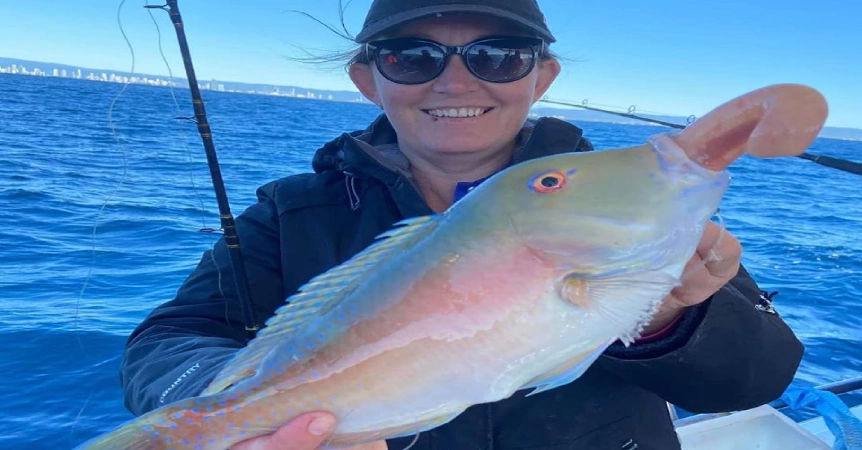
  • Kingfish, Cobia & Tuskfish

  • Jewfish (Teraglin) and more

Fishing takes place on productive reefs east of Surfers Paradise, typically in 20–60 metres of water, depending on conditions and seasonal fish movements.

Charter Departure Times

  • Morning charter: 6:00am – 11:00am

  • Afternoon charter: 11:00am – 4:00pm

These flexible departure options make our trips ideal for Helensvale locals looking for a quick, hassle-free fishing adventure.

Tournament-Winning Crew & Fully Equipped Vessels

helensvale fishing chartersOur tournament-winning owner-operators and professional deck crew are dedicated to putting you on fish. All bait, quality fishing tackle and expert guidance are supplied, along with ice-cold bottled water and friendly service throughout the trip.

We operate two large, stable and comfortable offshore fishing boats:

  • FV Fat Hooker – accommodates up to 16 guests

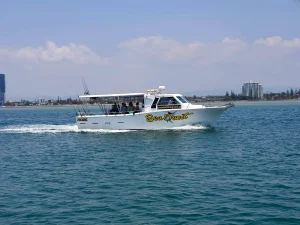
  • FV Seaquest – accommodates up to 12 guests

Both vessels feature onboard toilets, covered rear decks for weather protection, and plenty of fishing space—perfect for beginners, families and experienced anglers alike.

Perfect for Groups & Special Occasions

Our Helensvale-area fishing charters are ideal for:

  • Bucks parties

  • Corporate fishing trips

  • Birthday celebrations

  • Family fishing adventures

What’s Included

  • All bait and premium fishing tackleMV SeaQuest private charter guests fishing offshore near Gold Coast

  • Fish cleaned, gilled, gutted and bagged

  • Ice-cold bottled water

  • Experienced, professional crew

Just bring: hat, sunscreen, seasickness tablets (if needed), food, drinks and a camera.

Book Helensvale Fishing Charters with True Blue

For one of the best fishing charters near Helensvale, book with a proven Gold Coast operator located just 25 minutes away.

📞 Call 07 5510 9622 or visit our website to book your True Blue Fishing Charter today.

What to Expect on a Gold Coast Deep Sea Fishing Charter

Fishing Charter

What to Expect on a Gold Coast Deep Sea Fishing Charter

If you’ve never been on a Gold Coast deep sea fishing charter before, it’s natural to wonder what theSurfers Paradise Fishing Charters day will involve. For seasoned anglers, part of the excitement of offshore fishing is the unknown—you never quite know what might turn up on the end of your line. That unpredictability is exactly what makes deep sea fishing so addictive.

Whether it’s your first trip or your fiftieth, here’s exactly what you can expect when you step aboard a deep sea fishing charter on the Gold Coast.


Boarding the Boat & Safety Briefing

When you arrive and step onto the boat, the crew will show you where to safely stow your gear. It’s best to avoid placing personal items directly on the deck, as it can get wet and needs to remain clear for crew and anglers to move around safely. Large eskies are not recommended—your catch will be looked after by the crew.

Once all passengers are onboard, the skipper and deckhand will introduce themselves. As the vessel departs, the deckhand will conduct a mandatory safety briefing. This covers:

  • Location of life jackets and safety equipment

  • Emergency procedures

  • General boat safety

  • What to expect throughout the trip

You’ll also be required to sign the vessel’s manifest. If you miss anything or have questions, don’t hesitate to ask—the crew are there to help.


Weather Conditions at Sea

fishing charter boatOur skippers constantly monitor local Gold Coast weather conditions to ensure every trip runs safely. While most days are calm, offshore conditions can vary. On some trips, moderate conditions may be experienced.

During the cooler months, it’s recommended to bring a windproof and waterproof jacket, even if the forecast looks good.


Travelling to the Fishing Grounds

On a half-day deep sea fishing charter, the run to the fishing grounds typically takes 20–30 minutes. Full-day charters usually travel further offshore, with travel times of 30–45 minutes or more.

During the journey:

  • The deckhand will rig rods and prepare bait

  • Lures may be trolled depending on the season

  • You’re welcome to ask questions or simply enjoy the ride, scenery, and photo opportunities

Whale sightings are not uncommon during migration season, adding an extra bonus to the trip.


Deep Sea Fishing on the Gold Coast

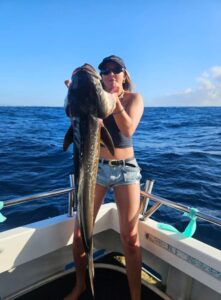
cod caught at the 24 fathom reef off the gold coastOnce the boat reaches the fishing grounds, anglers should remain seated while the skipper sounds around to locate fish. When the area is set, the deckhand will provide a fishing briefing, covering:

  • How to fish the rigs correctly

  • When to drop lines

  • How to avoid tangles

  • Key safety procedures

Paying attention here will dramatically improve your chances of catching fish and keep the experience smooth for everyone onboard.

When instructed, find an open spot along the rail and wait for the skipper or deckhand to give the green light before dropping your line. Dropping early often leads to tangles or the need to reset.


Catching Fish & Moving Spots

The crew’s goal is simple: help you catch fish and have a great day. If you hook up, a crew member will assist with landing and removing the fish. Legal-size fish are:

  • Bled and cleaned

  • Placed on ice immediately

  • Bagged and ready for you at the end of the trip

Some days the fish bite well in one location, while other days the skipper may move between several spots. If a move is planned, the deckhand will call lines up and guide everyone through the process.


What Can You Catch on a Deep Sea Fishing Charter?

Catch species vary depending on the season, conditions, and fishing locations. Common species on Gold Coast deep sea fishing charters include:

  • SnapperQueensland fishing charters

  • Teraglin

  • Cobia

  • Mackerel

  • Marlin

  • Tuna

  • Venus Tuskfish

  • Wahoo

  • Cod

  • Kingfish

  • Sharks

Every trip is different, and that’s part of the offshore fishing experience.


Top Tips for Your Deep Sea Fishing Charter

  • Listen carefully to the skipper and crew

  • Check your bait regularly when bait fishing

  • Stay patient and positive—not every trip produces a trophy fish

  • Enjoy the experience, scenery, and time on the water

  • If you had a great time, leaving a review is always appreciated

If you listen to the crew and follow their guidance, you’ll do just fine—and likely be planning your next trip before you’re back at the dock.

CoastfishTV Episode

Coast Fish TV Episode

We hope you enjoy this episode of coast fish TV. It was produced onboard our charter boats. unfortunately, the sharks were very thick on the day. Many quality fish were lost to the taxman.

A huge thanks to Andy Sparnon at Coastfish TV. Please give the video a like and follow Coastfishtv on Youtube.

How to Catch Mixed Reef fish off the Gold Coast – Reef Fishing Tips and Techniques

Reef Fishing

Gold Coast Mixed Reef Fishing Guide – Tips, Baits & Hotspots

Gold Coast waters are home to an incredible variety of mixed reef fish, making it one of the best destinations for offshore reef fishing in Australia. The overlap of southern and northern species creates a unique fishing environment where anglers can catch everything from Snapper and Pearl Perch to Mangrove Jack and Maori Cod.

Common Mixed Reef Species

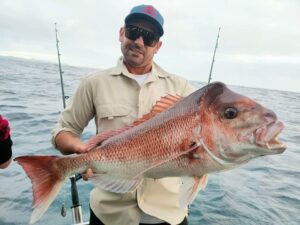
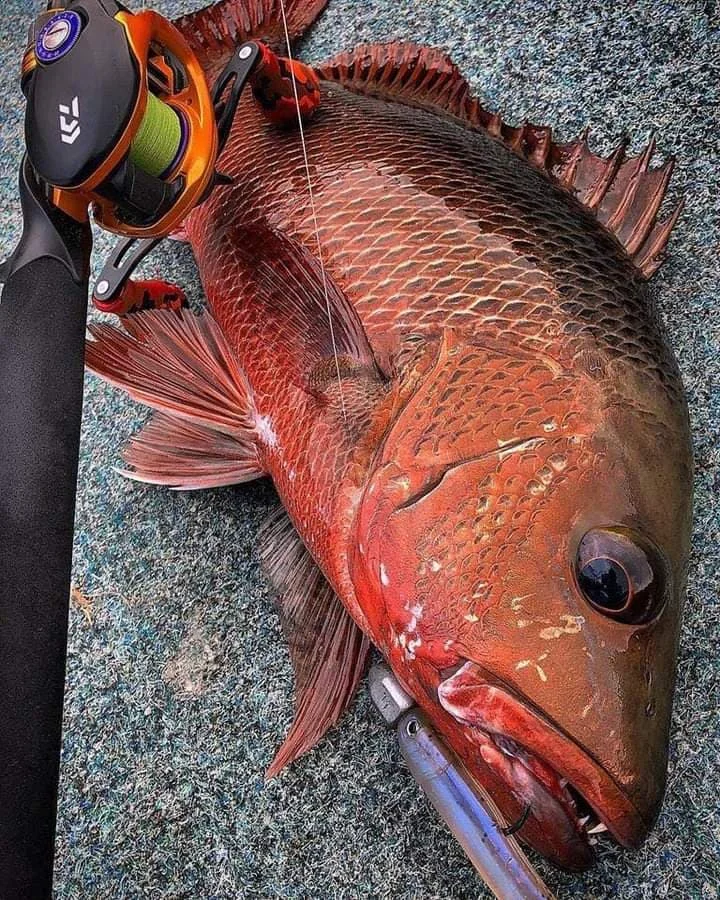
Some of the most frequently caught reef fish off the Gold Coast include:Snapper

  • Snapper / Squire

  • Spangled Emperor

  • Pearl Perch

  • Maori Cod

  • Venus Tuskfish

  • Pigfish

  • One Spot Sea Perch

  • Gold Spot Wrasse

  • Parrotfish

  • Teraglin / Coronation Trout

  • Red Throat Emperor

  • Jobfish / Blue Grouper

  • Hussar / Mangrove Jack

  • Red Scorpionfish

  • Various cod and emperor species

  • Flame Snapper, Mosses Snapper, Ruby Snapper, Goldband Snapper

  • Trevally, Wrasse, Triggerfish, Leatherjackets

Size & Bag Limits

Queensland (QLD) and New South Wales (NSW) regulations:

SpeciesQLDNSW
Snapper/Squire35cm (1 over 70cm), bag 430cm, bag 10
Spangled Emperor45cm, bag 5Bag 20
Pearl Perch35cm, bag 530cm, bag 5
Tuskfish30cm, bag 6Bag 20
Maori Cod45cm, bag 5Bag 20
Pigfish25cm, bag 5Bag 20

Possession limit: 20 fish per person per day including frozen or stored fish, all species must meet size and bag limits.


Best Time for Gold Coast Reef Fishing

The ideal time to catch mixed reef fish is just after the full moon, when many species are actively feedingcharter fishing for mulloway to replenish energy used during spawning.

  • Dawn: Close reefs fish best in the early morning light.

  • Daytime: Fish often migrate to deeper reefs as the sun rises.

  • Dusk/Night: Reef fish move back to shallower areas to feed.

  • Tides: Plan trips around changing tides for higher chances of bites.


Where to Find Mixed Reef Fish

The Gold Coast offers productive reefs at:

  • 18, 24, and 36 fathom reefs

  • Depths between 20–50 meters offshore

Fish tend to congregate near:

  • Coral patches

  • Crustacean-rich areas

  • Reefs with baby squid, octopus, and small baitfish

  • Drop-offs and ledges

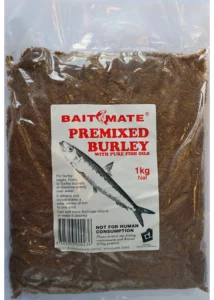
Use a fish finder to identify schools and check if the fish are hugging the bottom or feeding mid-water. Adding burley can attract fish off the bottom and into feeding range.


Best Baits for Mixed Reef FishA cobia caught while deep sea fishing off the gold coast

Live & Dead Baits:

  • Pilchards, squid, strip baits, butterflied fillets

  • Combo baits: half pilchard + squid

  • Live bait rigs: small pea sinker to 4/0–8/0 hook

Artificial Options:

  • Plastics: Jerk shads, paddle tails, grubs (3–9 inches)

  • Micro jigs: Slow pitch, flutter, flat-blat jigs, 15–300g depending on depth

  • Octa jigs: 10–100g, natural jigging movement, beware leatherjackets

  • Flasher rigs: Hooks with glow beads/tassels paired with bait

  • Trolling hard bodies: 90–200mm lures, run 1m off bottom, use a downrigger if needed


Reef Fishing Rigs & Techniques

Drift Fishing: Cover more ground and locate schools of fish.

Anchoring: Use small, consistent burley to “seed” the grounds and bring reef fish up from deeper water.

Paternoster Rigs: Effective in currents or deep water. Snapper lead 2–24oz with 1–2 droppers, hooks 3/0–6/0. Combo baits work best.

Gang or Snelled Rigs: Ball sinker with multiple hooks, drift slowly off the bottom for maximum hook-ups.


Gold Coast Reef Fishing Tips

  1. Light tackle: Many reef species fight hard; a soft-tipped rod prevents hook pulls.

  2. Burley: Attracts fish off the bottom and increases bite rates.

  3. Bait placement: Always keep baits near the bottom, where reef fish feed.

  4. Fish ID: Use a fish ID app or guides like Grant’s Guide to Fish to avoid confusion and comply with regulations.


Cleaning & Cooking Reef Fish

  • Bleed & spike: Immediately after catching to preserve flesh quality.venus tuskfish

  • Ice slurry: Keeps fillets fresh until home or onboard storage.

Cooking ideas:

  • Pan-fried, shallow or deep-fried

  • BBQ or grilled

  • In curries, pasta, salads, or fish cakes

Gold Coast Whiting Fishing

Gold Coast Whiting Fishing Guide – Tips, Baits & Hot Spots

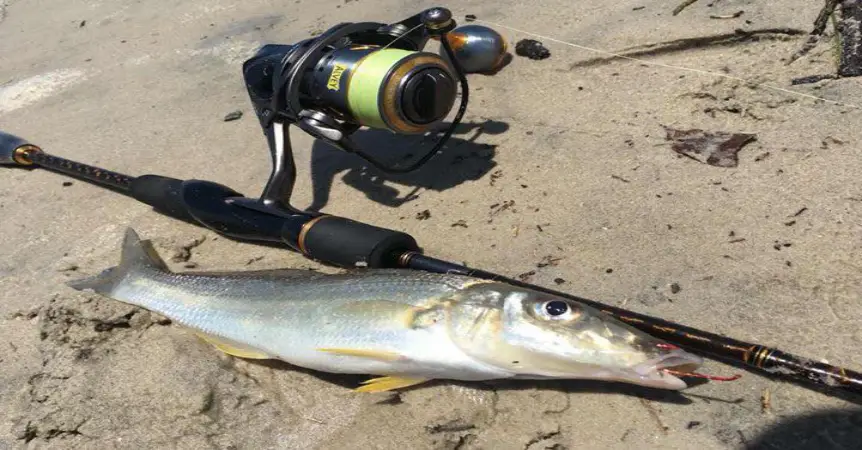
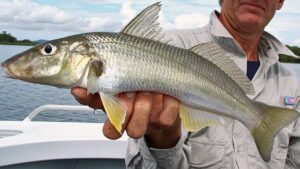
Gold Coast Whiting Fishing – Known as the “ghosts of the flats,” whiting are some of the most excitingGold coast estuary fishing and rewarding fish to catch along the Gold Coast and Southeast Queensland. With their fast, agile fights, they’re perfect for anglers of all ages, whether you’re fishing from the shore or a boat.

Common Whiting Species on the Gold Coast

The SEQ region and northern NSW are home to several whiting species. The most common include:

  • Goldenline Whiting (Sillago analis): Rough scales, found from northern NSW to Geraldton, WA. Queensland size limit: 23cm, bag: 30. NSW bag: 20, no size limit. Can reach 45cm.

  • Northern Whiting (Sillago spp.): Found along the east coast; QLD size limit: 23cm, bag: 30. NSW bag: 20. Max length: 31cm.

  • Sand Whiting (Sillago ciliata): East coast species; QLD size limit: 23cm, bag: 30. NSW size: 27cm, bag: 20. Can grow to 51cm.

  • Stout Whiting (Sillago robusta) & Winter Whiting (Sillago maculata): Found from Victoria to WA; no size limits in QLD & NSW, bag: 20. Max length: 30cm.

Gold Coast Whiting Habitat

Whiting are schooling fish often found on sandbanks, shallow flats, and near ledges or drop-offs. They follow other species like trevally, bream, stingrays, and flathead, feeding on worms, yabbies, and small crustaceans disturbed from the sand. The run-in tide is ideal, with whiting hiding behind sand mounds or weed patches waiting for bait to drift past.

Best Baits for Whiting Fishing

Live Baits: Gold Coast Whiting Fishing

  • Yabbies: A Gold Coast classic. Use a yabby pump during low tide to collect fresh yabbies.

  • Beach Worms: Hardy and effective; works well on lighter tackle.

  • Bloodworms: Perfect for night fishing along mangroves or shallow flats.

  • Soldier Crabs & Small Shrimp: Excellent for sandbanks and weed areas.

  • Squid Pieces: Small strips attract whiting in the bay and around estuaries.

Artificial Baits:

  • Surface Lures: Fast retrieves trigger reaction strikes. Try Suga Pen or MMD Splash Prawn.

  • Hard Bodies: Micro hard bodies (30–50mm) work well when bouncing across sandbanks.

  • Soft Plastics: 2–3” paddle tails, wriggle tails, or jerk shads mimic worms and small bait.

  • Blades: Small prawn-shaped blades like EcoGear ZX40s work well in deeper channels, especially for winter whiting.

Whiting Fishing Setups

Bait Fishing:

  • 7–8ft soft-tip rods, 6–8lb line, 6lb fluorocarbon leader.

  • Small sinker to swivel with a 20–50cm trace; long-shank hooks 2/0–4/0 with bait keepers work best.

Artificial Setup:

  • 1–5kg rod with 1000–2500 reel, 4–8lb braid, 6–10lb leader.

  • Drift baits or lures to cover sandbanks; moving baits often trigger strikes faster than stationary ones.

Techniques:

  • Drifting: Cover more ground and locate schools efficiently.Whiting

  • Anchored Fishing: Slowly move baits if bites are scarce; whiting respond well to subtle motion.

Preserving and Cleaning Your Catch

  • Bleed and brain spike: Reduces stress and improves fillet quality.

  • Ice slurry: Store whiting on ice immediately after cleaning for freshness.

  • Fillets: Whiting have tender, flaky flesh that cooks beautifully.

Cooking Whiting

Gold Coast whiting are versatile and delicious:

  • Shallow fried, deep fried, steamed, or grilled.

  • Perfect for salads, stir-fries, sandwiches, curries, fish cakes, and pasta dishes.

Pro Tip: Only take what you need—preserve sandbanks and maintain whiting populations for future fishing trips.

Gold Coast Whiting Fishing Hot Spots

  • Sandbanks near estuaries: Rich in yabbies and worms.

  • Shallow flats with ledges or drop-offs: Ideal for hunting schools.

  • Mangroves and weed patches: Nighttime hotspots for bloodworms and crabs.

Catch more whiting on the Gold Coast: Follow tides, use fresh bait, and try both artificial and live setups for an action-packed day on the flats!

Mangrove Jack – Fishing Gold Coast – A Comprehensive Guide

( Lutjanus Argentimaculatus) (Mangrove Jacks) (Red Dogs)

Mangrove jack Fishing Gold Coast Written by Anthony Cougran.

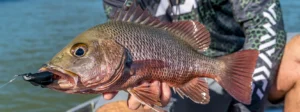
We are so lucky on the Gold Coast. Fortunately, we have one of the best Mangrove jack fisheries in Australia. Mangrove jack We humans have extended their habitat and hunting grounds so much on the Gold Coast, Tweed heads, Moreton Bay and Sunshine coast that they now have an endless maze of waterways loaded with structure. Anglers are spoilt for choice on hunting grounds. Sure, we don’t get the numbers like they do up north. However, we do get bigger numbers of larger specimens pulled from our local waters than just about anywhere. Mainly due to the myriad of manmade tidal canals, lakes, jetties and other structure which has extended their habitat by many kilometre’s. Throw in all the rock bars, pontoons, pylons, pillars, drains, bridges, markers, weirs, and even moored boats. The local Jacks have so much structure to hide under and around they are spoilt for choice for ambush spots.
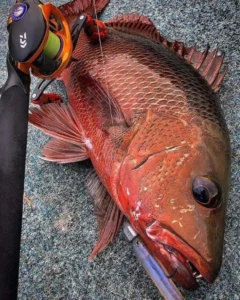
Mangrove Jack Habitat
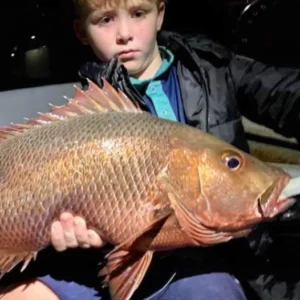
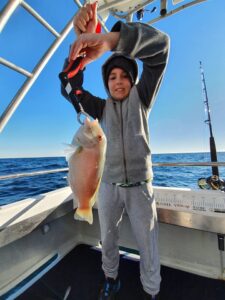
Kid holding the fishJacks are probably, pound for pound the dirtiest and hardest fighting fish in our estuary’s. They are renown for going straight back into their cover after smashing their prey. Many anglers learn this the hard way and often after a short brutal battle they are left heart broken and feeling abused. Big Jacks love to stalk prey from behind structure and cover and will often sit behind the same cover year in and year out. They will always conserve energy while hunting. Hence why they love sitting behind rocks, pliers, pylons, pontoons, rock walls, mangrove roots, submerged trees and over hangs in current with a steady supply of bait flowing past.

Mangrove jack will migrate out to the reef to spawn after a certain size. Normally around that 45-50cm. But a recent study conducted at NSW University in the last 15 years have shown that the southern jack will actually only head to really close reefs around river mouths and rock walls to spawn and will actually head back to their structural homes after doing so. Where the northern species will stay out on the reefs after they spawn. Head to NSW dpi jack study to see the details.

Range and size:

Their range is from around Port Macquarie in NSW, right around the top end to Geraldton in WA.
Jacks can reach up to 1.5m, 150cm or 1500mm in length.

Bag and size limits for jack:

QLD: 35cm and a bag of 5

NSW: no size limit and 5

The best time and place to catch Gold Coast Mangrove jack

Best time to fish for jacks is from October to March. Look for the very humid days/ nights with highmangrove jack barometric pressure with warm water temps. Storms from the west will double your chances. Water temp between 26 – 32 is best for red dogs. You can find jacks around most rock walls, shallow reefs, bridges, pylons, pillars, pontoons, boat hulls, jetties, deep holes in rivers, man-made lakes, canals, weirs, drains, rocky out crops, mangroves, over hanging trees and any structure throughout most estuaries, river, creeks and bays in SEQ and northern NSW. They will also push up into the freshwater as juveniles until they reach a certain size.
Best baits to use for Mangrove Jack on the gold Coast

It will change as the season goes on, and their appetites get more voracious. Start with 50mm – 200mm live baits and smaller strip baits at the start of the season. For mid-season 100mm – 250mm and medium strip baits are the go. Where 200mm – 300mm live baits and whole fillets, mullet heads and large chunks eel are the go towards the end of the season and will score you the bigger specimens.

Best baits for Mangrove Jacks

Live baits:

Poddy mullet, silver biddies, boney bream, herring, gar, whiting, pike, yakka’s and slimmies.

Dead baits:
Any of those live bait’s dead will also work well. While fillets of tuna, mullet, mullet heads, whiting, yakka’s, slimies, herring, gar, boney bream, pike and eel, all work well. Eel and mullet heads sometimes out fish the live baits and fillets. * The reason you use whole fillets and heads is because the bream will pick at it then the jacks will come through and smash it off them. After seeing what the commotion is.

* steak, heart (bollocks or sheep’s) and even bacon has all caught fish at curtain times.

The old traditional landowners liked to use live green tree frogs with great success back in the day.
We recommend not using live frogs as the fines are huge. But there are plenty of fake frog lures on the market.

Fishing bridges, pylons, pillars for Gold Coast Mangrove Jacks:

You want to anchor up about 15m directly straight in front of the pylon and tie off to the pylon with a backmangrove jack anchor. This will keep you straight and sway free and keep baits straight. You now can place a bait down each side of the pylon.
It is advisable to tighten up those drags because they will take you straight back into those pylons.
You can also double anchor in the middle of the bridge and place a bait down the pylon to the left and one on the pylon on your right. This way is a little easier to get fish out of those pylons. Same applies to anchoring in-front of pontoons and heavy structure. Double anchoring will hold your baits straight and you will get less movement and sway.

Burley:

Depends on how much bait is around, the current, the ground you’re fishing and what’s around. Some days it brings in the bream. Other days it will drag all the jack up to your baits. Some days it just brings to many bullies around. So best bet is to take it anyway. At least you have it with you.

Best set ups for bait fishing for Gold Coast Mangrove Jack:

*Lines 15-30lb braid to 20- 40lb leader. On a  3-10 kg  rod with a 4000 – 8000 reel will stop most fish at the beginning of the season.

You may want to keep going up in gear size as the season go’s on.

20-40lb braid with 30- 60lb leader on a 5000-8000 reel on a 20lb – 50lb rod for middle of the season and towards the end.

Where you may need to go to 50- 80lb braid with 60- 150lb leader on a 30kg rod depending on the fish and the structure your fishing towards the end of the season.
A 30kg over head rod with a 15- 25w over head reel. 80-100lb and 150lb leader Should stop the monsters in that heavier structure. If it doesn’t get you in there first.

Artificial set ups:

15-30lb braid with 20-40lb leader. 15lb- 40lb rod with 4000- 5000 reels will stop most jacks. But it’s always best to have a few set ups on the go for different lures. You may want to go heavier or lighter with plastics, surface lures, divers, swim baits, vibes and blades depending on the country and the structure.
Drag will depend on the structure and country you’re fishing. Heavy country requires a heavy drag and a stiff rod. Light structure you can play with them a little more.

Artificial’s:

Plastics:
Plastics are still the best way to target these fish around bridges, rock walls, rocky out crops, pillars, pylons, pontoons, rock bars, mangrove lines and jetties. So having a good variety of different shapes sizes and tails will help you match the hatch where you’re fishing and get you to the right depths. 3-5inch Swims, minnows and grubs rigged on a weedless, chin lock, Carolina/ Texas, or snake head rigs fish best. But head locks still fish well but will get more snags. Weight depends on depth and current. 1/8 -1/4 for shallow low current and 3/8- 1/2 for depth and current.

Colours:
Opening night, new penny, red bone, pearl, houdini  and mood ring. All work well but match the hatch to get the best results.

Action:
Slow rolling and small hops working best.

Hardbodies lures:
Are deadly on jacks. Most 60mm – 200mm hards work well. Bib size depends on depth and current. But it must have a good shake or shimmy to it. Profile depends on the hatch in the area you’re fishing. Long Casts along pontoons, pylons, drains, pillars and rock bars work the best with hards. But trolling rock walls, rock bars, pylons and mangrove lines will also be deadly on jacks.

Colours:
Red, bleeding mullet, gold and black, white and bleeding prawn all work well. UV depends on the day.

Action:
A quick rip to get your lure down to ideal depth then slow rolling or slowly working it past the zone is best for this lure. Big, bibbed lures will often bounce over rocks and are ideal for this style of fishing.
Trolling rock walls produces a lot of fish as well. But you want your lures to hit the right trolling depth. So choosing the right lure is critical. You want them sitting about 2ft off the structure with the odd bounce every now and again bottom. Trolling between 4-6kts or with an electric is ideal for the best action for your lures. But read the box before you go. * a tackle back is a handy tool for getting those snagged lures back. Anyone trolling lures should have one in your boat. Because if your lure doesn’t hit bottom every now and again it’s not in the zone.

Surface lures:
They love surface lures especially around dusk, dawn and at night around pontoons, bridges, pillars, pylons, mangrove lines and rock bars and walls. Splash prawns, ziggy’s, Gsplashs, suga pens, stick baits and poppers all work well. 50mm – 200mm surface lures are best for jacks. Colours: doesn’t really matter. It’s the action that gets them. But red heads, greens, bleeding prawn, oranges and natural prawn colours work well.

Blades:
35- 60mm in 1/16 -1/2once blades work well in deep along the rock walls and around the bridges work well. TT, big eye, zx40’s and hurricanes all work well. Bouncing along the bottom and around the bridge pillars is the best way to fish these lures and will often result in an impulse bite. Shot sharp hops are the go.

Vibes:
10g – 30g soft vibes work well and are used in a similar fashion to blades. Shot sharp hop along the bottoms mixed up with double lifts next to the rock walls and bridge pillars produces good fish. Always allow for your vibe or blade to sink to the bottom.

Colours:
Natural grey and black, gold and black, white and pink all work well.

Fish preservation and cleaning:
When caught you want to bleed you fish as it will let all the blood out of the muscles and flesh. A quick slice of the gill lining, then a brain spike and straight into ice will keep your catch in the best eating condition. Jacks are great eating. One of the best in the estuary. Put straight into an ice slurry or on ice once dispatched. Jack is very nice crumbed and deep fried, pan fried or in a salad or on a sandwich in a curry, or even garlic and lemon. Just add a few herbs, spices, lemon and garlic or whatever floats your boat and get into them.

Caution is advised:

Jacks are aggressive and will often bite you after captured. Using towels and lip grips to handle fish is advised as they have big K9 teeth.


Burley – How To Do It Right – A Handy Guide

Catch More Fish Using Burley – Gold Coast Fishing Tips

Using burley is one of the most effective ways to increase your catch while fishing on the Gold Coast. Burley attracts fish from a distance, drawing them to your fishing area and improving your chances of hooking quality species like Cobia, Mackerel, Snapper, and Tuna. When used correctly, a steady burley trail can turn an average day on the water into an exceptional fishing experience.

Why and When to Use Burley

The main reason to use burley is simple: more fish in your area means more bites. Burley is most effective when you can maintain a continuous trail that fish can follow. Make sure your baits are set in the middle of the burley path so the fish encounter them naturally while feeding.
Timing:

  • Use burley whenever conditions allow.

  • Avoid strong currents that sweep your burley away too quickly.

  • Ideal when targeting reef and pelagic species in calm or moderate waters.

What to Use for Burley

Matching your burley to your target species can increase your success. For example, if you’re using pilchardmaking burley pieces for Snapper, include smaller pilchard pieces in your burley mix.
Common burley options include:

  • Bread and breadcrumbs

  • Fish scraps or fillets (Tuna, Bonito)

  • Pilchard pieces or cubes

  • Prawn heads and shells

  • Beach worms

  • Chicken pellets or pet food

  • Boiled wheat or corn

  • Fish frames or sand

  • Tuna oil

How to Deploy Burley

The key rule for burleying is: a little often, rather than a lot at once. A consistent, small amount keeps the fish following your trail to your bait. Dumping too much burley at irregular intervals can fill fish up quickly, causing them to scatter.
Tips for effective burley deployment:

  • Surface fishing: Slowly trickle chopped burley from a bucket into the water.

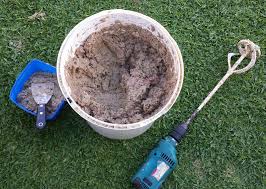
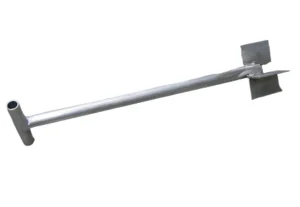
  • Offshore fishing: Use a burley pot attached to your boat’s transom for a steady release. Mash the burley with a basher to help it disperse.

  • Deep water: A burley bomb or net bag can deliver burley deeper, keeping the trail near your boat longer.

Final Tips for Successful Burley Fishing

Burley can be used from both shore and boat. It may take some trial and error to get your mix, quantity, and timing just right, but the results are worth it. A consistent burley trail can help you attract Cobia, Mackerel, Snapper, and other species to your line and significantly improve your catch rates.

Gold Coast Game Fishing Report

Gold Coast Game Fishing Report January 2021

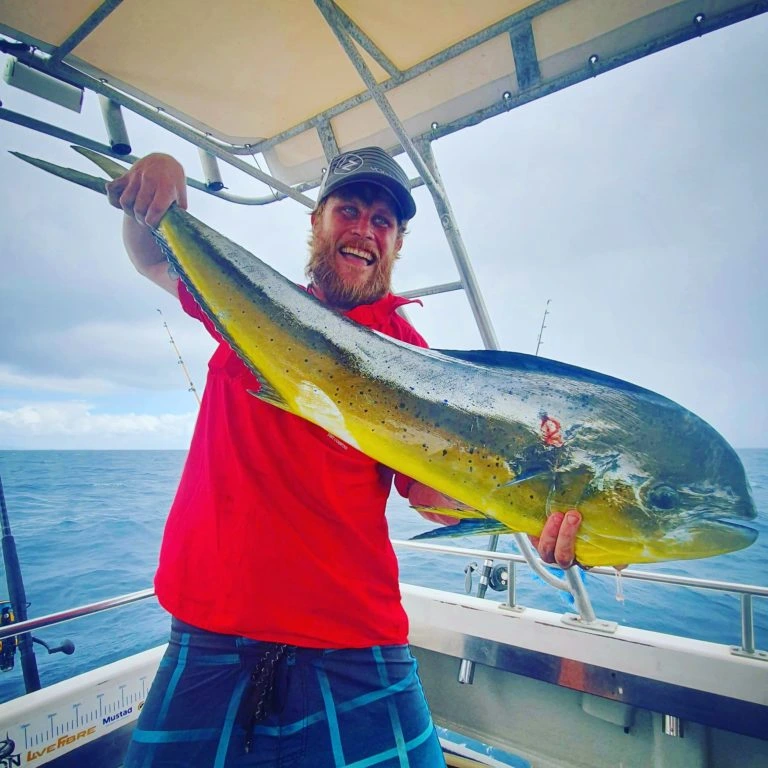
Marlin, Mahi mahi, Sailfish.

Well the Gold coast game fishing bite is on fire. Local anglers who haven’t heard about the red hot Black Marlin bite off the Gold coast must be at home hiding under their beds. Everybody is getting amongst the action. The current wet cycle of weather associated with the “La Nina” system has brought the fish down the coast in massive numbers.

Gold-coast-fishing

The Marlin bite began in late November but its become next level over the past couple of weeks, with multiple fish being caught some days on both the close and wider grounds.

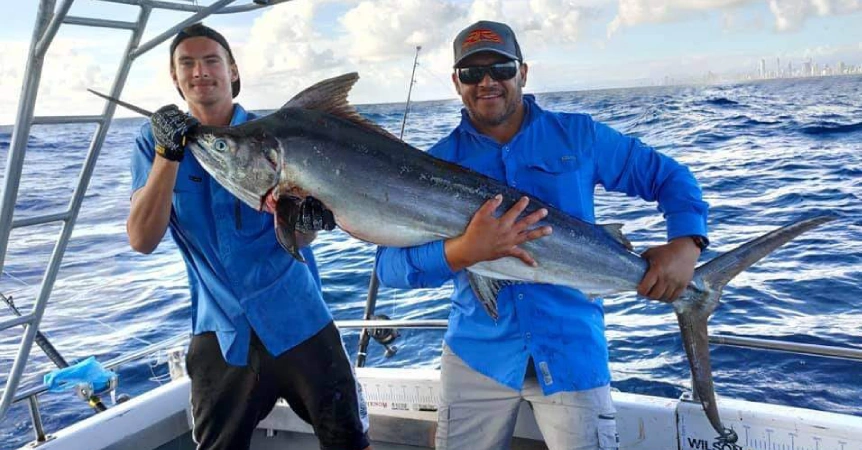
Most of this run of Black marlin are on the smaller size in the 40-60kg range. However there has been some bigger sized fish amongst them. With some fish up to around the 100kg size.
Fish are being caught between 24s and 50 fathom grounds using both live baits and trolling skirts. Find the bait and you will find the bigger predators lurking nearby.

At the same time offshore, around the 36s and the local Fads Mahi mahi have turned up in good numbers. They have been widespread across between the 24 fathom and 50 fathom grounds. If you are lucky enough to find them on the FADs you will be rewarded with multiple fish. Casting pilchards or small live baits has proven very successful, but plenty have been caught trolling skirts too.
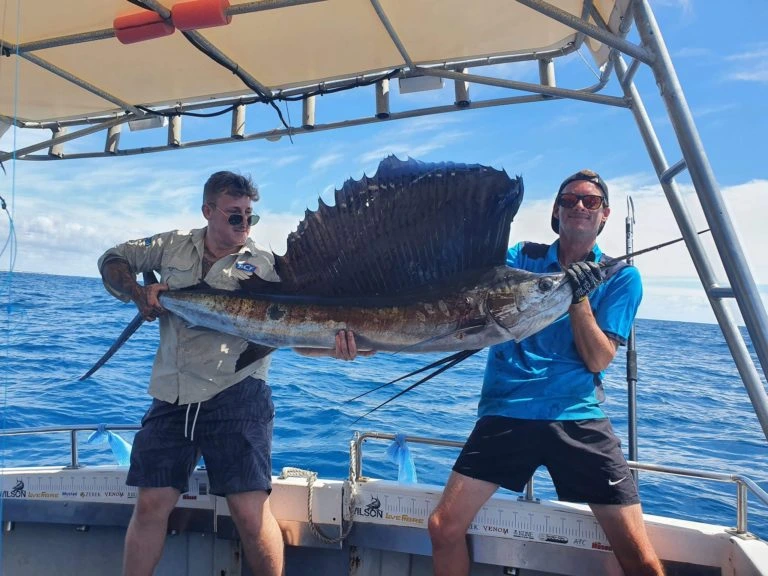
Sailfish are also on the prowl with our vessel “Seaquest” catching a smaller specimen earlier this week. Other sightings have also been reported around the FAD located off the casino in 24 fathoms.

Gold Coast Game Fishing – Mackerel and Wahoo

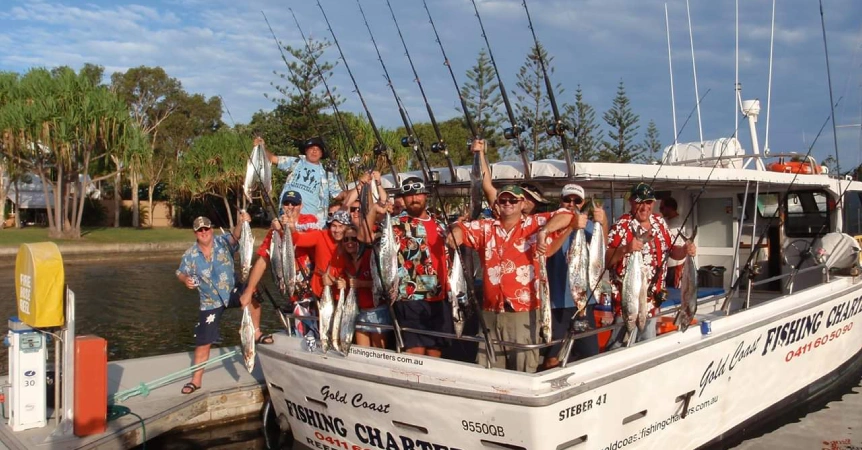
Spotted Mackerel have also shown up in reasonable numbers on the local hot spots. Palm beach reef and Mermaid reef have been firing some days. There has also been a few Spaniards in the mix too. Other spots to try including the 12 fathom bait grounds southeast of the seaway and the local 18 fathom grounds. Spotties are responding well to pilchard tails, while the Spanish tend to prefer live Yakkas, Slimies or Trolled hard bodies such as Halco laser pros. Wahoo have also arrived between the 24 and 50 fathom line, with our vessel Fat hooker bagging a nice specimen on a trolled skirt in 75 metre’s of water. Get out and get amongst them before they are gone.
Corporate Fishing Charters Gold Coast

Corporate Fishing Charters and Cruises

Planning a memorable evening with work colleagues and clients? Want to give your staff a day toMV SeaQuest fishing vessel cruising offshore Gold Coast remember? Why not consider one of our corporate Gold Coast fishing charters or one of our Broadwater cruises. Above all, there is no place nicer than the Gold Coasts waterways to hold such an event.

For fulfilling all your corporate charter requirements. Likewise True-blue fishing charters are here to help. We are an Australian family-owned Gold Coast business proudly owned and operated by a team of dedicated staff who are passionate about being out on the water doing what we do best.

Accordingly, our friendly staff and experienced crews are experts in the field of fishing and vessel operations. We are always ready to offer you the best corporate fishing charters on the Gold Coast that you and your staff will remember forever.

Corporate Fishing Charters and cruises

Fat Hooker fishing charter boat Gold Coast – large 16-passenger vessel built for offshore deep sea fishing.The best setting for offering a unique corporate charter loaded with action packed moments and thrill is to go with a group of like minded people. We can cater for groups of up to 30 people over two boats.
True blue Fishing is here to offer a totally relaxing, enjoyable, fun filled fishing charter or Broadwater cruise for your staff. With True blue Fishing charters, you don’t have to worry about anything. Just let us know your requirements and the rest will be organised by us..
There are several different types of corporate charter packages available. You can get full day or half day  deep sea fishing adventures. Broadwater party cruises for occasions, and sunset cruises.

Broadwater cruises

Similarly, if you’re up for some calm water fishing during your Broadwater cruise, the option is available. True blue fishing charters has got a crew of expert fishermen with years of experience. Who are ready to help you in every way possible so that you can spend some quality time catching a variety of fish species. For providing the best fishing experience for you. True blue fishing can also offer refreshments, catering and entertainment at additional cost.
As a registered Gold Coast charter fishing vessel. Both of our boats are in current Queensland Department of Transport survey. They are also fully equipped with all required safety equipment.

There is a separate toilet, and comfortable seating and the boats are fully tackled up for both calm water and deep-sea fishing. Your safety is of paramount importance to us and Gold Coast fishing charters has got your best interests covered.

FADS Gold coast – Fish Aggregating Devices – Offshore Fishing

Gold Coast Fads – Fish Aggregating Devices
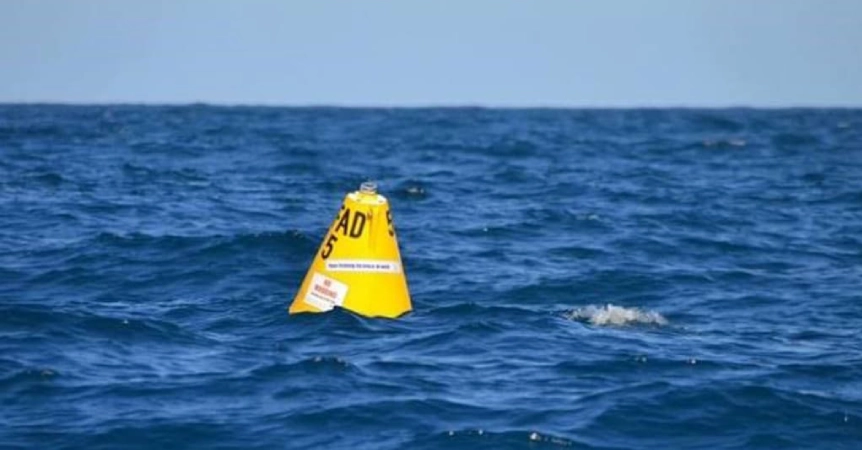
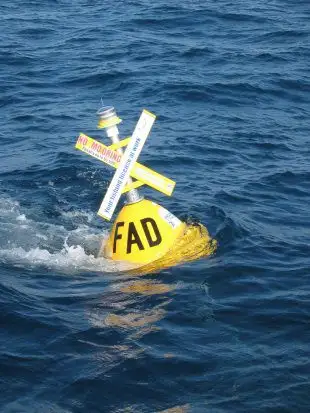
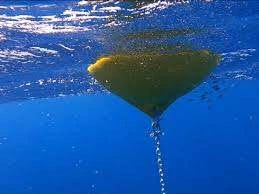
Fish aggregating devices (FADs) are man made structures that are anchored offshore in order to attract migratory fish. Usually in the form of a bouy attached to a rope or chain. These devices attract both bait fish and bigger pelagic species seeking food and shelter. Having schools of fish congregate around these fads makes them easier to find and catch, so you can enjoy a great fishing experience.
Fisheries have deployed several fads off the Gold Coast. These locations were identified through consultation with industry stakeholders. (taking into consideration environmental, shipping channel and commercial fishing locations).

Fish species attracted to Gold Coast FADs
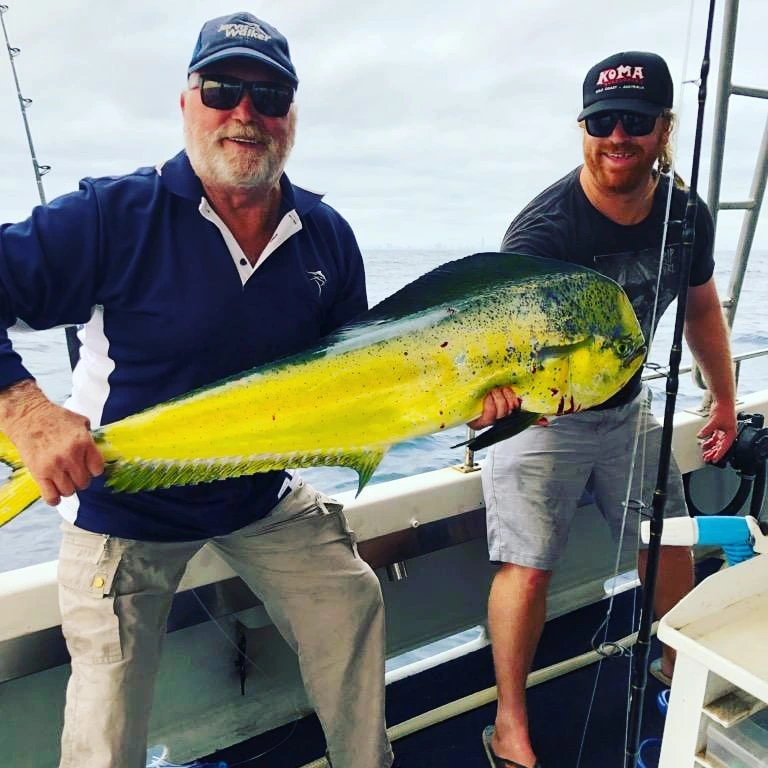
Most of the fish that are drawn in to the FADs are seasonal migratory pelagic species. These fish travel along the coast in the warm waters created by the East Australian Current. The most common species attracted to these devices is Mahi mahi. However other species like wahoo, tuna, cobia and mackerel are also known to visit offshore fads on their coastal journeys.


How to Fish the Fads

First and foremost. Do NOT moor your boat to the FAD. You risk damage the fad or its mooring. Not to mention that if you are caught by the relevant authorities, you will receive a hefty fine.

Generally speaking, you are best to work out the angle of drift, taking into account wind and current. Ideally you want to position your boat in a manner that you will drift past it. However, you don’t want to get too close and spook the fish. just close enough to be able to land your bait and lure close to it.

Anchoring close to it, is theoretically possible if you have good seamanship skills. However, I would advise against it. In the event your anchor drags you could end up tangle with the fad. This will result in the loss of your anchor and damage to these valuable fishing resources.
If you have an electric motor with spot lock, you have the best of both worlds and will be able to fish the fad without continually having to re position the boat.

Casting Lures and Baits at Gold Coast Fads

The main target species at most Gold Coast fads is Mahi mahi. These fast-growing acrobats can be finnicky and easily spooked. Lighter gear around 8-15kg is ideal. If you can get them smaller sized live yakkas or slimys are the gun bait.

Pilchards either whole or cut into smaller pieces will also get devoured if the fish are feeding. As for lures, small metal slugs, soft plastics or small hard bodies all work on certain days. often fish will follow but not strike. Mix up your retrieval rate and action, and don’t be afraid to keep trying different lures. Some days persistence pays off.

gold coast fadTrolling Lures

Trolling past the fads can also be an effective method to catch its local residents. Again, the key is not to spook the fish. Pass with your boat at least 15-20 metres away. if the fish are there you will often be able to see them lurking just below the buoy. Once you have passed the Bouy turn in so your lures drag past it closer. Sometimes several passes will be required to get a strike, other days you will get 1 or more on the first pass. Smaller skirts or jet heads work best.

Be Polite and Courteous

Fads can be very popular spots. Too many boats will spook the fish, and no one will catch the fish. If there are more than 2 or 3 boats working a fad. Move on and try another one or come back later. Don’t create mental health issues for others.

Fishing Charters to Fish the Fads

A good reliable seaworthy boat is the only way to get out to the fads. If you want to fish the fads but dont have a suitable boat or the confidence to head out wide. Why not gather up your friends and family for a full day Gold Coast fishing charter out to the wider grounds. Our Deep-Sea fishing charters work both the fads and the deeper 36 and 50 fathom reefs. For more information visit our full day charter page.