Gold Coast Snapper Fishing – A Handy Guide To Catching Snapper

Deep Sea Fishing

Gold Coast Snapper Fishing: Complete Guide to Catching Snapper Year-Round

Gold Coast snapper fishing is one of the most popular and rewarding styles of offshore fishing in South East Queensland. From shallow winter reefs to deep offshore structure, snapper are available year-round if you know where to look and how to target them. Experienced angler Ant Coughran shares his complete guide to snapper fishing on the Gold Coast, covering locations, bait, lures, techniques, and fish care.


Snapper Species on the Gold Coast (Pagrus auratus)

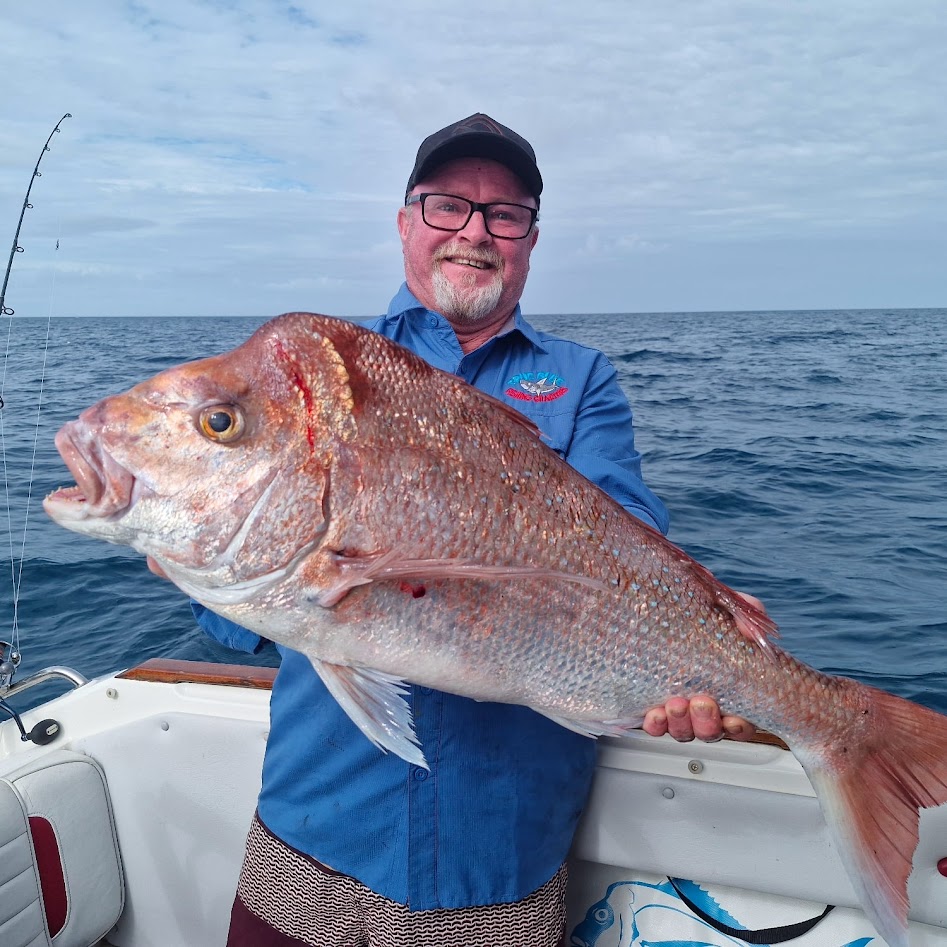
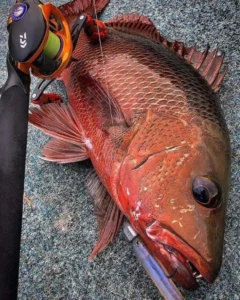
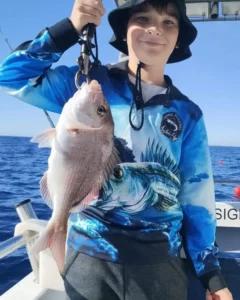
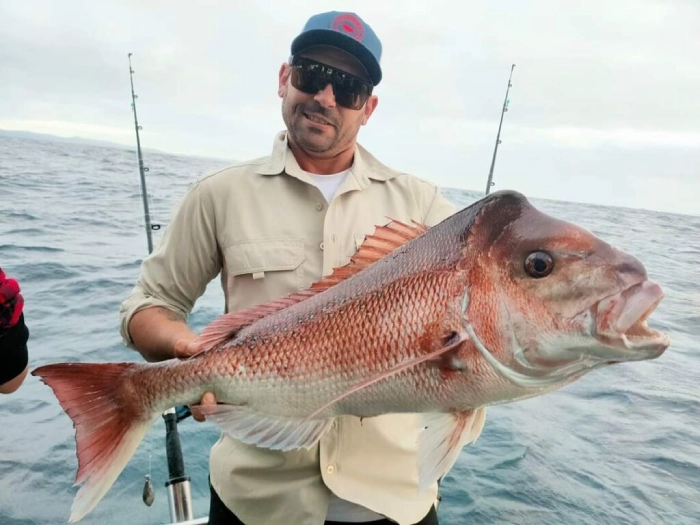
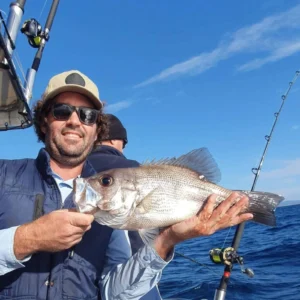
Several snapper species inhabit Gold Coast waters, but pink snapper are by far the most common.winter snapper Locally, they’re also known as squire, knobbies, pinkies, snaps, or snapper.
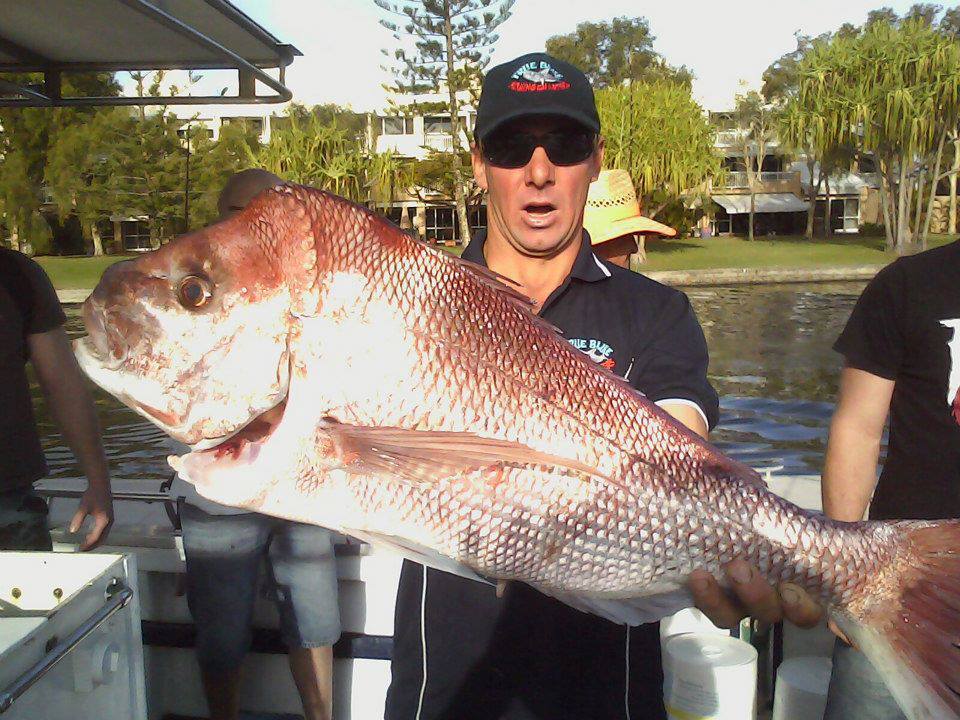
Snapper can be found while deep sea fishing on the Gold Coast, holding structure such as:

  • Coastal and offshore reefs

  • Shale and gravel bottoms

  • Reef edges and ledges

  • Wrecks and bombies

  • Shallow inshore reefs and bays (seasonal)

They’re commonly caught from shallow reefs right out to 200 metres of water. While snapper can be caught all year, larger snapper move into shallow reefs and bays during winter to spawn and feed, making this prime snapper fishing season on the Gold Coast.


What Do Snapper Eat?

Snapper are aggressive, opportunistic feeders with a broad diet, including:

  • Baitfishsnapper fishing

  • Squid and cuttlefish

  • Octopus

  • Prawns, shrimp, and crustaceans

  • Sea slugs and small sea cucumbers

  • Soft corals, cunjevoi, mussels, and clams

They are schooling fish and are often found stacked tightly on reef structure, especially during feeding periods.


Snapper Range and Fishing Regulations

Snapper range from Yeppoon, around southern Australia, and across to Karratha in Western Australia.

Queensland Snapper Regulations

  • Minimum size: 35cm

  • Maximum size: 70cm

  • One fish over 70cm allowed

  • Bag limit: 4 snapper

NSW Snapper Regulations

  • Minimum size: 30cm

  • Bag limit: 10 snapper

Always check current fisheries regulations before fishing, as rules can change.


Gold Coast Snapper Fishing Closed Season

In Queensland, snapper have a closed season from 15 July to 15 August, which applies to all QLD waters, including the Gold Coast.
Some NSW lakes and waterways also have snapper closures—always check with NSW DPI before fishing.


Best Baits for Gold Coast Snapper Fishing
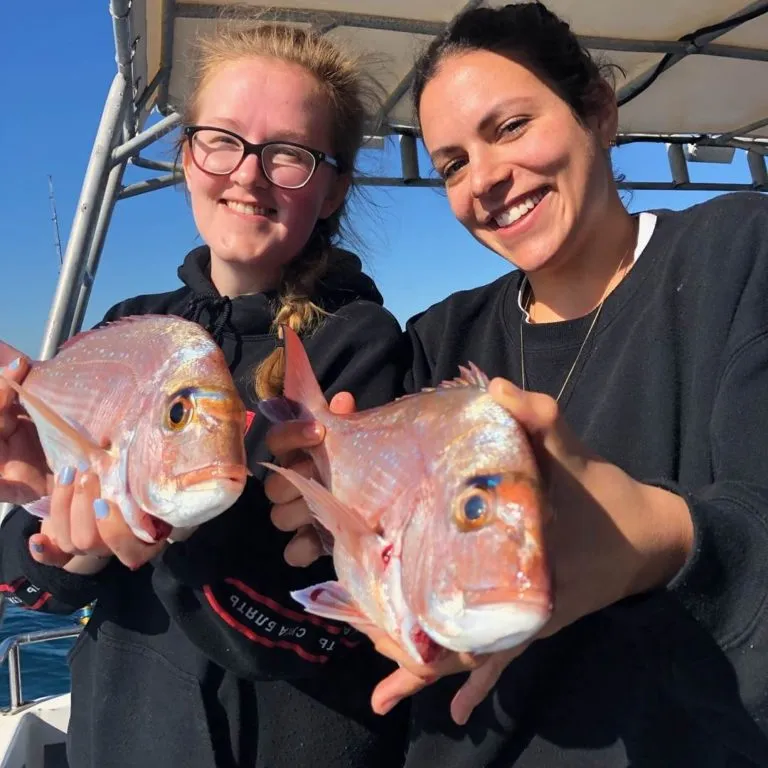
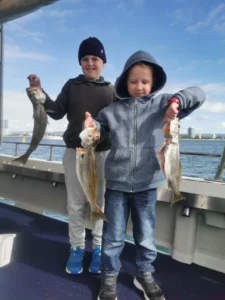
Snapper FishingThanks to their varied diet, snapper will take a wide range of baits. The most productive baits for Gold Coast snapper fishing include:

  • Pilchards (pillies)

  • Tuna

  • Yakkas

  • Pike

  • Mullet

  • Slimy mackerel

  • Garfish

  • Whiting

  • Squid and octopus

  • Prawns and small crustaceans

Proven Snapper Bait Combinations

  • “Cock in a sock”: Squid tube stuffed with a pilchard and injected with tuna oil

  • Pillie & strip bait combo: Half pilchard with tuna or mullet strip

  • Paternoster rigs:

    • Squid on top hook, pillie on bottom

    • Pillie on top, prawn on bottom


Best Gold Coast Snapper Fishing Techniques

Drift Baiting (Drift Lining)

Drift baiting is one of the most effective techniques for snapper fishing on the Gold Coast. It involvesGold coast Snapper drifting over reef structure while allowing lightly weighted baits to move naturally along the bottom.
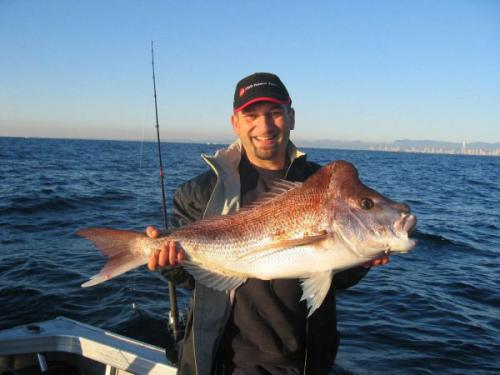
Recommended rig:

  • Light sinker

  • Single or double hook rig

  • Hook sizes: 4/0–6/0

  • Sinker weight adjusted for current

Cast 5–10 metres ahead of the boat and fish with an open bail arm, feeding line slowly to keep the bait just touching bottom. Reset when the line angles beyond 45 degrees. Many trophy Gold Coast snapper are caught using this method.


Bottom Bashing for Snapper

Bottom bashing is ideal when fishing heavier structure or stronger current.

Rig setup:

  • Snapper lead on the bottom

  • Two or three-dropper paternoster rig

  • Hook sizes: 4/0–8/0

Snapper leads are designed to bounce off reef structure, reducing snags. Flasher rigs with synthetic fibres are extremely effective when tipped with bait.


Gold Coast Snapper Fishing with Lures

Soft Plastics for Snapper

Soft plastics are one of the most effective and exciting ways to target snapper on the Gold Coast.Snapper
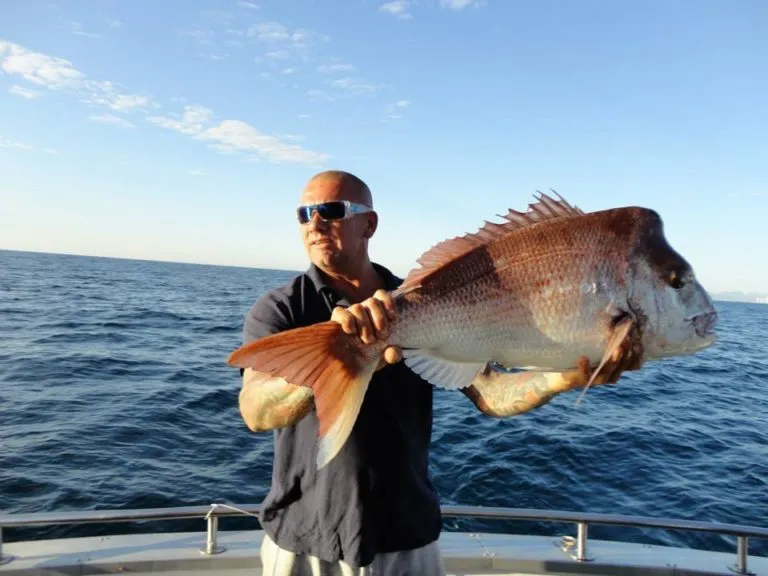
Recommended snapper setup:

  • 15–30lb braid

  • 20–40lb leader

  • 4000–6000 size reel

  • 20–30lb rod

Best plastic styles & colours:

  • 5–9 inch jerk shads, paddle tails, grubs, and minnows

  • Colours: pearl, pink, nuclear chicken, lime tiger, pink shimmer, pumpkin seed, bloodworm, and natural baitfish tones

Squid and octopus plastics paired with assist hooks dramatically increase hook-up rates.


Jig Heads for Snapper

Use heavy-gauge jig head hooks, as big snapper have powerful jaws that can straighten light hooks. Brands like Headlockz and Nitro perform exceptionally well. Jig head weight should match depth and current.


Jig Fishing for Gold Coast Snapper

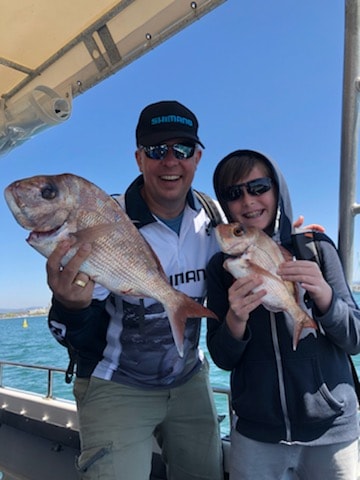
Micro and slow-pitch jigging is deadly on snapper:snapper fishing charters
  • 20–60g: up to 40m

  • 60–150g: 60–70m

  • 150–300g: up to 200m

Effective jig styles include flat-blade, flutter, pitch-shift, and slow-pitch jigs. Colours such as chrome, glow, pink, red, orange, and white all work well.

Fish vertically—once your line drifts past 45 degrees, wind in and reset.


Octo Jigs, Bucktails & Hardbodies

  • Octo jigs: Fished slowly or passively from a rod holder, trailing ~60cm off bottom

  • Bucktail jigs: Effective depending on conditions

  • Hardbody lures: Deep divers run via downrigger ~1m above the reef at 3–5 knots

Vibes & Blades

Vibes and blades are deadly for snapper in bays and shale areas. Assist hooks help reduce snagging while maintaining hook-up rates.


Snapper Care, Cleaning & Eating Quality

For best eating quality:

  • Gill-cut or throat-cut immediately

  • Brain spike

  • Place straight into an ice slurry

Snapper are easy to fillet and extremely versatile. Fillets can be cooked skin-on or skin-off—the skin is flavoursome and nutrient-rich.

Don’t waste the extras:

  • Wings: Excellent on the BBQ

  • Cheek meat: Sweet and tender

  • Frames: Ideal for fish stock and broths

Snapper are one of the most prized and versatile species available through Gold Coast snapper fishing.
Discover Currumbin – An Adventure Lover’s Oasis on the Gold Coast

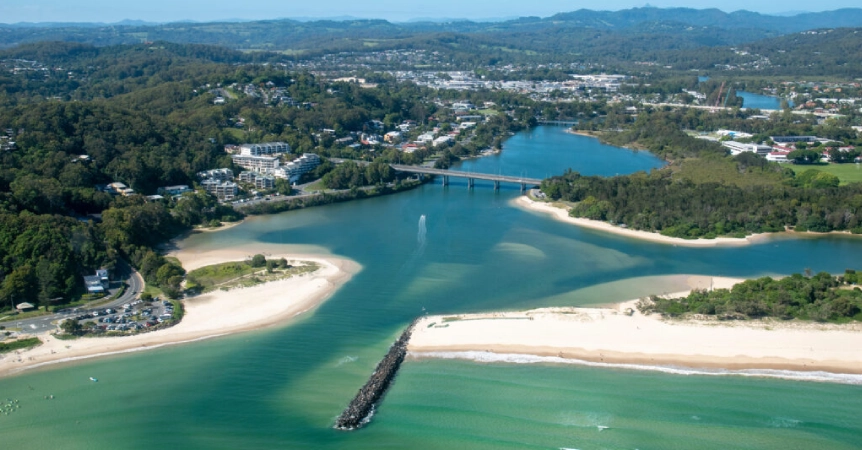
Discover CurrumbinNestled along the scenic Gold Coast of Australia, Currumbin is a hidden gem that seamlessly blends natural beauty with thrilling activities. In this article, we’ll take you on a journey through Currumbin’s pristine waters, diverse marine life, iconic attractions, and even its dog-friendly beach. Join us as we explore this coastal paradise and learn why Currumbin is a must-visit destination on the Gold Coast.
 

Currumbin Creek: A Water Wonderland

Currumbin Creek: A Water WonderlandCurrumbin Creek is the heart of this coastal haven, winding its way through lush mangrove forests and opening into serene estuaries. This idyllic waterway presents a myriad of activities that promise unforgettable experiences.
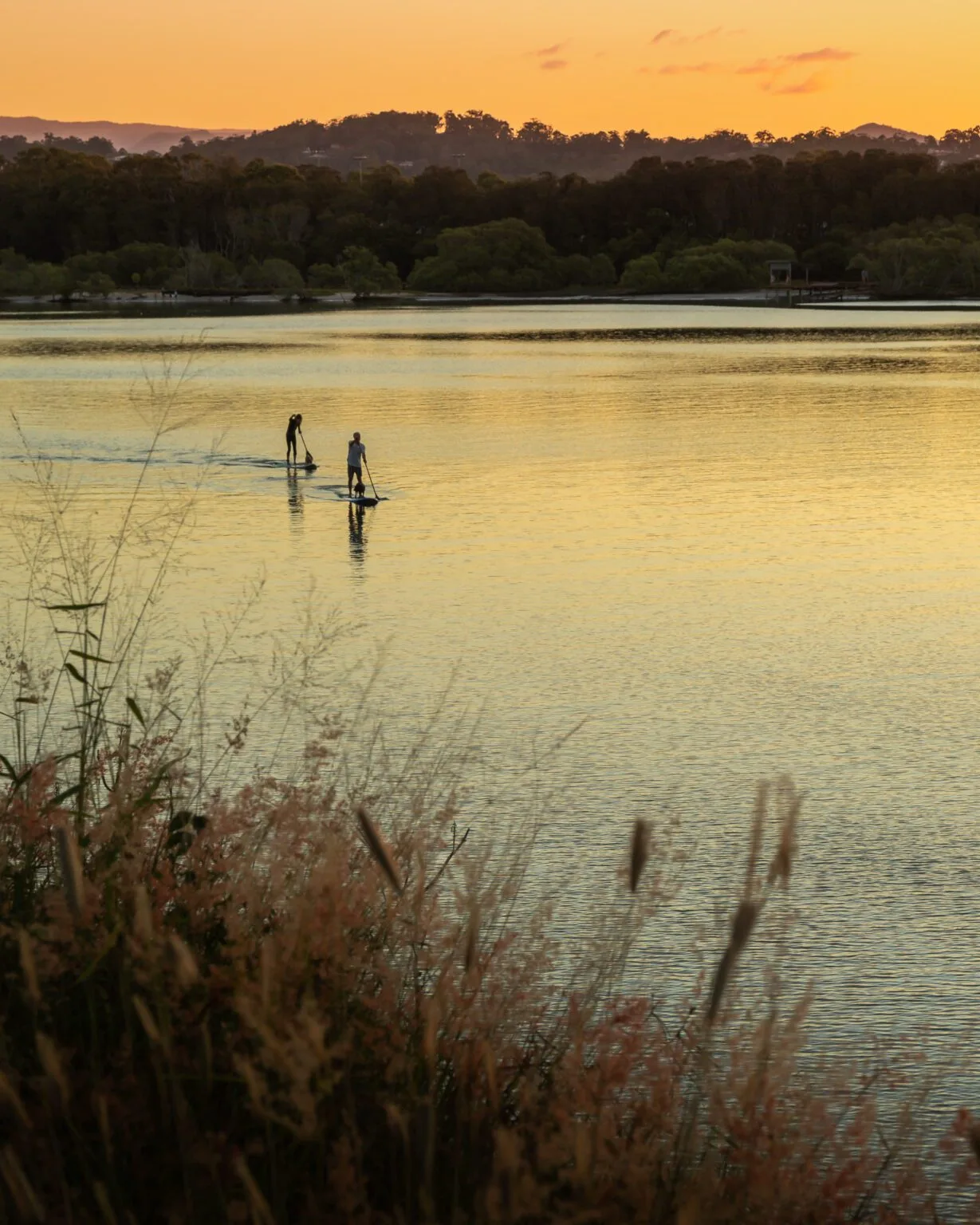
🏄‍♂️ Stand-Up Paddle Boarding (SUP) and Kayaking: Glide along the tranquil waters of Currumbin Creek on a paddleboard or kayak. With its calm and clear waters, the creek is an ideal spot for beginners and experienced paddlers alike. Explore hidden corners, observe wildlife, and soak in the peaceful atmosphere.

🦀 Crabbing Adventures: For those seeking a taste of local culture, try your hand at crabbing. Currumbin Creek is home to sand crabs and mud crabs, and you can join a guided tour to learn the ropes of this time-honored tradition. Catching your own seafood is a truly rewarding experience.

🎣 Fishing Extravaganza: Anglers will find Currumbin Creek teeming with fish species. From the ever-elusive flathead and bream to the aggressive mangrove jack and the powerful giant trevally, there’s a challenge for every fishing enthusiast. In the upper freshwater reaches of the creek, you can even try your luck with Australian bass.

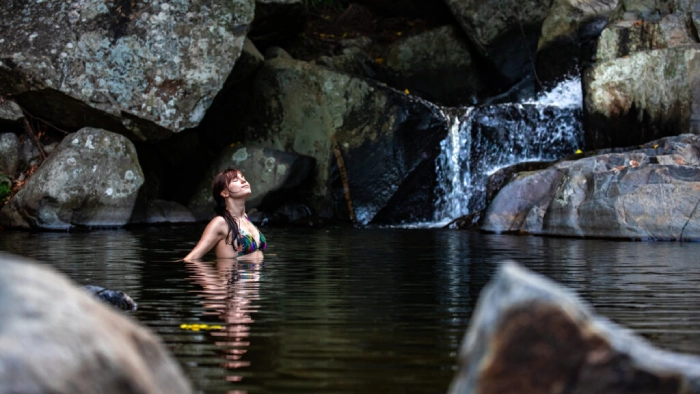
🏊‍♂️ Swimming in Currumbin Creek: When the sun is high and the Gold Coast heat beckons, both the Creek and the beach offer a refreshing respite. Its crystal-clear waters are not just for paddlers and anglers; they are also perfect for a leisurely swim. The calm and gentle currents make it a safe haven for swimmers of all ages. Dip into the creek’s inviting embrace, float with the tide, or simply bask in the shallows. With its stunning natural surroundings, Currumbin Creek provides a unique swimming experience that’s both relaxing and invigorating.

Surfing at Currumbin Alley: A World-Famous BreakSurfing at Currumbin Alley: A World-Famous Break
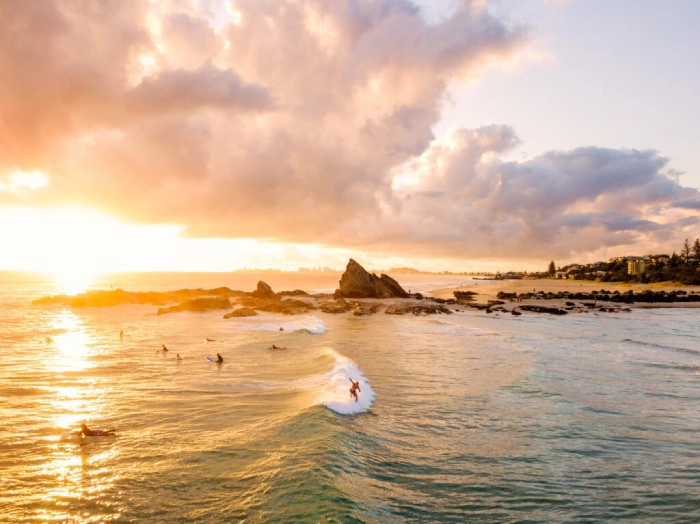
For surfers, Currumbin Alley is a legendary spot. This world-renowned surf break offers consistently great waves suitable for all levels of surfers, making it perfect for beginners and seasoned riders alike. Catch a wave and ride the swells as you soak up the sun and the exhilarating surf culture that defines the Gold Coast.

Wildlife Encounters at Currumbin Wildlife Sanctuary

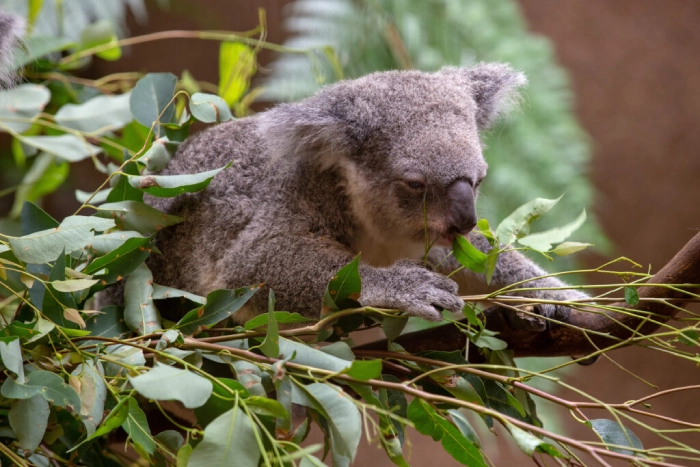
No visit to the region is complete without a trip to the Currumbin Wildlife Sanctuary. This iconic attraction is home to a diverse array of Australian wildlife, including koalas, kangaroos, and lorikeets. Get up close and personal with these incredible creatures, and don’t miss the daily lorikeet feeding, a spectacular avian spectacle that’s a must-see.

Dog-Friendly Beach: Paradise for Four-Legged Friends

Dog-Friendly Beach: Paradise for Four-Legged Friends

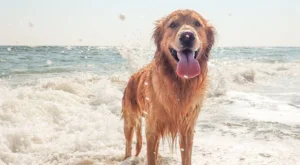
For those traveling with their furry companions, Currumbin boasts a dog-friendly beach that’s a true paradise for both pets and their owners. The southern end of the eastern Beach is designated as an off-leash area, allowing your dogs to frolic freely in the sand and surf. Watch as they chase waves, dig in the sand, and make new doggy friends. It’s a wonderful spot to enjoy the sun and sea together, creating cherished memories with your four-legged family members. Just remember to follow the local regulations and keep your dog under control while respecting the natural environment and other beachgoers.

Currumbin on the Gold Coast

In summary, Currumbin on the Gold Coast is a paradise for those seeking water adventures, natural beauty, and close encounters with Australia’s unique wildlife. Whether you’re paddling down Currumbin Creek, testing your fishing skills, catching waves at Currumbin Alley, or making new furry and feathered friends at the wildlife sanctuary, Currumbin has something to offer every traveler. Come and discover this coastal oasis where adventure meets relaxation in perfect harmony.


Exploring the Enchanting Gold Coast Hinterland: Mt. Tamborine, Historic Villages, and Natural Wonders”

Hinterland

Exploring the Enchanting Gold Coast Hinterland: Mt. Tamborine, Historic Villages, and Natural Wonders”

Exploring the Enchanting Gold Coast Hinterland

Nestled just a short drive from the bustling beaches of the Gold Coast, the Gold Coast Hinterland beckons with its lush rainforests, charming historic villages, and a tapestry of experiences waiting to be discovered. In this article, we’ll take you on a journey through this hidden gem, where you can explore Mt. Tamborine, stroll through historic villages, browse antique shops, savor delightful cafes, and sip wine at boutique wineries while immersing yourself in nature’s beauty.


Mt. Tamborine: The Jewel of the Hinterland

Mt. Tamborine: The Jewel of the Hinterland

Mt. Tamborine, a breathtaking plateau in the Gold Coast Hinterland, stands as a testament to the region’s natural beauty. This lush oasis is home to ancient trees, vibrant flora, and fauna that captivate visitors year-round. It’s a must-visit for nature enthusiasts.

🌳 Rainforest Retreats: Begin your journey by immersing yourself in the lush rainforests. The Tamborine Rainforest Skywalk offers a mesmerizing experience, with raised walkways that take you through the treetops, providing a unique perspective of this ancient ecosystem.

🥾 Bushwalking Bliss: For those seeking adventure, numerous trails await. The Cedar Creek Falls circuit, for instance, leads to a stunning waterfall where you can cool off on a warm day. Don’t forget your camera; the scenery is simply breathtaking.

Historic Villages and Antique Shops

Historic Villages and Antique Shops

The Gold Coast Hinterland boasts several historic villages that seem frozen in time. Tamborine Mountain, in particular, offers a charming glimpse into the past.

🏘️ Tamborine Village: Stroll along Gallery Walk, where you’ll find a treasure trove of boutiques, art galleries, and antique shops. Collectors will revel in the unique finds that whisper stories of yesteryears.

☕ Cafes and Delights: When hunger beckons, the quaint cafes in the area serve up delectable treats. Whether it’s freshly baked pastries, artisan coffee, or farm-to-table cuisine, there’s something to satisfy every palate.

Boutique Wineries and Tasting AdventuresBoutique Wineries and Tasting Adventures

Wine connoisseurs will appreciate the Hinterland’s burgeoning wine scene.

🍷 Wine Tasting: Set aside time to explore boutique wineries such as Witches Falls Winery and Cedar Creek Estate Vineyard & Winery. Sip on locally produced wines as you savor the region’s flavors.

The Magic of Waterfalls and Scenic Vistas

The Magic of Waterfalls and Scenic Vistas

The Gold Coast Hinterland is adorned with cascading waterfalls and panoramic vistas that will leave you spellbound.

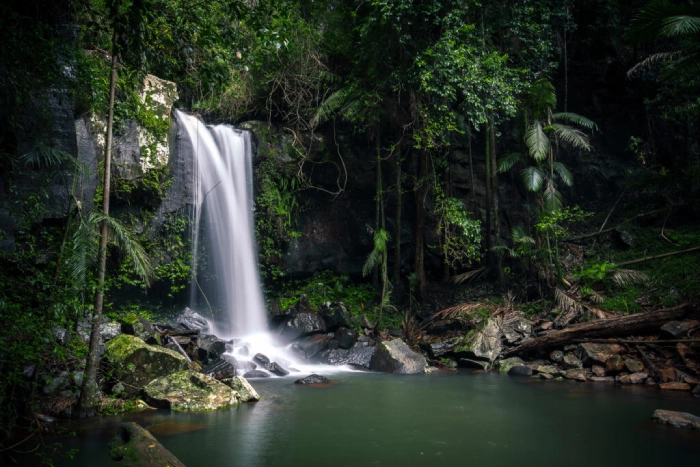
💦 Waterfall Wonderland: In addition to Cedar Creek Falls, don’t miss Curtis Falls, which provides a serene backdrop for a leisurely stroll. The mesmerizing falls are a photographer’s dream.

🌄 Scenic Beauty: As the sun sets, take in panoramic views from Tamborine Mountain Lookout. The sweeping vistas of the Gold Coast skyline are nothing short of magical.

Gold Coast Hinterland is a haven of natural beautyIn conclusion, the Gold Coast Hinterland is a haven of natural beauty, historic charm, and delightful experiences. Whether you’re meandering through antique shops, indulging in café delights, or immersing yourself in the wonders of Mt. Tamborine’s rainforests and waterfalls, this enchanting destination offers something for every traveler. Plan your escape to the Gold Coast Hinterland and uncover its hidden treasures today.


A Comprehensive Guide to Gold Coast Prawning: Discover and Savor the Best

Prawning

A Comprehensive Guide to Gold Coast Prawning: Discover and Savor the Best

A Comprehensive Guide to Gold Coast Prawning

Comprehensive Guide to Gold Coast Prawning

Are you ready to dive into the exciting world of Gold Coast prawning? Our comprehensive guide offers everything you need to know about this thrilling aquatic activity. From identifying prawn species to selecting the right equipment, understanding bag limits, and preserving your catch, we’ve got you covered.

Exploring Gold Coast’s Diverse Prawn Species 🦐 The waters of South East Queensland (SEQ), the Gold Coast, and

Far Northern NSW teem with a variety of prawn species. Here are the most common ones found in our region:

Far Northern NSW teem

  1. Banana Prawn (Penaeus merguiensis, Penaeus indicus): These prawns are prevalent from Shark Bay in WA to Northern NSW, growing up to 34cm long. Their prime season runs from November to May.
  2. School Prawn (Metapehaeus macleayi): Located from mid Queensland to the SE Victoria border, school prawns can reach sizes of up to 25cm and share a season similar to banana prawns, from November to May.
  3. Tiger Prawn (Penaeus monodon): Tiger prawns come in three subgroups – black, brown, and grooved. They are found from mid-coast NSW to Shark Bay in WA, growing up to 33cm. Each subgroup has its peak season but is generally caught year-round.
  4. Eastern King Prawn (Penaeus plebejus): These prawns are found all along the east coast, from Tasmania to the Gulf. Mainly caught by offshore trawlers, they can reach sizes of up to 30cm.
  5. Coral Prawn: Various genera of coral prawns inhabit coastal reefs along the east coast, with trawlers primarily catching them around reefs and gritty bottoms.
  6. Mantis Shrimp: With over 125 different species in Australian waters, mantis shrimp can be found around Australia, from estuaries to coastal flats and out to the shelf in 1500m. They are mainly caught by hand or as by-catch from trawlers or line fishermen. Morton Bay and inshore reefs are great places to find them by hand.

Bag Limits, Handling, and ConservationBag Limits, Handling, and Conservation 🦐 When prawning on the Gold Coast, it’s crucial to adhere to bag limits: 10 liters per person with a boat limit of 20 liters for two or more people. Remember that bag limits apply not just during your trip but also to your entire catch, including what you have in your fridge, freezer, or bait.

Handling prawns requires caution as they possess two sharp spikes used as defense mechanisms, one on their head and one on their tail. Prawns molt their shells regularly, undergoing pre-moulting and post-moulting stages, which last from 10 to 12 days and 2 to 6 days, respectively.

Understanding Prawn SpawningUnderstanding Prawn Spawning and Life Cycle 🌊 Prawns are prolific reproducers, with a single female releasing hundreds of thousands of eggs each spawn. Fertilized eggs hatch within 24 hours, and the larvae of different prawn species exhibit distinct behaviors. Some drift shoreward to the shallows, while others head to reefs, gritty trenches, and shale bottoms.

Most prawns live for one to two years and die after spawning. Their early weeks are spent drifting, with some eventually making their way up into estuaries and then back out to the sea to spawn.

Prime Prawn Hunting Grounds 🏞️ Finding prawns involves understanding their preferred habitats:

  • Banana Prawns: These prawns school up in estuaries and bays, often in 18ft (5.5m) to 40ft (12m) depths, depending on their movements.
  • School Prawns: Love the shallows, typically found in 2m to 8m of water, especially in small holes.
  • Tiger Prawns: Can be found in various depths, often around weed beds and drains, with spotlights and scoop nets being effective tools.

Utilizing Sounders and Nets for Successful PrawningUtilizing Sounders and Nets for Successful Prawning 🎣 Sounders, including down scan and side scan, are invaluable tools for locating prawns. In shallow waters, side scanning can help spot prawns along banks or sandbars. Cast your net behind your boat for better results.

When prawns are abundant, they can obscure your sounder with large clusters and may even skip out of the water.

Selecting the Right Cast Nets for Different Conditions 🌊 Various cast nets are suitable for different conditions and spots:

  • Bottom Pocket: Ideal for shallows (up to 3m) near drains, sand, and weed beds.
  • Top and Bottom Pocket: Suitable for mid-depth waters (1m to 6m).
  • Drawstring: Effective in deep water with rough or snaggy bottoms when prawns are near the surface.
  • Top Pocket: The preferred net for prawning, excellent in depths of 4m to 30m. It captures prawns in the top pocket, offering an exciting experience for prawners.

Scoop Nets and Haul Nets for Shallow PrawningScoop Nets and Haul Nets for Shallow Prawning 🦞 Scoop nets from pet or two-dollar shops are great for prawning. You can also create your own scoop net by bending wire into a hoop shape and attaching mesh. Haul nets are registered and perfect for capturing shallow prawns, particularly school prawns.

Weights for Nets: Finding Your Preference 🌊 Select weights based on personal preference. Lead sinks quickly but may snag. Chain sinks slower but is less prone to snags. Rings are noisy and can snag but have a moderate sinking rate. Try each type to determine which suits your needs best.

Preserving and Cleaning Your Prawns for Maximum Freshness 🍤 To preserve prawns, place them in an icy slurry immediately after catch, adding salt to enhance preservation. While you can freeze prawns, they are best consumed fresh or within three weeks of freezing.

Unlocking Culinary VersatilityUnlocking Culinary Versatility 🍽️ Prawns are incredibly versatile seafood. You can prepare them in countless ways, from pasta dishes, curries, and stir-fries to grilling, frying, and adding to salads or sandwiches. Pair them with various ingredients, including meats, fruits, and veggies, to create mouthwatering dishes.

Responsible Prawning and Conservation 🌊 Follow bag limits, accurately identify your catch, and respect local regulations when prawning on the Gold Coast. If you’re uncertain about a species, take a photo and consult experts. Responsible prawning ensures a sustainable and enjoyable experience for all.

Gold Coast Offshore Fishing Report 2/10/2023

True Blue Fishing Charters

True Blue Fishing Charters – Weekly Fishing Report 🎣

Fishing enthusiasts, hold onto your reels! It’s been an exceptional week of angling adventures with True Blue Fishing Charters. The Gold Coast’s waters have been sizzling with action, and our customers have been reeling in some remarkable catches. Here’s the latest update on the fishing frenzy:

Mahi Mahi Mania


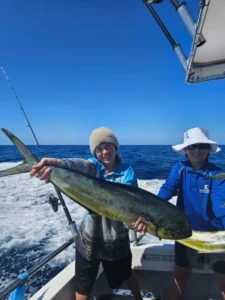
Mahi Mahi Mania at the Fads 🌟 Mahi Mahi enthusiasts, this one’s for you! The Fads have been the go-to spot for Mahi Mahi, and they’re biting ferociously. Anglers have had great success using unweighted pilchards and the occasional lucky catch on trolled skirts. The vibrant colors and thrilling fights of Mahi Mahi are making for unforgettable moments on the water.


Dropping down to the 36-fathom grounds


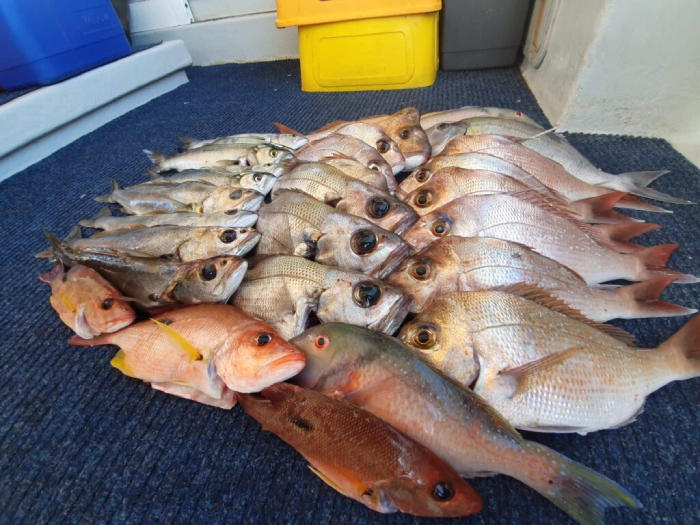
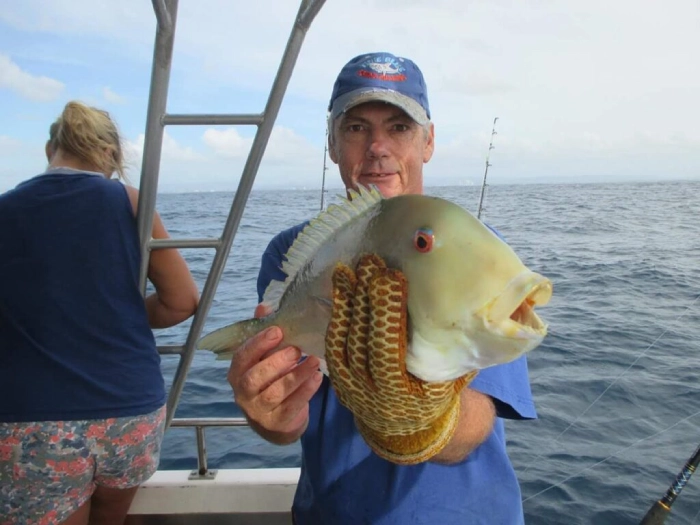
36 Fathom Ground – Snapper, Pearl Perch, and Venus Tuskfish 🐟 Dropping down to the 36-fathom grounds has been a fruitful endeavor. Snapper, pearl perch, and venus tuskfish are making appearances, and they’re eager to nibble on pilchards, squid, and our trusty squidtrex jigs.These deep-sea treasures are providing anglers with some fantastic battles and delicious rewards.


Cobia Extravaganza


Cobia Extravaganza at the 24 Fathom Reefs 🌊 The 24-fathom reefs are buzzing with action as Cobia take center stage. Live yakkas and slimies have been the preferred bait, and they’re proving irresistible to these powerful fish. Cobia are renowned for their tenacity and incredible strength, making every catch an adrenaline-pumping experience.


Early Morning Snapper on the 18 Fathom ReefsEarly Morning Snapper on the 18 Fathom Reefs 🌅 If you’re an early riser, you’re in for a treat. Head to the 18-fathom reefs in the morning hours, and you might just land yourself some snapper. These delicious and highly sought-after fish have been making appearances, providing the perfect start to a day of angling.

Our charters have been bustling with happy customers, and we couldn’t be more thrilled to share these exciting fishing opportunities with you. Whether you’re a seasoned angler or a newcomer looking for an unforgettable experience, True Blue Fishing Charters has you covered.

Don’t miss out on the action! Book your charter today and join us for an incredible day on the Gold Coast’s beautiful waters. Let’s make your fishing dreams a reality. 🌊🐟

#TrueBlueFishingCharters #FishingReport #GoldCoastFishing #MahiMahi #Cobia #Snapper #PearlPerch #VenusTuskfish #HappyCustomers Our Partners

The Thrill of Catching Blue Swimmer Crabs in the Gold Coast’s Serene Waterways

Catching Crabs

The Thrill of Catching Blue Swimmer Crabs in the Gold Coast’s Serene Waterways

The Gold Coast is renowned for its stunning beaches and pristine waters, but it also offers a hidden gem for crab enthusiasts. Blue swimmer crabs, also known as sand crabs, inhabit the tranquil waters of the Gold Coast Broadwater, as well as its many rivers and creeks, including the Nerang River, Coomera River, Currumbin Creek, and Tallebudgera Creek. In this article, we’ll delve into the art of catching these delectable crustaceans, from the best baits to ideal spots, and the equipment you’ll need.

Bait Selection: Unveiling the Crab’s Culinary Preferences

1. Bait Selection: Unveiling the Crab’s Culinary Preferences

Before you embark on your crabbing adventure, it’s essential to know what appeals to blue swimmer crabs. Mullet, tuna, and other oily fish make excellent bait choices. These strong-smelling and oily baits are irresistible to crabs, luring them into your traps.

Crab Pots and Dillies: Setting the Stage for Success

2. Crab Pots and Dillies: Setting the Stage for Success

To catch blue swimmer crabs effectively, you’ll need the right equipment. Crab pots and dillies are the go-to tools for most crabbers. These devices allow crabs to enter but not exit, making them an efficient and ethical choice for harvesting. Make sure your pots and dillies meet local regulations.

3. Targeting the Right Spots: Where to Find Blue Swimmer Crabs

Blue swimmer crabs are commonly found in sandy banks and along the edges of channels. These areas provide the crabs with sandy substrates for burrowing and the opportunity to feed on passing food particles in the water. Look for spots with minimal boat traffic, as crabs tend to shy away from noisy disturbances, and pot lines can foul propellors.

The Nerang River: A Crabbing Paradise4. The Nerang River: A Crabbing Paradise

The Nerang River is a favorite among crabbers on the Gold Coast. Its calm waters, especially around Southport and the southern reaches, provide ideal conditions for catching blue swimmer crabs. Explore the riverbanks and find those sandy patches where the crabs like to hide.

5. Coomera River: A Hidden Gem for Crab Enthusiasts

Coomera River offers a quieter alternative for crabbing. Head to the upper reaches of the river for a more tranquil experience. Remember to secure your crab pots along the sandy stretches and avoid areas with heavy boat traffic.


6. Currumbin Creek and Tallebudgera Creek: Serenity and Crabs

Currumbin Creek and Tallebudgera Creek: Serenity and Crabs

For a serene crabbing experience, Currumbin Creek and Tallebudgera Creek are excellent choices. These peaceful waterways wind through scenic landscapes and are known for their crabbing potential. Set your pots along the creek edges, and you might just be rewarded with a bounty of blue swimmer crabs.


7. The Gold Coast Broadwater: A Great Spot for Crabbing

The Gold Coast Broadwater is undeniably one of the best spots for crabbing. With its expansive, shallow waters and sandy banks, it provides an ideal habitat for blue swimmer crabs. Be sure to anchor your pots along the edges of the Broadwater, where the crabs are known to thrive.


Patience and Respect: The Key to Successful Crabbing

8. Patience and Respect: The Key to Successful Crabbing

Catching blue swimmers in the Gold Coast’s waterways is a relaxing and rewarding experience. However, it’s essential to exercise patience and respect for both the environment and the local regulations. Always check the size and bag limits for blue swimmer crabs in the area you’re crabbing.

In conclusion, the Gold Coast offers a unique opportunity to savor the delights of blue swimmer crabs in some of the most tranquil and picturesque settings, including the Gold Coast Broadwater. With the right bait, equipment, and knowledge of where to look, you can enjoy a memorable crabbing adventure while avoiding areas of high boat traffic. So, grab your crab pots, set your dillies, and embark on a crabbing journey to remember in the Gold Coast’s serene waterways!

Women Empowering the Local Fishing Industry

The Rising Tide: IntroductionIntroduction

Fishing has long been considered a traditionally male-dominated pastime, but times are changing, and the tides are turning. In recent years, there has been a significant surge in the number of women taking up fishing as a hobby, and many are even pursuing it as a serious passion. This shift is evident in the increasing number of women who regularly embark on fishing charters and prove their prowess by catching quality fish. In this article, we will explore the growing popularity of fishing among women and the positive impact they are having on the fishing industry.


Empowering Women in Fishing


1. Empowering Women in Fishing

Fishing is no longer just a “man’s world.” Women are breaking down stereotypes and stepping onto boats, ready to cast their lines and reel in some incredible catches. This empowerment stems from various factors, including increased access to fishing information, a more inclusive and welcoming fishing community, and a desire for outdoor adventure.


Women on Fishing Charters

2. Women on Fishing Charters

One clear sign of this rising trend is the growing presence of women on fishing charters. These charters offer guided fishing experiences, and women are increasingly seizing the opportunity to be a part of them. Whether it’s a day trip on a calm lake or an offshore adventure in the open sea, women are not only participating but excelling.

3. Quality Catches by Women

It’s not just about participation; women are proving their skills by catching quality fish. Many female anglers have mastered the art of fishing and regularly land impressive catches. This trend is encouraging other women to give fishing a try, as they see their peers achieving success on the water.

Supportive Fishing Communities


4. Supportive Fishing Communities

A welcoming and supportive fishing community has played a crucial role in encouraging women to take up fishing. Women’s fishing clubs and online communities have sprung up, providing a platform for sharing experiences, tips, and stories. These spaces foster a sense of camaraderie and help women build confidence in their fishing abilities.


Fishing Equipment Tailored for Women

5. Fishing Equipment Tailored for Women

As the number of female anglers has grown, so too has the demand for fishing equipment designed specifically for women. Fishing gear manufacturers have responded by producing rods, reels, and apparel tailored to women’s needs, making fishing more comfortable and enjoyable for them.

6. Promoting Conservation

Women in fishing are not only concerned with the sport itself but also with the preservation of aquatic ecosystems. Many female anglers are active advocates for sustainable fishing practices and conservation efforts. Their passion for nature and the environment contributes positively to the industry’s image.


The Rising Tide: Conclusion7. Conclusion

The fishing world is witnessing a sea change, with women taking the lead in what was once a male-dominated arena. From participating in fishing charters to catching quality fish and promoting conservation, women are making a significant impact on the industry. This shift not only diversifies the fishing community but also enriches it with new perspectives and talents. As women continue to embrace the joys of fishing, the industry can look forward to a bright and inclusive future.

In summary, the rise of women in fishing is a remarkable phenomenon that is changing the face of the sport and contributing to its growth. Female anglers are not only catching quality fish but also shaping a more diverse and inclusive fishing community. This empowering trend is a testament to the enduring appeal of fishing and its ability to bring people of all backgrounds together in the pursuit of adventure and connection with the natural world.

Nerang River Fishing: A Paradise for Anglers and Nature Enthusiasts

Nerang River Fishing

Intro: The Nerang River, nestled within the scenic Gold Coast of Australia, is a haven for both fishing enthusiasts and nature lovers alike. This beautiful waterway offers a diverse range of fishing experiences, from chasing saltwater species like Bream, flathead, whiting, mangrove jack, and mulloway in the lower reaches to seeking out freshwater delights like the Australian bass in the upper reaches. In this article, we’ll explore the unique charm of the Nerang River and the bountiful fishing opportunities it presents.

Nerang River Fishing1. Saltwater Fishing Extravaganza: The lower reaches of the Nerang River are a saltwater angler’s paradise. Here, you can target a variety of sought-after species:
– Bream: Known for their challenging fight and delectable taste, Bream are a favorite catch among local anglers. They can be found near structure, such as bridges and jetties, waiting to strike your bait.

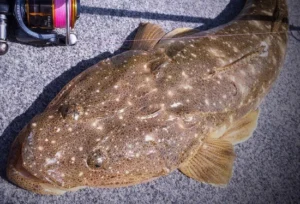
– Flathead: The Nerang River’s shallow flats are prime hunting grounds for flathead. These cunning predators can be taken using lures or live bait, offering a thrilling challenge for anglers.

– Whiting: Sandbanks and estuarine zones are home to the ever-popular whiting. These delicious fish are renowned for their distinctive bite, making for an exciting fishing experience.

– Mangrove Jack: These fiery red fish are known for their strength and aggression. Target them around submerged structure and mangrove-lined areas for an exhilarating battle.

– Mulloway: The mighty mulloway is the apex predator of the Nerang River. Landing one of these impressive fish is a testament to your angling skills and patience.

Australian Bass2. Exploring the Upper Reaches: As you venture further up the Nerang River, you’ll discover a change in scenery and a new fishing experience. The upper reaches of the river offer a freshwater haven, with a focus on one particular species:
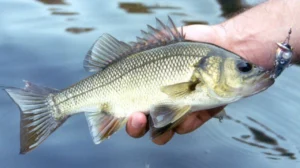
– Australian Bass: The Nerang River’s upper reaches are teeming with Australian bass. These feisty freshwater fish are known for their aggressive strikes and acrobatic leaps. Casting lures or using bait can lead to thrilling battles with these prized catches.

Nature’s Beauty and Conservation

3. Nature’s Beauty and Conservation: Apart from its fishing prospects, the Nerang River is also a hotspot for wildlife and natural beauty.

As you navigate its tranquil waters, you may spot a variety of bird species, dolphins, and even the occasional dugong. The riverbanks are adorned with a combination of waterfront homes and lush mangrove forests, creating a serene backdrop for your fishing adventures.

4. Conservation and Responsibility: While enjoying the Nerang River’s bounty, it’s crucial to be a responsible angler. Follow local regulations and guidelines for catch limits, release undersized fish, and dispose of rubbish properly to protect this precious ecosystem for generations to come.

Nerang River is a captivating destination for anglersIn conclusion, the Nerang River is a captivating destination for anglers of all levels, offering a wide range of fishing experiences from saltwater to freshwater. Whether you’re chasing Bream, flathead, whiting, mangrove jack, mulloway, or Australian bass, the Nerang River provides a diverse and scenic backdrop for your fishing adventures. Embrace the beauty of nature, engage in responsible fishing practices, and savor the moments of excitement as you explore this unique aquatic paradise. 🌊🎣🌅 #NerangRiverFishing #GoldCoastFishing #AnglingAdventures


Deep Sea Fishing Charters with Kids: Tips for a Memorable Adventure

Introduction:

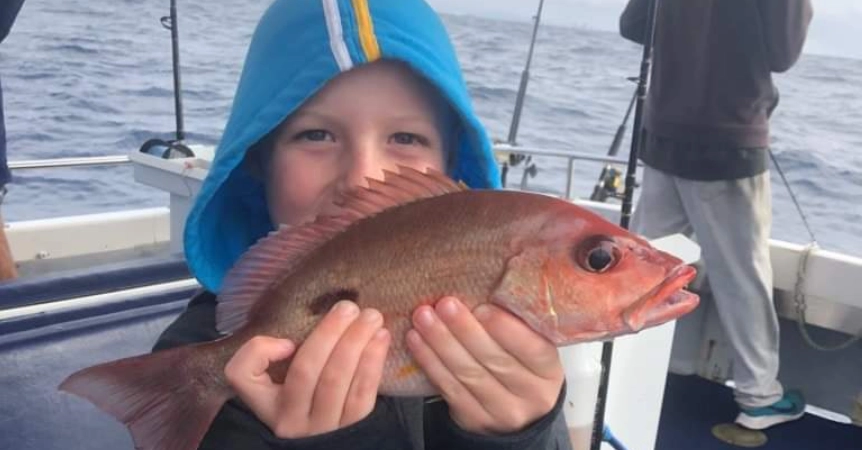
Deep sea fishing charters offer a unique opportunity for families to bond, connect with nature, and create lasting memories. While it might sound like an adventure reserved for seasoned anglers, taking your kids on a deep sea fishing charter can be an incredibly rewarding experience. In this article, we’ll explore the benefits of embarking on this aquatic adventure with your little ones, share some valuable tips to ensure a safe and enjoyable outing, and provide essential information to optimize the kids experience.

Family Friendly Charters

1. Choose the Right Charter: Selecting the right fishing charter is crucial when you have kids on board. Look for family-friendly charters that cater to all ages and experience levels. These charters typically provide equipment suitable for children and have experienced crew members who can offer guidance and support.

2. Safety First: Safety should always be a top priority when taking kids on a deep sea fishing adventure. Ensure that life jackets are available and that your kids wear them at all times, even if they are strong swimmers. Teach them the importance of following safety instructions from the crew.


Dressing for Comfort

3. Seasickness Prevention: Seasickness can dampen the fun of a fishing trip. Prevent this discomfort by having seasickness medication on hand. Effective options include Travacalm (original or HO) and Kwells. Remember to administer the medicine to your children 20-30 minutes before boarding the boat to ensure a comfortable journey.

4. Light Pre-Boarding Snacks: Before setting foot on the boat, it’s a good idea to have your kids eat something light like cereal or toast. Muesli bars can also serve as a convenient snack option to enjoy on the way out if your little ones aren’t keen on eating early at home. This ensures they have the energy they need for the exciting day ahead.


Spray Jacket

5. Dressing for Comfort: The comfort of your kids on the deep sea fishing charter is paramount. Keep them warm and content by dressing them in layers that can be easily removed as the day warms up. Consider equipping them with a spray jacket, which is an excellent outer layer to protect against wind and splashes.

6. Sun Protection: Shield your children from the sun’s rays by providing them with hats and sunglasses. These not only protect their eyes from glare but also add a stylish touch to their fishing attire. Don’t forget to apply sunscreen generously to ensure their skin stays safe from harmful UV rays throughout the day.

Capture Adventures

7. Teach and Engage: Fishing is not only about catching fish; it’s also an educational experience. Teach your kids about the marine ecosystem, different fish species, and the importance of conservation. Encourage them to ask questions and engage with the crew to learn more about the sea.

8. Patience is Key: Fishing can be a waiting game, and kids might get restless if they don’t catch a fish right away. Teach them the value of patience and the joy of anticipation. Plan some entertainment, like storytelling or games, to keep them occupied during slow fishing periods.

9. Capture Memories: Bring a camera or smartphone to capture the moments. Deep sea fishing trips with kids can create cherished memories, and having photos to look back on will make the experience even more special.

Conclusion: Deep sea fishing charters with kids can be an unforgettable adventure that instills a love for the ocean and nature from a young age. By choosing the right charter, prioritizing safety, and engaging your children in the experience, you can create lasting memories that will be cherished for years to come. So, gear up, cast your lines, and set sail for a day of family fun on the open sea! 🌊🎣👨‍👩‍👧‍👦

Unforgettable Adventures Charter with Safety Child Charter

Mastering the Gold Coast’s Bounty: A Comprehensive Guide to Catching Reef Fish

Mastering the Gold Coast’s Bounty: A Comprehensive Guide to Catching Reef Fish

Mastering the Gold Coast’s Bounty IntroductionIntroduction

The Gold Coast, hugging the stunning Queensland coastline, beckons passionate anglers yearning for the thrill of capturing a diverse array of reef fish. From the elusive snapper to the powerful amberjack, these waters offer a plethora of opportunities for fishing enthusiasts. In this all-encompassing guide, we’ll delve into the art of reef fishing on the Gold Coast. We’ll also explore various fishing techniques and the best baits to employ while highlighting some of the most coveted species that call these coastal waters home.

Snapper – The Elusive Prize


1. Snapper – The Elusive Prize

Snapper, with their striking colors and elusive behavior, present a captivating challenge for anglers. Often nestled amidst rocky crevices and coral formations, snapper require finesse in fishing techniques, such as the versatile patternoster rig or a float line, which allows you to target them effectively.

Cobia – Opportunistic Predators of the Deep


2. Cobia – Opportunistic Predators of the Deep

Cobia, famed for their opportunistic feeding habits, flourish in both shallow and deep waters. Float lining with live baits, a technique that allows you to present your bait naturally in the water column, is often employed to lure these powerful predators.

Venus Tuskfish – Royalty of the Reefs


3. Venus Tuskfish – Royalty of the Reefs

Venus tuskfish, admired for their vibrant appearance and delectable taste, are highly sought-after by reef fishing enthusiasts. Dead baiting, particularly with a patternoster style rig, is a favored technique to entice these majestic fish.

Pearl Perch – Delectable Bottom Dwellers


4. Pearl Perch – Delectable Bottom Dwellers

Pearl perch, celebrated for their exquisite flavor, frequently inhabit the ocean floor. When targeting them, jigging is a popular technique. Jigging involves using artificial lures or jigs to mimic the prey of pearl perch, making it a highly effective method.


Amberjack – The Muscle of the Deep


5. Amberjack – The Muscle of the Deep

Amberjack, known for their incredible strength and endurance, offer an exhilarating challenge for anglers. Live baiting or using large pilchards as bait is often the preferred approach when going after these oceanic powerhouses.


Mulloway – The Nocturnal Predators

6. Mulloway – The Nocturnal Predators

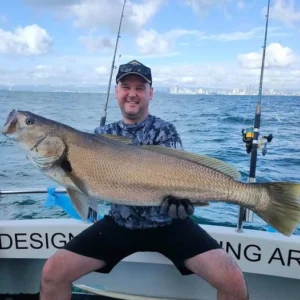
Mulloway, or jewfish, are renowned for their nocturnal feeding habits. Nighttime fishing expeditions are particularly fruitful when targeting mulloway. Live bait, such as live yellowtail or squid, is known to be particularly enticing to these elusive fish.


Teraglin – The Hidden Gem


7. Teraglin – The Hidden Gem

Teraglin, sometimes overlooked but cherished for their taste, are a hidden treasure among reef fish. Float lining with pilchards or squid as bait is a successful technique for capturing these delicious bottom-dwellers.


Cod – The Lords of the Reef


8. Cod – The Lords of the Reef

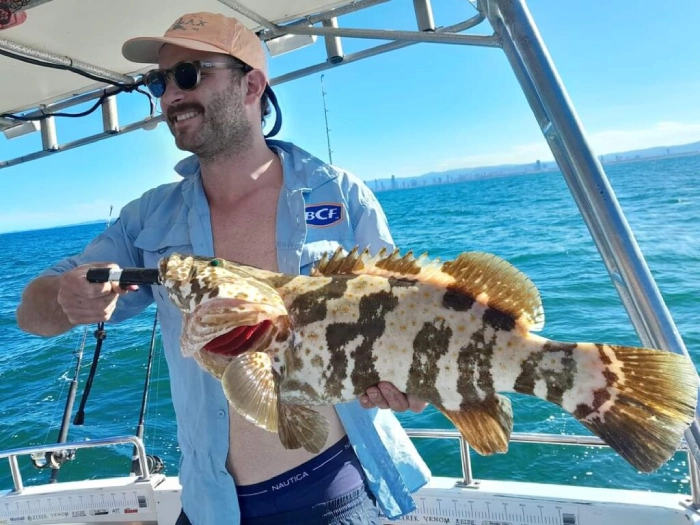
Catching cod in the Gold Coast’s rich reef systems is a true testament to an angler’s skill. Employing the patternoster rig with the right bait, such as pilchards or squid, can significantly increase your chances of success.


Fishing Techniques and Bait Selection

To maximize your success when reef fishing on the Gold Coast, it’s essential to employ the right techniques and select the best baits for your target species. Here are some tried-and-true methods:

  • Patternoster Rig: Ideal for targeting snapper and cod, the patternoster rig keeps your bait close to the sea floor, where these fish often hide.
  • Float Lining: Employed for cobia and amberjack, float lining allows you to present your bait naturally in the water column, mimicking the movements of prey.
  • Live Baiting: A versatile technique that works well for Venus tuskfish and mulloway. Utilize live yellowtail or slimy mackerel to attract these fish.
  • Jigging: Effective for pearl perch, jigging involves using artificial lures or jigs to entice these bottom-dwelling species.
  • Best Baits: Consider using pilchards and squid as universal bait options, as they can attract a variety of reef fish species.

Embark on a memorable journey as you explore the breathtaking coastal paradise of the Gold Coast, armed with these fishing techniques and bait selection tips. Whether you’re a seasoned angler or new to the sport, the Gold Coast’s diverse and captivating reef fishing await your challenge.