
Gold Coast Snapper Fishing: Complete Guide to Catching Snapper Year-Round
Gold Coast snapper fishing is one of the most popular and rewarding styles of offshore fishing in South East Queensland. From shallow winter reefs to deep offshore structure, snapper are available year-round if you know where to look and how to target them. Experienced angler Ant Coughran shares his complete guide to snapper fishing on the Gold Coast, covering locations, bait, lures, techniques, and fish care.
Snapper Species on the Gold Coast (Pagrus auratus)
Several snapper species inhabit Gold Coast waters, but pink snapper are by far the most common.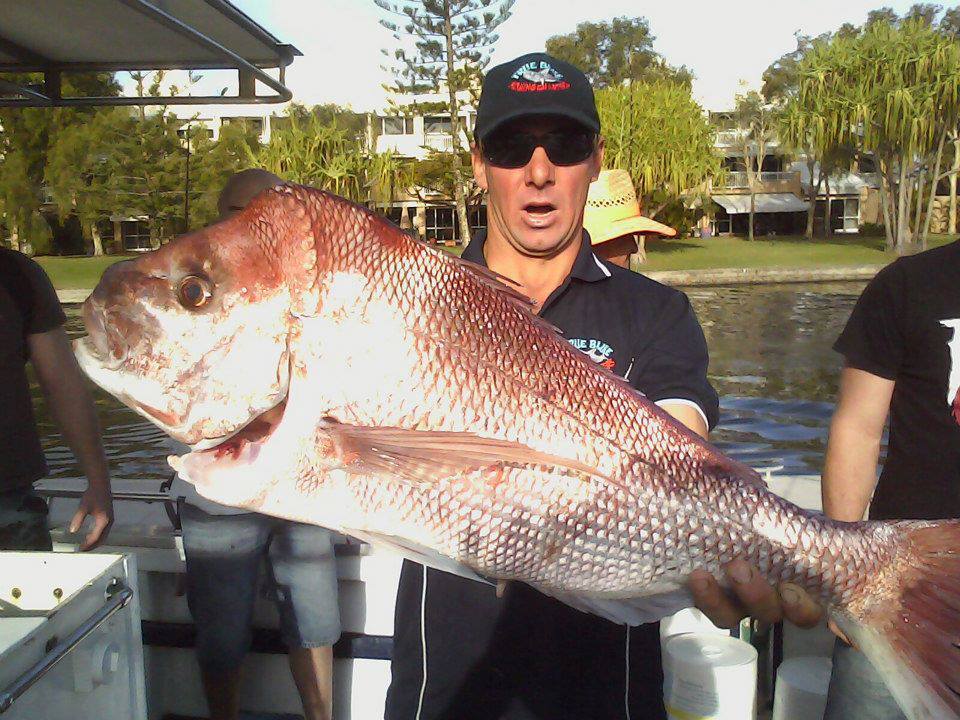 Locally, they’re also known as squire, knobbies, pinkies, snaps, or snapper.
Snapper can be found while deep sea fishing on the Gold Coast, holding structure such as:
-
Coastal and offshore reefs
-
Shale and gravel bottoms
-
Reef edges and ledges
-
Wrecks and bombies
-
Shallow inshore reefs and bays (seasonal)
They’re commonly caught from shallow reefs right out to 200 metres of water. While snapper can be caught all year, larger snapper move into shallow reefs and bays during winter to spawn and feed, making this prime snapper fishing season on the Gold Coast.
What Do Snapper Eat?
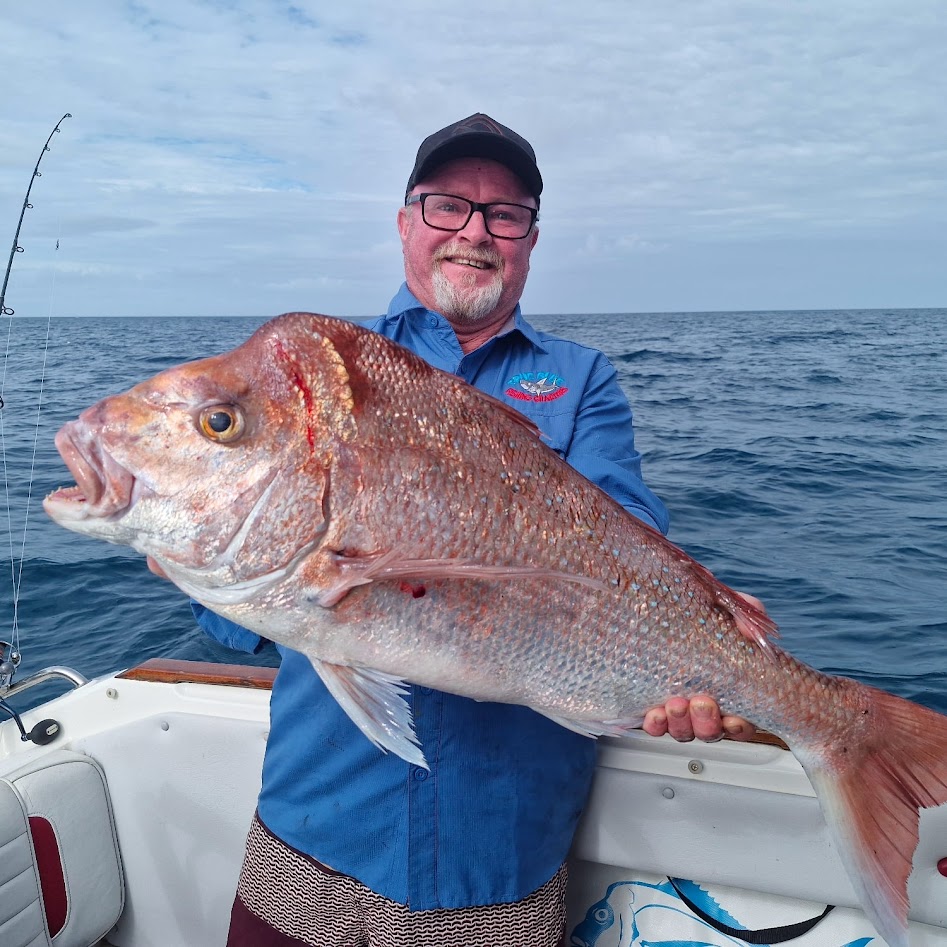
Snapper are aggressive, opportunistic feeders with a broad diet, including:
-
Baitfish
-
Squid and cuttlefish
-
Octopus
-
Prawns, shrimp, and crustaceans
-
Sea slugs and small sea cucumbers
-
Soft corals, cunjevoi, mussels, and clams
They are schooling fish and are often found stacked tightly on reef structure, especially during feeding periods.
Snapper Range and Fishing Regulations
Snapper range from Yeppoon, around southern Australia, and across to Karratha in Western Australia.
Queensland Snapper Regulations
-
Minimum size: 35cm
-
Maximum size: 70cm
-
One fish over 70cm allowed
-
Bag limit: 4 snapper
NSW Snapper Regulations
-
Minimum size: 30cm
-
Bag limit: 10 snapper
Always check current fisheries regulations before fishing, as rules can change.
Gold Coast Snapper Fishing Closed Season
In Queensland, snapper have a closed season from 15 July to 15 August, which applies to all QLD waters, including the Gold Coast.
Some NSW lakes and waterways also have snapper closures—always check with NSW DPI before fishing.
Best Baits for Gold Coast Snapper Fishing
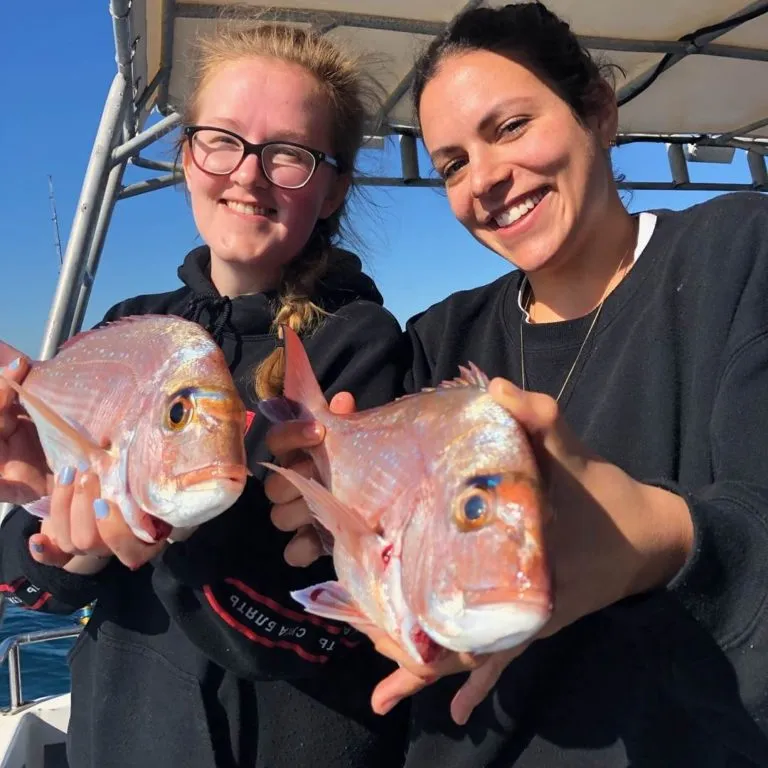 Thanks to their varied diet, snapper will take a wide range of baits. The most productive baits for Gold Coast snapper fishing include:
-
Pilchards (pillies)
-
Tuna
-
Yakkas
-
Pike
-
Mullet
-
Garfish
-
Whiting
-
Squid and octopus
-
Prawns and small crustaceans
Proven Snapper Bait Combinations
-
“Cock in a sock”: Squid tube stuffed with a pilchard and injected with tuna oil
-
Pillie & strip bait combo: Half pilchard with tuna or mullet strip
-
Paternoster rigs:
-
Squid on top hook, pillie on bottom
-
Pillie on top, prawn on bottom
-
Best Gold Coast Snapper Fishing Techniques
Drift Baiting (Drift Lining)
Drift baiting is one of the most effective techniques for snapper fishing on the Gold Coast. It involves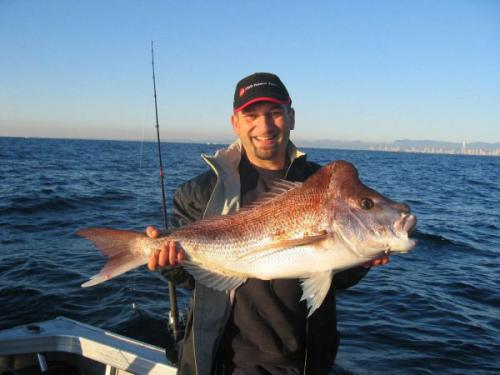 drifting over reef structure while allowing lightly weighted baits to move naturally along the bottom.
Recommended rig:
-
Light sinker
-
Single or double hook rig
-
Hook sizes: 4/0–6/0
-
Sinker weight adjusted for current
Cast 5–10 metres ahead of the boat and fish with an open bail arm, feeding line slowly to keep the bait just touching bottom. Reset when the line angles beyond 45 degrees. Many trophy Gold Coast snapper are caught using this method.
Bottom Bashing for Snapper
Bottom bashing is ideal when fishing heavier structure or stronger current.
-
Snapper lead on the bottom
-
Two or three-dropper paternoster rig
-
Hook sizes: 4/0–8/0
Snapper leads are designed to bounce off reef structure, reducing snags. Flasher rigs with synthetic fibres are extremely effective when tipped with bait.
Gold Coast Snapper Fishing with Lures
Soft Plastics for Snapper
Soft plastics are one of the most effective and exciting ways to target snapper on the Gold Coast.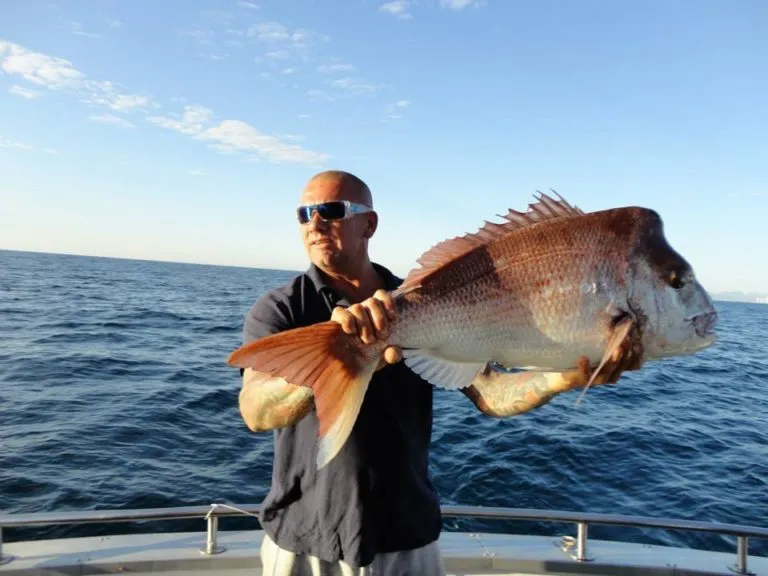
Recommended snapper setup:
-
15–30lb braid
-
20–40lb leader
-
4000–6000 size reel
-
20–30lb rod
Best plastic styles & colours:
-
5–9 inch jerk shads, paddle tails, grubs, and minnows
-
Colours: pearl, pink, nuclear chicken, lime tiger, pink shimmer, pumpkin seed, bloodworm, and natural baitfish tones
Squid and octopus plastics paired with assist hooks dramatically increase hook-up rates.
Jig Heads for Snapper
Use heavy-gauge jig head hooks, as big snapper have powerful jaws that can straighten light hooks. Brands like Headlockz and Nitro perform exceptionally well. Jig head weight should match depth and current.
Jig Fishing for Gold Coast Snapper
Micro and slow-pitch jigging is deadly on snapper: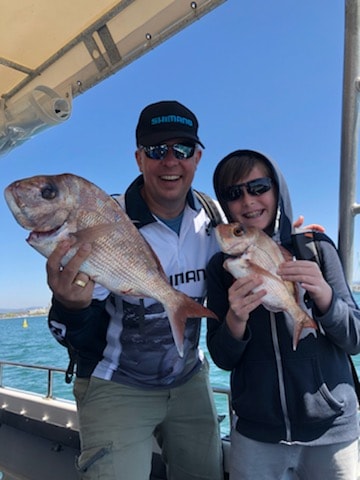
-
20–60g: up to 40m
-
60–150g: 60–70m
-
150–300g: up to 200m
Effective jig styles include flat-blade, flutter, pitch-shift, and slow-pitch jigs. Colours such as chrome, glow, pink, red, orange, and white all work well.
Fish vertically—once your line drifts past 45 degrees, wind in and reset.
Octo Jigs, Bucktails & Hardbodies
-
Octo jigs: Fished slowly or passively from a rod holder, trailing ~60cm off bottom
-
Bucktail jigs: Effective depending on conditions
-
Hardbody lures: Deep divers run via downrigger ~1m above the reef at 3–5 knots
Vibes & Blades
Vibes and blades are deadly for snapper in bays and shale areas. Assist hooks help reduce snagging while maintaining hook-up rates.
Snapper Care, Cleaning & Eating Quality
For best eating quality:
-
Gill-cut or throat-cut immediately
-
Brain spike
-
Place straight into an ice slurry
Snapper are easy to fillet and extremely versatile. Fillets can be cooked skin-on or skin-off—the skin is flavoursome and nutrient-rich.
Don’t waste the extras:
-
Wings: Excellent on the BBQ
-
Cheek meat: Sweet and tender
-
Frames: Ideal for fish stock and broths
Snapper are one of the most prized and versatile species available through Gold Coast snapper fishing.
Related Posts

Plan Your Next Charter
Chasing reef fish, game species, or a great day out on the water? Our crew is ready when you are.