Understanding Tides – How They Work and Why They Matter 🌊🌙
Tides are one of the most powerful and predictable forces in the ocean. Driven by the gravitational pull of the moon and sun, tides control the rise and fall of sea levels along coastlines and play a crucial role in fishing, boating, surfing, and marine life behaviour.
For anglers and offshore operators like True Blue Gold Coast Fishing Charters, understanding tides is essential for planning safe, productive days on the water.
What Are Tides?
Tides are the regular movement of ocean water caused by the gravitational forces exerted by the moon and,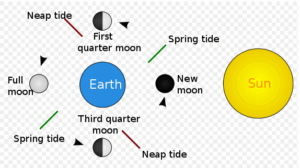 to a lesser extent, the sun. As the Earth rotates, these forces create bulges in the ocean, resulting in high tides and low tides across the globe.
Most coastal areas experience two high tides and two low tides each day, known as a semi-diurnal tide cycle.
How Tides Work
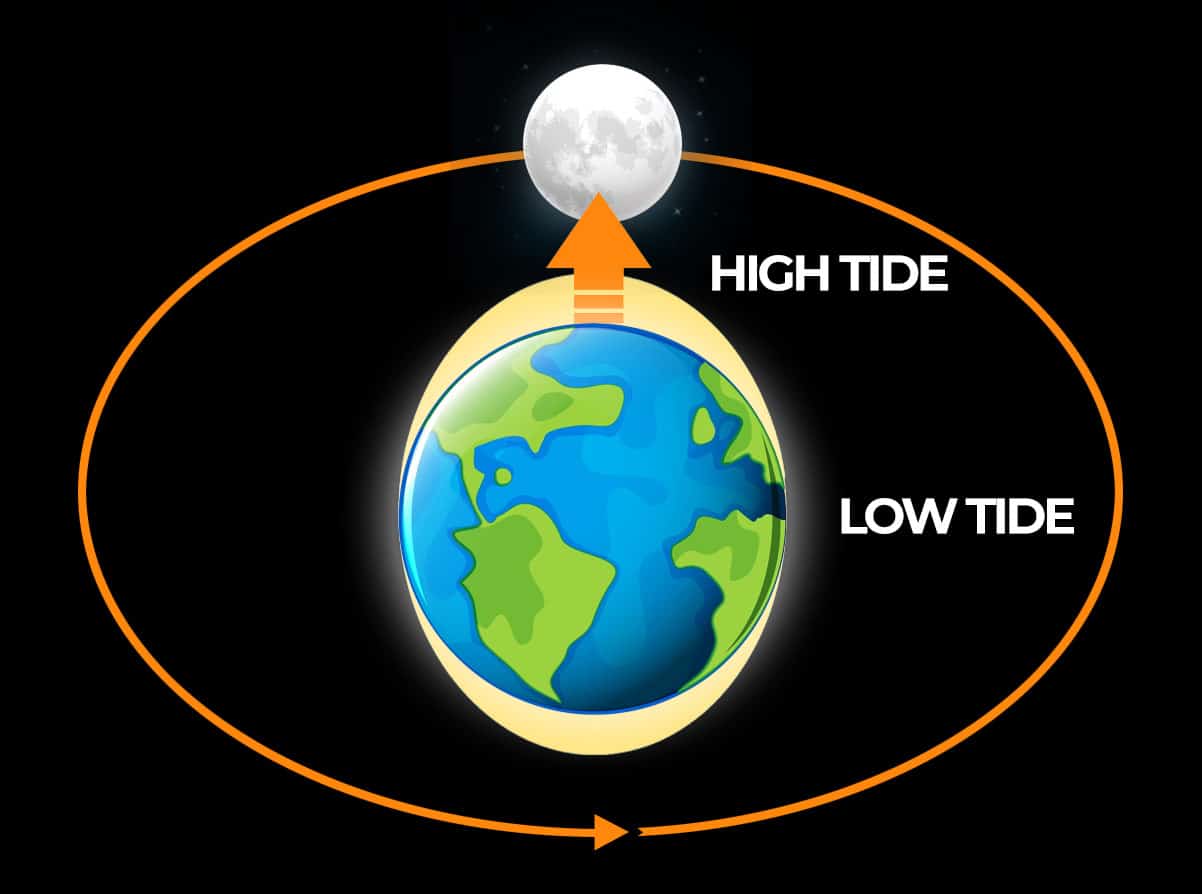
 The moon’s gravity pulls ocean water toward it, creating a high tide on the side of the Earth facing the moon. At the same time, another high tide forms on the opposite side due to centrifugal force. As the Earth rotates beneath these bulges, different areas experience rising and falling tides.
The sun also influences tides, either strengthening or weakening them depending on its position relative to the Earth and moon.
Types of Tides
Spring Tides 🌕
Spring tides occur during new and full moons when the sun, moon, and Earth are aligned. These tides produce:
Higher high tides
Lower low tides
Stronger tidal movement
Spring tides often result in increased water flow, making them popular with anglers targeting active feeding fish.
Neap Tides 🌗
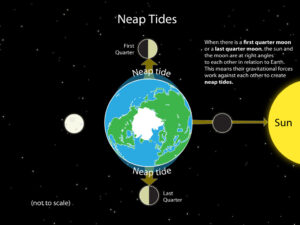
Neap tides occur during half moons when the sun and moon are at right angles to each other. These tides produce:
Lower high tides
Higher low tides
Reduced tidal movement
Neap tides are ideal for calm conditions and fishing areas where strong current can be challenging.
How Tides Affect Fishing
Tides directly influence fish behaviour, bait movement, and water clarity.
Why Fish Feed on the Tides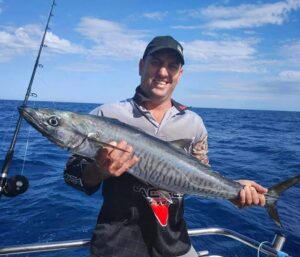
🐟 Baitfish move with the tide
🌊 Water movement triggers feeding activity
⚡ Predators ambush prey along current lines
Many species feed most actively during the run-in tide, run-out tide, or especially at the turn of the tide, when water movement briefly slows.
Best Times to Fish the Tides
While conditions vary, some general rules apply:
⏰ The turn of the tide (high or low) often produces a bite window
🌅 Early morning tides are particularly productive
🌊 Moderate tidal flow is often better than extremely strong or weak movement
Experienced anglers plan trips around tidal changes rather than fixed times.
Tides on the East Coast of Australia
Along Australia’s east coast, tides interact with the East Australian Current, creating complex water movement patterns. Local features such as headlands, river mouths, and offshore reefs further influence tidal flow.
On the Gold Coast, tides play a major role in:
Bar crossings and navigation
Bait movement near river mouths
Charter operators like True Blue Fishing Charters factor tidal cycles into every offshore trip.
Tides and Boating Safety
Understanding tides is critical for safe boating: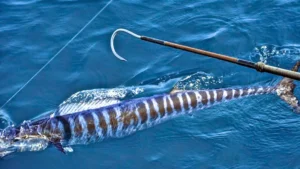
⚓ Avoid anchoring during peak tidal flow in exposed areas
🚤 Plan bar crossings near high tide
📈 Monitor tide charts before launching
Tide knowledge reduces risk and improves trip planning.
Using Tide Charts
Tide charts show predicted times and heights of high and low tides. When reading tide charts, consider:
Local time zone
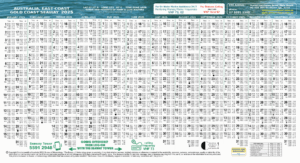
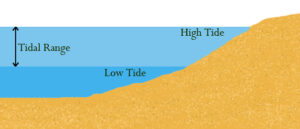
Tidal range (difference between high and low)
Moon phase
Many modern apps and marine GPS systems display real-time tide data, making planning easier than ever.
Why Tides Matter
Tides influence:
Fish feeding behaviour
Water clarity and depth
Boat handling and anchoring
Coastal ecosystems
By learning how tides work, anglers and ocean users gain a major advantage on the water 🌊.
Related Posts

Plan Your Next Charter
Chasing reef fish, game species, or a great day out on the water? Our crew is ready when you are.