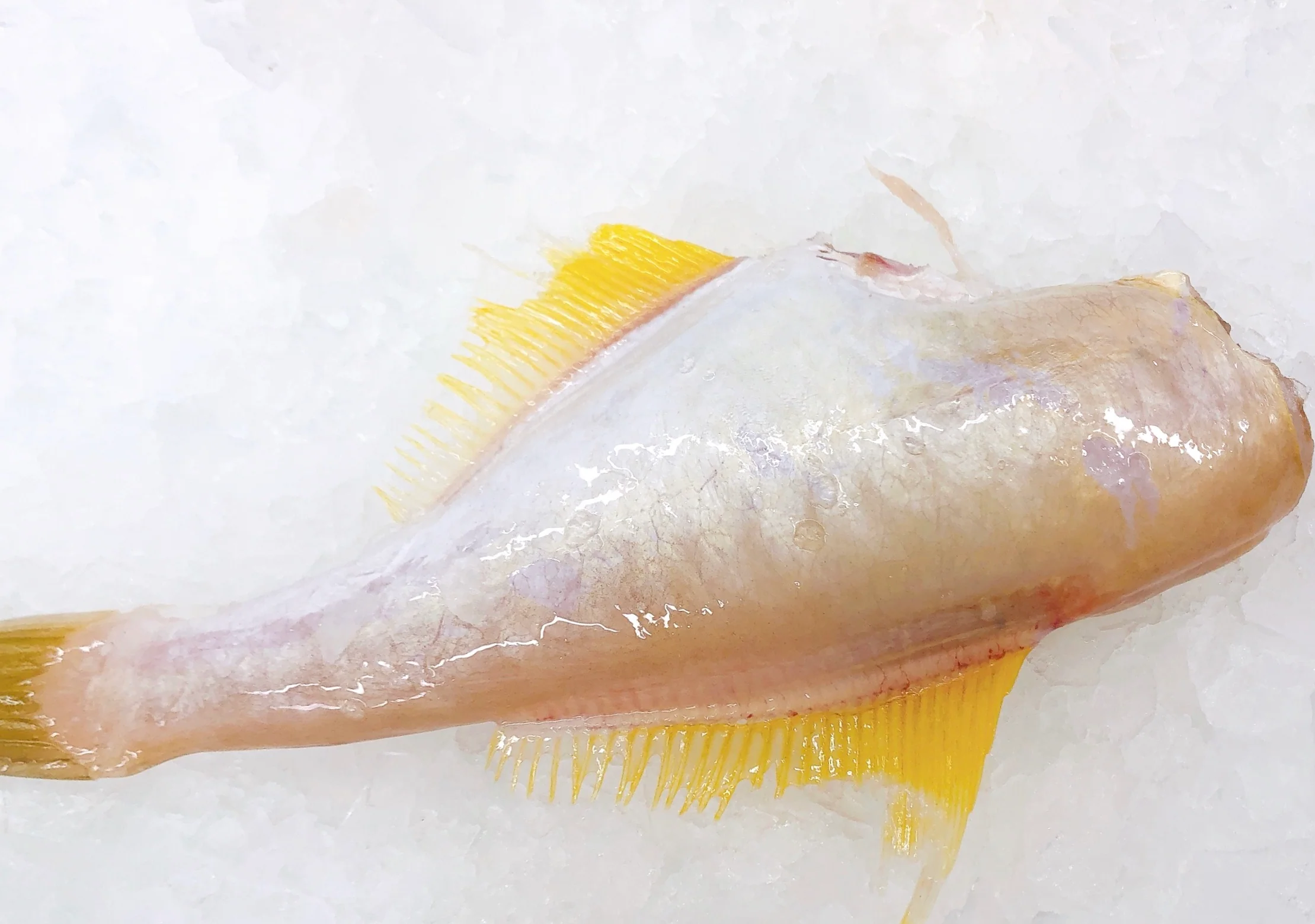
Leatherjackets: The Tough Reef Fish Every Gold Coast Angler Knows
If you’ve spent any time fishing the reefs off the Gold Coast, chances are you’ve crossed paths with a leatherjacket. One minute your bait is drifting perfectly near the bottom, the next it comes back clean — no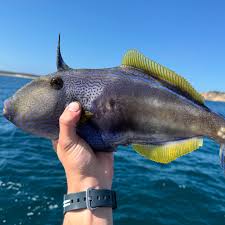 hook, no bite mark, just gone. That’s often the calling card of this tough, clever reef fish.
Love them or hate them, leatherjackets are a constant presence on Gold Coast reefs, and understanding how to catch, handle, and prepare them can turn frustration into a productive day on the water.
What Are Leatherjackets?
Leatherjackets are part of the filefish and triggerfish families, named for their thick, leathery skin instead of traditional scales. This armour-like skin offers protection from predators and makes them surprisingly resilient.
They’re easily recognised by:
-
Rough, sandpaper-like skin
-
Strong, sharp teeth
-
A prominent dorsal spine that can lock upright
While they don’t fight hard, they’re extremely efficient bait thieves and well adapted to reef environments.
Leatherjackets on Gold Coast Reefs
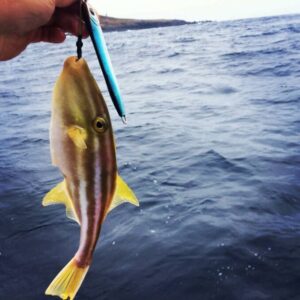 Leatherjackets are extremely common throughout Gold Coast reef systems, particularly offshore from the Gold Coast Seaway and along surrounding rubble grounds. They’re frequently encountered while bottom fishing for snapper, pearl perch, and other reef species.
🎯 Where Gold Coast Anglers Find Them
-
Offshore reefs east of The Gold Coast Seaway
-
Rubble patches and broken reef
-
Wrecks and isolated bommies
-
Inshore reefs, especially during cooler months
They prefer structure-rich areas with current, where they sit tight to cover and dart out to pick off baits. Many Gold Coast anglers first realise leatherjackets are around when hooks return bare or lines are cleanly snipped mid-drop.
Why Leatherjackets Divide Anglers
Leatherjackets inspire mixed feelings — and for good reason.
👍 Why Anglers Appreciate Them
-
They bite reliably, even during slow fishing periods
-
Fun to catch on light tackle
-
Excellent eating once prepared properly
😅 Why They Cause Frustration
-
Sharp teeth easily cut mono and braid
-
Constant nibbling destroys soft baits
-
Can dominate reef spots when abundant
On tough days, though, leatherjackets can save a trip by providing steady action.
How to Catch Leatherjackets
Catching leatherjackets isn’t complicated, but small adjustments make a big difference.
🎣 Best Baits
-
Squid strips
-
Prawns
-
Pilchards
-
Tough cut fish
Fresh, firm baits last longer, as leatherjackets tend to peck and pick rather than strike aggressively.
🧰 Tackle & Rig Setup
-
Light to medium rods
-
Small, strong hooks
-
Short wire trace or heavy fluorocarbon leader
-
Minimal sinker weight to keep baits close to structure
When leatherjackets are thick on Gold Coast reefs, wire traces often turn constant bite-offs into consistent hookups.
When Leatherjackets Bite Best
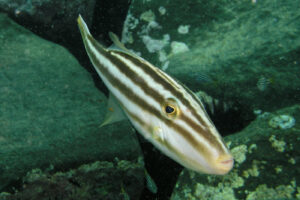 Leatherjackets can be caught year-round on the Gold Coast, but they often become more noticeable during cooler months when other species slow down.
⏰ Ideal Conditions
-
Light to moderate current
-
Calm seas
-
Fishing tight to reef edges and rubble
They’re opportunistic feeders and will bite throughout the day.
Handling Leatherjackets Safely
Leatherjackets aren’t venomous, but they do require care.
⚠️ Safety Tips
-
Beware of the locking dorsal spine
-
Avoid grabbing the fish near the head
-
Use pliers or a de-hooker
-
Gloves are recommended
Before handling, gently press the dorsal spine down to prevent it from locking upright.
Are Leatherjackets Good to Eat?
Yes — and many anglers are surprised by just how good they are.
🍽️ Eating Qualities
-
Firm, white flesh
-
Mild, slightly sweet flavour
-
Holds together well when cooked
Because of their thick skin, leatherjackets are usually skinned rather than scaled. Once prepared, they rival many popular reef fish.
Common Leatherjacket Species on the Gold Coast
Gold Coast anglers commonly encounter: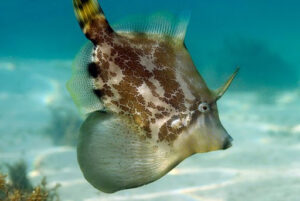
-
Yellowtail leatherjacket
-
Fanbelly leatherjacket
-
Six-spined leatherjacket
-
Triggerfish (closely related)
All share similar feeding habits, handling considerations, and eating qualities.
Interesting Leatherjacket Facts
-
Their teeth grow continuously
-
Some species can slightly change colour
-
They use their dorsal spine to wedge into crevices
-
Often travel in schools over reefs
Why Leatherjackets Deserve Respect
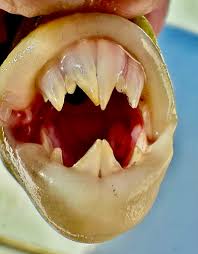 Leatherjackets play an important role in reef ecosystems, feeding on invertebrates and helping maintain balance. For anglers, they’re a reminder that adapting tactics to conditions is part of successful reef fishing.
On the Gold Coast, learning to fish around leatherjackets — rather than fighting them — can turn a slow reef session into a rewarding one.
Final Thoughts
Whether you see them as pests or prize catches, leatherjackets are an unavoidable part of Gold Coast reef fishing. With the right gear, careful handling, and proper preparation, they transform from nuisance into one of the coast’s most underrated table fish.
Next time your bait disappears without a trace, don’t curse the reef — there’s a good chance a leatherjacket is doing exactly what it does best.

Related Posts

Plan Your Next Charter
Chasing reef fish, game species, or a great day out on the water? Our crew is ready when you are.