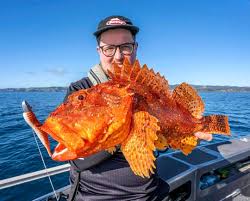
Eastern Red Scorpion Cod: The Reef Fish You Handle With Care
If you’ve ever pulled up a bright red, spiky-looking fish from a reef and instinctively hesitated before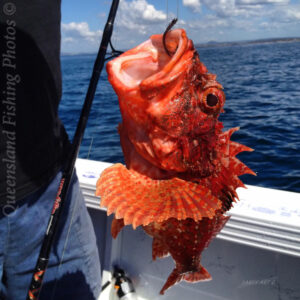 touching it, chances are you’ve met the Eastern Red Scorpion Cod. Striking in appearance and notorious for its venomous spines, this reef-dwelling species is both fascinating and misunderstood.
Often caught accidentally by reef anglers, the Eastern Red Scorpion Cod is a fish that demands respect — not because it’s aggressive, but because improper handling can turn a great fishing day into a painful lesson.
What Is an Eastern Red Scorpion Cod?
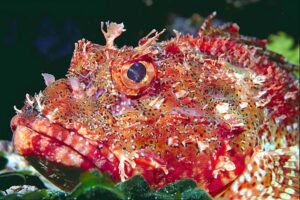
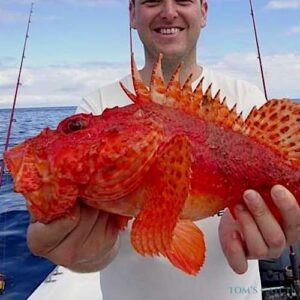
The Eastern Red Scorpion Cod (Scorpaena jacksoniensis) is a bottom-dwelling reef fish found in Australian waters. With its deep red colouring, rough skin, and dramatic spines, it blends perfectly into rocky reefs and coral outcrops.
Despite its intimidating look, it’s a slow-moving ambush predator that relies on camouflage rather than speed to catch prey.
Distribution: Where They’re Found
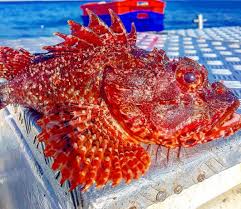 The Eastern Red Scorpion Cod is commonly found along the eastern coastline of Australia, particularly:
-
Southern Queensland
-
New South Wales
-
Around rocky reefs, ledges, and wrecks
They’re typically encountered in coastal waters and offshore reefs, from shallow inshore areas down to deeper reef systems. Because they stay close to structure, they’re often caught while targeting snapper, pearl perch, or other reef species.
Common Nicknames
This species goes by several names, depending on who you ask: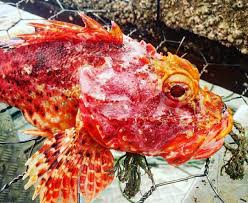
-
Red Scorpion Cod
-
Eastern Scorpionfish
-
Red Rock Cod (informal)
-
“That bloody spiky one” (usually after it’s landed)
Their reputation often precedes them — especially among anglers who’ve been spiked before.
How Eastern Red Scorpion Cod Are Caught
Most anglers don’t set out specifically to catch Eastern Red Scorpion Cod — they’re typically a bycatch species.
🎣 Common Methods
-
Bottom fishing on reef or rubble
-
Bait fishing with squid, pilchards, or cut fish
-
Occasionally taken on soft plastics worked close to structure
They feed on small fish and crustaceans and will strike slowly presented baits near the bottom.
Because they don’t fight hard, many anglers mistake them for a snag until they surface.
Venomous Spines: What Makes Them Dangerous
The Eastern Red Scorpion Cod is armed with venomous dorsal, anal, and pelvic spines. These spines inject venom when pressure is applied — usually when the fish is stepped on, grabbed incorrectly, or handled without care.
⚠️ Important to Know
-
The venom is defensive, not aggressive
-
The fish does not “sting” — venom is delivered by spine penetration
-
Pain can be intense but is rarely life-threatening
Most injuries occur when anglers try to unhook the fish without proper tools.
What to Do If You’re Spiked by One
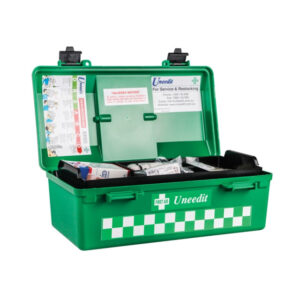
Being spiked by an Eastern Red Scorpion Cod is extremely painful, but prompt action can reduce symptoms.
🚑 First Aid Steps
-
Immerse the affected area in hot water (as hot as you can tolerate without burning) for 30–90 minutes
-
Heat helps break down the venom proteins
-
-
Clean the wound thoroughly
-
Remove visible spine fragments if possible
-
Seek medical attention if pain persists, swelling increases, or signs of infection appear
Never ignore a sting — even if pain subsides quickly.
Handling Tips to Avoid Injury
-
Never grab the fish with bare hands
-
Use long-nose pliers or a de-hooker
-
If unsure, cut the line close to the mouth
-
Handle with gloves if you intend to keep it
Many experienced anglers choose to release scorpion cod without removing them from the water.
Eating Qualities: Are They Good to Eat?
Surprisingly to some, the Eastern Red Scorpion Cod is excellent eating.
🍽️ Table Quality
-
Firm, white flesh
-
Mild, sweet flavour
-
Ideal for filleting or skinless portions
Once the venomous spines are carefully removed, the fish is completely safe to eat. In fact, related scorpionfish species are considered delicacies in parts of Asia.
That said, many anglers release them simply due to the risk involved in handling.
Interesting Facts About Eastern Red Scorpion Cod
-
Masters of camouflage — they can remain motionless for long periods
-
Often mistaken for rocks or coral on the seabed
-
Venom remains active even after the fish has died
-
Closely related to lionfish and stonefish
Why Anglers Should Learn to Identify Them
On Australia’s east coast, reef fishing regularly brings anglers into contact with venomous species. Knowing how to identify the Eastern Red Scorpion Cod helps prevent injury and ensures safe, responsible fishing.
Whether you release it carefully or decide to keep it for the table, awareness is key.
Final Thoughts
The Eastern Red Scorpion Cod is one of the ocean’s most striking reef fish — beautiful, dangerous, and often misunderstood. It’s a reminder that not every catch is about the fight; sometimes it’s about knowledge, caution, and respect for what comes up from the reef.
Handled correctly, it’s just another fascinating part of Australia’s diverse marine ecosystem. Handled poorly, it’s a lesson you won’t forget.
Related Posts



Plan Your Next Charter
Chasing reef fish, game species, or a great day out on the water? Our crew is ready when you are.