Discover the Thrill of Deep Sea Fishing on Australia’s Gold Coast
Australia’s Gold Coast is a captivating blend of sun-soaked beaches, lush forests, and a vibrant cityscape,
making it a top destination for travelers worldwide. Among its many attractions, the deep sea fishing here stands out, offering an unforgettable experience for anglers of all levels. The offshore waters are teeming with reefs, wrecks, and big game fish, ensuring that your fishing adventure will be as thrilling as the surroundings.
Why the Gold Coast is a Fishing Paradise
While you can enjoy fishing in the Gold Coast’s lakes, creeks, and shallow waters, the real allure lies in its deep-sea fishing opportunities. With access to the Coral Sea and the Pacific Ocean, the likelihood of encountering hard-fighting fish is high. Whether you’re a seasoned angler or a beginner, there’s a deep-sea fishing adventure waiting for you.
Top Catches in Gold Coast Deep Sea Fishing
The diversity of species you can catch while deep sea fishing on the Gold Coast is astounding. From inshore species to massive bottom dwellers and pelagics, the variety ensures a thrilling experience.
Billfish: The Crown Jewel
Billfish are the ultimate prize in Gold Coast deep sea fishing. The waters are home to a healthy population of Black Marlin, which appear around late November. These fish are known for their incredible speed and can weigh over 400 kilos. Blue Marlin, appearing around January, are also a major draw, famous for their high speeds and acrobatic stunts. Sailfish, often spotted from January, add to the excitement with their impressive speeds and battles.
Tuna: The Powerhouse
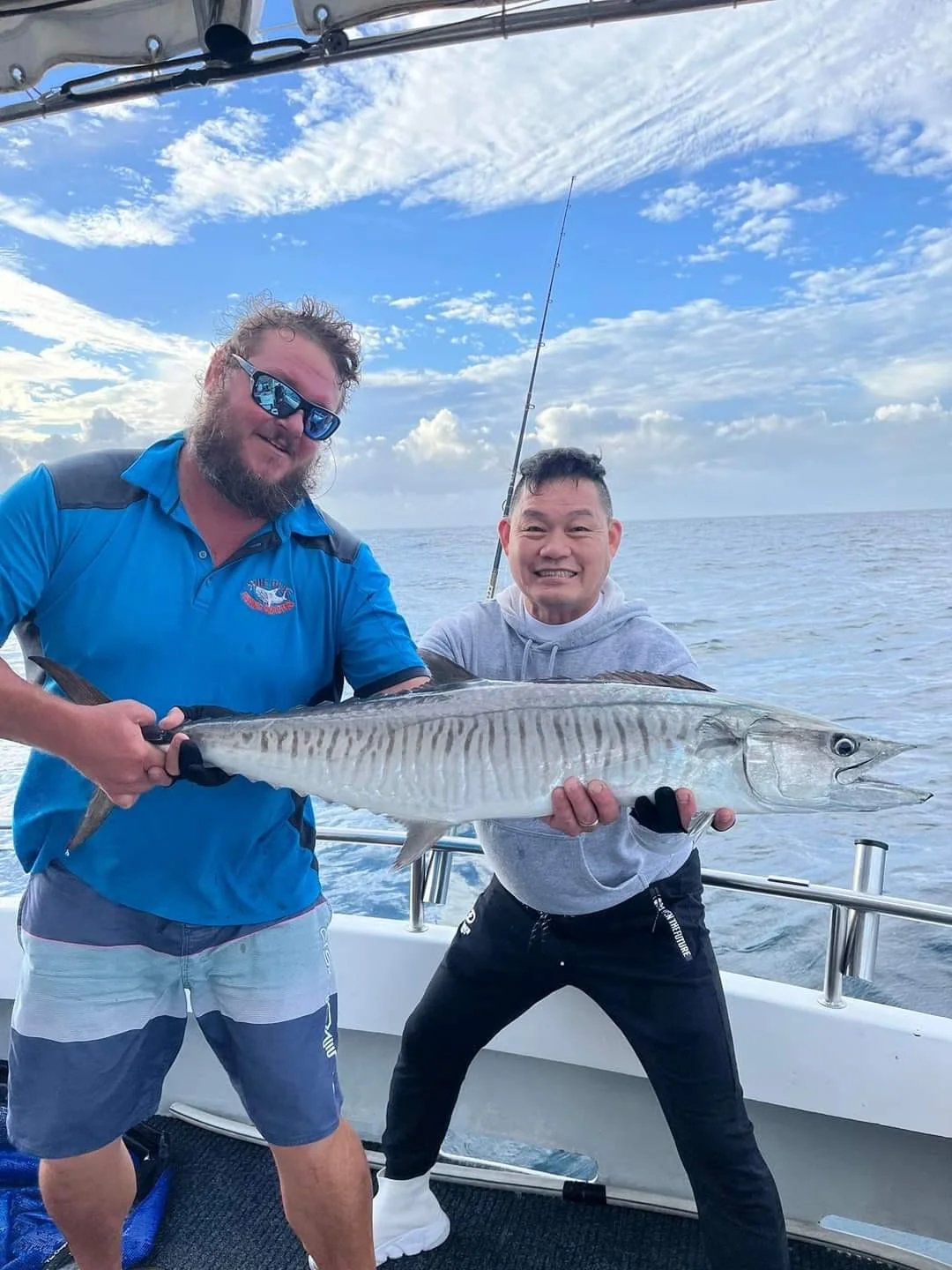
Tuna species, including the world-famous Yellowfin and Bluefin, as well as local varieties like Mackerel and Striped Tuna, are plentiful throughout the season. These fish are known for their hard fights and delicious taste. Trolling is a popular method to catch them, providing reel-screaming action when a Tuna bites.
Mahi Mahi and Wahoo: The Showstoppers
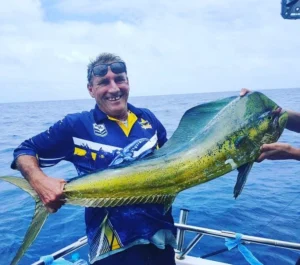
Mahi Mahi, known for their acrobatic leaps and vibrant colors, and Wahoo, renowned as the fastest fish in the sea, are top targets. Mahi Mahi are most photogenic between December and April, while Wahoo inhabit these waters from November to May. Both species offer thrilling battles and are often caught by trolling.
Reef Fish: The Delicious Divers
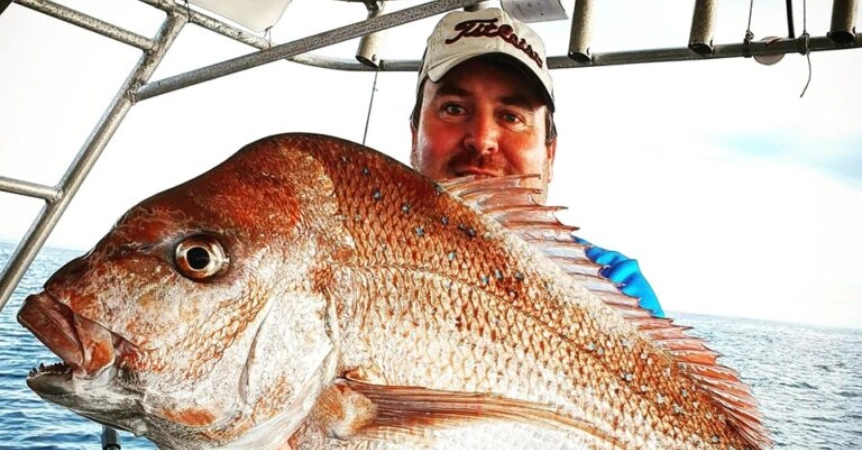
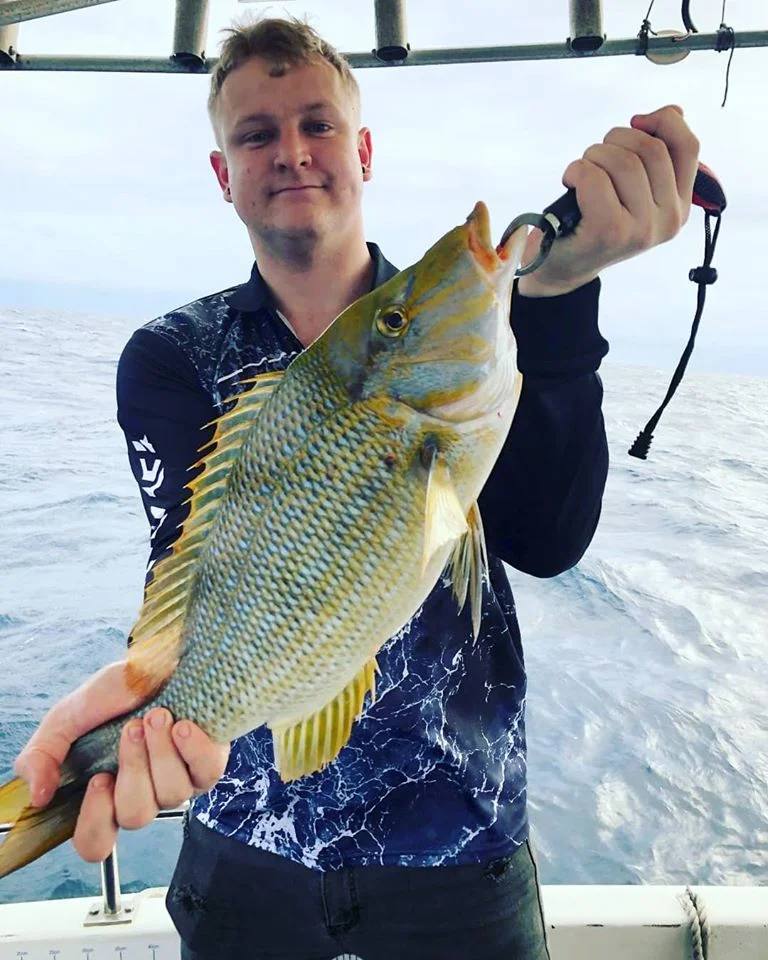
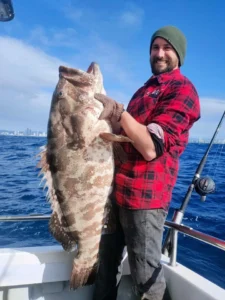
Reef fishing on the Gold Coast yields a variety of species like Amberjack, Yellowtail, Cobia, and several Snapper species. Pink Snapper, famous for their size and taste, are a highlight. These species are typically found during the winter months, making reef fishing a winter delight.
Techniques for Gold Coast Deep Sea Fishing
Various fishing techniques are used on the Gold Coast fishing charters, each suited to different species and conditions.
Trolling
Trolling involves rigging ive or artificial bait onto multiple lines, which are then trolled behind the boat. The speed varies depending on the target species, with 10 knots being common for big fish and 5-8 knots for Tuna. Heavy-duty gear is essential due to the size and strength of the fish.
Drift Fishing
Drift fishing, including the local technique of burleying (chumming), is used for species like Snapper. This involves drifting over reefs while feeding a mix of fish parts to attract the fish. Drift lining is another method used for Snapper, where bait is drifted along the bottom to entice bites.
Bottom Fishing
Bottom fishing, an umbrella term for various techniques, involves lowering a weighted hook to the bottom. “Bottom bashing,” popular for Snapper, uses a heavy weight to keep the hook above the reefs, avoiding snags while attracting fish.
Rules and Regulations
Recreational fishing in Queensland doesn’t require a license, but there are regulations regarding size and bag limits. For example, Mahi Mahi must be at least 50 centimeters, with a daily limit of five fish per person. Snapper must be at least 35 centimeters. A comprehensive list of regulations is available on Queensland’s government website.
Experience the Best of Gold Coast Deep Sea Fishing
With its stunning weather, endless sandy beaches, and a rich variety of fish, Gold Coast is a top destination for deep sea fishing enthusiasts. Whether you’re a local looking to enhance your fishing skills or a visitor eager to explore this fantastic location, the Gold Coast promises an adventure of a lifetime.
Related Posts

Plan Your Next Charter
Chasing reef fish, game species, or a great day out on the water? Our crew is ready when you are.