Understanding Ocean Currents on the East Coast of Australia 🌊🐟
The east coast of Australia is influenced by some of the world’s most powerful and complex ocean currents. These currents shape the marine environment, influence weather and climate, and play a critical role in fishing, diving, and boating activities.
For anglers, understanding east coast ocean currents is essential for planning trips, locating fish, and ensuring safety offshore. At True Blue Gold Coast Fishing Charters, we constantly monitor current patterns to optimise fishing trips on the Gold Coast and beyond.
The East Australian Current (EAC)
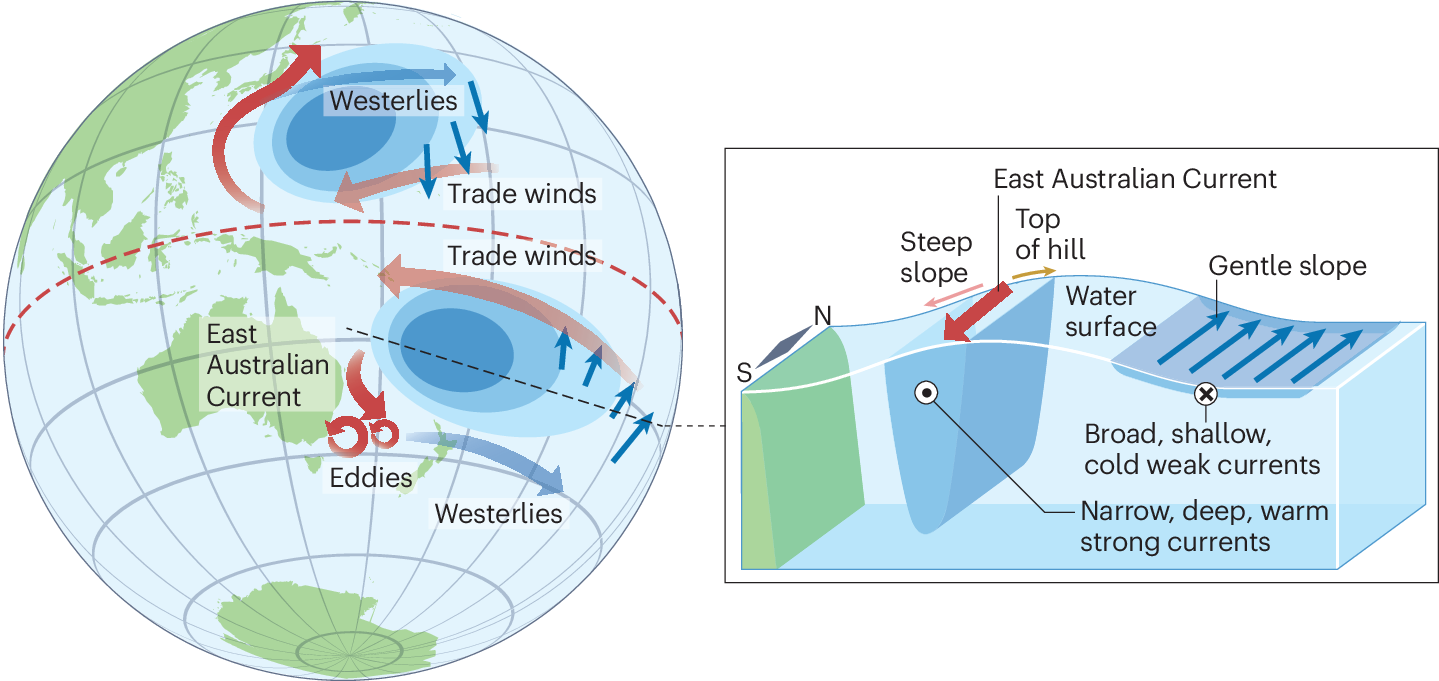
The East Australian Current (EAC) is the most significant ocean current along the east coast of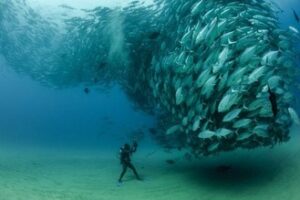 Australia. It flows southward from the Coral Sea along the Queensland and New South Wales coastline, transporting warm tropical waters toward the temperate south.
Key facts about the EAC:
🌡️ Transports warm water from the tropics down to southern Australia
⚓ Influences sea surface temperature and water clarity
🐟 Creates ideal conditions for baitfish and pelagic predators
🌊 Can produce strong surface currents, especially near headlands and reefs
The EAC is critical for fish distribution along the coast. Species like tuna, mackerel, and kingfish often follow the warm waters, which is why understanding the current is so important for offshore anglers.
How Ocean Currents Affect Fishing
Ocean currents determine where fish congregate and how bait behaves. Key effects include:
 Bait movement – Plankton, small fish, and squid drift with the current, concentrating in certain areas.
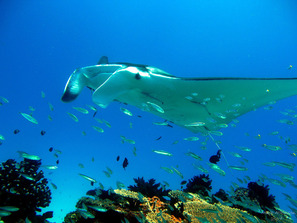
Feeding hotspots – Predatory fish like tuna, mackerel, and kingfish position themselves along current edges or upwellings.
Temperature layers – Currents can create temperature breaks that attract pelagic species.
By reading current patterns, anglers can identify the most productive areas to anchor, drift, or troll.
Local Currents Along the Gold Coast
Along the Gold Coast, the EAC pushes water southward, influencing offshore reefs, river mouths, and 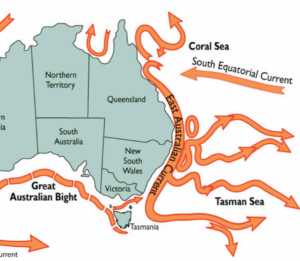 inshore waters. Localised features create eddies, rip lines, and upwellings, which are prime fishing zones.
Examples:
📍 24 Fathom Reef & 18 Fathom Reef – Currents concentrate baitfish along the edges
📍 50 Fathom Reef – Upwellings attract pelagic species during high tide
📍 Palm Beach Reef – Tidal flows combined with the EAC produce dynamic hunting conditions
Understanding these patterns allows True Blue Fishing Charters to position boats strategically for optimum fishing action.
Tides vs Ocean Currents
While often confused, tides and currents are different but related:
Tides are driven by the moon and sun, causing cyclical rises and falls of sea level.
Currents are continuous flows of water, influenced by tides, winds, and the EAC.
For offshore fishing, knowing both is essential. Tides can enhance or reduce current strength, affecting bait movement, fish activity, and anchoring stability.
Seasonal Changes in East Coast Currents
The strength and position of the EAC vary seasonally: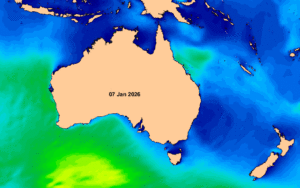
🌞 Summer (December–March) – The EAC is strongest and furthest offshore; warm tropical species dominate.
🍂 Autumn (April–May) – Currents slow slightly; transitional species appear.
❄️ Winter (June–August) – Cooler waters move south; some species migrate or retreat.
🌱 Spring (September–November) – Baitfish begin returning north, attracting predators.
Recognising these seasonal patterns allows anglers to anticipate fish movement and plan charters effectively.
Safety and Navigation
Currents can be strong and unpredictable, especially near reef edges and headlands. Boaters should:
Monitor real-time current and tide charts
Avoid anchoring in strong rip flows without proper technique
Adjust trolling or drifting speeds to match current conditions
Knowledge of currents is also essential for safe offshore navigation and maximising fishing success.
Why Understanding Currents Matters for Anglers
For anglers on the Gold Coast or anywhere along the east coast of Australia, currents influence almost  every aspect of fishing:
Where baitfish are schooling
Where predatory fish feed
How to position your boat for anchoring, drifting, or trolling
How to read temperature breaks and upwellings
By learning to read ocean currents, anglers increase their chances of a successful day offshore.
Related Posts

Plan Your Next Charter
Chasing reef fish, game species, or a great day out on the water? Our crew is ready when you are.