
How to Catch Cobia – Gold Coast Fishing Guide
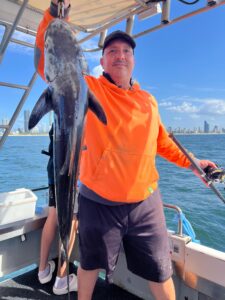
Cobia, also known as Black Kingfish or “Crab Eater” (Rachycentron canadus), are a highly prized gamefish found along the Gold Coast and Queensland coastline. Known for their size, power, and challenging fight, Cobia are a dream catch for any offshore angler. Whether you’re a seasoned fisherman or trying your first Gold Coast offshore charter, understanding their habits, habitats, and the best techniques will help you land these magnificent fish.
Why Cobia Appear on the Gold Coast
Cobia frequent the Gold Coast waters year-round, but their numbers peak between May and November.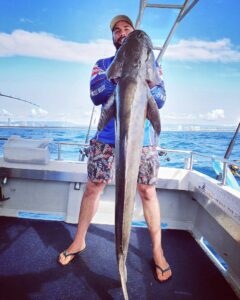 Several factors contribute to this seasonal abundance:
Whale migration providing cover and attracting baitfish
Slower reef currents during cooler months
Spawning of local reef species
Annual mullet and tailor runs
Whitebait movement along the coast
Manta ray migration
Cobia Habitat and Behavior
Cobia often hang around reefs, wrecks, ledges, and other structures. Like “lazy dogs,” they conserve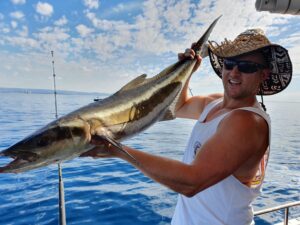 energy while opportunistically feeding on small reef fish, crabs, and other bait. These fish also shadow whales and manta rays, feeding on scraps and baitfish that gather around these large marine animals.
Cobia are found in shallow reefs of 5m to deep waters up to 100m, often near artificial structures, buoys, and Fish Aggregating Devices (FADs). They prefer spots with a high concentration of crustaceans and baitfish, making such areas prime targets for anglers.
Size Limits and Bag Limits
Queensland: Minimum 75cm, bag limit 2
NSW: No minimum size, bag limit 5
Where to Catch Cobia on the Gold Coast
The Gold Coast and surrounding areas offer some of the best Cobia fishing in Queensland. Look for: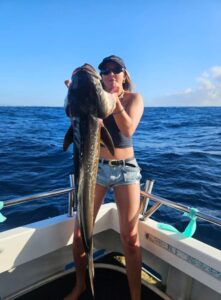
Reef ledges and shale formations
Wrecks and man-made structures
Buoys and FADs with high baitfish activity
Cobia often move in loose schools, so scanning reefs and structures carefully is essential for spotting feeding or resting fish.
Best Baits for Cobia
Live baits are highly effective:
Yakka, Pike, Slimies
Mullet, Tailor
Squid or Cuttlefish
Crabs, Small Bonito, Squire, and Bream
Dead baits also work well:
Butterflied fillets
Large strip baits
Whole squid and prawns
Combinations of these baits
Recommended Tackle and Setups
Live Bait Fishing:
Line: 30–80lb braid or mono
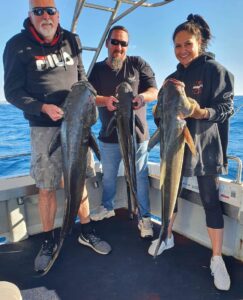
Leader: 60–150lb
Rod: 40–100lb
Reel: 6000–12000 series
Rig tip: Use a double-hook snell rig with a pea sinker to keep baits naturally presented near the bottom. Drift fishing or downrigger setups help keep baits in the strike zone without spooking the fish.
Artificial Lures:
Line: 30–60lb mono or braid
Leader: 40–100lb
Rod: 30–100lb
Reel: 5000–12000 series
Lures: Soft plastics (jerk shads, paddle tails, grubs), squid/crab imitations, micro jigs (20g–300g)
Bright colors work well at dawn and dusk, while natural tones are ideal during the day.
Drift and Anchor Fishing
Drift fishing with live or dead baits over reef edges is highly productive.
Use minimal weights to allow natural drift without spooking Cobia.
An open bail arm keeps better contact with the bait for strike detection.
Handling, Preservation, and Cooking
Bleed your catch immediately by slicing the gills.
Use a brain spike and ice slurry to maintain freshness.
Cobia flesh is versatile and delicious: crumbed, pan-fried, baked, steamed, or in salads and sandwiches.
Add herbs, lemon, or garlic for maximum flavor.
Cobia are also called Black Kingfish, Blackie, or Crab Eater, and are a standout species in Queensland waters.
Final Tips for Gold Coast Cobia Fishing
Use a fish ID app or guidebook to ensure correct species identification.
Fish during peak months (May–November) for the best chance at trophy-sized Cobia.
Focus on reefs, wrecks, and areas with abundant baitfish and crustaceans.
By following these expert tips, techniques, and baiting strategies, you can maximize your chances of landing a monster Cobia on the Gold Coast.
Related Posts

Plan Your Next Charter
Chasing reef fish, game species, or a great day out on the water? Our crew is ready when you are.