Mahi-Mahi Fishing at the Gold Coast FADs: The Complete Guide

Sports Fishing

Mahi-Mahi Fishing at Gold Coast FADs: The Definitive Guide
Mahi-Mahi FishingIntroduction:

Are you ready for the ultimate adventure in Mahi-Mahi fishing on the Gold Coast? Contrary to popular belief, Mahi-Mahi, also known as Dolphin fish or Dorado, are not related to dolphins. This vibrant and sought-after species has captured the hearts of anglers worldwide. To make the most of your Mahi-Mahi fishing experience, we’ve prepared a comprehensive guide that is a treasure trove of information for avid anglers.

1. Mahi-Mahi Feeding Habits – A Carnivorous Delight:
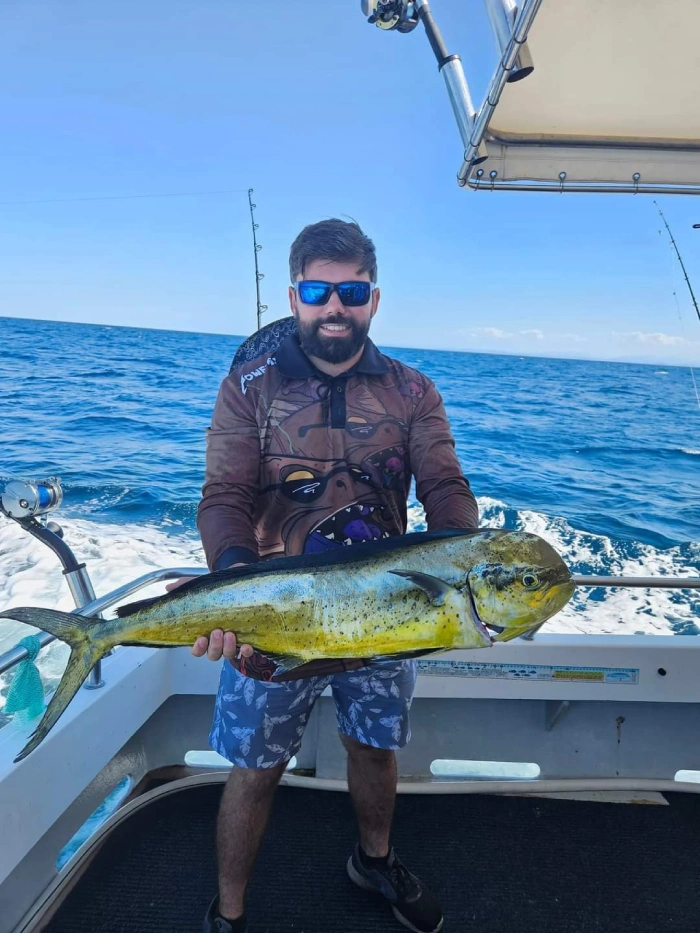
Mahi-Mahi are voracious carnivores, known for their appetite for smaller fish species such as slimy mackerel, yellowtail scad, pilchards, and flying fish. Their preferred hunting grounds often align with warm ocean currents, offering anglers a thrilling challenge.

2. Stunning Mahi-Mahi: A Visual Treat:

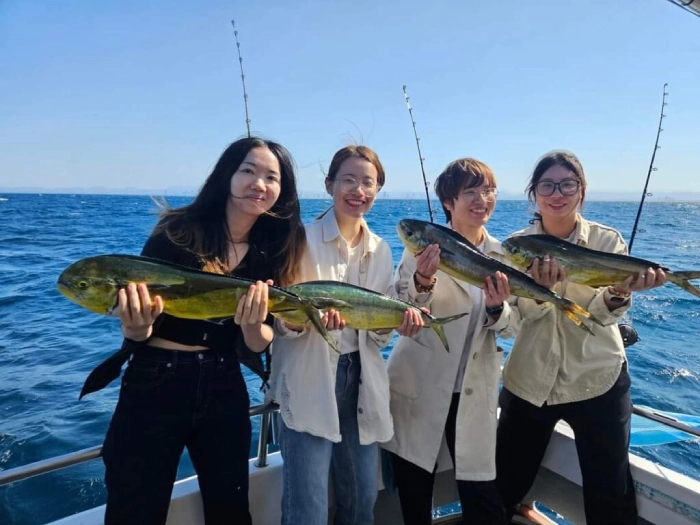
Mahi-Mahi, with their vibrant colors, are among the most beautiful fish in our oceans. Their bright yellow bellies, electric blue/green tops, and striking blue spots are a sight to behold when freshly caught. These colors, unfortunately, fade quickly once out of the water, so it’s essential to capture their beauty with a quick photo.

3. Mahi-Mahi’s Fighting Spirit:

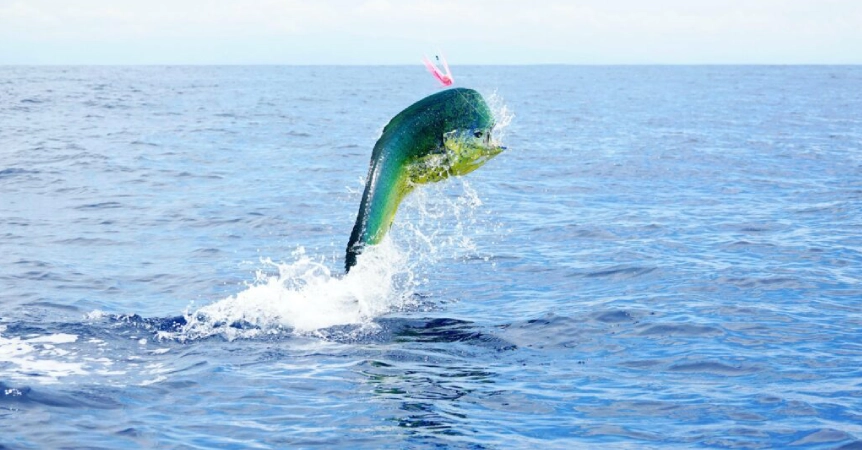
Dolphins are renowned for their aerial acrobatics once hooked. They are incredibly fast and comfortable both in the water and in the air. With speeds of up to 50 knots (92.5 km/h), they can outpace most boats, providing anglers with an adrenaline-pumping fight.
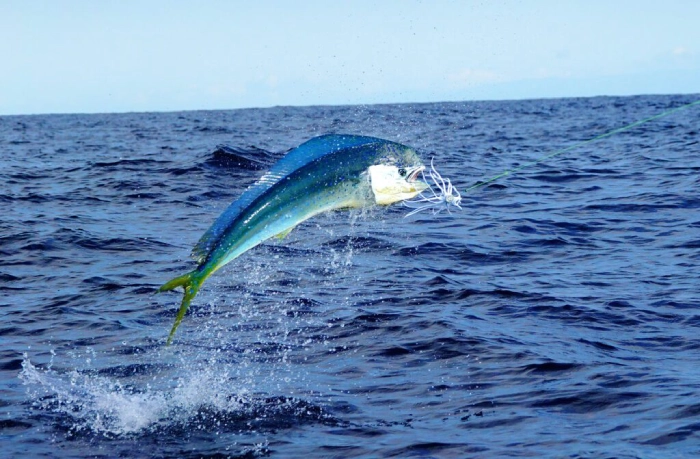
Mahi-Mahi’s Fighting Spirit4. Choosing the Right Bait for Mahi-Mahi:

Live baits such as yellowtail scad and, slimy mackerel are highly effective in attracting Mahi-Mahi. Using an unweighted or lightly weighted setup often yields larger catches. Additionally, skipping gar works well when trolled past FADs (Fish Attracting Devices).

5. Tackle and Bait Setups:

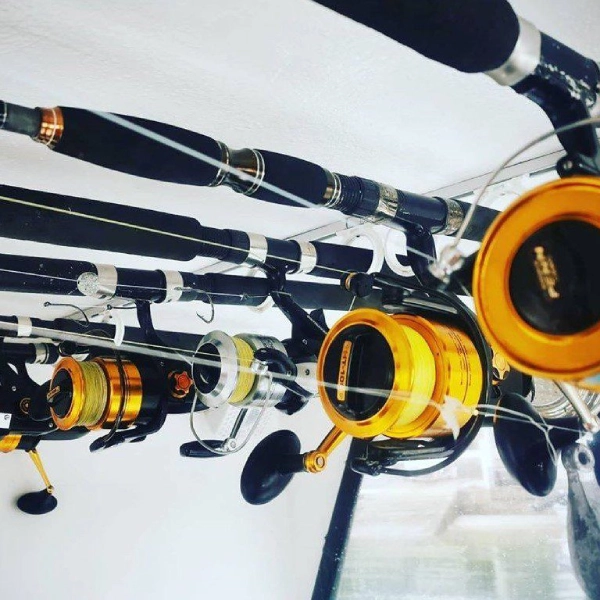
Selecting the appropriate tackle and bait setup depends on the size of the Mahi-Mahi you’re targeting. For smaller to medium-sized fish, 15-30lb braid and 20-50lb leader are suitable. However, for larger specimens, opt for 30-80lb braid and 40-120lb leader. The choice of rod and reel should also match your bait type and target size.
Mahi-Mahi Season on the Gold Coast6. Mahi-Mahi Season on the Gold Coast:

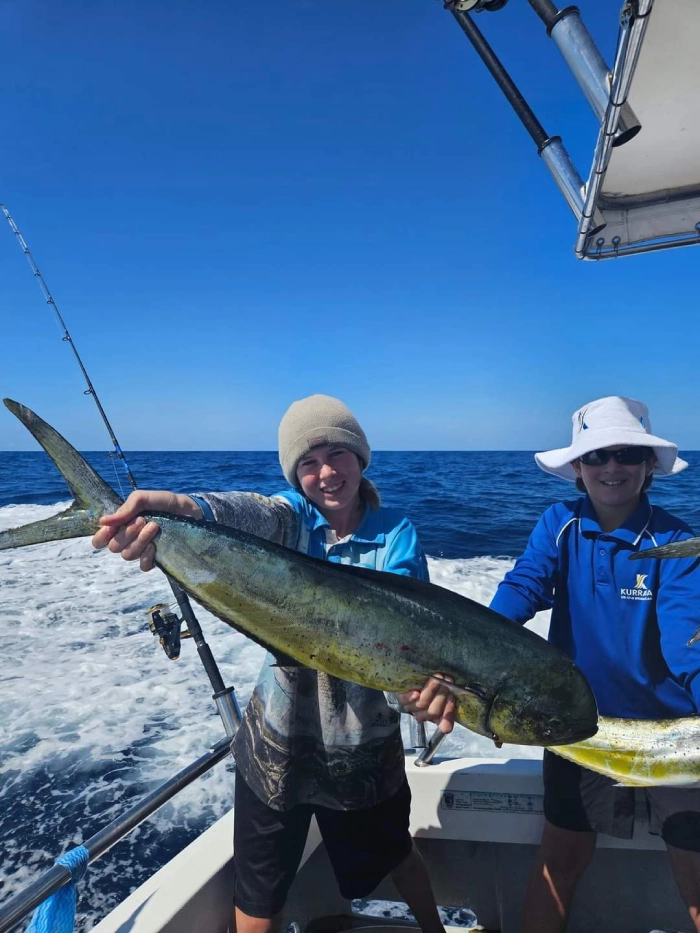
The prime Mahi-Mahi fishing season on the Gold Coast typically spans from mid-late Spring to the end of Autumn. With 12 Queensland Fisheries FADs in place, you can now target these incredible fish almost year-round, with the best time being between November and February when the water temperature exceeds 22 degrees Celsius.

7. Expert Techniques for Fishing at Gold Coast FADs:

To maximize your success, consider these expert techniques:

  • Drifting: Begin your drift up current and cast your bait or lures towards the FAD while keeping a safe distance. Use burley to attract Mahi-Mahi and work your offerings along the burley trail.
  • Engine-Assisted Drifting: Use your boat’s main engine or an electric motor to position yourself up current of the FAD. Let the current carry your baits back to the FAD while maintaining a respectful distance from other boats.
  • Trolling skirts; Trolling past the FAD is a tried-and-true method to lure in Mahi-Mahi on the Gold Coast. This technique is especially effective when the fish are a bit deeper or more scattered around the FAD
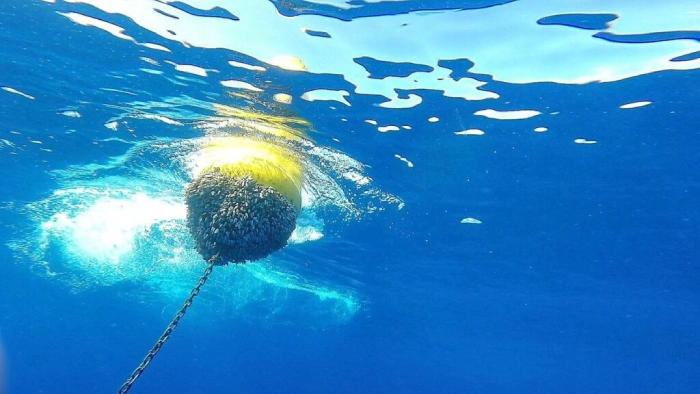
Gold Coast FADs – Fish Aggregating Devices8. Gold Coast FADs – Fish Aggregating Devices:

Fish Aggregating Devices (FADs) are artificial structures designed to attract migratory fish, including Mahi-Mahi. Deployed offshore, these structures create hotspots for bait fish and pelagic species, making it easier for anglers to find and catch their desired targets.

9. Fish Species at Gold Coast FADs:

While Mahi-Mahi are the primary attraction at Gold Coast FADs, you can also encounter other species like wahoo, tuna, cobia, and mackerel. These seasonal migratory pelagic species often congregate around FADs, providing anglers with diverse opportunities.

10. Responsible Fishing Practices:

Remember to fish responsibly around FADs. Avoid mooring your boat to the FAD to prevent damage and potential fines. Instead, calculate the drift angle, considering wind and current, and position your boat accordingly. Anchoring close to FADs should be avoided to prevent complications and damage.
unforgettable Mahi-Mahi fishingConclusion:

Prepare yourself for an unforgettable Mahi-Mahi fishing experience at Gold Coast FADs. Understanding their feeding habits, choosing the right tackle, employing effective techniques, and adhering to responsible fishing practices will enhance your chances of a successful catch. Enjoy the thrill of Mahi-Mahi fishing on the Gold Coast while respecting the environment and regulations that preserve this exciting sport for future generations.
Flathead Fishing Gold Coast: Tactics, Tips, and The Best Local Spots

Flathead Fishing Gold Coast: Tips, Tactics, and Prime Spots

Understanding Gold Coast’s Flathead Species

Introduction:

Flathead fishing on the Gold Coast is a thrilling pursuit that caters to anglers of all levels. These unique predators, known for their flattened bodies and delectable fillets, offer fantastic opportunities for a rewarding catch. In this comprehensive guide, we’ll delve into the world of flathead fishing on the Gold Coast, providing valuable insights, tips, and tactics to make your angling adventures a resounding success. Discover the best practices, hotspots, and gear essentials for flathead fishing in this coastal paradise.

Understanding Gold Coast’s Flathead Species:

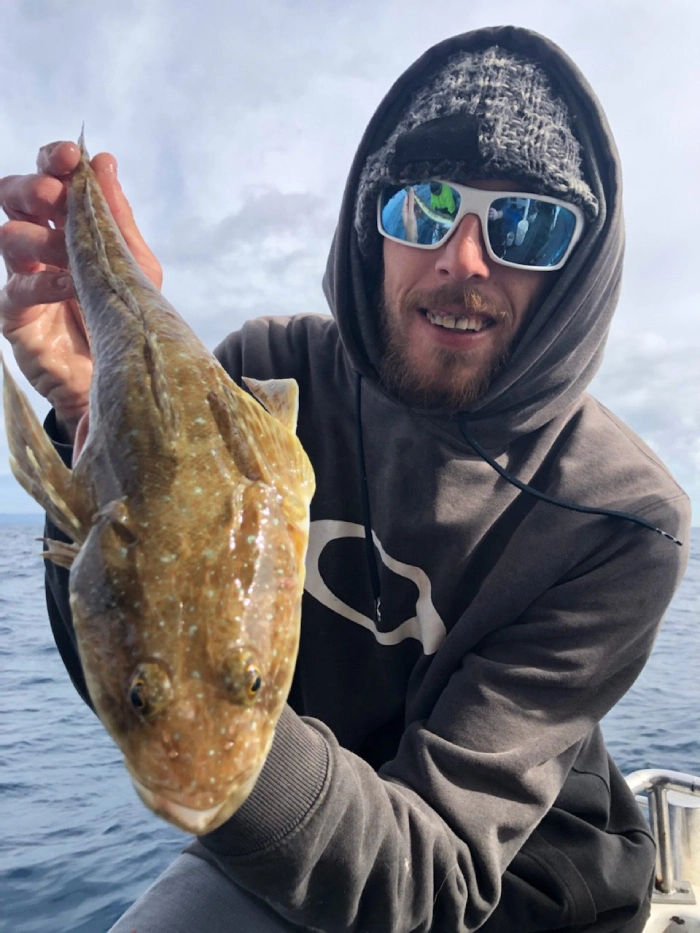
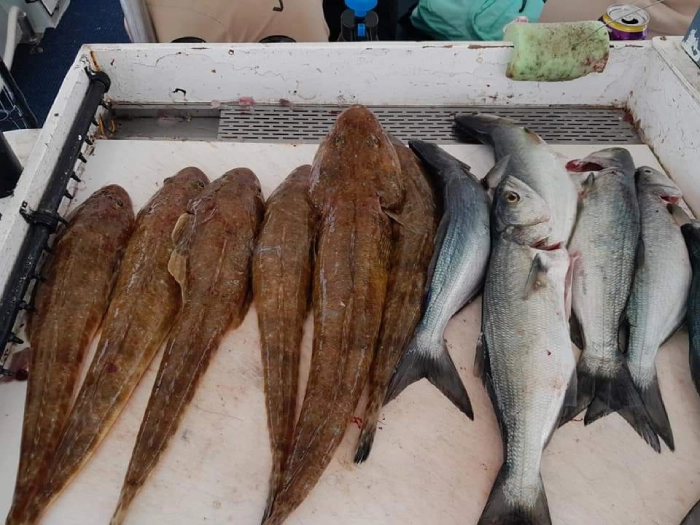
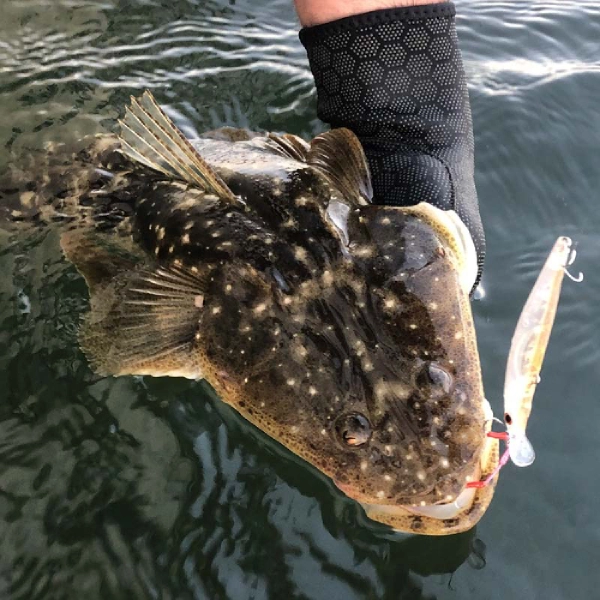
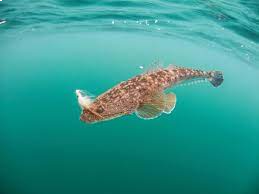
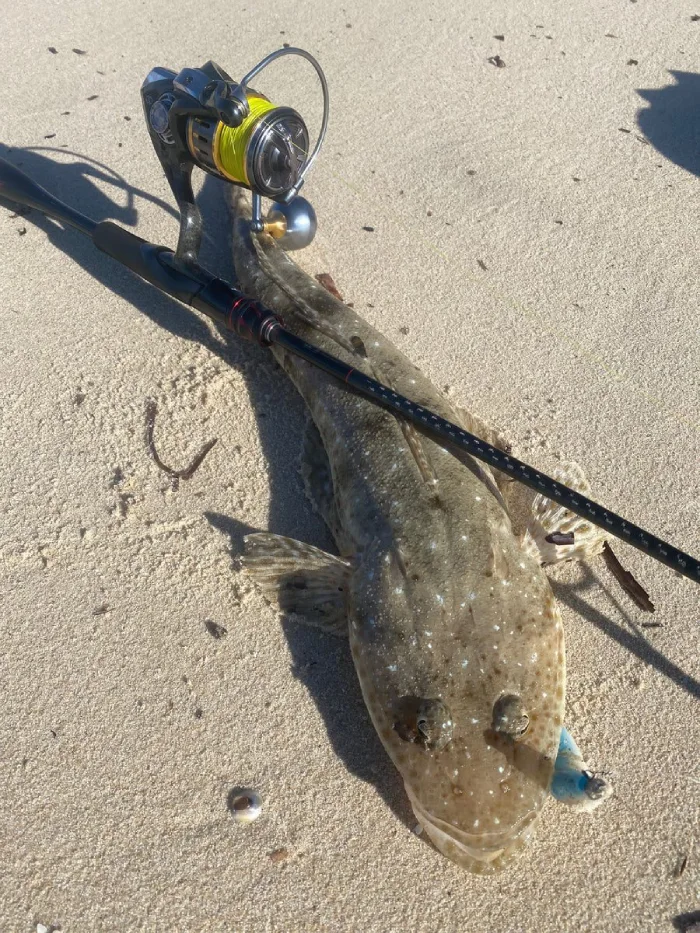
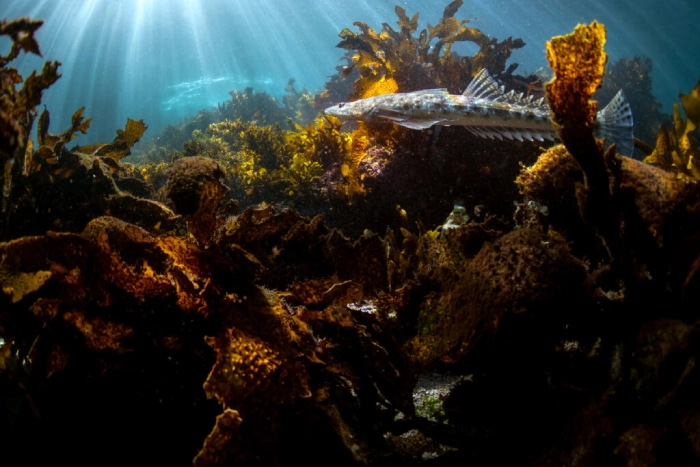
The Gold Coast is home to various flathead species, with the Dusky Flathead and Sand Flathead being the most prevalent. Dusky Flathead (Platycephalus fuscus) sport mottled brown coloration and can grow to over 1 metre in length, while Sand Flathead (Platycephalus bassensis) are pale with distinctive blue spots and can reach lengths exceeding 50cm.

Understanding Gold Coast’s Flathead SpeciesSeasonal Considerations:

Flathead remain accessible throughout the year, but mastering their seasonal movements can significantly enhance your chances of success. Here’s a seasonal breakdown:

  • Summer (December-February): As temperatures rise, flathead venture into shallower waters, making them easier to target. Focus on estuaries, sandbanks, and the edges of weed beds.
  • Autumn (March-May): With cooling temperatures, flathead move to deeper waters. Seek them in channels, drop-offs, and river mouths.
  • Winter (June-August): Winter presents opportunities to target larger flathead in deeper waters. Look for them near submerged structures, wrecks, and artificial reefs.
  • Spring (September-November): As waters warm up, flathead become more active, returning to shallower areas. This season is ideal for shore-based anglers.

Baits and Lures:

Baits and Lures

Now, let’s explore the best baits and lures for successful flathead fishing on the Gold Coast:

Best Baits:

  1. Prawns: Fresh or frozen prawns emit enticing scents that attract flathead effectively.
  2. White Bait: Small white baitfish are a natural part of flathead’s diet and make excellent bait choices.
  3. Pilchards: Versatile and available, pilchards can be used whole or cut into strips to entice flathead.
  4. Strip Baits: Slices of fish, such as mullet or tuna, serve as appealing options, especially when fresh.
  5. Live Herring and Mullet: If live baits are accessible, they are irresistible to hungry flathead.

Best Lures:

  1. Soft Plastics: Soft plastic lures, particularly paddle-tails or curl-tails in natural hues, are preferred. Jighead weight is less critical for flathead, providing versatility.
  2. Hard Bodies: Hard-bodied lures mimicking small fish or prawns prove enticing to flathead.
  3. Vibes: Vibration lures, known as vibes, generate movement and sound underwater, attracting flathead effectively.
  4. Blades: Metal blades cover a wide area and imitate injured baitfish, making them a solid choice.


Tides MatterTides Matter:

Mastering the tide is essential for successful flathead fishing. The consensus among anglers is that the run-out tide often yields the best results. Flathead are ambush feeders, positioning themselves near drop-offs and channel edges to await prey. However, the tide’s effectiveness can vary depending on the specific location. Some spots excel at the start of the run-out tide, while others shine as the tide recedes, influenced by water depth and baitfish movements.

Keep Moving:

Flathead’s feeding behavior sets them apart from other species—they remain relatively stationary when in feeding mode, waiting for prey to come within reach. To increase your chances, bring your lure to them. If you’ve cast several times without success, don’t hesitate to move. Drifting, casting, or trolling are favored techniques to cover more territory and pinpoint flathead-rich areas. Once you’ve found a productive spot, maintain consistent casting, particularly in high-traffic bait zones like converging channels.

Bottom DwellersBottom Dwellers:

Flathead’s affinity for the seafloor simplifies lure selection—they’re nearly always found on the bottom. This characteristic makes soft plastics a preferred choice, as jighead weight is less crucial compared to other species.

Go Light:

Using lighter gear and leaders increases your odds of hooking more flathead. Sharp teeth can wear through light line, but wire traces are unnecessary. Monofilament leaders ranging from 5-10kg are adequate, with 5kg serving as an excellent starting point. Adjust based on conditions and target fish size.

Softly Does It:

Handling hooked flathead requires a gentle touch. While they may not make dramatic runs like billfish, a delicate approach is essential. Avoid sudden movements, as lifting their head can trigger vigorous thrashing that may damage leaders. Keeping the fish as horizontal as possible, especially near the boat, reduces the risk of escape.

Snapper BottomBottom Dwellers:

Flathead’s affinity for the seafloor simplifies lure selection—they’re nearly always found on the bottom. This characteristic makes soft plastics a preferred choice, as jighead weight is less crucial compared to other species.

Go Light:

Using lighter gear and leaders increases your odds of hooking more flathead. Sharp teeth can wear through light line, but wire traces are unnecessary. Monofilament leaders ranging from 5-10kg are adequate, with 5kg serving as an excellent starting point. Adjust based on conditions and target fish size.

Softly Does It:

Handling hooked flathead requires a gentle touch. While they may not make dramatic runs like billfish, a delicate approach is essential. Avoid sudden movements, as lifting their head can trigger vigorous thrashing that may damage leaders. Keeping the fish as horizontal as possible, especially near the boat, reduces the risk of escape.

Hotspots on the Gold Coast:

  1. Broadwater: The expansive Broadwater offers numerous sandbanks, channels, and shallow areas ideal for flathead.
  2. Southport Seaway: Known for its depth and strong tidal flow, fishing the Gold coast seaway you will attract larger flathead, particularly during tidal changes.
  3. Jumpinpin Bar: Located at the convergence of the Gold Coast and North Stradbroke Island, this area is famous for flathead, especially during summer.
  4. Currumbin Creek: Renowned for its estuarine waters and sandy banks, Currumbin Creek is a picturesque flathead hotspot.

Conclusion:

Flathead fishing on the Gold Coast promises exhilarating experiences and abundant catches for those who grasp the nuances of this pursuit. By understanding tides, staying mobile, using the right gear, and handling fish with care, you can maximize your chances of landing these remarkable predators. Armed with knowledge of the best baits and lures, you’re ready for an exciting flathead fishing journey along Australia’s stunning coastline. Explore these waters and may your next angling adventure be truly unforgettable.